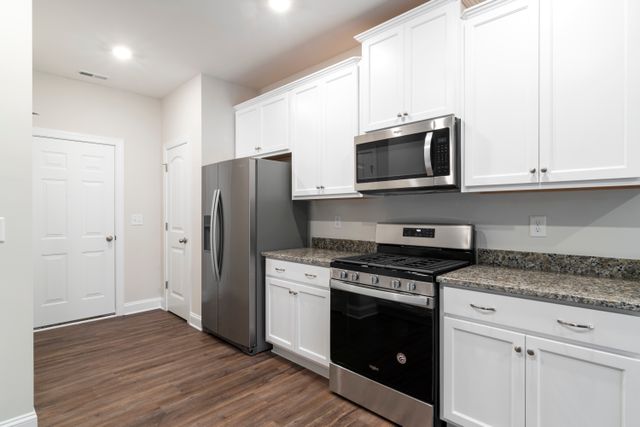
From finding qualified tenants to coordinating maintenance and tracking finances, a San Diego property manager handles the daily responsibilities that keep a rental operating.
Main Key Takeaways
Property management involves much more than collecting rent.
A property manager can market the rental, screen applicants, prepare leases, and coordinate move-ins.
Ongoing responsibilities include tenant communication, maintenance coordination, inspections, accounting, and lease enforcement.
Owners remain involved in important decisions while delegating time-consuming daily operations.
Services vary by company, so owners should confirm responsibilities, communication expectations, and fees before signing an agreement.
Many rental owners assume a property manager’s main responsibility is collecting rent. In reality, professional rental property management covers the entire rental cycle—from preparing and marketing the home to handling the tenant’s eventual move-out.
Marketing and Tenant Placement
Before a tenant moves in, a property manager evaluates the rental, recommends a competitive price, coordinates professional photographs, advertises the property, and responds to prospective renters.
The manager also processes applications, verifies qualification information, screens applicants consistently, prepares the lease, collects move-in funds, and documents the property’s condition before possession is transferred.
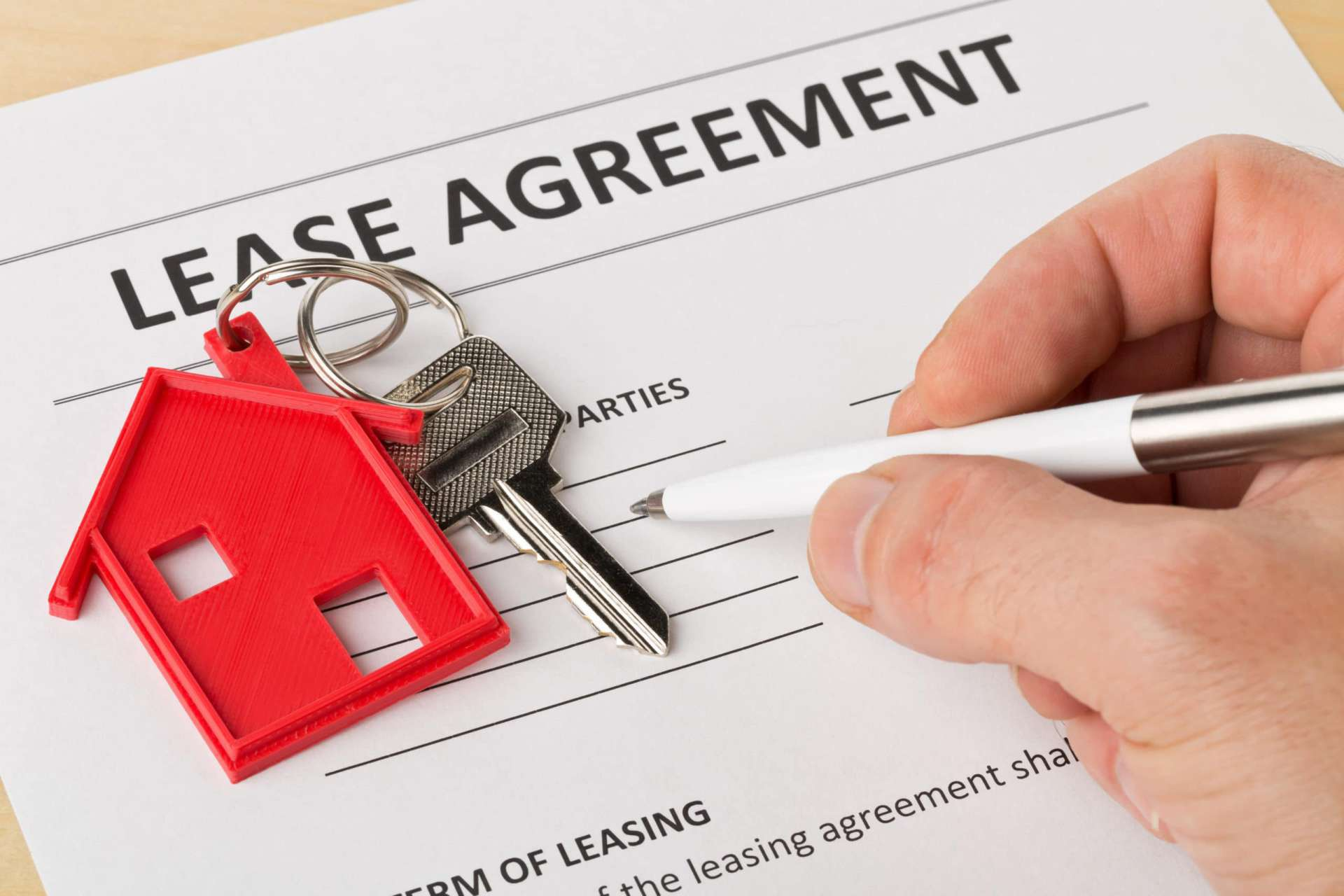
Property Management
Day-to-Day Rental Management
After the tenant moves in, the property manager becomes the primary point of contact for routine questions and property-related concerns. This may include:
Collecting rent and following up on unpaid balances
Communicating lease expectations
Coordinating renewals and lawful notices
Responding to tenant questions
Documenting important conversations
Addressing lease violations when necessary
Clear communication is one of the most important parts of property management. Owners should understand who will communicate with residents, how quickly inquiries are handled, and when the owner will be contacted.
Maintenance, Inspections, and Vendors
A property manager receives maintenance requests, gathers relevant details, troubleshoots when appropriate, and assigns qualified vendors when professional work is required.
The manager can also coordinate access, monitor scheduling, review invoices, confirm completion, and maintain written records. Routine inspections may help identify developing problems before they become larger and more expensive repairs.
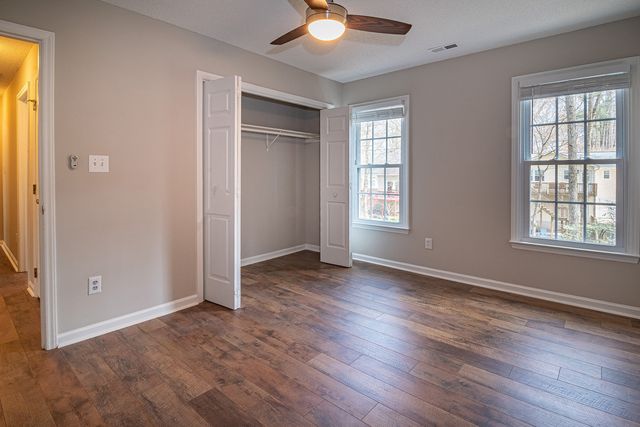
Rental Property
Accounting and Owner Communication
Property managers also track rental income and property expenses. Owners should receive organized statements showing rent collected, maintenance invoices, management fees, and owner distributions.
Professional management does not mean losing control of your property. It means establishing clear authority, spending limits, communication preferences, and approval procedures so daily decisions can be handled efficiently.
Every property has different needs. Contact Uplift Property Management to start a conversation about your rental’s current situation and determine which responsibilities you are ready to delegate.
When San Diego rental owners can complete maintenance themselves—and when Uplift Property Management uses a preferred vendor.
Main Key Takeaways
Owners can complete their own work when preparing a property for management.
Uplift will inspect the property afterward to confirm that it is rent-ready.
Once management begins, Uplift normally uses preferred vendors for maintenance.
Owners can discuss completing work during future vacancies with their property manager.
A trusted contractor may be considered for Uplift’s preferred vendor list.
Owners must follow California access and notice requirements at occupied properties.
Can rental property owners make their own repairs? The answer depends on whether the property is preparing to enter management, currently occupied, or vacant between tenants.
Although an owner may have the experience to handle certain projects, Uplift Property Management must also consider tenant safety, repair quality, insurance, warranties, legal requirements, and accurate maintenance records.
Home Repair
Can I Prepare the Property Myself Before Management Begins?
This depends. If you are getting your unit ready to rent for the first time, you can definitely do the work yourself, and we will check the unit to make sure it is rent ready. This approach allows owners to complete initial improvements while helping ensure that the finished San Diego rental meets Uplift’s rent-ready expectations before it is marketed to prospective tenants.
What Happens After Uplift Begins Management?
Once management begins, Uplift normally coordinates repairs through its preferred vendors. Using established professionals helps the company track work orders, communicate with tenants, review invoices, monitor repair progress, and confirm that work is completed properly.
Electrical, plumbing, HVAC, roofing, structural, gas, and other specialized repairs should be completed by appropriately qualified professionals. This can help protect the property, preserve applicable warranties, and reduce safety and liability risks.
Owners should not visit an occupied rental or arrange repairs directly with the tenant without coordinating with Uplift. California notice-of-entry requirements may apply, and unplanned communication can create confusion about scheduling, authorization, and responsibility for costs.
Maintenance request
Can I Use My Own Contractor?
If you have a contractor or maintenance company you trust, share the company’s information with Uplift. The team can review the vendor’s qualifications, licensing, insurance, availability, and other required documentation to determine whether the company may be added to the preferred vendor list.
Owners who want to complete work themselves during a future vacancy should discuss that preference with their property manager in advance. Planning ahead helps minimize downtime and keeps the property’s next rental-ready inspection on schedule.
Create one consistent system for receiving, prioritizing, documenting, and following up on tenant complaints so important issues do not get lost.
Review recurring maintenance complaints for patterns that may point to an underlying property problem rather than repeatedly addressing the same symptom.
Use lease terms, documented facts, and consistent procedures when handling noise, pet, or other disputes instead of making decisions based on assumptions.
Plan preventive maintenance around Ramona’s property conditions and seasonal demands, particularly for HVAC systems and larger or semi-rural properties.
Consider whether professional property management can reduce the owner’s day-to-day workload by coordinating tenant communication, vendors, maintenance, inspections, and documentation.
Tenant complaints are a normal part of rental operations, but repeated or poorly handled complaints can become expensive for landlords. Delayed repairs, unresolved noise, pests, and disputes over property conditions can affect tenant retention and create avoidable risk.
Uplift PM – San Diego County put together this guide to help Ramona property owners respond consistently and address problems before they escalate.
Set a Clear Process for Receiving and Tracking Complaints
A complaint should enter a defined process as soon as it is received. Give tenants reliable contact methods, distinguish emergencies from routine requests, and record the date, issue, response, vendor assignment, and completion.
Written records are especially useful when a dispute later concerns what was reported or when action was taken. Avoid relying on memory or scattered text messages. A simple maintenance log can reveal recurring problems, such as an aging water heater or repeated drainage issues, that deserve a permanent fix.
For owners managing rentals from outside Ramona, response time can be harder to control. A property manager can provide a local point of contact and coordinate vendors without requiring the owner to handle every call personally.
Respond Quickly to Maintenance and Habitability Problems
Maintenance complaints are often the most consequential because some involve health, safety, or habitability. California landlords have responsibilities to keep rental housing habitable, including functioning plumbing, heating, electrical systems, weather protection, and other required conditions.
As of January 1, 2026, California guidance also addresses working stoves and refrigerators unless the rental agreement provides otherwise. Specific duties can depend on the circumstances, so landlords should consult qualified legal professionals for situation-specific questions.
The practical response is straightforward: acknowledge the report, determine its urgency, arrange appropriate access, and keep the tenant informed about the repair timeline. If a tenant reports a leaking water heater, for example, do not treat it like a cosmetic issue. Protect the property, arrange qualified service, and document the work.
Ramona’s hot, dry summers also make cooling problems particularly disruptive. Preventive HVAC servicing before peak heat can reduce emergency calls and help identify failing equipment before a tenant is left without adequate cooling.
Address Noise Complaints with Evidence and Consistency
Noise disputes can become personal quickly. The landlord’s role is to enforce the lease consistently rather than decide which tenant is more credible based on a single conversation.
Ask the complaining tenant for dates, times, duration, and the nature of the disturbance. Review applicable lease provisions and any documented prior incidents. If the alleged source is another tenant, communicate the concern professionally and provide the appropriate notice or warning when the facts support it.
Avoid promising an outcome before investigating. If the noise comes from a neighboring property you do not control, explain the limits of your authority and direct the tenant toward the appropriate local process when applicable. Consistent documentation protects both the owner and the management process.
Treat Pest Reports as a Property Management Priority
Rodents, cockroaches, ants, and other pests can quickly affect a tenant’s willingness to remain in a home. In Ramona, outdoor conditions and landscaping can also contribute to pest activity, making inspections and property upkeep useful preventive measures.
When a tenant reports pests, determine the location, type, extent, and possible source. Arrange inspection by a qualified pest professional when appropriate rather than assuming the cause. Look for gaps, moisture, food sources, damaged screens, or landscaping conditions that may contribute.
The owner should also distinguish between routine building maintenance and tenant-caused conditions based on the facts and applicable lease terms. Do not automatically charge the tenant simply because the complaint originated inside the unit.
Resolve Pet Complaints Through the Lease and Documentation
Barking, animal waste, property damage, and unsafe animal behavior are common sources of conflict. Start by reviewing the lease, pet provisions, and any applicable rules. Then document the reported conduct rather than relying on assumptions about the animal or its owner.
For recurring barking, ask for specific incident information and communicate the applicable requirements to the tenant. For waste or damage, establish what occurred and what corrective action is required. A serious safety concern should receive immediate attention.
California and federal rules can also affect how landlords handle assistance animals, so owners should not treat every animal complaint as an ordinary pet violation. Situation-specific questions should be reviewed with a qualified professional.
Prevent Small Complaints from Becoming Expensive Problems
The strongest complaint strategy in San Diego is preventive. Schedule inspections where permitted, maintain vendor relationships, service major systems, and review recurring work orders for patterns. If three tenants report weak water pressure, replacing a faucet in each unit may not address the underlying plumbing issue.
Ramona owners should also consider the economics of response time. Figures vary significantly by property type and source. A vacant or dissatisfied tenant can affect revenue, while delayed maintenance can increase repair costs.
Bottom Line
Tenant complaints are easier to manage when the owner has a consistent system for receiving reports, prioritizing risk, documenting decisions, coordinating repairs, and following up. The goal is not to eliminate every complaint. It is to prevent reasonable concerns from becoming recurring operational problems.
For Ramona landlords, professional property management can take on the daily coordination involved in maintenance, tenant communication, vendor scheduling, documentation, and lease enforcement while keeping the owner informed.
Uplift PM – San Diego County can help property owners establish a practical management process suited to their rental and local conditions.
Frequently Asked Questions About Top Tenant Complaints
How Should Landlords Prioritize Multiple Tenant Complaints?
Landlords can prioritize complaints by considering urgency, potential health or safety concerns, property damage, and the possibility that a problem could worsen if delayed. A reported water leak, electrical issue, or failed essential system generally deserves more immediate attention than a cosmetic concern.
What Should A Landlord Document When Handling A Tenant Complaint?
A useful complaint record should include when the issue was reported, what was reported, how the owner responded, who was assigned to address it, and when the work or follow-up was completed. Supporting records may include vendor invoices, photographs, inspection notes, notices, and relevant lease provisions.
How Can Ramona Landlords Reduce Complaints About Maintenance?
Preventive maintenance can help owners address developing problems before they become repeated complaints. For a Ramona rental, that may include keeping major systems serviced, reviewing recurring work orders, monitoring plumbing or drainage concerns, and addressing property conditions that could contribute to pests or deterioration.
What Should Owners Know About Maintenance Complaints And California Habitability Rules?
California landlords should take complaints involving habitability seriously and evaluate the circumstances promptly. California Civil Code § 1941.1 addresses conditions including plumbing, water, heating, electrical systems, weather protection, and sanitation.
The statute also includes working stoves and refrigerators for leases entered into, amended, or extended on or after that date, subject to specified exceptions.
When Does A Tenant Complaint Suggest A Larger Property Problem?
A complaint may warrant a broader investigation when the same type of issue appears repeatedly, affects multiple areas, or returns after a repair. For example, repeated drainage concerns, weak water pressure, pest activity, or equipment failures may indicate that treating each individual complaint is not addressing the underlying cause.
Compare a month-to-month lease against a fixed-term agreement using expected vacancy, turnover, and operating costs rather than focusing only on the potential for a higher monthly rent.
Use month-to-month terms strategically when you have a realistic reason to preserve flexibility, such as a potential sale, renovation, or change in your property’s long-term plans.
Build likely turnover expenses into your lease-term analysis, including cleaning, repairs, marketing, showings, leasing, and administrative work.
Keep screening, documentation, rent analysis, and lease administration consistent regardless of whether you offer a fixed-term or month-to-month agreement.
Reassess the lease structure at renewal as your Ramona property’s market conditions, operating costs, and investment objectives change.
A month-to-month lease can give a landlord useful flexibility, but it is not automatically a better financial choice than a fixed-term lease. The right structure depends on vacancy risk, tenant stability, property plans, and local rent levels. Uplift PM – San Diego County put together this guide to help Ramona property owners weigh those factors before choosing a lease term.
A month-to-month tenancy renews each month until either party properly ends it. For an owner, that flexibility can be valuable when a property may be sold, renovated, occupied by the owner, or repositioned for a different rental strategy.
The tradeoff is less predictable income. A tenant who can leave after the required notice period may create a vacancy sooner than expected. A turnover can require cleaning, repairs, advertising, showings, screening, and administrative work before the next resident moves in.
For a Ramona rental, the decision should be based on the property’s actual economics. Current market data shows asking rents remain relatively strong, but available listings and rental prices vary substantially by property type and location. A higher monthly rate does not necessarily compensate for a vacancy lasting several weeks.
Use Month-to-Month Terms When Plans are Uncertain
Month-to-month leasing can make sense when an owner expects a change in the near future. An owner planning a sale within six months may prefer not to sign a new 12-month agreement. The same applies to a property scheduled for major improvements or a resident who may eventually move into the home.
It can also be useful after a strong tenant completes a fixed term. Some owners keep a reliable resident month-to-month while deciding on a longer renewal.
That flexibility should be intentional. Using a monthly agreement simply because it feels easier can create unnecessary turnover and income volatility.
Price the Added Flexibility Carefully
Some landlords charge a premium for month-to-month occupancy because the tenant receives greater flexibility. The premium should be grounded in local demand, comparable rentals, expected turnover expenses, and the owner’s tolerance for vacancy.
Ramona’s rental market has shown recent movement. Recent market data placed average rents around $2,300 to $2,500 across property types, with year-over-year increases. Those figures illustrate why owners should evaluate the specific property rather than rely on one market-wide number.
A $150 monthly premium sounds attractive, but six months of extra rent is $900. If the tenant leaves unexpectedly and the home sits vacant for three weeks, that premium can disappear quickly once lost rent and turnover costs are included.
Follow California Notice and Rent Rules
Californialaw provides specific requirements for month-to-month tenancies. Civil Code Section 1946 generally allows either party to terminate a month-to-month tenancy with at least 30 days’ written notice, subject to applicable exceptions and other requirements. Landlords also need to account for California’s separate rules governing rent increases and tenant protections.
For example, California Civil Code Section 827 addresses written notice for rent increases, with the required notice period depending on the size of the increase. Other state or local rules may affect when and how a tenancy can be terminated.
A month-to-month agreement does not give an owner unrestricted authority to remove a tenant or change terms immediately. Notice must be handled correctly, and eviction procedures still apply when a tenant does not leave as required.
A shorter lease should never be treated as a substitute for tenant screening. A tenant on a month-to-month agreement still has access to the property, and a problematic tenancy can produce high costs in a short period.
Review income, credit history, rental history, and other lawful screening criteria consistently. Use written rental criteria and apply them uniformly to applicants. Strong screening becomes even more important when an owner is using flexibility as part of the leasing strategy.
Account for Turnover Before Choosing Monthly Terms
Month-to-month leasing can increase the frequency of turnover. Each move-out may involve inspection, cleaning, maintenance, security deposit accounting, marketing, showings, screening, and vendor coordination.
Ramona also presents practical property-care considerations. Hot, dry periods can increase wear on landscaping and exterior features, while seasonal weather changes can expose maintenance issues between occupants. A property manager who tracks inspections and maintenance can help prevent small turnover items from becoming larger expenses.
Owners should compare expected annual income under both structures, including realistic vacancy and turnover costs. Looking only at advertised monthly rent can produce a misleading result.
Choose the Lease Term That Fits the Property
For many landlords, a fixed-term lease remains the better choice when predictable cash flow, lower turnover, and stable occupancy are the priorities. A month-to-month agreement is more appropriate when flexibility has a clear purpose and the owner is prepared for greater income variability.
The decision should be revisited at renewal rather than treated as permanent. Market conditions, tenant performance, property plans, and operating costs can all change.
Bottom Line
A month-to-month lease can be a useful tool for Ramona landlords, but its value depends on the property and the owner’s plans. Flexibility can support a future sale, renovation, or pricing adjustment, while frequent turnover can reduce the financial benefit.
Owners who want to use monthly leasing effectively need consistent screening, accurate rent analysis, careful notice procedures, and close oversight of maintenance and turnover.
For landlords who do not want to manage those responsibilities themselves, hiring a professional property management company like Uplift PM – San Diego County can provide the structure and day-to-day oversight needed to manage the rental responsibly.
Frequently Asked Questions About Month-to-Month Leases?
How Should Ramona Landlords Decide Whether To Charge More For Month-To-Month Terms?
Start with current comparable rentals and the specific characteristics of the property rather than applying a standard premium. Ramona rental data shows that asking rents vary considerably across properties and that market conditions can change from month to month.
An owner can then compare the potential additional monthly income with the financial impact of higher turnover or vacancy risk.
Can A California Landlord End A Month-To-Month Tenancy At Any Time?
Not necessarily. California’s rules for ending a residential tenancy depend on factors such as the tenancy’s duration, the reason for termination, and applicable statutory protections.
For example, California Civil Code Section 1946.1 generally establishes different notice requirements for landlord-initiated termination based on how long the tenant has occupied the property, while other laws may impose additional requirements.
How Should Owners Plan For A Month-To-Month Turnover?
Owners should treat turnover planning as part of the lease strategy rather than waiting until a notice is received. Maintain a realistic estimate for cleaning, repairs, inspection, marketing, showing, screening, and leasing expenses, then consider how those costs affect annual cash flow if turnover occurs more frequently.
Can A Month-To-Month Lease Help If I Plan To Sell My Ramona Rental?
It may, because a month-to-month structure can provide more flexibility than committing the property to another long fixed term. However, owners should not assume that monthly tenancy eliminates the legal or practical considerations involved in ending an existing tenancy before a sale.
What Should Landlords Review Before Converting A Fixed-Term Lease To Month-To-Month?
Review the property’s current rent against comparable Ramona rentals, the tenant’s existing lease terms, your anticipated investment timeline, and the potential cost of another turnover. You should also review the written agreement carefully to understand how the tenancy changes after the fixed term and confirm that any proposed changes comply with California requirements.
A look at how Uplift Property Management evaluates, documents, and monitors vendors serving San Diego rental properties
When maintenance is needed, rental property owners want to know that the person entering their property is qualified, properly documented, and accountable for the work performed. At Uplift Property Management, vendors must complete an approval process before they can be assigned to a managed property.
Main Key Takeaways
Vendors must receive corporate approval before performing work.
Uplift collects a W-9, current proof of liability insurance, and applicable business licenses or professional certifications.
Vendor documents and contact information are maintained in AppFolio and internal records.
Detailed work orders help vendors understand the problem and scope of work.
Repairs are monitored through scheduling follow-ups, completion confirmation, and invoice review.
Property Maintenance
What Does Uplift Require From Its Vendors?
Before a vendor can work at an Uplift-managed rental property, the company must receive and review several important documents. These include the vendor’s W-9, a current certificate of insurance showing liability coverage, and proof of any business license, contractor license, or professional certification applicable to the work.
Insurance documentation is updated regularly, and vendor records—including phone numbers, email addresses, physical addresses, and pricing information—are maintained within Uplift’s property management systems.
How Are Vendors Selected for Each Repair?
Not every maintenance provider is suited for every property or repair. Uplift maintains preferred vendor lists that may vary by location, property, and portfolio. The company also works to maintain both a primary and backup vendor for each service category, helping reduce delays when the preferred provider is unavailable.
When a tenant submits a maintenance request, Uplift reviews the details, requests photographs when appropriate, checks the property’s maintenance history, and looks for possible recurring or warranty-related issues. The vendor then receives a work order with clear instructions. If the estimated cost exceeds the property’s authorized maintenance limit, additional approval is obtained before proceeding, except when immediate action may be necessary to protect people or property.
Home Repair
Accountability Continues After Assignment
Vendor qualification does not end when a work order is issued. Uplift follows up on scheduling, monitors repair progress, confirms completion, and reviews invoices for accuracy. Concerns involving incomplete, unsatisfactory, or incorrect work are addressed with the vendor.
For San Diego rental property owners, this structured process provides greater transparency and helps protect the condition and long-term value of their investment.
Compare your Temecula rental with truly similar properties before changing the asking rent so you can price based on current competition rather than guesswork.
Prioritize visible, practical improvements such as paint, lighting, flooring, landscaping, and HVAC maintenance before committing to expensive renovations.
Strengthen your listing with accurate photos, useful property details, and clear information about features that help prospective renters evaluate the home.
Factor turnover costs into renewal decisions and consider the long-term financial impact of vacancy, repairs, marketing, and leasing expenses.
Before increasing rent, verify the property’s applicable California requirements, prior rent changes, and required notice procedures.
If your Temecula rental has not been repriced recently, there may be room to improve income without taking on a major renovation. The better approach is to identify what local renters value, compare your home with competing rentals, and spend only where the expected rent increase justifies the cost.
Uplift PM – Riverside County put together these five practical ways to strengthen rental income while protecting occupancy and long-term property performance.
1. Reprice the Home Using Current Temecula Comparables
Start with the rent, not the upgrades. Temecula’s rental market is active, but current data also shows that pricing has been relatively steady.
Compare your home with recently listed and leased properties that match its neighborhood, bedroom count, square footage, condition, parking, yard, and amenities. A four-bedroom home with a renovated kitchen should not be benchmarked against an older three-bedroom property simply because both are in the same ZIP code.
Pricing also needs to account for vacancy in Temecula. An extra $150 per month looks attractive until an overly ambitious asking price creates several weeks without a tenant. Review the numbers as annual income, not just monthly rent.
Also compare concessions, pet policies, included utilities, and lease terms, since a slightly lower headline rent can sometimes produce higher effective income and faster leasing.
2. Make High-Impact Improvements, Not Expensive Ones
Renters notice condition immediately. In Temecula, practical improvements often make more sense than luxury remodeling. Fresh interior paint, updated lighting, modern cabinet hardware, durable flooring in worn areas, and a clean, functional yard can materially improve a listing.
Climate matters too. Hot Inland Empire summers make reliable air conditioning a basic expectation. Before marketing the home, confirm that the HVAC system operates properly, filters are clean, and obvious maintenance issues are addressed.
Energy-efficient fixtures, good window coverings, and shade-producing landscaping can also improve the home’s appeal without turning the project into a full renovation.
A useful rule is to estimate the expected rent increase and compare it with the improvement cost. Include expected downtime and recurring maintenance in that calculation. If spending $6,000 is likely to add only $75 per month, the simple payback is roughly 80 months before considering financing, maintenance, or vacancy. That may not be the best use of capital.
3. Improve the Listing Before You Lower the Price
A strong rental listing can reduce the temptation to discount. Use bright, accurate photographs that show the actual condition of the home.
Include the floor plan when available, describe parking clearly, and call out useful features such as a private yard, garage storage, laundry setup, or proximity to major employment and transportation routes.
Presentation matters because renters compare several homes quickly. A property that looks clean, well maintained, and thoughtfully documented can attract stronger applicants without requiring costly upgrades.
Review inquiries and showing feedback after the listing goes live. If qualified prospects consistently hesitate over the same issue, address that issue first. Sometimes the solution is better photography or clearer information. Other times, the rent is simply too high for the condition.
4. Reduce Turnover and Protect the Tenant Experience
Getting higher rent from a stable tenant can be better than chasing the highest possible number at every renewal. Turnover brings cleaning, repairs, advertising, screening, administrative work, and vacancy costs.
Responding promptly to maintenance requests and completing preventive work helps protect the home’s condition and supports retention. For a Temecula property, regular HVAC servicing, irrigation checks, pest prevention, and attention to exterior wear are sensible parts of a maintenance plan.
At renewal, review the tenant’s payment history, property care, and current market rent together. A reasonable increase supported by comparable properties may produce better long-term results than a large increase that prompts a move.
5. Review Rent Increases and Compliance Before Sending Notice
California landlords need to consider applicable state requirements before raising rent. For many covered properties, the Tenant Protection Act limits annual increases to the lower of 10% or 5% plus the applicable cost-of-living adjustment. Exemptions and local rules can affect the analysis, and notice requirements still apply.
Do not treat a rent increase as a simple percentage calculation. Confirm whether the property is covered, whether an exemption applies, the prior increases, and the required notice period.
A California property manager can help operationalize this process by tracking rent history, market comparisons, renewal dates, notices, maintenance, and leasing performance in one workflow. That reduces the chance that a good pricing decision is undermined by an administrative mistake.
Bottom Line
Getting more rent for a Temecula home usually starts with accurate pricing and disciplined property management, not a costly remodel. Compare the property against current competition, make improvements renters can see and value, present the home professionally, retain good tenants, and handle rent increases with California requirements in mind.
For owners who want a clearer view of market rent and the work required to achieve it, Uplift PM – Riverside County can evaluate the property, recommend practical improvements, and manage the leasing and renewal process. A focused review can show where additional income is realistic and where spending more would simply add cost.
Frequently Asked Questions About 5 Easy Ways to Get More Rent for Your Temecula, CA, Home
How Much Should I Charge for a Rental Home in Temecula?
There is no single rent amount that fits every Temecula rental because pricing depends on factors such as property type, size, location, condition, amenities, and current competition. Owners should rely on comparable properties that closely match their specific home when setting rent.
Which Rental Improvements Usually Offer the Best Return?
The most worthwhile improvement depends on the property’s current condition, competing rentals, and the amount of additional rent the improvement may support. Before approving a project, estimate the potential rent increase and compare it with the total project cost, expected vacancy or downtime, and future maintenance.
How Often Should I Review My Temecula Rental’s Market Rent?
Owners can benefit from reviewing comparable rentals before each new lease or renewal rather than relying on an old rent amount indefinitely. Market conditions can change as competing properties enter or leave the market, and the appropriate rent can also shift based on the home’s condition and improvements.
What Should I Consider Before Raising Rent for an Existing Tenant?
Start by reviewing the property’s current market rent, the existing lease, previous rent changes, and the property’s applicable legal requirements. California’s Tenant Protection Act generally limits rent increases for covered properties to 5% plus the applicable cost-of-living change, up to a maximum of 10% over 12 months, although exemptions can affect the analysis.
Can Better Property Maintenance Help Support Higher Rent?
Good maintenance can help protect a rental home’s condition and make the property more competitive when it is marketed or renewed. For a Temecula property, owners may want to pay particular attention to systems and exterior features affected by the local climate, including HVAC performance, irrigation, landscaping, and general exterior wear.
Maintenance does not automatically justify a higher rent, however; the property’s overall condition still needs to be evaluated against comparable rentals.
Schedule routine inspections and seasonal servicing to catch small maintenance issues before they become expensive repairs.
Adjust your maintenance plan to San Diego’s coastal conditions, inland heat, drought concerns, and wildfire risks to better protect your investment.
Keep detailed records of inspections, repairs, and maintenance with photos and dates to support better property oversight and documentation.
Prioritize preventative care for major systems like HVAC, roofing, plumbing, and irrigation to help preserve your property’s long-term value.
Consider working with a professional property manager if you want ongoing maintenance coordination, trusted vendor relationships, and consistent property oversight.
If you own a rental property in San Diego County or Temecula, you already know the market rewards owners who protect their asset. What often gets overlooked is that the single best way to protect that asset isn’t a bigger security deposit or a stricter lease—it’s a maintenance plan that catches small problems before they become expensive ones.
Preventative maintenance is the practice of routinely inspecting and servicing a property’s major systems—roofing, plumbing, HVAC, irrigation, and structural components— on a set schedule, rather than waiting for something to break.
At Uplift PM – Riverside County, we’ve seen firsthand how preventative maintenance costs less, disrupts tenants less, and preserves the long-term value of your investment far more effectively than reactive, emergency-driven repairs.
Why Preventative Maintenance Matters for Your Rental
It Protects Your Bottom Line
A $200 roof inspection is a rounding error compared to an $8,000 roof replacement. A $150 furnace tune-up is nothing next to a mid-winter HVAC failure that requires an emergency contractor and a frustrated tenant.
When small issues are caught early—a slow leak, a worn seal, a clogged drain line—they get fixed for a fraction of what they’d cost if left to worsen. Over the life of an investment property, that difference compounds into real, meaningful savings.
It Keeps Good Tenants in Place
Nothing erodes a tenant relationship faster than a maintenance issue that drags on, or an emergency that could have been prevented. Rental owners who stay ahead of maintenance send a clear signal: this home is cared for. That builds trust, reduces complaints, and directly supports lease renewals—which means fewer vacancies and less turnover cost for you.
It Reduces Your Liability
California landlords are required to maintain rental properties in a habitable condition, and that responsibility doesn’t pause between tenants. Regularly inspecting smoke and carbon monoxide detectors, electrical systems, and structural elements isn’t just good practice; it’s how you limit exposure to habitability disputes and safety-related liability down the road.
It Preserves Property Value
Deferred maintenance compounds. A small roof leak left unaddressed can lead to water intrusion, mold, and drywall damage, and that can turn a simple repair into a full remediation project. Staying ahead of wear and tear protects your equity and keeps the property competitive when it’s time to sell or refinance.
What Preventative Maintenance Looks Like Locally
Generic maintenance checklists don’t always translate to our region.
San Diego County and Temecula have a climate and geography that create their own maintenance priorities:
Coastal moisture and marine layer: Homes near the coast (La Jolla, Del Mar, Coronado, Encinitas) see more corrosion and moisture intrusion around windows, decks, and metal fixtures. Routine sealant and weatherstripping checks matter more here.
Inland heat: Properties in Temecula, Escondido, Murrieta, and Menifee put HVAC systems under heavier load for more months of the year. Filter changes and seasonal tune-ups directly affect both system lifespan and tenant utility costs.
Wildfire-adjacent landscaping: For properties near open space or canyon terrain, maintaining defensible space (clearing dry brush, trimming trees away from structures) is both a safety measure and, increasingly, an insurability factor.
Drought-conscious irrigation: With water costs and conservation rules a constant in Southern California, irrigation systems should be checked regularly for leaks and inefficient watering, which waste money and stress landscaping.
Pest and termite pressure: Our mild, dry climate is favorable to termites and other pests year-round, making periodic inspections a year-round line item rather than a spring-only task.
You don’t need a complicated system. A workable rhythm for most San Diego County and Temecula rentals looks like this:
Quarterly
Replace or inspect HVAC filters.
Test smoke and carbon monoxide detectors.
Walk the exterior for irrigation leaks, cracked hardscape, or fence damage.
Twice a Year
Full HVAC service ahead of peak summer and winter demand.
Roof and gutter inspection, especially after the winter rain season.
Check caulking and weatherstripping around windows and doors.
Annually
Pest and termite inspection.
Water heater flush and inspection.
Review defensible space and landscaping near structures.
Full interior/exterior walkthrough to catch anything tenants haven’t reported.
Caring for rental amenities tenants use daily is crucial. Documenting each visit with photos and dates also protects you if a maintenance or habitability question ever comes up later. A simple paper trail goes a long way.
Bottom Line
This is exactly the kind of work that separates a self-managed rental from a professionally managed one. Uplift PM – Riverside County builds preventative maintenance into how we operate for every owner we work with across San Diego County and Temecula.
A trusted, vetted vendor network for routine service and fast-response repairs, so you’re never scrambling to find a contractor.
Regular walkthrough inspections that catch issues before residents even need to report them.
Transparent reporting, so you always know the condition of your property and what’s been done.
A flat 8% management fee with no maintenance markups and no hidden fees. Our No Hidden Fee Guarantee means the savings from staying ahead of repairs go to you, not toward surprise costs.
Our Eviction Free Guarantee is backed by our confidence in the tenants we place and the properties we help maintain.
Frequently Asked Questions About Preventative Maintenance for Rental Properties
How Much Should Landlords Budget for Preventative Maintenance?
There is no universal maintenance budget because costs vary based on a property’s age, size, condition, and systems. Many owners build annual maintenance reserves so routine inspections, servicing, and minor repairs can be addressed without waiting for an emergency.
Preventative maintenance expenses are often more predictable than emergency repairs, making it easier to plan cash flow over time. Reviewing maintenance history each year can also help identify recurring issues and prioritize future improvements.
How Often Should Rental Properties Be Professionally Inspected?
The right inspection schedule depends on the property’s age, location, and maintenance history. Many owners combine seasonal maintenance visits with periodic interior and exterior walkthroughs to identify issues before they become major repairs.
Properties in coastal San Diego may benefit from more frequent checks for moisture and corrosion, while inland homes may require additional HVAC attention during extended periods of hot weather. A consistent inspection schedule also creates better maintenance records and helps owners plan future capital improvements.
What Maintenance Items Are Most Important for San Diego Rental Properties?
San Diego’s climate creates maintenance priorities that differ from many other markets. Coastal properties often require regular inspections for salt air corrosion, moisture intrusion, and deteriorating sealants, while inland properties may place heavier demands on HVAC systems during long periods of warm weather.
Owners should also monitor irrigation systems, landscaping, roofing, pest activity, and drainage throughout the year. Tailoring maintenance to local environmental conditions can help reduce unnecessary wear and extend the life of major building components.
Can Preventative Maintenance Help Reduce Unexpected Repair Costs?
While no maintenance program can eliminate every surprise, proactive inspections and routine servicing often identify developing issues before they become larger, more expensive problems. Addressing a small plumbing leak, worn roofing material, or HVAC performance issue early may prevent secondary damage that increases repair costs.
A documented maintenance plan also helps owners prioritize repairs based on urgency instead of reacting only when systems fail unexpectedly.
What Does a Property Management Company Typically Handle for Preventative Maintenance?
Many full-service property management companies coordinate routine inspections, schedule preventative maintenance, manage vendor relationships, track completed work, and provide owners with maintenance documentation. Some also oversee emergency repairs and recommend long-term maintenance planning based on the property’s condition.
At Uplift PM – Riverside County, maintenance coordination is included as part of its management services without additional maintenance coordination fees or markups, according to its published service information.
Are There California Maintenance Requirements Landlords Should Keep in Mind?
California property owners are generally responsible for maintaining rental homes in a habitable condition, but specific obligations depend on the property’s circumstances and applicable state and local requirements.
Routine maintenance of essential systems, along with regular testing of smoke and carbon monoxide alarms where required, can support ongoing compliance efforts. Because housing laws and local ordinances can change, owners should consult qualified legal counsel or appropriate government resources for guidance on their specific responsibilities.
Compare the added cost of furnishing your rental against expected rental income and ongoing maintenance before deciding if it makes financial sense.
Match your furnishing strategy to the renters most likely to lease your property, rather than assuming every tenant values a move-in-ready home.
Consider a partially furnished rental if you want to offer added convenience while limiting replacement costs and maintenance responsibilities.
Invest in durable, easy-to-clean furniture and maintain a detailed inventory with photos to simplify inspections and protect your investment.
Evaluate neighborhood demand across Riverside County because furnished rentals often perform best near major employers, hospitals, universities, and other areas that attract temporary residents.
A furnished rental can seem like an easy way to increase rental income. By offering a move-in-ready home, landlords may attract tenants willing to pay more for convenience.
However, furnishing a property also changes the type of renters it attracts, increases maintenance responsibilities, and adds upfront costs. Whether it’s the right investment depends largely on your local market. Find out more with Uplift PM – Riverside County.
The best place to start is by identifying who is most likely to rent your property.
Furnished homes often appeal to corporate employees on temporary assignments, traveling healthcare workers, graduate students, military families in transition, remote workers, and people relocating for work. These renters value convenience because they can move in without purchasing or transporting furniture.
On the other hand, families looking for long-term housing often prefer bringing their own furnishings. For these tenants, an empty home offers greater flexibility and personalization.
Rather than asking whether renters want furniture, ask whether your ideal tenants would pay extra for a fully equipped home.
What Should a Furnished Rental Include?
Tenant expectations vary in Riverside County, so clearly define what is included.
Most furnished rentals provide bedroom furniture, living room seating, dining furniture, major kitchen appliances, and basic household essentials. Some landlords also supply cookware and small appliances, while others offer a partially furnished home that includes only larger items such as a washer, dryer, dining table, or mounted television.
Setting clear expectations in the listing and lease helps avoid misunderstandings.
Higher Rent Doesn’t Always Mean Higher Profit
A furnished property may command a premium, but that doesn’t guarantee greater returns.
Owners must account for the cost of purchasing furniture, replacing worn items, professional cleaning between tenants, repairs, insurance, and potentially higher turnover. The real question isn’t how much more rent you can charge; it’s whether the additional income outweighs the added expenses.
Think About Your Local Rental Market
The success of a furnished rental often depends more on location than on the furniture itself.
For example, a downtown apartment near major employers or a medical center may attract professionals relocating for several months. A condo close to a university could appeal to graduate students or visiting faculty who don’t want to invest in furniture for a short stay.
By contrast, a single-family home in a suburban neighborhood may primarily attract families planning to remain for several years. Those renters are often looking for a blank canvas where they can arrange their own furniture and create a home that reflects their lifestyle.
Understanding who rents in your neighborhood can help you decide whether furnishing the property will actually increase demand or simply add unnecessary costs.
Consider a Partially Furnished Option
If you’re unsure about fully furnishing your rental, a partially furnished home can offer a practical compromise in California.
Providing essential appliances, a washer and dryer, dining table, or a few larger furniture pieces gives tenants added convenience without requiring the investment of furnishing every room. It also reduces the number of household items you’ll need to maintain and replace over time.
This approach can appeal to renters who already own some furniture but would rather avoid purchasing large or expensive items immediately after moving.
Treat Furnishings as Business Assets
Furniture should be viewed as part of your investment, not simply as decoration.
Choose pieces that are durable, easy to clean, and simple to replace if damaged. Neutral colors and classic designs generally appeal to a broader range of renters than highly personalized décor.
Keeping receipts, photographing furnishings before move-in, and maintaining a detailed inventory also make inspections and move-out assessments much easier. Good documentation helps protect both landlords and tenants by establishing the original condition of the items provided.
Many tenants seeking furnished housing need temporary accommodations, which can lead to shorter lease terms. As a result, landlords may spend more time marketing the property and preparing it for new occupants.
That isn’t necessarily a disadvantage if your property is located near hospitals, universities, business districts, or military bases where demand remains steady. In neighborhoods dominated by long-term residents, however, an unfurnished home may appeal to a much larger tenant pool.
Every furnished item becomes another asset that must be maintained.
Move-in inspections should document the condition of furniture and appliances with photos and written inventories. Lease agreements should identify included items, explain how damage will be handled, and state what must remain when the tenant moves out.
Rental furniture should prioritize durability over style.
Neutral, easy-to-clean pieces typically perform better than trendy or delicate furnishings. Durable materials reduce replacement costs and appeal to a wider range of tenants. Simple designs are also easier to replace or match.
Avoid overcrowding the home with décor. Tenants appreciate functional spaces where they can still add their own personal touches.
Is Furnishing the Right Choice?
A furnished rental often makes sense when the property is located near major employers, universities, hospitals, military installations, or other areas that generate demand for temporary housing.
An unfurnished home may be the better investment when targeting long-term families or neighborhoods where renters already own furniture.
The best decision comes from analyzing local demand, expected lease lengths, furnishing costs, and projected rental income, not simply following a trend.
Bottom Line
Furnishing a rental property isn’t automatically the more profitable option. For the right property in the right market, it can attract quality tenants and justify higher rents. In other situations, the added expense and ongoing management may outweigh the financial benefits.
Before making the investment, evaluate your local rental market, compare furnished and unfurnished rental rates, and calculate the true cost of furnishing the home. Get help from Uplift PM – Riverside County.
An experienced property management team can help determine which strategy best fits your property, market the home to the right tenants, prepare compliant lease agreements, and handle the ongoing management needed to maximize your long-term return.
Frequently Asked Questions About Renting a Home with Furniture
Should You Charge a Higher Security Deposit for a Furnished Rental?
A furnished rental may represent a greater investment because furniture, appliances, and household items can be damaged over time. However, California security deposit rules apply regardless of whether a property is furnished or unfurnished, and landlords should ensure any deposit amount and deductions comply with current state requirements.
Keeping a detailed inventory, documenting the condition of furnishings before move-in, and clearly identifying included items in the lease can help support accurate recordkeeping if questions arise later.
How Do You Decide Whether a Furnished Rental Fits the Riverside County Market?
The best approach is to evaluate demand within the specific neighborhood rather than making a decision based on countywide trends.
In Riverside County, properties near major employment centers, hospitals, universities, or military-related demand may attract more renters seeking furnished housing, while many suburban single-family homes are often better suited to long-term residents who already own furniture.
Reviewing comparable rental listings, lease activity, and local demand can help you determine which option better aligns with your investment goals.
What Lease Terms Should Be Included for a Furnished Rental?
In addition to standard lease provisions, furnished rentals typically benefit from a detailed inventory that lists every included item and its condition. Landlords often document furnishings with photographs before move-in and explain responsibilities for routine care, reporting damage, and returning all provided items at move-out.
Well-written documentation helps establish expectations and may reduce misunderstandings, but lease language should always comply with applicable California laws and local requirements.
How Can You Reduce Furniture Maintenance and Replacement Costs?
Selecting commercial-grade or durable residential furniture can help lower long-term ownership costs. Neutral finishes, stain-resistant fabrics, and easy-to-clean materials generally hold up better under repeated use than highly decorative pieces.
It’s also helpful to keep replacement information, receipts, and manufacturer details for larger items so matching or replacing furnishings is easier over time. Regular property inspections and prompt maintenance can also extend the useful life of furniture and appliances.
Does Furnishing a Rental Affect Property Management Responsibilities?
Yes. Every furnished item becomes another asset that requires documentation, inspection, maintenance, and occasional replacement. Property managers can assist by coordinating marketing, lease preparation, maintenance coordination, inspections, and accurate documentation of furnished assets throughout the tenancy.
For owners managing multiple properties or living outside the area, professional management may also simplify the additional oversight that furnished rentals typically require. We provide full-service residential property management designed to help owners manage these ongoing responsibilities across our service areas.
Are Furnished Rentals Better for Short-Term or Longer-Term Investments?
The answer depends on your property’s location, operating costs, and investment strategy. Furnished homes often appeal to renters with temporary housing needs, while unfurnished properties may attract residents planning to stay longer.
Before purchasing furniture, compare expected lease lengths, furnishing expenses, replacement costs, insurance considerations, and local demand. Evaluating the complete financial picture can help determine whether furnishing supports your long-term investment objectives rather than simply increasing upfront expenses.
San Diego rental owners can transfer an occupied property to a new management company without requiring the tenant to move, but the transition must be carefully coordinated.
Main Key Takeaways
You can change property managers while your rental property is occupied.
The tenant’s existing lease and financial obligations generally remain in effect during the transition.
Owners should review their management agreement and provide the required written notice.
Tenants must receive clear instructions about the effective date, rent payments and maintenance requests.
Lease, deposit, inspection and accounting records should be transferred completely and accurately.
Yes, a San Diego rental owner can change property managers while a tenant is still living at the property. The tenant does not need to move simply because management changes, and an organized transfer should cause minimal disruption.
Review Your Current Management Agreement
Begin by reviewing your property management agreement for termination requirements, fees and responsibilities. Uplift Property Management’s offboarding process generally requires written notice at least 30 days before management ends.
The outgoing manager should receive the termination request in writing and be given the incoming manager’s contact and payment information.
What Happens to the Existing Lease?
Changing managers does not automatically cancel the tenant’s lease. The current rent, lease dates, deposits, recurring charges and other terms should be accurately entered into the new manager’s system.
Depending on the property and tenancy, an updated management-company lease may be offered later. Until then, the existing agreement should continue to guide the tenancy.
What Records Should Be Transferred?
A successful property management transition includes transferring:
The lease, addenda and disclosures
Tenant applications and contact information
Payment ledgers and outstanding balances
Security deposit records
Move-in inspections and photographs
Maintenance history and active warranties
Renters insurance information
HOA rules and recurring service contracts
Open insurance claims and property budgets
Keys and access information
These records help protect the owner and tenant while preventing incorrect charges or missed responsibilities.
How Are Tenants Notified?
Tenants should receive a written Release of Management notice explaining the effective date, new property manager, future rent-payment instructions and updated contact information. They should also learn how to access their new tenant portal and submit maintenance requests.
When Uplift takes over an occupied property, the initial priority is introducing the company, activating the tenant portal and collecting rent correctly. A safety inspection is typically scheduled afterward, followed by a lease review when appropriate.
Uplift Property Management helps San Diego rental owners transfer occupied properties while maintaining clear communication and accurate records. Learn more about how hiring a property manager works or contact Uplift to discuss changing property management companies.
Are you a property owner looking for a free consultation? Contact Us!
Prioritize amenities that match your property’s location and target renter instead of investing in upgrades that may not add meaningful value.
Focus on practical improvements like parking, laundry, cooling, and storage that can make your rental more competitive in San Diego.
Compare similar rental properties before starting major upgrades to help determine whether the investment aligns with local market expectations.
Choose durable, low-maintenance features that can improve day-to-day functionality while helping reduce long-term upkeep.
At Uplift PM – San Diego County, we’ve seen San Diego renters consider more than a property’s size and monthly rent. Parking, utility costs, pet policies, cooling, and outdoor space can also influence their decisions.
Practical amenities often matter more than expensive extras, especially when they make daily life easier.
Before investing, consider the property, neighborhood, target tenant, cost, and maintenance requirements. The best upgrades increase renter appeal while providing a reasonable return.
Dedicated parking can be a major advantage in North Park, Hillcrest, Pacific Beach, and parts of Downtown. Renters do not want to circle the neighborhood or worry about street restrictions after returning home.
A garage adds protection and storage, while assigned spaces reduce confusion in multifamily properties. Good lighting, visible space numbers, and secure access can make the parking arrangement even more useful.
Owners planning electrical improvements should also consider EV readiness. Installing conduit or sufficient electrical capacity during another project may cost less than retrofitting later. Even if chargers are not installed immediately, preparing the property can help it accommodate changing transportation needs.
2. Laundry Without the Weekly Errand
In-unit laundry saves tenants from waiting for shared machines, visiting a laundromat, or planning around laundry-room hours. For households with children, demanding jobs, or irregular schedules, that convenience can become a deciding factor.
Where individual machines are impractical, improve the shared facility with reliable equipment, electronic payment, folding space, ventilation, and adequate lighting. Establishing a prompt repair process also prevents one broken machine from disrupting the entire building.
For smaller homes, a stacked or compact washer-dryer unit can provide convenience without consuming much space. Owners should confirm that plumbing, electrical capacity, drainage, and ventilation can safely support the equipment.
3. Effective Cooling and Better Indoor Air
San Diego’s coastal reputation can make air conditioning seem optional, but temperatures vary across the region. Inland and older homes may become uncomfortable because of limited insulation, direct sun exposure, or poor airflow.
Dependable cooling, ceiling fans, window coverings, and programmable thermostats can improve comfort. Clean filters and proper ventilation are equally important. In homes without central air, an efficient ductless system may provide targeted cooling without requiring extensive construction.
Air filtration may also appeal to renters concerned about dust, allergies, or wildfire smoke. Combined with regular filter replacement and proper ventilation, it can contribute to a healthier and more comfortable home.
4. A Pet Policy Designed for Real Life
A strict no-pet rule can remove many otherwise qualified applicants. Pet-friendly housing appeals to a broad renter pool, particularly when the property offers suitable flooring, secure outdoor areas, or nearby routes.
A written policy can establish lawful screening procedures, occupancy limits, waste-removal expectations, and applicable deposits or fees. Assistance animals must be handled separately under fair housing requirements.
Durable flooring, secure fencing, an outdoor washing area, or a pet-relief space may attract renters while making the property easier to maintain. A practical setup can also reduce scratched surfaces, indoor accidents, and landscaping damage.
San Diego’s climate makes a balcony, patio, courtyard, or fenced yard particularly valuable. Even a small area can accommodate dining, reading, container gardening, or pets.
Shade, privacy screening, lighting, electrical outlets, and durable surfaces often matter more than elaborate landscaping. A defined seating area can help prospective tenants picture themselves using the space.
A shared courtyard or rooftop can provide similar appeal in multifamily buildings. Choose furnishings and plants that tolerate local conditions without creating excessive upkeep. Clearly stated hours and maintenance responsibilities can also reduce resident conflicts.
6. A Home that Supports Remote and Hybrid Work
A rental does not need a formal office. A quiet alcove, dining corner, or bedroom with sufficient outlets can become a productive workspace.
Confirm high-speed internet availability and mention it in the listing. Grounded outlets, USB charging points, task lighting, and shelving can also improve usability. Where practical, owners can stage an awkward corner with a small desk to demonstrate its potential.
In multifamily communities, a shared workspace with reliable Wi-Fi, comfortable seating, and a private room for calls may be more useful than a traditional business center. Secure access and clear reservation procedures can make the space easier for residents to share when working from home.
7. Storage for the San Diego Lifestyle
Storage is especially valuable for renters with bicycles, surfboards, camping equipment, luggage, or beach gear. These belongings can quickly consume closets and living areas in smaller homes.
A locking garage cabinet, storage room, bicycle rack, surfboard mount, or secured cage can free valuable space. Pantry shelves, closet organizers, and under-stair storage can also make a compact home more functional without changing its square footage.
Storage should be weather-resistant and protected from unauthorized access. Owners should also explain whether a storage space is included in the rent, assigned to a specific unit, or available for an additional fee.
8. A Kitchen Built for Daily Use
Renters may admire dramatic finishes, but they live with the kitchen’s functionality every day. Counter space, dependable appliances, lighting, ventilation, and storage often matter more than luxury materials.
Updated cabinet hardware, an easy-to-clean backsplash, pantry shelving, or a new faucet can create a stronger impression without requiring a full remodel. Adding under-cabinet lighting or replacing a worn countertop may also improve usability.
When appliances need replacement, energy-efficient models may help tenants manage utility use. Durable flooring and surfaces can reduce turnover repairs, while consistent appliance finishes give the kitchen a more cohesive appearance.
Bottom Line
The most valuable amenities depend on the rental’s location and likely tenants. Downtown apartments may benefit from secure parking and cooling, while suburban homes may gain more from fenced yards and storage.
Compare similar rentals before upgrading to ensure the potential rent, leasing advantage, and useful life justify the cost.
Partner with an experienced San Diego property management team like Uplift PM – San Diego County to prioritize improvements, coordinate vendors, and strengthen your rental’s long-term performance. Contact us today to get started.
Frequently Asked Questions About the Top 8 Amenities Renters Can’t Resist in San Diego, CA
Which Rental Amenities Typically Offer the Best Return on Investment?
The best return often comes from amenities that improve everyday convenience rather than luxury upgrades. Features like off-street parking, in-unit laundry, functional storage, efficient cooling, and updated kitchens may help a property compete more effectively because they address common renter priorities.
Before investing, compare similar rental properties in your neighborhood to see which amenities are standard and which could help your property stand out. Your property’s age, location, condition, and target renter will all influence which improvements make the most financial sense.
How Should I Decide Which Amenities to Add First?
Start by evaluating your property’s location, layout, and the type of renters it typically attracts. For example, parking may be a higher priority in neighborhoods with limited street parking, while outdoor space or additional storage may carry more value in suburban areas.
Review competing rental listings, estimate installation and maintenance costs, and consider how long each improvement is likely to remain useful. Prioritizing durable upgrades that solve everyday challenges can help you make more informed investment decisions.
Are There California Laws I Should Consider Before Updating My Rental Property?
Yes. Certain improvements may require permits, inspections, or compliance with local building codes, depending on the scope of the project. If you are updating electrical systems for future EV charging, installing HVAC equipment, or modifying plumbing for laundry appliances, it’s important to verify applicable requirements before work begins.
Pet policies and requests involving assistance animals should also be handled in accordance with federal, California, and local fair housing requirements. When legal or code questions arise, consult qualified professionals before proceeding.
How Important Is Air Conditioning in the San Diego Rental Market?
The answer often depends on where your property is located. Coastal neighborhoods generally experience milder temperatures, while inland communities can see significantly warmer weather during parts of the year.
In some cases, ceiling fans, improved insulation, window coverings, and programmable thermostats may enhance comfort, while central or ductless air conditioning may be a worthwhile investment for properties exposed to higher heat.
Evaluating neighborhood expectations and comparable rentals can help determine whether cooling upgrades are appropriate.
Should I Allow Pets in My Rental Property?
Many rental property owners find that a well-defined pet policy can expand their pool of prospective applicants while establishing clear expectations. Consider using durable flooring, secure outdoor areas, and easy-to-clean materials that help simplify ongoing maintenance.
Your written policy should address topics such as permitted pets, property care expectations, and any applicable deposits or fees allowed by law. Because assistance animals are subject to different legal standards than pets, those situations should be evaluated separately under applicable fair housing requirements.
How Can a Property Management Company Help Prioritize Amenity Upgrades?
A property management company can provide market insight by identifying which amenities are commonly expected in your neighborhood and which upgrades may improve your property’s competitiveness. They may also coordinate vendor estimates, help develop maintenance plans, monitor local rental trends, and offer recommendations based on comparable properties.
Working with an experienced property manager can help owners make more informed decisions while balancing upfront costs, ongoing maintenance responsibilities, and long-term property performance.