
Key Takeaways
- Remote work changed renter priorities: Many tenants now value space, flexibility, comfort, and home features that support working from home.
- Workspace and internet access matter: Spare rooms, quiet areas, strong lighting, and reliable connectivity can make a rental more competitive.
- Presentation is more important online: Detailed listings, clear photos, and workspace details help renters judge whether a home fits remote or hybrid work.
- Management still matters: Maintenance, communication, and pricing strategy can help landlords adapt to changing renter expectations.
Remote work has changed the way many people choose where and how they live. What began as a temporary shift for many businesses has evolved into a longer-term remote-work trend across many industries.
As more employees continue working remotely full-time or in hybrid arrangements, housing preferences have also changed. Renters are no longer focused only on commute times or proximity to office buildings. Many are prioritizing space, flexibility, comfort, and home features that support working remotely.
In areas throughout Riverside County, where remote and hybrid work arrangements have become increasingly common, these changes have influenced rental demand patterns, tenant priorities, and the types of properties renters are actively searching for.
Uplift Property Management has put together this article to go over the new dynamic landscape of houses also being workspaces.
Remote Work Changed What Renters Prioritize
Before remote work became widespread, many renters prioritized living close to employment centers to reduce commuting time. Now, for many households, daily commutes are less important than having a home that supports productivity and comfort.
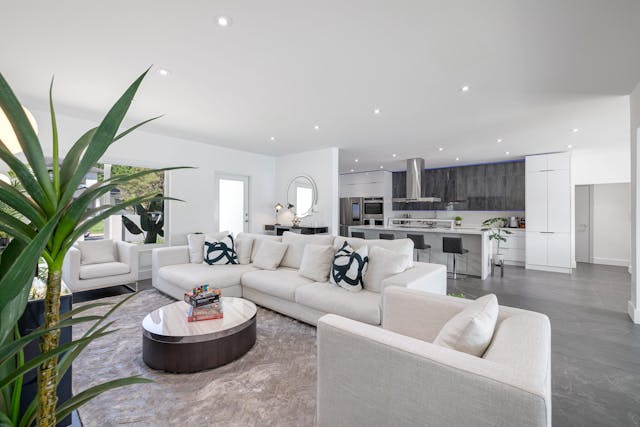
Remote workers often spend far more time inside their homes than previous renters did. Because of this, tenants are paying closer attention to layout, lighting, noise levels, internet reliability, and overall functionality.
Properties that may have once been viewed as simple sleeping spaces are now expected to function as both living and working environments..
More Demand for Larger Living Spaces
One of the biggest effects of remote work on housing demand is the growing interest in larger homes and more flexible floor plans.
Many renters now want:
- Extra bedrooms that can serve as home offices
- Dedicated workspace areas
- Separate living and working zones
- Outdoor areas for breaks and relaxation
- Additional storage space
In Riverside County communities where larger homes may be more available than in dense urban centers, this shift has helped increase interest in suburban and residential areas. Tenants working from home often value comfort and functionality more than simply minimizing commute distance.
Home Office Space Has Become a Major Selling Point
A dedicated workspace has become one of the most desirable rental features for remote workers. Tenants are increasingly searching for homes that include spare bedrooms, lofts, dens, or quiet areas suitable for office use.

Even small workspace features, such as built-in desks, strong lighting, or flexible room layouts, can make a property more attractive. For landlords, highlighting workspace potential in rental listings can help properties stand out more effectively to today’s renters.
Reliable Internet Access Matters More Than Ever
Internet quality has become one of the most important factors for many renters working remotely. Tenants who depend on video meetings, cloud-based software, or online collaboration tools often prioritize properties with strong internet infrastructure and reliable connectivity options.
While landlords may not directly provide internet service in every property, homes located in areas with dependable broadband access generally become more attractive to remote workers. Properties with weak connectivity or limited service availability may struggle to compete with better-equipped rentals.
Renters Are Spending More Time at Home
Remote work has increased the amount of time tenants spend inside their homes, which naturally affects housing preferences. Because renters are home more often, they tend to pay closer attention to:
- Noise levels
- Natural lighting
- Air conditioning and heating performance
- Storage space
- Kitchen functionality
- Outdoor living areas
- Property maintenance quality
Features that may have once seemed minor now have a larger impact on tenant satisfaction and lease renewal decisions. In warmer Southern California climates, patios, fenced yards, and shaded exterior areas have become especially attractive for tenants balancing work and personal time at home.
Suburban Areas Became More Attractive
Remote work has also contributed to increased interest in suburban communities where renters can often find more space and lower density compared to major urban centers. Many renters are now more open to living farther from traditional office hubs because they no longer commute daily.
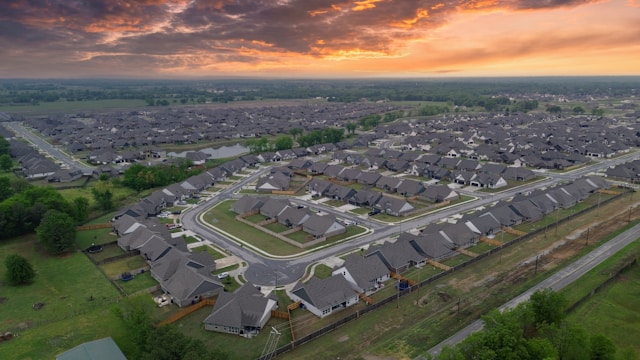
This has helped increase demand in many residential areas throughout Riverside County. Communities that offer larger homes, lower-density surroundings, and access to outdoor recreation have become especially appealing to remote workers seeking a practical balance between work and home life.
Flexibility Is Influencing Leasing Decisions
Remote workers often value flexibility more than traditional renters did in the past. Some tenants prioritize homes that can adapt to changing schedules, hybrid work arrangements, or multi-purpose living setups.
Flexible layouts and practical living spaces are becoming increasingly important when renters compare properties. Landlords who understand these evolving priorities are often better positioned to attract and retain long-term tenants.
Tenant Retention May Improve With Remote Workers
Many remote workers place a high value on stability once they find a home that supports both their work and lifestyle needs. Properties that offer comfort, workspace flexibility, reliable maintenance, and strong communication may encourage longer tenancy periods.
Tenants working remotely may also move less frequently because relocating can disrupt work routines and home office setups. For landlords, this can potentially reduce turnover and create more consistent occupancy over time.
Property Presentation Is Essential in Remote Leasing
Remote work has also increased the importance of online property marketing. Many renters now complete large portions of their housing search digitally before scheduling tours.
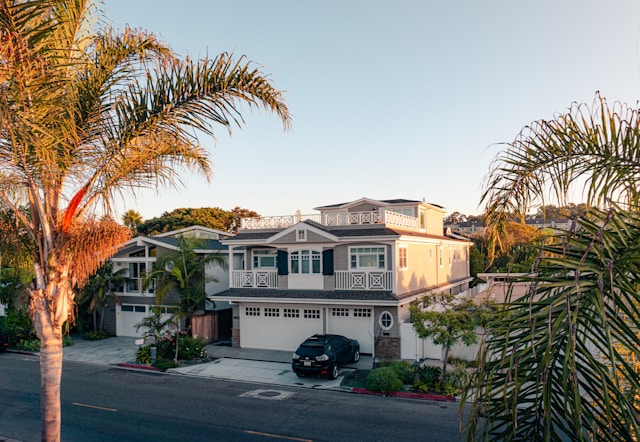
Professional listing photos, virtual tours, detailed descriptions, and clear information about internet availability or workspace potential can strongly influence renter interest. Properties that present well online are often more competitive in today’s rental market.
Challenges Landlords Should Still Consider
While remote work has created new rental opportunities, landlords should also understand the challenges associated with changing tenant expectations. Some renters may now expect more from the property itself because they spend more time there.
This can increase attention toward maintenance response times, comfort, and property condition. Higher utility usage, increased wear on appliances, and greater demand for reliable HVAC performance may also affect property operations over time.
How Property Management Can Help
The rental market continues evolving as remote work reshapes housing demand. Understanding what today’s tenants prioritize can help landlords position their properties more competitively.
A professional property management company can help identify upgrades and features that appeal to remote workers while also helping landlords market properties more effectively. Property managers also assist with tenant communication, maintenance coordination, pricing analysis, and long-term retention strategies.
Bottom Line
Remote work has changed what renters look for in a home. Space, comfort, flexibility, internet reliability, and home office potential have all become important factors influencing housing demand.
For landlords in Riverside County, staying aware of changing renter preferences can help improve occupancy and long-term property performance. If you want help managing your rental property and responding to changing market trends, a professional property manager can help you position your property more effectively in today’s evolving rental market.