Key Takeaways
- Prioritize amenities that match your property’s location and target renter instead of investing in upgrades that may not add meaningful value.
- Focus on practical improvements like parking, laundry, cooling, and storage that can make your rental more competitive in San Diego.
- Compare similar rental properties before starting major upgrades to help determine whether the investment aligns with local market expectations.
- Choose durable, low-maintenance features that can improve day-to-day functionality while helping reduce long-term upkeep.
At Uplift PM – San Diego County, we’ve seen San Diego renters consider more than a property’s size and monthly rent. Parking, utility costs, pet policies, cooling, and outdoor space can also influence their decisions.
Practical amenities often matter more than expensive extras, especially when they make daily life easier.
Before investing, consider the property, neighborhood, target tenant, cost, and maintenance requirements. The best upgrades increase renter appeal while providing a reasonable return.
1. Off-Street Parking with Room for the Future
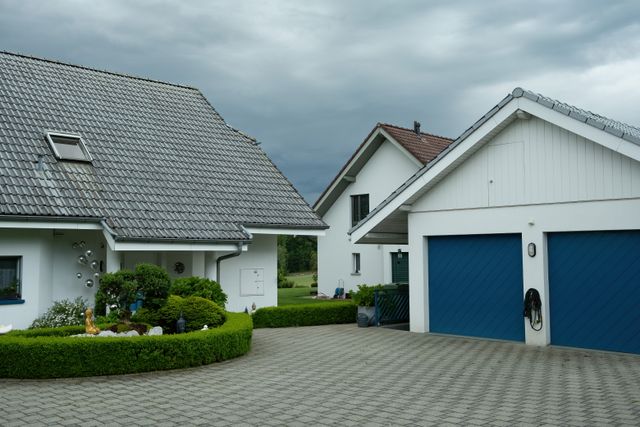
Dedicated parking can be a major advantage in North Park, Hillcrest, Pacific Beach, and parts of Downtown. Renters do not want to circle the neighborhood or worry about street restrictions after returning home.
A garage adds protection and storage, while assigned spaces reduce confusion in multifamily properties. Good lighting, visible space numbers, and secure access can make the parking arrangement even more useful.
Owners planning electrical improvements should also consider EV readiness. Installing conduit or sufficient electrical capacity during another project may cost less than retrofitting later. Even if chargers are not installed immediately, preparing the property can help it accommodate changing transportation needs.
2. Laundry Without the Weekly Errand
In-unit laundry saves tenants from waiting for shared machines, visiting a laundromat, or planning around laundry-room hours. For households with children, demanding jobs, or irregular schedules, that convenience can become a deciding factor.
Where individual machines are impractical, improve the shared facility with reliable equipment, electronic payment, folding space, ventilation, and adequate lighting. Establishing a prompt repair process also prevents one broken machine from disrupting the entire building.
For smaller homes, a stacked or compact washer-dryer unit can provide convenience without consuming much space. Owners should confirm that plumbing, electrical capacity, drainage, and ventilation can safely support the equipment.
3. Effective Cooling and Better Indoor Air
San Diego’s coastal reputation can make air conditioning seem optional, but temperatures vary across the region. Inland and older homes may become uncomfortable because of limited insulation, direct sun exposure, or poor airflow.
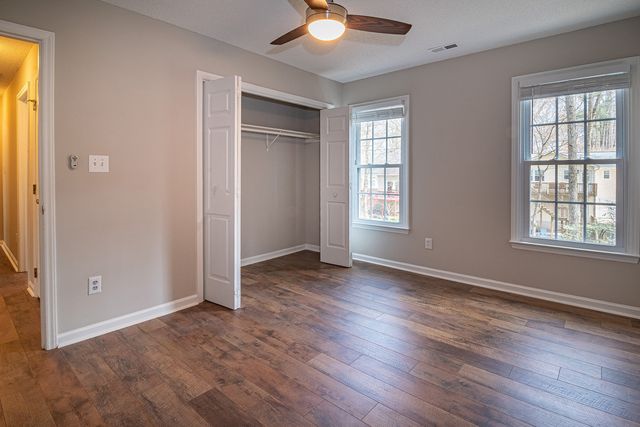
Dependable cooling, ceiling fans, window coverings, and programmable thermostats can improve comfort. Clean filters and proper ventilation are equally important. In homes without central air, an efficient ductless system may provide targeted cooling without requiring extensive construction.
Air filtration may also appeal to renters concerned about dust, allergies, or wildfire smoke. Combined with regular filter replacement and proper ventilation, it can contribute to a healthier and more comfortable home.
4. A Pet Policy Designed for Real Life
A strict no-pet rule can remove many otherwise qualified applicants. Pet-friendly housing appeals to a broad renter pool, particularly when the property offers suitable flooring, secure outdoor areas, or nearby routes.
A written policy can establish lawful screening procedures, occupancy limits, waste-removal expectations, and applicable deposits or fees. Assistance animals must be handled separately under fair housing requirements.
Durable flooring, secure fencing, an outdoor washing area, or a pet-relief space may attract renters while making the property easier to maintain. A practical setup can also reduce scratched surfaces, indoor accidents, and landscaping damage.
5. Private Outdoor Space that is Easy to Use
San Diego’s climate makes a balcony, patio, courtyard, or fenced yard particularly valuable. Even a small area can accommodate dining, reading, container gardening, or pets.
Shade, privacy screening, lighting, electrical outlets, and durable surfaces often matter more than elaborate landscaping. A defined seating area can help prospective tenants picture themselves using the space.
A shared courtyard or rooftop can provide similar appeal in multifamily buildings. Choose furnishings and plants that tolerate local conditions without creating excessive upkeep. Clearly stated hours and maintenance responsibilities can also reduce resident conflicts.
6. A Home that Supports Remote and Hybrid Work
A rental does not need a formal office. A quiet alcove, dining corner, or bedroom with sufficient outlets can become a productive workspace.
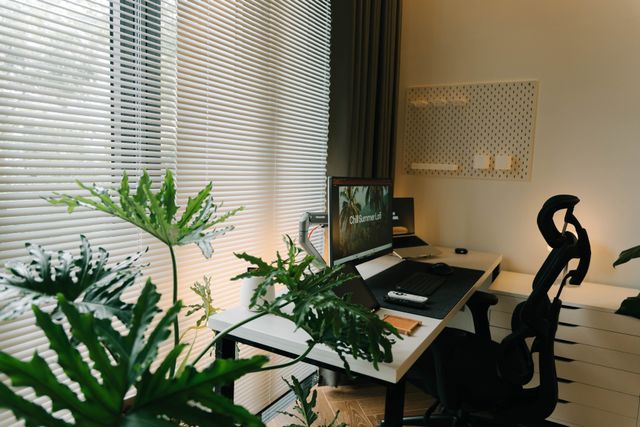
Confirm high-speed internet availability and mention it in the listing. Grounded outlets, USB charging points, task lighting, and shelving can also improve usability. Where practical, owners can stage an awkward corner with a small desk to demonstrate its potential.
In multifamily communities, a shared workspace with reliable Wi-Fi, comfortable seating, and a private room for calls may be more useful than a traditional business center. Secure access and clear reservation procedures can make the space easier for residents to share when working from home.
7. Storage for the San Diego Lifestyle
Storage is especially valuable for renters with bicycles, surfboards, camping equipment, luggage, or beach gear. These belongings can quickly consume closets and living areas in smaller homes.
A locking garage cabinet, storage room, bicycle rack, surfboard mount, or secured cage can free valuable space. Pantry shelves, closet organizers, and under-stair storage can also make a compact home more functional without changing its square footage.
Storage should be weather-resistant and protected from unauthorized access. Owners should also explain whether a storage space is included in the rent, assigned to a specific unit, or available for an additional fee.
8. A Kitchen Built for Daily Use
Renters may admire dramatic finishes, but they live with the kitchen’s functionality every day. Counter space, dependable appliances, lighting, ventilation, and storage often matter more than luxury materials.
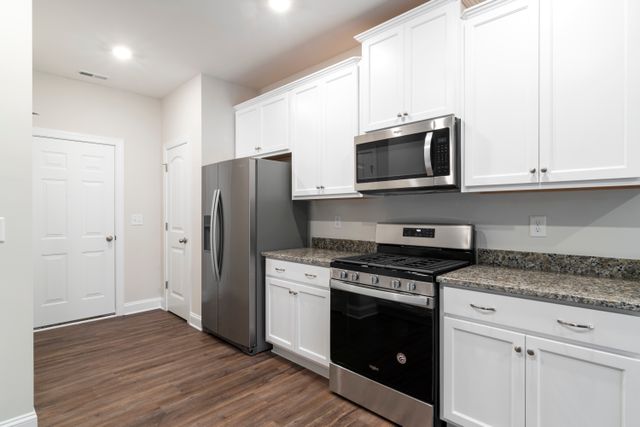
Updated cabinet hardware, an easy-to-clean backsplash, pantry shelving, or a new faucet can create a stronger impression without requiring a full remodel. Adding under-cabinet lighting or replacing a worn countertop may also improve usability.
When appliances need replacement, energy-efficient models may help tenants manage utility use. Durable flooring and surfaces can reduce turnover repairs, while consistent appliance finishes give the kitchen a more cohesive appearance.
Bottom Line
The most valuable amenities depend on the rental’s location and likely tenants. Downtown apartments may benefit from secure parking and cooling, while suburban homes may gain more from fenced yards and storage.
Compare similar rentals before upgrading to ensure the potential rent, leasing advantage, and useful life justify the cost.
Partner with an experienced San Diego property management team like Uplift PM – San Diego County to prioritize improvements, coordinate vendors, and strengthen your rental’s long-term performance. Contact us today to get started.
Frequently Asked Questions About the Top 8 Amenities Renters Can’t Resist in San Diego, CA
Which Rental Amenities Typically Offer the Best Return on Investment?
The best return often comes from amenities that improve everyday convenience rather than luxury upgrades. Features like off-street parking, in-unit laundry, functional storage, efficient cooling, and updated kitchens may help a property compete more effectively because they address common renter priorities.
Before investing, compare similar rental properties in your neighborhood to see which amenities are standard and which could help your property stand out. Your property’s age, location, condition, and target renter will all influence which improvements make the most financial sense.
How Should I Decide Which Amenities to Add First?
Start by evaluating your property’s location, layout, and the type of renters it typically attracts. For example, parking may be a higher priority in neighborhoods with limited street parking, while outdoor space or additional storage may carry more value in suburban areas.
Review competing rental listings, estimate installation and maintenance costs, and consider how long each improvement is likely to remain useful. Prioritizing durable upgrades that solve everyday challenges can help you make more informed investment decisions.
Are There California Laws I Should Consider Before Updating My Rental Property?
Yes. Certain improvements may require permits, inspections, or compliance with local building codes, depending on the scope of the project. If you are updating electrical systems for future EV charging, installing HVAC equipment, or modifying plumbing for laundry appliances, it’s important to verify applicable requirements before work begins.
Pet policies and requests involving assistance animals should also be handled in accordance with federal, California, and local fair housing requirements. When legal or code questions arise, consult qualified professionals before proceeding.
How Important Is Air Conditioning in the San Diego Rental Market?
The answer often depends on where your property is located. Coastal neighborhoods generally experience milder temperatures, while inland communities can see significantly warmer weather during parts of the year.
In some cases, ceiling fans, improved insulation, window coverings, and programmable thermostats may enhance comfort, while central or ductless air conditioning may be a worthwhile investment for properties exposed to higher heat.
Evaluating neighborhood expectations and comparable rentals can help determine whether cooling upgrades are appropriate.
Should I Allow Pets in My Rental Property?
Many rental property owners find that a well-defined pet policy can expand their pool of prospective applicants while establishing clear expectations. Consider using durable flooring, secure outdoor areas, and easy-to-clean materials that help simplify ongoing maintenance.
Your written policy should address topics such as permitted pets, property care expectations, and any applicable deposits or fees allowed by law. Because assistance animals are subject to different legal standards than pets, those situations should be evaluated separately under applicable fair housing requirements.
How Can a Property Management Company Help Prioritize Amenity Upgrades?
A property management company can provide market insight by identifying which amenities are commonly expected in your neighborhood and which upgrades may improve your property’s competitiveness. They may also coordinate vendor estimates, help develop maintenance plans, monitor local rental trends, and offer recommendations based on comparable properties.
Working with an experienced property manager can help owners make more informed decisions while balancing upfront costs, ongoing maintenance responsibilities, and long-term property performance.