Key Takeaways
- Routine inspections help identify safety concerns before they become costly problems.
- Security upgrades can deter break-ins and protect both residents and property.
- Preventive maintenance reduces the risk of accidents, property damage, and emergency repairs.
- Emergency preparedness helps minimize losses during unexpected events.
- Professional property management can help owners maintain a safer and more secure rental property.
Safety plays a significant role in the success of your rental business because damage, theft, accidents, and liability issues can lead to expensive repairs, insurance claims, vacancies, and lost rental income. A proactive approach to property safety helps owners avoid many of these costs while protecting the long-term value of your investment.
Safety also affects tenant satisfaction and retention. Residents are more likely to renew their leases when they feel secure in their homes and confident that the property is properly maintained. Landlords who prioritize safety are often better prepared to prevent common issues that can disrupt the resident experience.
Here at Uplift Property Management we understand the importance of maintaining the safety of your rental property, so we’ve compiled a list of important tips to help keep your home and investment safe.
Common Risks That Can Threaten Your Rental Property
Rental properties face a variety of safety and security risks. Identifying potential problems early will help landlords protect their investment, reduce liability, and provide a safer living environment for residents.
Some of the most common risks include:
- Break-Ins and Vandalism: Poor lighting, weak locks, and unsecured access points can make a property more vulnerable.
- Fire Hazards: Faulty wiring, damaged smoke detectors, neglected maintenance, and improper use of appliances can increase the risk of fires.
- Water Damage: Plumbing leaks, roof problems, clogged gutters, and appliance failures can lead to costly repairs and property damage.
- Natural Disasters and Severe Weather: San Diego and Temecula properties may be affected by extreme heat, high winds, storms, and wildfires, making preparation essential.
- Slip-And-Fall Accidents: Uneven walkways, damaged stairs, loose handrails, and inadequate lighting can create safety hazards and increase liability risks.
- Deferred Maintenance Issues: Small maintenance problems that are ignored often become larger, more expensive repairs that affect both safety and property value.
The good news is that many of these risks can be reduced through regular inspections, preventive maintenance, and proactive property management. The following tips can help keep your rental property safe while protecting your investment:
Conduct Regular Property Inspections
Property inspections are one of the most effective ways to identify safety concerns before they develop into larger problems. Small issues such as loose handrails, damaged walkways, leaking plumbing, or faulty smoke detectors can quickly become expensive repairs or liability risks if left unaddressed.
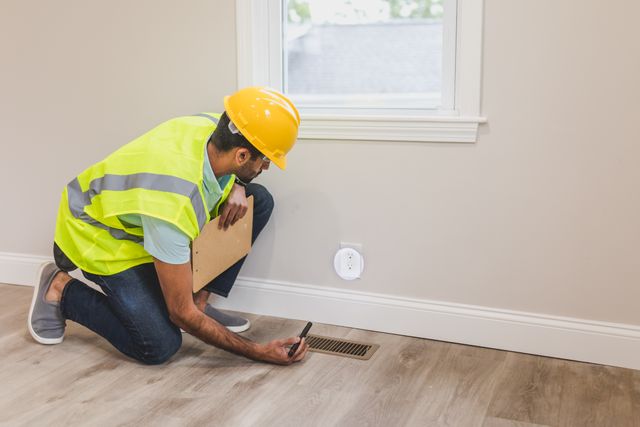
California rentals are held to specific safety standards, and routine inspections are one of the most reliable ways to stay ahead of them. Make sure to schedule inspections throughout the year and document any concerns that require attention.
Regular inspections also provide an opportunity to verify that residents are complying with lease terms and reporting maintenance issues promptly.
Upgrade Security Features
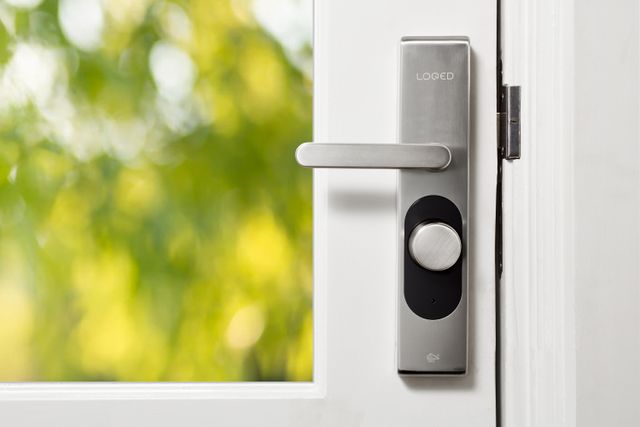
Visible security measures can help discourage criminal activity while providing residents with greater peace of mind. Even relatively simple upgrades can improve the overall security of a rental property.
Consider installing quality deadbolts, exterior lighting, secure window locks, motion-sensor lights, and other security features appropriate for the property. Well-lit entryways, parking areas, and common spaces can help reduce opportunities for unauthorized access and improve resident safety.
Keep Smoke and Carbon Monoxide Detectors Working Properly
Smoke alarms and carbon monoxide detectors are critical safety devices that should never be overlooked. These systems provide early warnings that can save lives and reduce property damage during emergencies.
Test detectors regularly, replace batteries as needed, and ensure all devices comply with applicable California requirements. This kind of routine upkeep is part of a broader set of annual landlord responsibilities that are easy to overlook but critical for protecting both residents and the property.
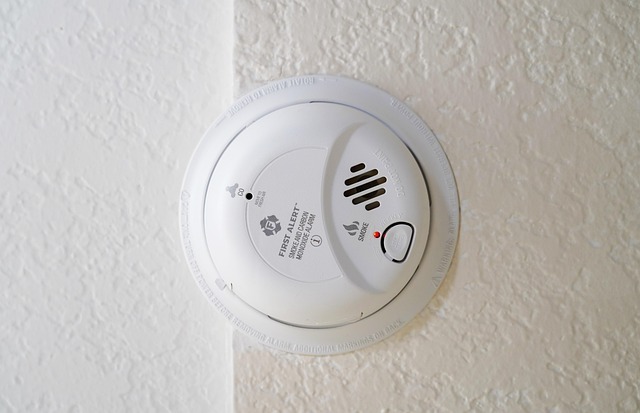
Routine testing also helps verify that these systems will function properly when they are needed most.
Address Maintenance Issues Promptly
Deferred maintenance often creates safety risks that extend beyond the original problem. A small roof leak can eventually lead to water damage, mold growth, and costly structural repairs. Damaged stairs, broken locks, or electrical issues can create additional hazards for residents.
Responding quickly to maintenance requests helps protect both the property and its occupants. Timely repairs can also improve tenant satisfaction and demonstrate a commitment to maintaining a safe living environment.
Develop an Emergency Preparedness Plan
Emergencies can occur without warning, making preparation essential for rental property owners. Natural disasters, severe storms, fires, utility failures, and other unexpected events can create significant challenges for both landlords and residents.
Provide residents with clear emergency contact information and establish procedures for reporting urgent maintenance issues. Having a plan in place can help minimize confusion and speed up response times during emergencies.
Protect Against Water Damage
Water damage remains one of the most common and costly threats to residential properties. Plumbing leaks, appliance failures, roof damage, and drainage issues can cause significant financial losses if they are not detected early.
Inspect plumbing systems regularly, monitor appliances that use water, clean gutters, and address leaks immediately. Preventive maintenance can significantly reduce the likelihood of major water-related repairs.
Maintain Trees and Landscaping
Landscaping contributes to curb appeal, but neglected trees and vegetation can create safety concerns. Overgrown branches may damage structures, block visibility, or become hazards during high winds and storms.
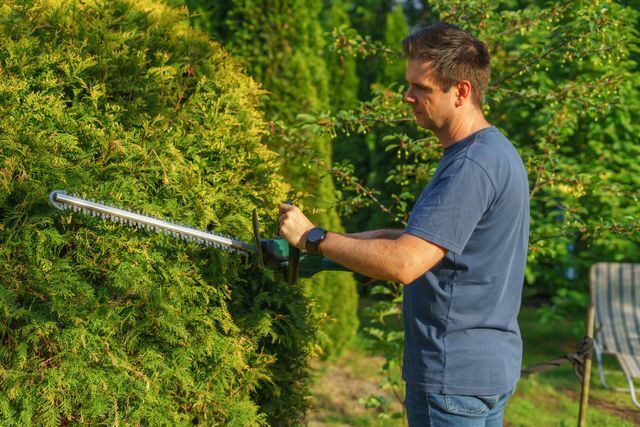
Regular trimming and maintenance help reduce these risks while keeping the property attractive and accessible. Proper landscaping can also improve visibility around entrances and discourage unwanted activity.
Educate Residents About Property Safety
Residents play an important role in maintaining a safe rental property. Clear communication can encourage them to report hazards promptly and follow safety guidelines designed to protect the property.
Provide information about emergency procedures, maintenance reporting processes, and any property-specific safety expectations. Encouraging residents to communicate concerns early can help prevent small issues from becoming larger problems.
Review Your Insurance Coverage Regularly
Insurance serves as an important layer of protection for rental property owners. As properties age and circumstances change, insurance needs may evolve as well.
Review your coverage periodically to ensure it remains appropriate for the property and its risks. Understanding what is covered can help owners make informed decisions and avoid unexpected gaps in protection.
Bottom Line
Keeping a rental property safe requires ongoing attention, preventive maintenance, and proactive planning. Taking steps to reduce risks today can help protect your investment, improve resident satisfaction, and support long-term profitability.
If you need help maintaining and protecting your rental property, contact Uplift Property Management. Our experienced team can help protect your investment while providing professional property management services tailored to your needs.