• Hiring a Property Manager vs. Self-Managing: What’s Better?

    Hiring a Property Manager vs. Self-Managing: What’s Better?

    Key Takeaways

    • Self-managing may save management fees, but it requires significant time and effort.
    • Property managers handle leasing, maintenance, rent collection, and tenant communication on behalf of owners.
    • Compliance with California rental laws is often easier with experienced management support.
    • Many landlords find that professional management delivers greater long-term value than self-management.

    Owning a rental property comes with an important decision: should you manage the property yourself or hire a professional property manager? Both approaches can be successful, and each offers its own advantages and challenges.

    The right choice often depends on your goals, available time, experience, and willingness to handle the day-to-day responsibilities of rental ownership.

    While some landlords prefer a hands-on approach, others find that professional management provides greater efficiency, better tenant experiences, and stronger long-term results.

    Before deciding which path is right for you, it is important to understand the pros and cons of each option. This article from Uplift PM – San Diego County will help you make that decision.

    What Does Self-Managing a Rental Property Involve?

    Self-management means the property owner is responsible for every aspect of the rental operation, from marketing vacancies and screening applicants to handling maintenance, inspections, and California compliance requirements.

    Some landlords enjoy having direct control over every decision. Self-management can also provide a deeper understanding of how the property operates and may allow owners to avoid paying management fees.

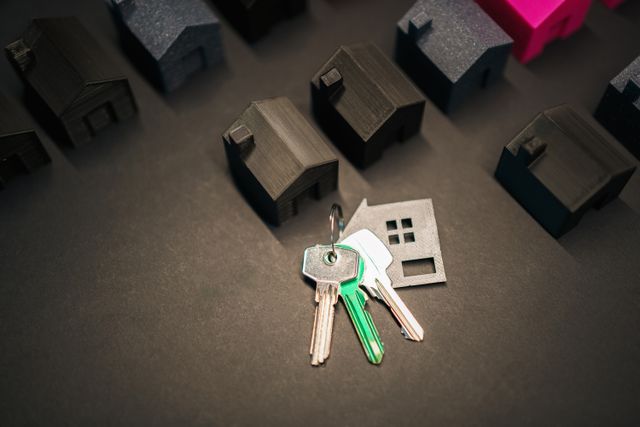
    a set of keys next to small house models

    However, managing a rental property is often more time-consuming than many new investors expect. Responsibilities can arise during evenings, weekends, holidays, and emergencies, making it difficult for some owners to maintain a healthy work-life balance.

    The Advantages of Self-Managing

    Greater Control Over Decisions

    Self-managing landlords maintain direct control over leasing decisions, maintenance approvals, vendor selection, and tenant communication.

    Some owners prefer being involved in every aspect of property operations. This level of involvement can be appealing for landlords who own a small number of properties and have the time to manage them effectively.

    Potential Savings on Management Fees

    One of the primary reasons landlords choose self-management is the opportunity to avoid professional management fees. Owners who handle all responsibilities themselves can potentially reduce operating expenses.

    While these savings may appear attractive, they should be weighed against the value of the time spent managing the property and the potential costs associated with mistakes, vacancies, or legal compliance issues.

    The Challenges of Self-Managing

    Time Commitment Can Be Significant

    Many landlords underestimate the amount of time required to manage a rental property successfully. Responding to maintenance requests, scheduling repairs, handling tenant communication, advertising vacancies, and processing applications all require consistent attention.

    The workload often increases as a rental portfolio grows.

    the aerial view of a neighborhood

    What may be manageable with one property can become overwhelming with multiple units, and the missteps that come with learning on the job can be far more expensive than many new landlords anticipate.

    Legal Compliance Responsibilities

    California rental laws continue to evolve, creating additional responsibilities for landlords. Owners must understand requirements related to fair housing, habitability standards, security deposits, notices, disclosures, and other legal obligations.

    Failure to comply with these regulations can create costly legal issues. Landlords who self-manage are responsible for staying informed and implementing changes when laws are updated.

    Emergency Response Requirements

    Rental properties do not operate on a standard business schedule. Plumbing leaks, HVAC failures, lockouts, and other emergencies can occur at any time.

    Self-managing landlords must be prepared to respond quickly when urgent situations arise. This level of availability can become challenging for owners with demanding careers, family obligations, or properties located far from where they live.

    The Advantages of Hiring a Property Manager

    Professional Tenant Screening

    Finding the right tenant is one of the most important factors in the success of a rental property. Professional property managers use established screening processes designed to evaluate applicants consistently and thoroughly.

    Strong screening practices can help reduce the likelihood of late payments, lease violations, property damage, and costly evictions. Selecting qualified tenants from the start often leads to a smoother rental experience.

    More Efficient Leasing and Marketing

    Vacancies can significantly impact profitability.

    a person holding a wooden house model

    Property managers understand how to market rental properties effectively, conduct showings, respond to inquiries, and move qualified applicants through the leasing process. Their experience often helps reduce vacancy periods while attracting tenants who are a good fit for the property.

    Access to Maintenance Resources

    Maintenance coordination is one of the most time-consuming aspects of rental ownership.

    Property managers often maintain relationships with trusted vendors and contractors, making it easier to schedule repairs and address maintenance concerns efficiently. This network can help protect the property while improving the tenant experience.

    Better Tenant Relationships

    Professional management companies create systems for communication, maintenance requests, inspections, lease enforcement, and tenant support. Consistency in these areas often leads to greater tenant satisfaction.

    Happy tenants are more likely to renew their leases, reducing turnover costs and helping maintain stable rental income.

    Reduced Stress for Property Owners

    Many landlords in San Diego hire property managers because they want the benefits of owning rental property without handling every operational responsibility themselves.

    Property management allows owners to focus on growing their investments or other priorities while experienced professionals oversee the daily operations of the property.

    Why Professional Property Management Often Delivers Greater Value

    Some landlords focus primarily on the cost of hiring a property manager. However, the better question is often whether professional management creates value that exceeds its cost.

    Reduced vacancies, stronger tenant retention, efficient maintenance coordination, legal compliance support, and professional oversight can contribute to better financial performance over time.

    Bottom Line

    Both self-management and professional property management can work, but the right choice depends on your goals, availability, and experience. Many landlords find that hiring a property manager provides greater efficiency, stronger tenant relationships, and more time to focus on other priorities.

    If you’re looking for professional property management services in San Diego County, Temecula, or surrounding communities, contact Uplift PM – San Diego County to learn how our team can help protect your investment and maximize its potential.

  • 9 Landlord Tips to Have Better Relationships with Your San Diego, CA, Tenants

    9 Landlord Tips to Have Better Relationships with Your San Diego, CA, Tenants

    Key Takeaways

    • Strong landlord-tenant relationships can improve tenant retention and reduce turnover costs.
    • Clear communication helps prevent misunderstandings and resolve concerns more efficiently.
    • Prompt maintenance responses demonstrate professionalism and build trust.
    • Respecting tenants and treating them fairly encourages long-term cooperation.

    Aside from a seamless rental process, a successful rental business can also depend on how you treat your tenants. The relationship you build with your renters can have a direct impact on tenant retention, property condition, vacancy rates, and your overall return on investment.

    Tenants who feel respected and valued are often more likely to renew their leases, communicate concerns early, and take better care of the property. Good relationships can also reduce conflicts and create a smoother rental experience for both landlords and residents.

    If you’re looking to strengthen tenant satisfaction and encourage longer tenancies, these practical tips from Uplift PM – San Diego County can help.

    Start the Relationship with Clear Expectations

    Many landlord-tenant disputes can be traced back to misunderstandings that occurred at the beginning of the tenancy. Taking time to explain lease terms, maintenance procedures, payment policies, and property rules helps establish a strong foundation from the start.

    During move-in, make sure tenants understand how to submit maintenance requests, who to contact during emergencies, and what their responsibilities are under the lease agreement.

    three people talking

    Setting those expectations clearly from day one can prevent a significant portion of the disputes and miscommunications that arise later in a tenancy.

    Communicate Consistently and Professionally

    Good communication is one of the most important factors in building trust with tenants. Residents should feel comfortable reaching out with questions or concerns and confident that they will receive a timely response.

    Even when a problem cannot be resolved immediately, acknowledging the concern and providing updates can go a long way. Consistent communication helps prevent frustration and demonstrates that you take tenant concerns seriously.

    Respond to Maintenance Requests Promptly

    Maintenance issues can significantly influence how tenants view their landlord. Delayed responses may create frustration and cause residents to feel that their concerns are not a priority.

    Addressing maintenance requests promptly helps protect the property while improving tenant satisfaction. Quick action also prevents many small problems from turning into larger and more expensive repairs.

    Tenants often remember how maintenance concerns are handled long after the issue itself has been resolved.

    Respect Your Tenants’ Privacy

    Although landlords have a legal right to access their property under certain circumstances, tenants also have the right to enjoy their home without unnecessary interruptions.

    Providing proper notice before entering the property and scheduling visits at reasonable times demonstrates respect and professionalism. Tenants who feel their privacy is respected are often more comfortable communicating openly and maintaining a positive relationship with their landlord.

    Conduct Regular Check-Ins

    Many landlord-tenant interactions occur only when rent is due, or a problem arises. Regular check-ins provide an opportunity to maintain communication and identify concerns before they become larger issues.

    a person talking on the phone

    A brief message or periodic conversation can help uncover maintenance needs, answer questions, and show tenants that you care about their living experience. These interactions often strengthen relationships and improve tenant satisfaction.

    Be Fair and Consistent with Policies

    Tenants are more likely to respect property rules when they see that those rules are applied fairly and consistently. Inconsistent enforcement can lead to confusion, complaints, and strained relationships.

    Apply lease terms, maintenance procedures, and property policies equally to all tenants. Consistency helps build credibility and demonstrates that decisions are based on established standards rather than personal preferences.

    Invest in Improvements that Enhance Daily Living

    Tenants appreciate landlords who continue to maintain and improve the property in San Diego. While major renovations are not always necessary, thoughtful upgrades can make a significant difference in tenant satisfaction.

    Features such as updated lighting, modern appliances, smart home technology, improved outdoor spaces, or additional storage can enhance the resident experience. Property improvements show tenants that you are committed to maintaining a comfortable and desirable place to live, which is one of the most reliable ways to attract and keep long-term tenants.

    Make it Easy for Tenants to Report Concerns

    Small problems often become larger issues when tenants are unsure how to report them or believe their concerns will be ignored. Creating a simple process for communication encourages residents to speak up before minor issues escalate.

    a person sitting at their desk and using a laptop

    Provide clear instructions for submitting maintenance requests and reporting property concerns. When tenants know how to reach you and feel comfortable doing so, issues can often be resolved faster and more efficiently.

    Screen Tenants Carefully from the Start

    Building strong landlord-tenant relationships often begins before a lease is signed. Selecting qualified tenants who meet your screening criteria increases the likelihood of a positive rental experience for both parties.

    Comprehensive tenant screening helps identify applicants who are more likely to pay rent on time, communicate responsibly, and comply with lease terms. Starting with the right tenant can make relationship-building significantly easier throughout the tenancy.

    Why Landlords Should Work with Professional Property Management

    Maintaining positive tenant relationships requires time, consistency, and responsiveness. Landlords must balance communication, maintenance coordination, inspections, lease enforcement, and numerous other responsibilities while ensuring tenants receive a high level of service.

    Professional property management companies help create a positive resident experience through clear communication, prompt maintenance responses, fair policy enforcement, and proactive management practices.

    These systems allow landlords in California to deliver a more consistent experience while reducing the day-to-day workload of managing a rental property.

    This consistency often leads to higher tenant retention. Residents are more likely to renew their leases when concerns are addressed promptly, expectations are clearly communicated, and the property is professionally maintained.

    a person holding a decorated wooden house model

    Longer tenancies can reduce vacancy periods, turnover costs, and leasing expenses, helping support stronger long-term investment performance.

    Bottom Line

    Strong tenant relationships can lead to longer tenancies, fewer disputes, and a more successful rental investment.

    If you need help managing tenant communication, maintenance, leasing, and day-to-day operations, contact Uplift PM – San Diego County. Our experienced team helps San Diego property owners create positive rental experiences while protecting the long-term value of their investments.

  • Tips to Keep Your Home (and Investment) Safe

    Tips to Keep Your Home (and Investment) Safe

    Key Takeaways

    • Routine inspections help identify safety concerns before they become costly problems.
    • Security upgrades can deter break-ins and protect both residents and property.
    • Preventive maintenance reduces the risk of accidents, property damage, and emergency repairs.
    • Emergency preparedness helps minimize losses during unexpected events.
    • Professional property management can help owners maintain a safer and more secure rental property.

    Safety plays a significant role in the success of your rental business because damage, theft, accidents, and liability issues can lead to expensive repairs, insurance claims, vacancies, and lost rental income. A proactive approach to property safety helps owners avoid many of these costs while protecting the long-term value of your investment.

    Safety also affects tenant satisfaction and retention. Residents are more likely to renew their leases when they feel secure in their homes and confident that the property is properly maintained. Landlords who prioritize safety are often better prepared to prevent common issues that can disrupt the resident experience.

    Here at Uplift Property Management we understand the importance of maintaining the safety of your rental property, so we’ve compiled a list of important tips to help keep your home and investment safe.

    Common Risks That Can Threaten Your Rental Property

    Rental properties face a variety of safety and security risks. Identifying potential problems early will help landlords protect their investment, reduce liability, and provide a safer living environment for residents. 

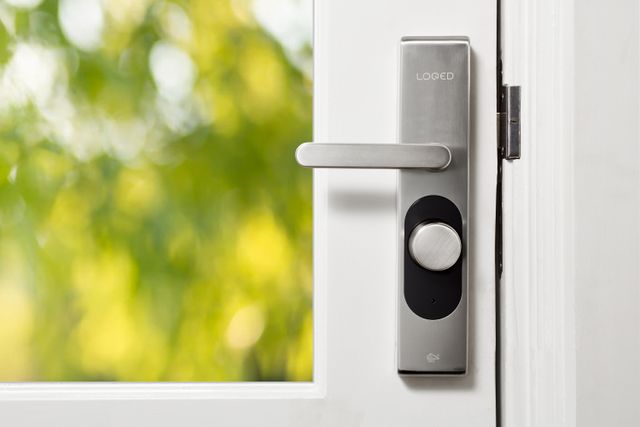
    an advanced door locking system

    Some of the most common risks include:

    • Break-Ins and Vandalism: Poor lighting, weak locks, and unsecured access points can make a property more vulnerable.
    • Fire Hazards: Faulty wiring, damaged smoke detectors, neglected maintenance, and improper use of appliances can increase the risk of fires.
    • Water Damage: Plumbing leaks, roof problems, clogged gutters, and appliance failures can lead to costly repairs and property damage.
    • Natural Disasters and Severe Weather: San Diego and Temecula properties may be affected by extreme heat, high winds, storms, and wildfires, making preparation essential.
    • Slip-And-Fall Accidents: Uneven walkways, damaged stairs, loose handrails, and inadequate lighting can create safety hazards and increase liability risks.
    • Deferred Maintenance Issues: Small maintenance problems that are ignored often become larger, more expensive repairs that affect both safety and property value.

    The good news is that many of these risks can be reduced through regular inspections, preventive maintenance, and proactive property management. The following tips can help keep your rental property safe while protecting your investment:

    Conduct Regular Property Inspections

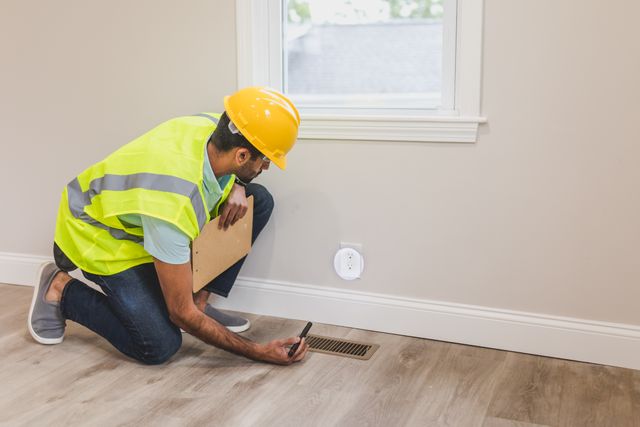
    Property inspections are one of the most effective ways to identify safety concerns before they develop into larger problems. Small issues such as loose handrails, damaged walkways, leaking plumbing, or faulty smoke detectors can quickly become expensive repairs or liability risks if left unaddressed. 

    home inspector checking vents

    California rentals are held to specific safety standards, and routine inspections are one of the most reliable ways to stay ahead of them. Make sure to schedule inspections throughout the year and document any concerns that require attention.

    Regular inspections also provide an opportunity to verify that residents are complying with lease terms and reporting maintenance issues promptly.

    Upgrade Security Features

    Visible security measures can help discourage criminal activity while providing residents with greater peace of mind. Even relatively simple upgrades can improve the overall security of a rental property.

    Consider installing quality deadbolts, exterior lighting, secure window locks, motion-sensor lights, and other security features appropriate for the property. Well-lit entryways, parking areas, and common spaces can help reduce opportunities for unauthorized access and improve resident safety.

    Keep Smoke and Carbon Monoxide Detectors Working Properly

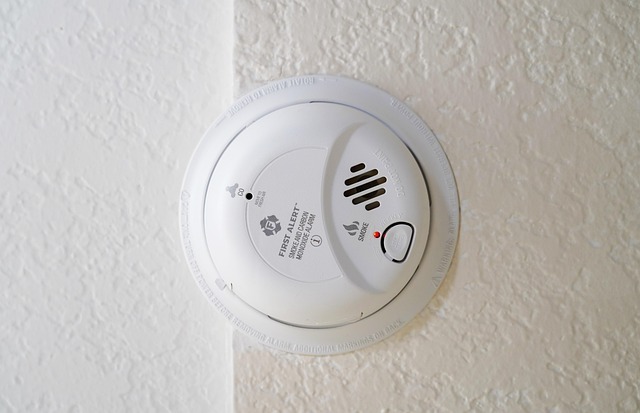
    Smoke alarms and carbon monoxide detectors are critical safety devices that should never be overlooked. These systems provide early warnings that can save lives and reduce property damage during emergencies.

    Test detectors regularly, replace batteries as needed, and ensure all devices comply with applicable California requirements. This kind of routine upkeep is part of a broader set of annual landlord responsibilities that are easy to overlook but critical for protecting both residents and the property. 

    home inspector checking vents

    Routine testing also helps verify that these systems will function properly when they are needed most.

    Address Maintenance Issues Promptly

    Deferred maintenance often creates safety risks that extend beyond the original problem. A small roof leak can eventually lead to water damage, mold growth, and costly structural repairs. Damaged stairs, broken locks, or electrical issues can create additional hazards for residents.

    Responding quickly to maintenance requests helps protect both the property and its occupants. Timely repairs can also improve tenant satisfaction and demonstrate a commitment to maintaining a safe living environment.

    Develop an Emergency Preparedness Plan

    Emergencies can occur without warning, making preparation essential for rental property owners. Natural disasters, severe storms, fires, utility failures, and other unexpected events can create significant challenges for both landlords and residents.

    Provide residents with clear emergency contact information and establish procedures for reporting urgent maintenance issues. Having a plan in place can help minimize confusion and speed up response times during emergencies.

    Protect Against Water Damage

    Water damage remains one of the most common and costly threats to residential properties. Plumbing leaks, appliance failures, roof damage, and drainage issues can cause significant financial losses if they are not detected early.

    Inspect plumbing systems regularly, monitor appliances that use water, clean gutters, and address leaks immediately. Preventive maintenance can significantly reduce the likelihood of major water-related repairs.

    Maintain Trees and Landscaping

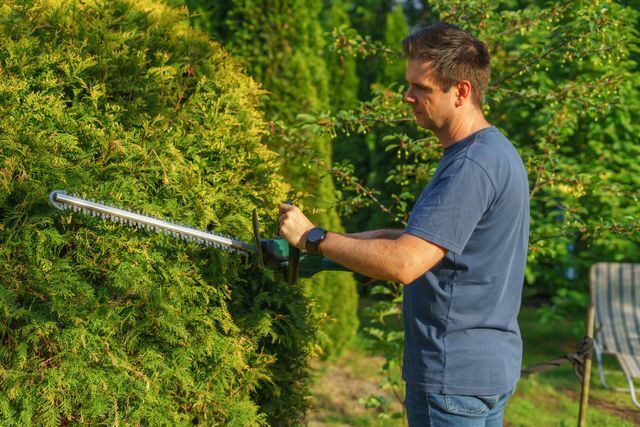
    Landscaping contributes to curb appeal, but neglected trees and vegetation can create safety concerns. Overgrown branches may damage structures, block visibility, or become hazards during high winds and storms.

    person trimming a tree

    Regular trimming and maintenance help reduce these risks while keeping the property attractive and accessible. Proper landscaping can also improve visibility around entrances and discourage unwanted activity.

    Educate Residents About Property Safety

    Residents play an important role in maintaining a safe rental property. Clear communication can encourage them to report hazards promptly and follow safety guidelines designed to protect the property.

    Provide information about emergency procedures, maintenance reporting processes, and any property-specific safety expectations. Encouraging residents to communicate concerns early can help prevent small issues from becoming larger problems.

    Review Your Insurance Coverage Regularly

    Insurance serves as an important layer of protection for rental property owners. As properties age and circumstances change, insurance needs may evolve as well.

    Review your coverage periodically to ensure it remains appropriate for the property and its risks. Understanding what is covered can help owners make informed decisions and avoid unexpected gaps in protection.

    Bottom Line 

    Keeping a rental property safe requires ongoing attention, preventive maintenance, and proactive planning. Taking steps to reduce risks today can help protect your investment, improve resident satisfaction, and support long-term profitability. 

    If you need help maintaining and protecting your rental property, contact Uplift Property Management. Our experienced team can help protect your investment while providing professional property management services tailored to your needs.

  • Solar Panels & Rental Properties: Who Pays The Electric Bill?

    Solar Panels & Rental Properties: Who Pays The Electric Bill?

    Own a rental property with solar panels?

    You’re not alone if you’re confused about who should pay the electric bill, whether the SDGE account should stay in your name, or whether you can charge tenants for your solar lease payment.

    The good news is that most solar situations can be solved with one of three simple billing strategies. The right solution depends on how your solar system was purchased and a few personal preferences as an owner.

    No matter what type of solar system you have, our recommendations ultimately lead to one of three billing structures.

    Option 1: Keep SDGE In The Owner’s Name & Bill The Tenant For Usage

    Under this approach, the SDGE account remains in the owner’s name. The owner pays the utility bill, and the tenant reimburses the actual cost of electricity each month through their tenant ledger.

    This option is often the best choice when the solar agreement is tied directly to the owner and transferring responsibility could create complications.

    Option 2: Tenant Opens Their Own SDGE Account

    Under this approach, the tenant establishes their own SDGE account and pays their electric bill directly.

    This is typically the simplest arrangement because tenants are responsible for their own usage and owners don’t have to manage monthly utility billing.

    Option 3: Keep SDGE In The Owner’s Name & Charge A Flat Monthly Fee

    Under this approach, the owner keeps the SDGE account in their name and includes a fixed monthly electricity charge in the lease.

    This provides predictable costs for tenants and minimizes monthly billing adjustments. The flat fee can be reviewed and adjusted at lease renewal based on actual utility expenses.

    Our recommendation depends on how you answering the questions seen in the flowchart below. First identify how you purchased your solar panels. 

    1. Power Purchase Agreement (PPA)
    2. Leased or Financed System
    3. Purchased Outright

    Power Purchase Agreement (PPA)

    With a PPA, the solar company owns the panels and sells you the electricity they generate. With a PPA, we recommend to keep the SDGE account in the owner’s name and bill the tenant for actual electricity usage. Because the solar agreement is tied directly to the owner, this is typically the cleanest and least disruptive solution.

    Leased or Financed System

    With a leased solar system, we have two different recommendations dependent on if the owner plans to move back into the property. 

    If the answer is yes, the owner plans to move back into the property, we generally recommend maintaining continuity by keeping the utility account in your name.This guarantees you will not disrupt your Net Metering Agreement. So you will keep the SDGE account in the owner’s name and bill the tenant for actual electricity usage.

    If the answer is no and the property will remain a long-term rental, we recommend that the tenant establish their own SDGE account and pay SDGE directly.

    Purchased Outright

    If you own the solar system outright, you have the most flexibility. The tenants can establish their own SDGE account and pay SDGE directly. Or if you’d rather prioritize simplicity and predictable billing, you can keep the SDGE account in your name and charge a flat monthly electricity fee. If precise cost coverage is important to you, we recommend the tenants pay SDGE directly. If it’s not, the flat fee option can work for you.

    A common follow-up question we hear is “Can I charge my tenant for the cost of my solar lease or solar financing payment in addition to their electricity usage?”

    The short answer is yes. As long as the charge is clearly disclosed in your property marketing and properly documented in the lease agreement, owners can generally recover the cost of a solar lease or solar financing payment from tenants.

    However, just because you can charge for it doesn’t necessarily mean you should. Prospective tenants typically compare multiple rental properties at the same time. When they see a monthly solar lease charge, and responsibility for electricity costs, some may perceive the property as more expensive than competing rentals and choose not to apply.

    On the other hand, some renters are perfectly comfortable paying a solar-related fee if they believe the system will reduce their overall utility costs and help stabilize electricity expenses throughout the year.

    Ultimately, this becomes a business decision rather than a legal one.

    Owners who choose to pass through the cost of a solar lease may recover some or all of that expense each month, but they should also be prepared for the possibility of fewer inquiries, fewer applications, or a longer vacancy period.

    Our recommendation is simple: if you decide to charge tenants for a solar lease or solar financing payment, make sure it is clearly disclosed in your marketing, discussed before lease signing, and specifically addressed in the lease agreement.

    There is no single “correct” way to handle solar billing at a rental property.

    The best solution depends on:

    • How your solar system was purchased
    • Whether you plan to return to the property
    • How much administrative involvement you want
    • Whether you prioritize simplicity or precise cost recovery

    Fortunately, most owners fit neatly into one of the three billing structures outlined above.

    If you’re unsure which category applies to your property—or you’d like help determining the best approach for your specific situation—our team can review your solar agreement, explain your options, and help implement a billing structure that works for both you and your future tenants.

    Have questions about solar panels on your rental property? Contact Uplift Property Management and we’ll help you navigate the options.

  • How Does Hiring a Property Manager Work?

    How Does Hiring a Property Manager Work?

    If you own a rental property in San Diego, there’s a good chance you’ve asked yourself this question more than once, usually right after a tenant calls you about a leaking faucet at 10 p.m. As the team behind Uplift Property Management, we’ve been helping property owners across San Diego County since 2013, and “how does this actually work?” is one of the most common questions we hear from owners before they sign on with us.

    The short answer is that hiring a property manager is a lot less complicated, and a lot less scary, than most owners expect. In this post, we’ll walk through exactly what happens from your first phone call to the day we hand you your first owner statement, share a real story about an owner whose life changed after handing over the keys, and clear up a couple of misconceptions that keep people from making the switch sooner.

    What Hiring a Property Manager Actually Looks Like

    A lot of owners picture “hiring a property manager” as some kind of complicated handoff involving stacks of paperwork and weeks of back-and-forth. In reality, it’s a process, and a good property management company should be able to walk you through every step of it before you ever sign anything.

    Here’s how it works at Uplift, broken into four stages.

    Step 1: The Alignment Call

    This is the first real conversation. You’ll hop on a call with one of our property management experts, and honestly, this step is as much about us listening to you as it is about us explaining what we do.

    During this call, we typically cover:

    • Your property portfolio and what you currently own
    • Any pain points you’re dealing with right now (late-night tenant calls, vacancy issues, maintenance headaches, etc.)
    • A review of your property’s current performance and metrics
    • Your goals, whether that’s maximizing income, minimizing your time investment, or both
    • An overview of our services so you know exactly what’s included
    • Clear expectations on both sides

    By the end of this call, we’ll either schedule an in-person visit to your property or send over our Property Management Agreement (PMA) for you to review, depending on where you’re at.

    Step 2: The Property Consultation

    Next, one of our property management experts walks your property in person. This isn’t a quick drive-by. We’re looking at the condition of the property, talking through any upgrades that could increase your rent or reduce future maintenance costs, and comparing your property to similar rentals in the area through a free rental analysis so you know exactly where you stand in the market.

    This step includes:

    • A full property inspection
    • A rental analysis based on current local comps
    • Honest advice on repairs or improvements worth making
    • A review of our pricing and services
    • A review of the management contract

    If everything feels right, this is often where the contract gets signed and the PMA is sent over.

    Step 3: Reviewing and Signing the Agreement

    This step is exactly what it sounds like, but it’s worth slowing down here. You’ll have time to read through the agreement, ask us any questions you have (and you should ask questions), and sign when you’re comfortable. We’d much rather spend an extra 20 minutes on a phone call explaining a clause than have an owner sign something they’re unsure about.

    Once the agreement is signed, the onboarding process officially begins.

    Step 4: New Client Onboarding

    This is where you officially become part of the Uplift family, and where you’ll meet the property manager who’ll be your point of contact going forward. Onboarding typically includes:

    • An onboarding survey so we understand your preferences and priorities
    • A formal hand-off email introducing your dedicated property manager
    • An introductory call
    • A meeting with our onboarding specialist to walk through systems, portals, and what to expect
    • A property walk-through if the unit is vacant
    • “Make ready” work if the property needs anything done before a tenant moves in
    • Marketing and renting the property if it’s vacant
    • Your first owner statement
    • Access to what we call Owner University, our resource library for owners

    From there, we move into the day-to-day: tenant placement, rent collection, maintenance coordination, financial reporting, and renewals. But the heavy lifting on your end is really concentrated in those first four steps.

    A Real Example: What Changes When You Hand Off the Keys

    I want to share a story that’s pretty representative of what we see all the time.

    We had an owner come to us who had been self-managing their property for years. On paper, it sounded manageable. In reality, it was consuming their entire life. Tenant requests came in at all hours, day or night, and there was no real boundary between their personal life and their role as a landlord. They were exhausted.

    After they hired us, the difference was immediate. They’ve told us they no longer have to worry about anything related to the property. No more late-night calls, no more chasing down contractors, no more wondering if rent will show up on time. They’ve described our team as professional and consistently on top of things, and honestly, hearing that kind of relief in an owner’s voice is exactly why we do this.

    That’s the part of “how hiring a property manager works” that doesn’t show up in a process diagram. The process gets your property managed correctly. The result is that you get your time and headspace back.

    Common Misconceptions About Hiring a Property Manager

    After more than a decade in this business, we hear the same two concerns over and over from owners who are on the fence. Both of them are worth addressing directly.

    “I’ll Lose Control Over My Own Property”

    This is probably the number one hesitation we hear, and it makes sense. You’ve owned this property, maybe for years, and the idea of someone else making decisions about it can feel uncomfortable.

    Here’s the reality: hiring a property manager doesn’t mean you disappear from the picture. At Uplift, we keep owners in the loop every step of the way, and we tailor that communication to what each owner actually wants. Some owners want to be looped in on every maintenance request over $100. Others just want a monthly statement and to be left alone unless something major comes up. Both are completely fine. The point is that you set the level of involvement, and we work within it.

    “Property Management Is Too Expensive”

    This is the other big one, and it’s usually based on looking at the management fee in isolation without weighing it against everything it actually covers, plus the cost of what you’re currently doing yourself.

    When you’re self-managing, your time has value, even if you’re not writing yourself a check for it. Late-night calls, weekend showings, chasing down vendors, staying current on landlord-tenant law, all of that is a cost, even if it doesn’t show up on a spreadsheet. When you factor in tenant screening that reduces costly turnover, maintenance relationships that often get you better pricing than you’d get on your own, and the simple fact that your property is being actively managed instead of reactively managed, the math tends to look very different than owners expect.

    Is It Time to Hand Off the Stress?

    If you’re an owner who’s tired of being on call 24/7 for your rental property, or if you’ve worked with a property manager before and it didn’t go the way you hoped, the process of hiring a property manager really comes down to four straightforward steps: a conversation, a property visit, a contract review, and onboarding.

    If you’d like to talk through what this would look like for your specific property, we’d be glad to walk you through it. Book a free consultation with Uplift Property Management and let’s see what handing off the stress could look like for you.

  • Working From Home: The Powerful Effects on Housing Demand

    Working From Home: The Powerful Effects on Housing Demand

    Key Takeaways

    • Remote work changed renter priorities: Many tenants now value space, flexibility, comfort, and home features that support working from home.
    • Workspace and internet access matter: Spare rooms, quiet areas, strong lighting, and reliable connectivity can make a rental more competitive.
    • Presentation is more important online: Detailed listings, clear photos, and workspace details help renters judge whether a home fits remote or hybrid work.
    • Management still matters: Maintenance, communication, and pricing strategy can help landlords adapt to changing renter expectations.

    Remote work has changed the way many people choose where and how they live. What began as a temporary shift for many businesses has evolved into a longer-term remote-work trend across many industries.

    As more employees continue working remotely full-time or in hybrid arrangements, housing preferences have also changed. Renters are no longer focused only on commute times or proximity to office buildings. Many are prioritizing space, flexibility, comfort, and home features that support working remotely.

    In areas throughout Riverside County, where remote and hybrid work arrangements have become increasingly common, these changes have influenced rental demand patterns, tenant priorities, and the types of properties renters are actively searching for.

    Uplift Property Management has put together this article to go over the new dynamic landscape of houses also being workspaces.

    Remote Work Changed What Renters Prioritize

    Before remote work became widespread, many renters prioritized living close to employment centers to reduce commuting time. Now, for many households, daily commutes are less important than having a home that supports productivity and comfort.

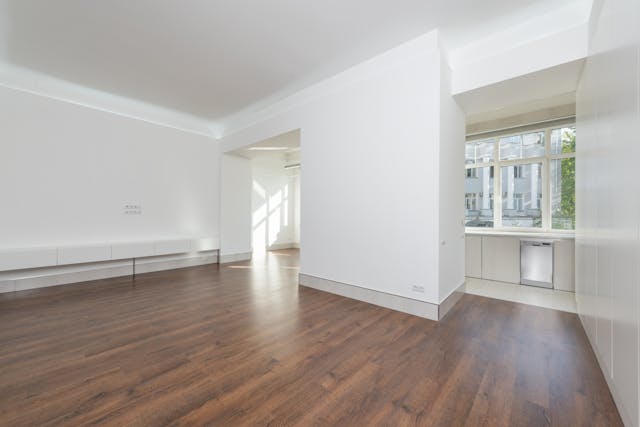
    Nice modern apartment interior

    Remote workers often spend far more time inside their homes than previous renters did. Because of this, tenants are paying closer attention to layout, lighting, noise levels, internet reliability, and overall functionality.

    Properties that may have once been viewed as simple sleeping spaces are now expected to function as both living and working environments..

    More Demand for Larger Living Spaces

    One of the biggest effects of remote work on housing demand is the growing interest in larger homes and more flexible floor plans.

    Many renters now want:

    • Extra bedrooms that can serve as home offices
    • Dedicated workspace areas
    • Separate living and working zones
    • Outdoor areas for breaks and relaxation
    • Additional storage space

    In Riverside County communities where larger homes may be more available than in dense urban centers, this shift has helped increase interest in suburban and residential areas. Tenants working from home often value comfort and functionality more than simply minimizing commute distance.

    Home Office Space Has Become a Major Selling Point

    A dedicated workspace has become one of the most desirable rental features for remote workers. Tenants are increasingly searching for homes that include spare bedrooms, lofts, dens, or quiet areas suitable for office use.

    A person working in their home office

    Even small workspace features, such as built-in desks, strong lighting, or flexible room layouts, can make a property more attractive. For landlords, highlighting workspace potential in rental listings can help properties stand out more effectively to today’s renters.

    Reliable Internet Access Matters More Than Ever

    Internet quality has become one of the most important factors for many renters working remotely. Tenants who depend on video meetings, cloud-based software, or online collaboration tools often prioritize properties with strong internet infrastructure and reliable connectivity options.

    While landlords may not directly provide internet service in every property, homes located in areas with dependable broadband access generally become more attractive to remote workers. Properties with weak connectivity or limited service availability may struggle to compete with better-equipped rentals.

    Renters Are Spending More Time at Home

    Remote work has increased the amount of time tenants spend inside their homes, which naturally affects housing preferences. Because renters are home more often, they tend to pay closer attention to:

    • Noise levels
    • Natural lighting
    • Air conditioning and heating performance
    • Storage space
    • Kitchen functionality
    • Outdoor living areas
    • Property maintenance quality

    Features that may have once seemed minor now have a larger impact on tenant satisfaction and lease renewal decisions. In warmer Southern California climates, patios, fenced yards, and shaded exterior areas have become especially attractive for tenants balancing work and personal time at home.

    Suburban Areas Became More Attractive

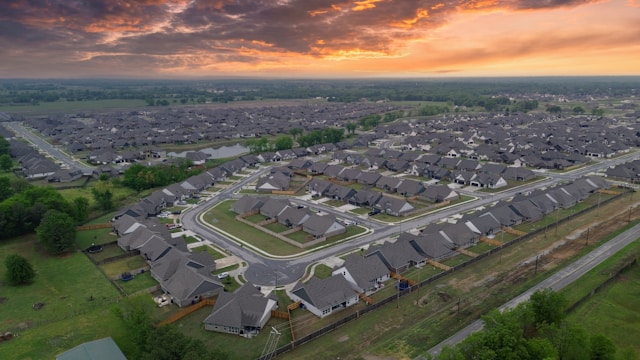
    Remote work has also contributed to increased interest in suburban communities where renters can often find more space and lower density compared to major urban centers. Many renters are now more open to living farther from traditional office hubs because they no longer commute daily.

    Suburban area aerial photography

    This has helped increase demand in many residential areas throughout Riverside County. Communities that offer larger homes, lower-density surroundings, and access to outdoor recreation have become especially appealing to remote workers seeking a practical balance between work and home life.

    Flexibility Is Influencing Leasing Decisions

    Remote workers often value flexibility more than traditional renters did in the past. Some tenants prioritize homes that can adapt to changing schedules, hybrid work arrangements, or multi-purpose living setups.

    Flexible layouts and practical living spaces are becoming increasingly important when renters compare properties. Landlords who understand these evolving priorities are often better positioned to attract and retain long-term tenants.

    Tenant Retention May Improve With Remote Workers

    Many remote workers place a high value on stability once they find a home that supports both their work and lifestyle needs. Properties that offer comfort, workspace flexibility, reliable maintenance, and strong communication may encourage longer tenancy periods.

    Tenants working remotely may also move less frequently because relocating can disrupt work routines and home office setups. For landlords, this can potentially reduce turnover and create more consistent occupancy over time.

    Property Presentation Is Essential in Remote Leasing

    Remote work has also increased the importance of online property marketing. Many renters now complete large portions of their housing search digitally before scheduling tours.

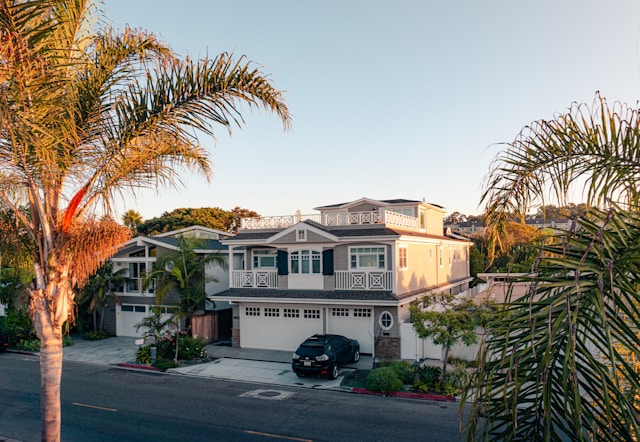
    A house in California

    Professional listing photos, virtual tours, detailed descriptions, and clear information about internet availability or workspace potential can strongly influence renter interest. Properties that present well online are often more competitive in today’s rental market.

    Challenges Landlords Should Still Consider

    While remote work has created new rental opportunities, landlords should also understand the challenges associated with changing tenant expectations. Some renters may now expect more from the property itself because they spend more time there.

    This can increase attention toward maintenance response times, comfort, and property condition. Higher utility usage, increased wear on appliances, and greater demand for reliable HVAC performance may also affect property operations over time.

    How Property Management Can Help

    The rental market continues evolving as remote work reshapes housing demand. Understanding what today’s tenants prioritize can help landlords position their properties more competitively.

    A professional property management company can help identify upgrades and features that appeal to remote workers while also helping landlords market properties more effectively. Property managers also assist with tenant communication, maintenance coordination, pricing analysis, and long-term retention strategies.

    Bottom Line

    Remote work has changed what renters look for in a home. Space, comfort, flexibility, internet reliability, and home office potential have all become important factors influencing housing demand.

    For landlords in Riverside County, staying aware of changing renter preferences can help improve occupancy and long-term property performance. If you want help managing your rental property and responding to changing market trends, a professional property manager can help you position your property more effectively in today’s evolving rental market.

  • Becoming a DIY Landlord? 9 Mistakes to Avoid

    Becoming a DIY Landlord? 9 Mistakes to Avoid

    Key Takeaways

    • DIY landlord success depends on structure, not intent—clear leases, consistent rules, and proper documentation are essential to prevent disputes and enforcement issues.
    • Proactive management is critical: regular maintenance, thoughtful tenant screening, and accurate rent pricing help prevent costly emergencies, vacancies, and turnover.
    • The hidden cost of self-management is time and risk—without systems and experience, small mistakes (delays, leniency, compliance gaps) compound into financial and legal problems.

    Taking on the role of a self-managing landlord can feel empowering at first. You stay close to your investment, control decisions directly, and avoid management fees. In a market like San Diego County, where rental demand remains strong, it’s easy to assume you can handle things on your own.

    But here’s the reality: owning a rental and operating one are two very different responsibilities. The day-to-day demands go beyond collecting rent. Legal compliance, tenant management, maintenance coordination, and financial planning all come into play. 

    Without a structured approach, even small gaps in judgment can quietly turn into larger, more expensive problems. Many first-time landlords underestimate how quickly responsibilities stack up once a tenant is in place.

    Before committing fully to DIY management, it’s worth understanding where many landlords go wrong and how to avoid repeating those patterns. We, at Uplift PM – San Diego County, have outlined what mistakes to avoid and what to do instead.

    When Informality Replaces Structure

    One of the earliest mistakes new landlords make is treating the lease as a formality instead of a foundation.

    a person signing a contract

    A vague or overly simple agreement leaves too much room for interpretation. Payment timelines, repair responsibilities, and property rules become harder to enforce when they’re not clearly documented.

    In California, where rental laws are detailed and frequently updated, a properly structured lease isn’t just helpful, it’s protective. Clarity upfront prevents friction later. It also signals to tenants that expectations are firm and consistently applied from the beginning.

    When Maintenance Becomes Reactive

    It’s easy to assume that if tenants aren’t complaining, everything is fine. That assumption often leads to overlooked issues.

    Routine check-ins allow you to spot minor concerns early, before they become disruptive or expensive. 

    A loose cabinet, a slow leak, or a worn fixture might seem small now, but unattended problems tend to escalate. Staying ahead of maintenance preserves both property value and tenant satisfaction. It also reduces the likelihood of emergency repairs, which are typically more costly and urgent.

    Keeping a simple maintenance schedule can make these check-ins more consistent and easier to manage over time.

    When Vacancy Feels Like an Emergency

    Vacancies can create pressure, especially when expenses continue without income.

    That urgency sometimes pushes landlords to prioritize speed over quality when selecting tenants. 

    However, filling a unit quickly with the wrong tenant often leads to longer-term costs, such as missed rent, repairs, or early turnover.

    a bright, vacant apartment

    A measured approach, supported by financial planning, allows you to stay selective even during slower periods. Building a small reserve fund can make this decision-making process less stressful.

    When Flexibility Turns Into Inconsistency

    Good landlord-tenant relationships matter, but so does consistency.

    Making exceptions too often, especially around rent deadlines or lease rules, can unintentionally reset expectations. Even occasional leniency can signal that terms are negotiable.

    What begins as understanding can evolve into patterns that are difficult to correct. Clear boundaries, applied evenly, help maintain professionalism and predictability on both sides. Tenants are more likely to follow rules when they see that they are enforced consistently.

    When Pricing is Based on Assumptions

    Rent pricing isn’t static, and it isn’t guesswork.

    Relying only on visible listings doesn’t capture the full picture. You need to understand which properties are leasing quickly, which ones are sitting, and why. 

    In a diverse market like San Diego, even small differences, such as location, upgrades, and layout, can shift value. Accurate pricing isn’t about matching others; it’s about positioning your property effectively.

    Monitoring trends over time can also help you adjust before vacancies occur. Even slight mispricing can influence how quickly your property attracts qualified interest.

    When Screening Feels Like a Shortcut

    Tenant screening is one area where cutting corners rarely pays off. Skipping background checks or relying on surface-level information increases risk significantly.

    a landlord speaking with two tenants

    A thorough process helps identify patterns, specifically financial stability, rental behavior, and reliability, that aren’t always visible upfront. The right tenant doesn’t just fill the unit; they protect the investment. Strong screening also reduces the chances of future disputes or payment issues.

    When Time is Treated as Unlimited

    Many DIY landlords underestimate how much time ongoing management actually requires.

    Coordinating repairs, answering tenant concerns, tracking payments, and handling turnovers can quickly become a steady, time-consuming cycle. 

    What starts as a side responsibility can quietly take over your schedule, especially when unexpected issues arise. Even simple tasks, when repeated frequently, can accumulate into a significant time commitment.

    When Experience is Built the Hard Way

    Learning by doing is valuable, but in property management, it can also be costly.

    Understanding local regulations, handling disputes, and navigating compliance requirements takes time to master. 

    Without guidance, mistakes made during the learning phase can have financial or legal consequences that outweigh the initial savings of self-management. Having access to reliable information and processes can make a noticeable difference early on.

    When Delays Make Things Worse

    Some decisions are uncomfortable, but postponing them rarely improves the outcome.

    Late payments, lease violations, or unresolved issues tend to compound when left unaddressed. Small problems often become harder to resolve the longer they are ignored.

    a person working at their laptop

    Acting promptly, within legal guidelines, keeps situations manageable and prevents small issues from becoming larger disruptions. Addressing concerns early also reinforces accountability and keeps communication clear.

    Bottom Line

    Managing your own rental property can be rewarding, but only when approached with structure, discipline, and a clear understanding of the responsibilities involved. The biggest risks aren’t always obvious; they often come from small decisions that accumulate over time.

    By building strong systems, staying informed, and treating your rental like a business, you can avoid many of the common pitfalls associated with DIY management. Consistency in your approach helps create more predictable and stable outcomes.

    If you’re looking to reduce risk, save time, and ensure every aspect of your property is handled professionally, partnering with a property management team like Uplift PM – San Diego County can provide a meaningful advantage.

    From tenant placement to compliance and ongoing operations, the right support helps you protect your investment while maximizing its long-term performance in San Diego County.

    Reach out today to confidently elevate your rental strategy with confidence.

  • Tips to Find Great Tenants For Your Rental Property

    Tips to Find Great Tenants For Your Rental Property

    Key Takeaways

    • Attracting quality tenants starts with a clear strategy: define your ideal renter, market intentionally, and present your property professionally to stand out in Riverside County’s competitive rental market.
    • Strong tenant relationships are built on convenience and transparency, including easy payment options, clear lease expectations, and consistent communication from day one.
    • Thorough, consistent tenant screening and a long-term mindset help reduce turnover, protect your investment, and secure reliable renters who contribute to stable rental income.

    Finding the right tenant is one of the most important decisions you’ll make as a landlord. In Riverside County, where rental demand ranges from commuter-friendly cities to quieter suburban communities, tenant selection can significantly influence your property’s long-term performance.

    The right renter pays on time, respects the space, and stays longer. The wrong one can lead to costly turnover, disputes, and avoidable stress. Thankfully, Uplift PM – Riverside County can help.

    Securing strong tenants isn’t about luck. It’s about creating a process that attracts the right people, filters out risk, and sets clear expectations from the start.

    Here’s how to do it effectively.

    1. Define Who Your Property is for

    Every rental naturally appeals to a certain type of tenant. Identifying that audience early helps you shape everything from pricing to marketing.

    Consider what your property offers: space, location, nearby amenities, and match that with the lifestyle of your ideal renter.

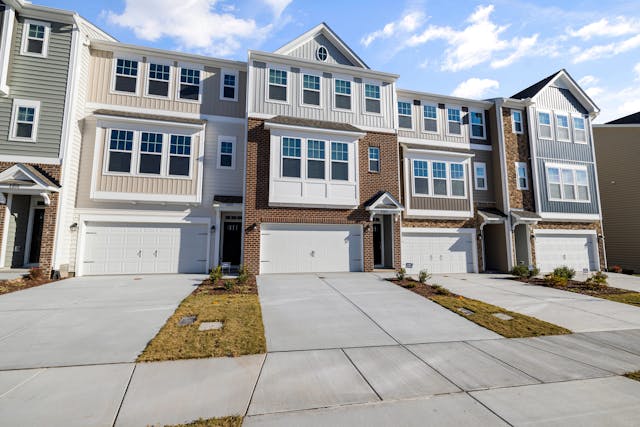
    a row of townhouses

    When your messaging aligns with your audience, you’re more likely to attract applicants who are a good long-term fit.

    2. Market with Intention, Not Just Exposure

    Listing your property everywhere in Riverside County isn’t enough. Effective marketing speaks directly to the tenants you want.

    Use clear, well-written descriptions that highlight what matters most: commute convenience, outdoor space, updated interiors, or proximity to local attractions. Pair this with high-quality photos and, if possible, a short video walkthrough to give prospects a better sense of the space. 

    Think beyond listing platforms. Local community boards, social media groups, and even word-of-mouth referrals can bring in serious inquiries when used strategically. Adding specific keywords like “pet-friendly” or “parking included” can also help your listing reach renters who are already a good match.

    3. Create a Strong First Impression

    Prospective tenants often decide within minutes whether a property feels right. Presentation plays a major role in that decision.

    Ensure the unit is clean, well-lit, and move-in ready before showings begin. Small details, like fresh paint, working fixtures, and a tidy exterior, signal that the property is well cared for.

    Just as importantly, how you present yourself matters. A professional, organized approach builds trust and reassures tenants that issues will be handled responsibly. 

    Simple touches like open curtains for natural light or a subtle, clean scent can make the space feel more inviting and memorable during tours.

    4. Stay Competitive by Watching the Market

    Understanding what similar properties are offering can sharpen your strategy.

    an aerial view of San Diego

    Review comparable rentals in Riverside County to assess pricing, features, and how quickly units are leased. If competing properties offer incentives or upgraded amenities, consider how your property stacks up, and adjust accordingly.

    This doesn’t always mean lowering rent. Sometimes, adding value, like including appliances or improving landscaping, can make your listing stand out without sacrificing income. Small, strategic adjustments can position your property more effectively in a crowded market.

    5. Make Payments Simple and Reliable

    Convenience plays a bigger role in tenant satisfaction than many landlords realize.

    Offering multiple payment options, such as online portals, bank transfers, or traditional methods, reduces friction and encourages on-time rent collection. 

    A smooth payment system also sets the tone for a professional relationship. Tenants who find it easy to pay are more likely to remain consistent and cooperative.

    6. Use Referrals to Your Advantage

    Your current tenants can be a valuable source of new renters.

    Satisfied tenants often know people with similar habits and lifestyles. Offering a referral incentive, such as a small rent credit, can motivate them to recommend your property to friends or colleagues. 

    While referrals can lead to strong applicants, they should still go through the same screening process to ensure they meet your standards.

    7. Set Clear Expectations From Day One

    Transparency reduces misunderstandings and builds trust early in the relationship.

    two people talking at a table

    Clearly outline lease terms, payment schedules, maintenance responsibilities, and any rules related to the property. Being upfront about expectations helps tenants decide whether your property is the right fit, and prevents issues later. 

    At the same time, maintain professional boundaries. Friendly communication is important, but consistency and structure ensure that policies are respected.

    8. Screen with Consistency and Care

    Tenant screening is where good intentions turn into real protection for your investment.

    Review credit history, verify income, and contact previous landlords to understand how applicants have behaved in past rentals. Patterns, both positive and negative, often repeat. 

    Set simple, consistent criteria, such as requiring a steady income and applying the same standards to every applicant in California. Watch for signs like frequent moves or unclear rental history, while giving weight to stable employment and strong references. A clear process reduces risk and leads to more reliable tenants.

    9. Think Long-Term, Not Just Immediate Occupancy

    Filling a vacancy quickly is important, but filling it with the right tenant is more valuable.

    A slightly longer vacancy period can be worthwhile if it results in a reliable renter who stays for multiple lease terms. Long-term tenants reduce turnover costs, minimize wear from frequent move-ins, and provide more predictable income.

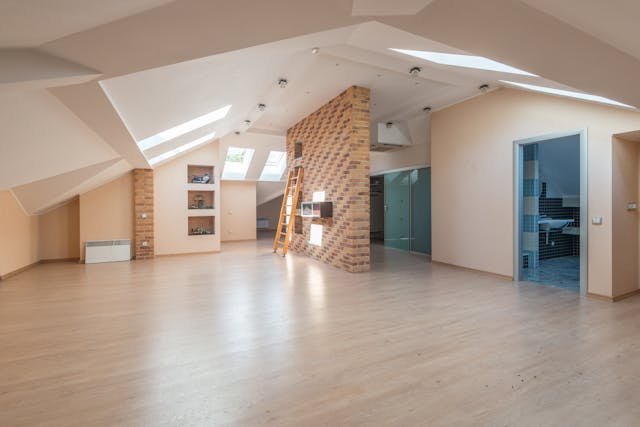
    the interior of a vacant apartment

    Consider the costs of frequent turnover, such as cleaning, minor repairs, and leasing efforts, which can add up quickly and impact overall returns.

    Approach tenant selection with patience and discipline. The goal isn’t just occupancy, it’s stability.

    Bottom Line

    Attracting high-quality tenants in Riverside County comes down to strategy, presentation, and consistency. From understanding your target renter to implementing a thorough screening process, each step plays a role in securing tenants who respect your property and contribute to steady returns.

    When done right, tenant placement becomes a powerful driver of long-term success, not just a routine task.

    If you want to streamline leasing, reduce risk, and consistently attract strong applicants, partnering with a professional property management team like Uplift PM – Riverside County can make all the difference.

    From targeted marketing to rigorous screening and ongoing tenant support, the right team helps you protect your investment while maximizing its potential. 

    Reach out today to elevate your rental property’s performance in Riverside County.

  • What Exactly is Normal Wear and Tear?

    What Exactly is Normal Wear and Tear?

    Key Takeaways

    • Landlords must distinguish between normal wear and tear and tenant-caused damage, as only damage beyond ordinary use can legally justify security deposit deductions.
    • Proper documentation, including move-in/move-out inspections, photos, and itemized repair records, is essential for avoiding disputes and staying compliant with California rental laws.
    • Preventing costly damage starts with proactive property management through careful tenant screening, clear maintenance expectations, and timely repairs.

    For rental property owners in San Diego County, few topics create more confusion and conflict than the line between normal wear and tear and tenant-caused damage. That distinction matters.

    It affects how security deposits are handled, how maintenance costs are allocated, and ultimately, how smoothly landlord-tenant relationships unfold.

    Understanding where everyday use ends and preventable damage begins is essential for protecting your investment while staying compliant with California regulations. Experts at Uplift PM – San Diego County have outlined the information you need to make smart decisions.

    Why this Definition Matters More Than You Think

    Every occupied home changes over time. Floors lose their shine, paint fades, and fixtures gradually show signs of use. These changes aren’t failures; they’re expected outcomes of someone living in a space.

    Normal wear and tear refers to this gradual decline from ordinary use. It’s not tied to carelessness or misuse, but rather to time and routine living.

    scratched flooring

    For landlords, this means one thing: you’re responsible for maintaining the property as it naturally ages. Attempting to charge tenants for these expected changes can lead to disputes and even legal challenges, especially in tenant-protective markets like California.

    What Counts as Damage?

    While some deterioration is unavoidable, not all property changes fall into the same category.

    Damage goes beyond aging. It typically results from neglect, misuse, or accidents that compromise the function or condition of the home. 

    Think of it this way: if the issue could have been prevented with reasonable care, it likely falls outside normal wear and tear. Broken windows, large holes in walls, or heavily stained carpets aren’t the result of everyday living; they’re indicators that something went wrong.

    The distinction isn’t always dramatic, though. Sometimes it’s subtle, requiring context and judgment.

    Real-World Examples Landlords Encounter

    In practice, the difference often comes down to scale and intent.

    Typical wear and tear might include:

    • Minor scuffs on the walls from furniture movement.
    • Slightly worn carpet in high-traffic areas.
    • Fading paint due to sunlight exposure.
    • Loose door handles or hinges from repeated use.
    • Light scratches on countertops or flooring.

    These are natural signs of occupancy, especially over longer lease terms.

    Damage, on the other hand, may look like:

    • Burn marks or deep stains in the carpet.
    • Broken tiles or cracked windows.
    • Large holes or unauthorized alterations to walls.
    • Missing fixtures or blinds.
    • Plumbing issues caused by improper use.
    broken blinds

    The key difference is whether the condition reflects normal use or avoidable harm.

    Time and Tenancy Length Matter

    A five-year tenancy won’t leave a property looking like it did on day one, and it shouldn’t be expected to.

    The longer a tenant occupies a unit, the more visible the wear will be. Flooring dulls, appliances age, and finishes naturally degrade. 

    This is where many disputes arise. A landlord may see a worn carpet as damage, while a tenant sees it as the result of years of use. In reality, both perspectives can exist, but only one aligns with how wear and tear is defined.

    In San Diego’s rental market, where long-term tenants are often desirable, accounting for gradual aging is part of responsible property ownership.

    Security Deposits: Where Definitions Turn Into Dollars

    The distinction between wear and tear and damage becomes most critical at move-out.

    Security deposits are intended to cover costs beyond normal use, not routine aging. 

    If a tenant leaves behind conditions that exceed expected wear, landlords may deduct repair costs. However, those deductions must be reasonable, documented, and compliant with California law.

    Overcharging, or misclassifying wear as damage, can lead to disputes or legal action. On the flip side, failing to address legitimate damage can leave landlords absorbing unnecessary expenses.

    Documentation is Your Strongest Protection

    Clear records are one of the most effective ways to avoid disagreements.

    a person reviewing documents

    Start with a detailed move-in inspection. Document the property’s condition using written checklists and photos, and ensure tenants acknowledge the baseline. 

    At move-out, repeat the process. Comparing before-and-after records provides a factual basis for determining responsibility.

    In addition, providing tenants with itemized repair lists and supporting photos builds transparency. It shifts the conversation from opinion to evidence, something that’s especially valuable if disputes escalate.

    Prevention Starts Before the Lease Begins

    Many wear-and-tear issues can be managed or minimized before a tenant ever moves in with preventative maintenance strategies.

    A thorough screening process helps identify renters who are more likely to care for the property. Reviewing rental history, speaking with previous landlords, and verifying behavior patterns can reduce the risk of excessive damage. 

    Clear communication also plays a role. When tenants understand maintenance expectations upfront, they’re more likely to meet them.

    Finally, proactive maintenance matters. Small repairs handled early can prevent larger issues that blur the line between wear and damage.

    Balancing Protection and Fairness

    San Diego County’s rental environment requires landlords to strike a careful balance. Tenant protections are strong, and expectations for habitability are high. This makes it even more important to apply consistent standards when evaluating property conditions at move-out.

    Clear, well-documented decisions can help prevent misunderstandings and reduce the likelihood of disputes. That means property owners must approach wear and tear with both fairness and precision.

    two people shaking hands outside

    Overly strict interpretations can harm tenant relationships, while overly lenient ones can erode profitability. The most successful landlords operate with clarity, setting expectations early, documenting thoroughly, and making decisions based on consistent standards rather than assumptions.

    Bottom Line

    Normal wear and tear isn’t a loophole; it’s a reality of owning rental property. Understanding it allows you to manage costs, avoid disputes, and maintain a professional relationship with your tenants.

    When you can clearly distinguish between everyday use and preventable damage, you’re better equipped to protect your investment while staying aligned with legal requirements. This clarity also leads to more consistent and confident decision-making.

    If you want expert support navigating inspections, tenant screening, maintenance, and compliance, partnering with a professional property management team like Uplift PM – San Diego County can make all the difference.

    From documenting property conditions to handling tenant disputes, the right team helps you reduce risk, save time, and keep your San Diego rental performing at its best. Reach out today to elevate your property management strategy.

  • The Benefits of Renting to Tenants with Pets

    The Benefits of Renting to Tenants with Pets

    Key Takeaways

    • Allowing pets significantly increases applicant demand, reduces vacancies, and improves cash flow—especially in competitive markets.
    • Pet owners tend to stay longer, leading to more stable, predictable rental income and fewer turnovers.
    • Responsible pet owners can be high-quality tenants, and proper screening helps minimize risks.
    • Pet-friendly policies can boost profitability through higher rents and better occupancy, especially when paired with clear rules and legal compliance.

    Finding the right tenant for a rental property is one of the most important tasks for a landlord in Southern California. Many property owners hesitate when they receive applications from people who own dogs or cats. They often worry about potential damage to the floors or noise complaints from neighbors.

    However, excluding pet owners means missing out on a large portion of the rental market. In a region like San Diego County, where outdoor lifestyles and companionship are highly valued, being a pet-friendly landlord can be a significant advantage.

    Embracing pet owners can lead to better financial outcomes and more stable tenancies. It allows you to tap into a loyal demographic of renters who are often looking for long-term housing solutions.

    To help you navigate this decision, Uplift Property Management put together this article to explain the practical advantages of allowing animals in your rental units.

    Increased Demand and Shorter Vacancies

    The most immediate benefit of allowing pets is the increase in the number of interested applicants.

    a dog and a cat playing with a toy

    When you list a property as “no pets allowed,” you automatically disqualify a huge percentage of the population. This can lead to your property sitting empty for weeks or even months while you wait for a qualified applicant who doesn’t have a pet.

    In competitive rental markets like San Diego, Vista, or Oceanside, pet-friendly policies help listings stand out. Since many rentals still ban pets, pet owners quickly gravitate to welcoming properties.

    This often leads to higher demand, faster occupancy, and shorter vacancies, improving cash flow and overall profitability for landlords.

    Encouraging Long-Term Tenancy

    Pet owners often stay longer because finding pet-friendly housing is harder, so they tend to settle in and renew leases, reducing vacancy and improving long-term rental stability. When a pet owner finds a home that is comfortable and managed well, they are much less likely to move. 

    They want to avoid the stress of searching for a new place that accommodates their pet. By allowing pets, you encourage residents to sign longer leases and renew them year after year. This stability provides you with a consistent and predictable rental income.

    Attracting Responsible Residents

    There is a common misconception that pet owners are less responsible than other tenants. In reality, caring for an animal requires a high level of organization, financial stability, and commitment.

    Someone who keeps up with veterinary appointments, grooming, and daily exercise for a pet is often someone who will also take good care of their living space.

    a person petting a large dog

    Responsible pet owners can be great tenants, often taking extra care to keep pets well-behaved and the property in good condition. A strong screening process helps landlords identify these tenants, protect their investment, and ensure lease rules are followed.

    Higher Earning Potential

    Renting to pet owners can also increase the monthly revenue generated by your property. In California, landlords can often charge a slightly higher monthly rent for pet-friendly units due to the high demand.

    While there are legal limits on security deposits, having a pet-friendly policy allows you to position your property as a premium option in the local market.

    In addition to potentially higher rent, the reduced vacancy rates mean you are collecting more rent over the course of the year.

    When you factor in the money saved on turnover costs and marketing, the financial benefits of welcoming pets become very clear. It’s a simple way to maximize the return on your real estate investment.

    Understanding California Pet Laws

    Landlords in San Diego County need to stay updated on state and local laws regarding animals. California has specific rules concerning service animals and emotional support animals. These are not classified as pets under the law, and landlords must accommodate them even if they have a no-pet policy.

    a dog lying against a person

    An official pet policy helps landlords manage animals on their property by setting clear expectations for behavior, waste, and noise. It reduces misunderstandings, supports positive tenant relationships, and ensures compliance. Staying informed about local regulations protects property owners’ rights effectively.

    The Value of Professional Management

    Managing pet-friendly rentals requires strong documentation and regular inspections. A property management team can screen both tenants and pets to ensure a good fit for the community.

    They also handle routine walkthroughs to confirm the home is being properly maintained and help prevent issues before they become costly problems.

    Hiring a management company reduces the stress of dealing with potential pet-related issues. They have the experience to draft clear lease agreements that protect the landlord while being fair to the tenant.

    If a problem does arise, such as a noise complaint, the manager acts as a neutral third party to resolve the situation quickly and professionally.

    Bottom Line

    Allowing pets in your rental property offers a range of benefits that far outweigh the potential risks.

    By opening your doors to pet owners, you increase your pool of applicants, reduce the time your property stays vacant, and enjoy longer tenancies. You also attract responsible individuals who are often willing to pay a premium for a home that welcomes their furry companions.

    With the right rules and screening in place, a pet-friendly policy is a smart business move for any landlord in Southern California.

    Navigating the specifics of pet policies and California rental laws can be challenging for independent owners. Uplift Property Management can help landlords with the above by providing expert tenant screening and comprehensive property oversight.

    We ensure that your investment is protected while helping you capitalize on the benefits of the pet-friendly market. Contact us today to learn how we can help you find the best tenants for your San Diego County rental property.