From finding qualified tenants to coordinating maintenance and tracking finances, a San Diego property manager handles the daily responsibilities that keep a rental operating.
Main Key Takeaways
Property management involves much more than collecting rent.
A property manager can market the rental, screen applicants, prepare leases, and coordinate move-ins.
Ongoing responsibilities include tenant communication, maintenance coordination, inspections, accounting, and lease enforcement.
Owners remain involved in important decisions while delegating time-consuming daily operations.
Services vary by company, so owners should confirm responsibilities, communication expectations, and fees before signing an agreement.
Many rental owners assume a property manager’s main responsibility is collecting rent. In reality, professional rental property management covers the entire rental cycle—from preparing and marketing the home to handling the tenant’s eventual move-out.
Marketing and Tenant Placement
Before a tenant moves in, a property manager evaluates the rental, recommends a competitive price, coordinates professional photographs, advertises the property, and responds to prospective renters.
The manager also processes applications, verifies qualification information, screens applicants consistently, prepares the lease, collects move-in funds, and documents the property’s condition before possession is transferred.
Property Management
Day-to-Day Rental Management
After the tenant moves in, the property manager becomes the primary point of contact for routine questions and property-related concerns. This may include:
Collecting rent and following up on unpaid balances
Communicating lease expectations
Coordinating renewals and lawful notices
Responding to tenant questions
Documenting important conversations
Addressing lease violations when necessary
Clear communication is one of the most important parts of property management. Owners should understand who will communicate with residents, how quickly inquiries are handled, and when the owner will be contacted.
Maintenance, Inspections, and Vendors
A property manager receives maintenance requests, gathers relevant details, troubleshoots when appropriate, and assigns qualified vendors when professional work is required.
The manager can also coordinate access, monitor scheduling, review invoices, confirm completion, and maintain written records. Routine inspections may help identify developing problems before they become larger and more expensive repairs.
Rental Property
Accounting and Owner Communication
Property managers also track rental income and property expenses. Owners should receive organized statements showing rent collected, maintenance invoices, management fees, and owner distributions.
Professional management does not mean losing control of your property. It means establishing clear authority, spending limits, communication preferences, and approval procedures so daily decisions can be handled efficiently.
Every property has different needs. Contact Uplift Property Management to start a conversation about your rental’s current situation and determine which responsibilities you are ready to delegate.
A look at how Uplift Property Management evaluates, documents, and monitors vendors serving San Diego rental properties
When maintenance is needed, rental property owners want to know that the person entering their property is qualified, properly documented, and accountable for the work performed. At Uplift Property Management, vendors must complete an approval process before they can be assigned to a managed property.
Main Key Takeaways
Vendors must receive corporate approval before performing work.
Uplift collects a W-9, current proof of liability insurance, and applicable business licenses or professional certifications.
Vendor documents and contact information are maintained in AppFolio and internal records.
Detailed work orders help vendors understand the problem and scope of work.
Repairs are monitored through scheduling follow-ups, completion confirmation, and invoice review.
Property Maintenance
What Does Uplift Require From Its Vendors?
Before a vendor can work at an Uplift-managed rental property, the company must receive and review several important documents. These include the vendor’s W-9, a current certificate of insurance showing liability coverage, and proof of any business license, contractor license, or professional certification applicable to the work.
Insurance documentation is updated regularly, and vendor records—including phone numbers, email addresses, physical addresses, and pricing information—are maintained within Uplift’s property management systems.
How Are Vendors Selected for Each Repair?
Not every maintenance provider is suited for every property or repair. Uplift maintains preferred vendor lists that may vary by location, property, and portfolio. The company also works to maintain both a primary and backup vendor for each service category, helping reduce delays when the preferred provider is unavailable.
When a tenant submits a maintenance request, Uplift reviews the details, requests photographs when appropriate, checks the property’s maintenance history, and looks for possible recurring or warranty-related issues. The vendor then receives a work order with clear instructions. If the estimated cost exceeds the property’s authorized maintenance limit, additional approval is obtained before proceeding, except when immediate action may be necessary to protect people or property.
Home Repair
Accountability Continues After Assignment
Vendor qualification does not end when a work order is issued. Uplift follows up on scheduling, monitors repair progress, confirms completion, and reviews invoices for accuracy. Concerns involving incomplete, unsatisfactory, or incorrect work are addressed with the vendor.
For San Diego rental property owners, this structured process provides greater transparency and helps protect the condition and long-term value of their investment.
We are proud to introduce our new video series with expert interviews on essential topics related to property management.
From maximizing rental income to the right tenant screening and handling property maintenance, our videos will deliver expert knowledge in covering most areas. Whether you are a landlord, an investor, or simply interested in the real estate market, these interviews shall give you all the knowledge required to succeed in property management.
In this video, Uplift’s CEO Tommy Perfect discusses the latest updates on the San Diego rental market! From rising trends to key insights. This video covers everything renters and investors need to know about navigating San Diego’s dynamic housing landscape.
Watch the video here!
Transcript
Transcript Scroll Box
[Music] Welcome Inside Uplift Property Management we’re here today with Tommy Perfect, the one and only our CEO and broker here at Uplift Tommy’s also the NARPM San Diego chapter president a certified property manager and he’s here today we’re going to talk about the San Diego market update yeah thanks for having me on here Ryan I’m excited to share our insights from our knowledge base and experience here at Uplift Property Management and let everybody know our thoughts on the rental market here in San Diego.
What is the average rent price here in in the San Diego Market? yeah so we have a lot of you know available opportunities to get information from various sources and I think we all know Zillow is the big dog on information so I get a lot of my information from our professional subscription and and our all our Market data from there um and looking at there across all housing types, so single family homes multi family you know Studios all the way up to five bedroom 10 bedroom houses right the average rent in San Diego is just over $3,000 and that’s at $3,081 today and there’s a little over 5,000 units available on the market today wow $3,081
How has that changed um over the past few years? Are we seeing an increase a decrease? yeah so right now we’re actually having a really kind of Market cool down in the rental market year over-year that numberers down actually a little over $100 $119 down year-over-year and we’re seeing that happen in kind of different unit types and it’s really interesting to see you know what kind of unit you have and how that market change is is affecting your own asset you know when we look at rental properties it’s an investment and we want to make sure that we can maximize that return for all of our clients you know so making sure that we can look at what type of asset class can help you make advise and expert decisions for your property management needs.
What would you say is causing that decrease? I mean there are you know it’s an election year things get crazy when you have you know very polarizing topics come up we’ve had some historic inflation happening you know San Diego is just marked as the most expensive city to live in and uh it just makes it really hard for people to be able to afford living here you know housing is one of those largest expenses for people right? right and you’ll actually see you know people making choices based on that economic indicator as opposed to just you know the lifestyle choices I’m seeing more people make those choices economically as opposed to uh “hey I want to go live at the beach and you know go surfing every morning” you know people are starting to change their mind about that has that.
Has that been difficult for your clients? yeah I mean we obviously have a very vast portfolio of different types of properties that we’re managing and certain types like I should say really low-end Apartments Class C Class D type properties where it’s not super desirable maybe there aren’t so many amenities, those prices are being depressed really hard right now and and pulling the market down at the bottom but at the same time I’m seeing you know some of those houses that are really luxury nice you know you I’d actually probably say condos and town homes that are built more lifestyle like you know having that gym having that pool having the spa having the mixed use shopping that kind of stuff people are being drawn towards those communities and are willing to pay a little bit more or even get roommates to be able to afford paying a little bit more so as to have that lifestyle in in addition to cutting their cost on their rent.
Speaking of different uh property types. What neighborhoods in San Diego have the highest demand for rental properties right now? In my experience and and I don’t know if I have great data backing this up right now other than my experience and how we’ve been managing our properties I’m seeing properties on The Fringe you know during Covid everybody was moving out to The Fringe you work from home you know cheaper lifestyle right get getting away from the cities I’m actually seeing those rentals kind of sit for longer you know those parts in the outskirts like out you know east side of elone Lakeside Santi Ramona Escondido these places that are a little on the on the Inland side are slowing down a lot and we’re seeing those those prices falling more in those areas as people gravitate more towards those Center convenient areas because you know it’s so expensive right now they’re thinking well if I have to spend so much in rent I need to I need to recoup my expenses somewhere else so they try to make sure that they’re close and you know limiting those commute times
You talked about communities On The Fringe taking a little bit longer to rent uh San Diego is a whole could you speak to our vacancy times right now? yeah vacancy times are skyrocketing right I was just looking on Zillow today and average times are over 45 days from move out to move in these people you know these units are sitting vacant so long and those vacancy rates are really killing the return on investment for for property owners we we are really trying to price things aggressively so as to stand out in the competition to reduce that vacancy number right for every $100 you know you’re trying to increase your rent that’s $1,200 for the year but if you have a $3,000 rental and it sits for an extra 4 weeks you just lost you know $2,800 when you’re trying to just make it $1,200 more so you’re really at negative 600 in that $1,600 Less on your return on investment as if you were going to go be competitive up front you have to really know what’s on the market that day and be able to judge what you have coming in for interest on those leads you know on the applications that you’re getting and on the quality of person that you’re actually attracting to your units.
Yeah so seems like there’s a kind of a battle between the Market’s already dropping and then longer vacancy times it’s probably making it really difficult for for owners right now yeah well and you have owners that talk to somebody and their neighbor last year rented their house out for four grand and now they think they’re going to get 4 grand but that market is showing that you know it’s down $200 $250 for that housing type in that neighborhood right? if you’re not getting the interest there’s no reason to mark yourself against that you really have to mark yourself against current market conditions and make decisions based on where you are at currently not what Jim and Susie did down the down the street
Any tips for for property managers any tips on how to have those kind of difficult conversations with clients? I think elevating it and elevating the experience for the property owner by saying you know here’s why I am the expert right I’m going to look at that year-over-year return I can look at saying “hey we’re going to keep keep up with our rent increases if the market is continuing to go up if it corrects we’re going to be able to take advantage of those opportunities by keeping our finger on the pulse of the market as opposed to just setting the rent and forgetting it and not even thinking about it in a year and then you know a property manager forgets to do the rent increase and now all of a sudden you’re 16 18 months down the road and you never got the return on your investment that you were hoping for so having an expert property manager that has that process is exactly what you’re going to look for
What are your predictions for rental price trends moving forward say next 1 3 5 years? oh hard to say like like I said it’s a election year and we’ve had some really historic inflation rate changes over the past few years um so it’s been really hard to keep up and and know exactly what’s going to happen and frankly if I knew exactly what would happen I probably wouldn’t be a property management company owner I would probably be off making millions and millions of dollars doing something else however, what I expect to see is I I expect us to be plateauing here for a while with this cool down prices are coming back to a level where people can afford to live and and work back towards you know that good foundation of an economy right so as we as we see the this cool down happen in Plateau for a little while obviously right now it’s October 2024 right we’re going to have our winter months which are classically slower all the way through February so I anticipate currently in the next 6 months to see you know us come out of that Plateau at the end of the at the end of February and then next year in the summer hopefully we see things that are accelerating our Market the demand is back because right now people are trying to to not move that’s shown by how many vacancies are on the market and how long things are taking to rent it’s not because people don’t need somewhere to live because we all hear about a housing crisis all the time it’s just people can’t afford to live there so we have to watch that market find find its even Keel
I know interest rate drops are on everyone’s Minds right now uh when we see these drops happen uh how does that affect rental price? uh and then do we see more renters uh purchasing homes? Yeah well I mean on the real estate market side of things you see people get stuck in in a mortgage or stuck in a house even though they might want to move or transition right and we’ve seen historically low transactions happening on the real estate market right by that not changing you’re not seeing these rentals get created or taken away or opportunities for first time home buyers right as these interest rates change I think you’ll see those transactions go up as as rates drop but you’ll also have people who are able to refinance their house and be able to take some money out maybe they do want to buy a second property or maybe they want to build that Adu and now with interest rates falling that money is more affordable and accessible for them and it will make a return for that investor and provide housing for the renter the other side of things is that you can also see some properties are already underwater and landlords are not making money off of their rental on a cash flow basis month over month and as finances on the on the property as they have opportunities to refinance or get better rates or you know make those transitions it should allow those investors to stabilize as well
All right Tommy well thanks for joining us uh for this San Diego market update hoping to hear more in the future. Yeah absolutely happy to share my insights. [Music]
When clicked, this video is loaded from YouTube servers. See our Privacy Policy for details.
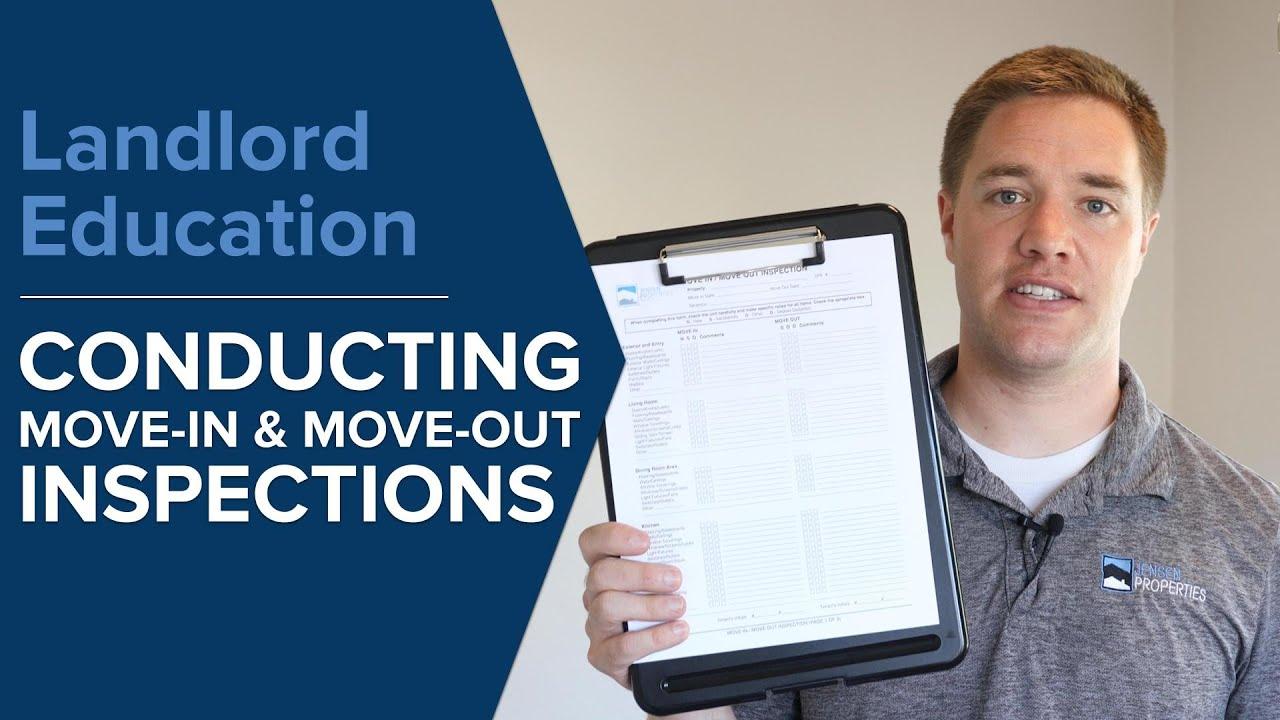
How to Conduct Move-In and Move-Out Inspections
When a tenant is moving in or out, inspections can be a tricky process. If a tenant’s move-in isn’t documented well, applying charges after they move out might become more of an argument. Similarly, if the move-out isn’t detailed enough, tenants might fight you about how clean they left it. Even if you feel like your tenant is the greatest in the world, it’s always important to document the condition of your rental property before they move in and after they leave. As a leading property manager in San Diego, we have taken over management from many other property management companies. Often we are surprised to find out that no inspections were recorded and if they were, only a handful of photos were taken and the notes were lacking. The worst part about this is when the owner or tenants get charged for something that they weren’t responsible for. Here are some tips to make sure you are conducting a good inspection that will protect you, your property, and tenant.
1. Don’t Leave the Inspection Up to the Tenant
Many property managers will give tenants an inspection sheet and leave the inspection and documentation up to them. However, if you want to be able to hold tenants accountable for any future damages, you will need to inspect the property yourself. This will ensure you have all the information needed to assess damages and pass on future charges. Tenants often don’t do inspections at all and then will complain later when they get charged. By doing a thorough and detailed inspection, you will eliminate most of the disagreements and potential back and forth between you and your tenants.
2. Take as Many Pictures as Possible
Don’t be shy of taking hundreds of pictures. Remind the tenants that taking this many photos can protect both the owner and the tenants. Digital cameras or smartphones can store hundreds of photos easily, so you shouldn’t need to worry about the amount. Make sure you are standing back and taking general pictures of each area, but then get up close when it matters. If you have a chipped tile in the tub, take a general shot of the tub and then an up close picture of that single tile to document the condition. This way it’ll be easy for you to know where that chipped tile is located. By taking many photos, you will also be protecting yourself from future issues. You never know when you’ll need a photo of that specific ceiling fan or that wall in the living room. You should be at least taking 100 photos per inspection – we often take 150-200 each time.
3. Date and Timestamp Your Photos
Along with taking many photos of your unit, make sure you download a free date and timestamp photo app onto your phone. You can also set some point and shoot cameras to display the date and time as well. This really will help in the long run so you will never have a question about when the photos were taken. If you’re ever taken to small claims court or need to evict a tenant, judges and attorneys really appreciate detailed photos with dates and times printed on them. This will give you credibility when you need it. Here is the one we use:
As you’re going through the unit room by room, test everything as you go. Run the water from each faucet. Make sure hot water is getting where it needs to go and that water pressure is sufficient. Test lights and switches – even outlets if you can. Test doors, locks, cabinets, drawers, closet tracks, windows, blinds, and anything else that moves. Appliances are also something that you should test if possible to make sure they’re working well at move-in and move-out. If there are issues that you don’t notice during the inspection, you can be sure that your tenant will soon be submitting a maintenance request for that thing within the next few days. We encourage you to test everything so that you can stay ahead of the issues and not get any surprises.
5. Use an Inspection Checklist
You can do this digitally or on paper, but make sure you have a section for each room. Usually inspection sheets will have the same things for each room – flooring, walls/ceiling, outlets/switches, door, etc. Usually you will check a box that shows if the item is new, in working condition, or if it needs repair. More notes are better than nothing, so don’t leave off anything. Even if you come across something that looks like normal wear and tear, you will still want to make note – especially at move in. More information is always better when it comes to inspections. Don’t forget the exterior of the property either! Take note and photos of all the exterior areas that the tenant is responsible for. This is very important when the tenants are responsible for landscaping and irrigation.
6. Take Inventory of Your Appliances
While taking pictures of your unit, take some of your appliance model and serial numbers. If tenants have any issues with one of the appliances in the unit during their tenancy, you can quickly figure out which unit it is and even have the information to give to your warranty company or appliance repair service. If you have to replace the unit for any reason, you can also supply an appliance salesperson with the information so they can make sure a new unit will fit in the same place and have the proper dimensions. Model numbers will give you information like whether the dryer uses gas or electricity as well. This can save you a lot of time and your tenants a lot of frustration.
7. Collect Move-In Funds and Other Documents
Before you hand over keys or possession, collect all outstanding move-in funds and documentation needed. Usually those should be given as a cashier’s check or money order so that you are receiving certified funds. Tenants should pay everything on or before their move-in date. Don’t make any exceptions with this rule. You’ll also want to verify that the tenant has put all necessary utilities in their name starting on the date they move in.
Ask Uplift Property Management
As a San Diego property manager, we do all the things above to protect you and your property. All move-in and move-out inspections are included in our full service management fee. If you are wondering how you are going to do your move-in or move-out inspection, please contact us. We would love to talk to you about some of these suggestions and others that might help. If you’d like to take advantage of a free rental analysis for your property, please click here. Please visit our Services & Pricing page to learn about all our services. Make sure you keep up your Landlord Education by following Jensen Properties on Facebook, Instagram, or YouTube.
When clicked, this video is loaded from YouTube servers. See our Privacy Policy for details.
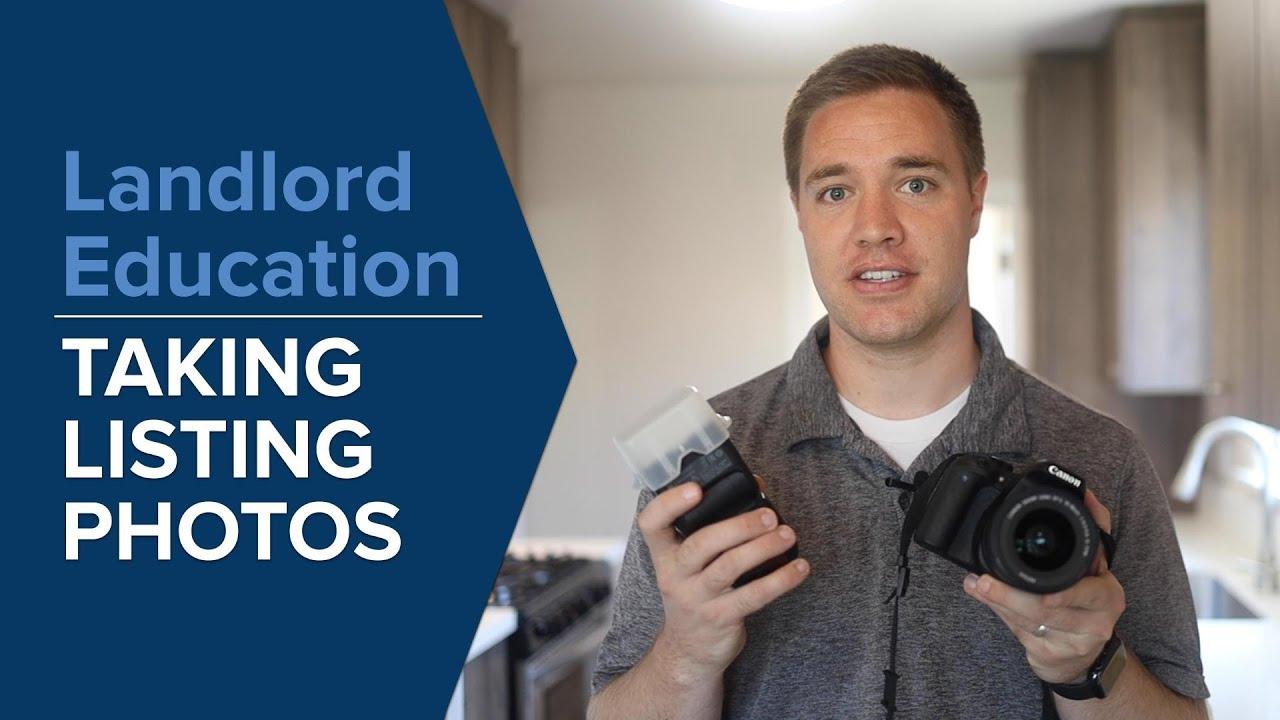
How to Take Listing Photos of Your Rental Unit
Taking high-quality listing photos can be one of the most important things you do when marketing your unit. Prospective tenants want to see a good looking and clean unit and if you have low-quality photos, they’re less likely to want to see it or apply. With today’s DSLR cameras so easily accessible, high-quality photos are fairly easy to get. If you don’t own one, you might consider asking a friend if they can help you or if you can borrow theirs for a day.
Most everyone has a smartphone as well. While smartphones definitely can’t get the same quality shots as a DSLR, there are still some ways you can improve your listing photos. This is one set of suggestions that you shouldn’t overlook since it affects every online listing. Don’t forget that you can take hundreds of pictures and sort through them later. Also, with practice, your photos will only get better. If you’re interested in learning more about our full property management services (which includes taking listing photos), visit our Services & Pricing page. Below are some tips to get better and higher-quality photos of your vacant rental property.
1. Choose a Good Time of Day
If you have the freedom of choosing the time and day for your photos, remember some of these things. Exterior photos are best when in full light, so if you want to get a great picture of the front of your house, make sure the sun is hitting it just right. If your house faces East, the best time would be the morning. If you have a great looking backyard, make sure it gets the attention it deserves as well.
For interior photos, you will want to take them around midday. This will ensure that the maximum amount of sunlight is helping light up the rooms in your rental. If you take interior photos in the morning or afternoon, light will shine through windows and create many shadows that can be difficult to manage. For high-end properties, you might also want to take some “twilight photos” which show a property during sunset. The best time for this is usually the first 20 minutes after the sun sets.
2. Turn on All Lights
By turning on all the interior and exterior lights, you will be able to both add some additional lighting for your photos and show tenants what will be lit up in the dark. By turning on lights, you can feature some of the lighting that you might have – recessed lighting, lighting underneath cabinets in the kitchen, or even your light over your stovetop. Tenants also like to see that things are working, so make sure all the light bulbs are functioning. You don’t want to give the impression that something in your rental doesn’t work.
3. Clean Up Messes & Distractions
Sometimes vendors will leave small traces of dirt or debris after they complete their work, so make sure you have a rag or wipe to quickly clean up any messes. Having your unit professionally cleaned is always important for rental properties, so consider hiring a company to take care of that for you. Hide any distractions throughout the rental – especially if you are taking photos while the unit is occupied. Some things you will want to consider hiding are magnets on the fridge, loose cords, papers, boxes, soap dispensers, and even cars or bikes. You’ll also want to put toilet lids down, open up blinds to let light in, make beds, organize clothes or shoes, and make sure chairs are straight and pushed in.
4. Use an External Flash
We always use an external flash for our photos to light up each room and minimize dark areas. When you use an external flash, you need to make sure the flash is pointed toward the ceiling (and forward slightly) so that the light will bounce off and fill the entire room. Diffusers also help to fill the room with as much light as possible without creating harsh shadows. Make sure you watch the video for an example of the difference an external flash can make. Click here to see the type of flash that we use for our DSLR camera setup.
5. Use a Wide Angle Lens
If you have access to a wide-angle lens, make sure you use it! If you take listing photos often as a landlord or property manager, it’s worth investing in a wide-angle lens that will give good results. This is what the professionals use and it can make a big difference for each room in your rental. DSLR lenses are measured in millimeters and the smaller the size, the wider the shot.
Most standard lenses will be about 18mm, but a good wide-angle lens will be more like 10mm. If you use a lens like this, you can stand in one corner and almost capture all other corners of the room in one shot. Wide-angle lenses also help when photographing small spaces like closets and bathrooms. Make sure you watch the video for an example of the difference a wide-angle lens can make. Click here to see the type of lens that we use for our DSLR camera setup.
6. Position Your Camera Correctly
Get into the corner of the room so that you can capture as much of the area as possible. This might sometimes mean that you have to back up into a closet or the shower in your bathroom. Photos should be taken at a little below eye level or midway between the ceiling and floor of a standard height unit. Consider taking your listing photos on a tripod so that they are at a consistent level. When you get into tight spots, you might have to take the camera off the tripod. When you are prepping your shots, try to line up vertical lines with the sides of the picture. That means that if you have walls, cabinets, appliances, or door frames in the photo, make sure they are vertical and lined up properly.
Positioning the camera lower might help with achieving this effect. Take photos horizontally or in landscape mode as often as possible. Photos online tend to look best horizontally on websites for listing rental properties. Keep this in mind even when you’re using a smartphone. If there are mirrors in a bathroom, bedroom, or on closet doors, try to position yourself to the side or underneath the mirror. Sometimes you can open up a closet door halfway to both show when the inside of the closet looks like and to avoid showing your reflections while taking the picture.
7. Using a Smartphone
If you’re considering taking listing photos using a smartphone, first try and see if you have a friend who might loan you a DSLR camera and lens. We always recommend using a real camera over a phone. If you have to use a smartphone, make sure you’re following the tips above – positioning your phone correctly, trying to maximize the amount of light, cleaning up, and turning on all the lights you can. Some smartphones have wide-angle lenses, so use that if you have that option. You could also buy a wide-angle attachment for your smartphone that creates a wide-angle effect; however, keep in mind that those attachments usually give a fish-eye effect.
Ask Uplift Property Management
As a San Diego property manager, we want to help landlords and owners everywhere. If you are wondering how you are going to take photos of your vacant rental, please contact us. We would love to talk to you about some of these suggestions and others that might help. Taking listing photos is included in our management fee for all our properties. Take advantage of a Free Rental Analysis for your property. Our full property management service includes all this and more. Of course, we also offer lease only services where we can list, market, and show your unit. We also process applications and get a signed lease done. Make sure you keep up your Landlord Education by following Uplift Property Management on Facebook, Instagram, or YouTube.
CAMERA GEAR THAT WE USE:
Even though you can use most any DSLR camera, wide-angle lens, and external flash, here is the equipment that we currently use: Camera Canon t7i DSLR
When clicked, this video is loaded from YouTube servers. See our Privacy Policy for details.
How to Manage Maintenance Requests
As a landlord, you’ll need to know how to manage maintenance requests from tenants. This skill can be helpful if you are managing your own rental property or if you have a property manager working for you. If you can get maintenance requests processed and addressed quickly, tenants will be happier and likely want to stay in your rental property longer. That can mean less vacancy costs for you and a better investment overall. Even if you feel like you have maintenance under control, take a few short minutes to read through these suggestions so you can refine your own process. Here are a few tips to follow when handling your tenant’s next maintenance request.
1. Understand the Maintenance Request
Make sure you fully understand the request. Often, tenants will send a request with only 2-3 words. Here are a few examples of some requests that we get almost on a daily basis:
“Garbage disposal”
“Kitchen light”
“Broken window”
“Leak in bathroom”
“Toilet”
We wish we were joking about some of these, but tenants really do submit maintenance requests with these exact words. You will need to make sure you follow up to get all the details. You’ll need to find out the exact location, size of the leak, reason the window was broken, and what they’ve tried already. Requesting photos is a great way to pinpoint the issue and get the tenant to communicate clearly. If there are issues with an appliance, you might also ask for model numbers to expedite repairs. These additional details will help you determine the severity of the request and also who to send. If it’s an emergency, make sure you get on it quickly.
2. Troubleshoot with the Tenant
Taking a few minutes to troubleshoot with the tenant can potentially save you (and them) hours of your time and hundreds of dollars. Tenants will often report things that should be their responsibility. They should be expected to change out light bulbs, batteries on thermostats, or an AC filter when needed. Don’t miss the opportunity to educate your tenants about what is expected of them and what they’re responsible for. Don’t be afraid to ask the tenant questions for clarification and DO NOT assume the tenant already tried the “obvious” solutions.
Every now and then a tenant might respond with “of course I tried that!”, but more often you will find that they haven’t tried much of anything. We’ve created some videos that give maintenance tips for tenants. We encourage you to send those to your tenants so they can know exactly how they can fix minor problems themselves. You will also want to make sure tenants understand when you won’t be sending anyone for the issue at the moment.
If you’re not able to successfully troubleshoot the issue, that means you will need to call a professional. Make sure you choose a vendor that’s licensed and insured. That will mean that if anything goes wrong on the job, the vendor will be able to make it right. You’ll need to make sure that you clearly communicate what you need done and give the vendor a max maintenance limit for the cost of the job. Using the right vendor can actually be more difficult than it sounds. If you watch our Working with Vendors video, it outlines some of the things we suggest to keep in mind while working with vendors. Even if you’ve been managing your property for a long time, these suggestions will likely still be valuable.
Don’t forget to notify the tenant when there’s an update. It’s their home and they really appreciate being kept in the loop when possible. Normally we have vendors directly communicate with tenants to avoid any “middle-man” issues, but you will still need to contact your tenant periodically. Acknowledge their request when you receive it. Also, let them know when you contact a vendor and send out a work order to them. Sometimes if you are updating tenants, you will find that the maintenance issue has resolved itself and the tenant just forgot to let you know. If you’re communicating regularly. You could avoid having to pay (or charge the tenant) for a service call when it was unnecessary.
If you are stuck as the middle-man scheduling the appointment, make sure the tenant knows when the vendor is scheduled to come. Also, make sure the tenant knows that they’ll get charged if they don’t keep the appointment. If you have to serve a 24 hour notice of entry for your vendor, make sure you are communicating that in writing to your tenant. You also want to notify tenants when they could potentially be charged for something that they may have caused. This could include unclogging drains with things like food/hair/toys, repairing broken windows caused by the tenant, or service calls from vendors when they find no problems with the unit. This communication can often be tricky and time consuming, so let us know if you have any questions about this.
5. Verify Completion
Verify completion of the work with the tenant. Once the work has been done, check with the tenant to make sure it was done completely and everything is working properly. You can even ask the tenant for feedback on the vendor you sent out. This will show the tenant that you are still wanting to communicate with them and that you value them as a resident in your property. The tenant will also be the first person to know if anything goes wrong with the repairs made.
Sometimes you might have a plumber visit your unit and cut out a section of your wall or ceiling to access a pipe or leak. Plumbers won’t repair the wall, so they will leave it (hopefully clean) for you to take care of. Sometimes they won’t tell you the status of the unit when they leave though. So checking in with the tenant soon after the repair will let you know what still needs attention and how things need to be handled moving forward.
6. Keep a Written Record
Keep a written record of everything you can. From start to finish, you want to keep a record of all communication and requests. Encourage tenants to submit all maintenance requests in writing – via email, text, or physical letter. When you communicate back with the tenant to troubleshoot or notify them, that should also be in writing – text or email. When you are gathering information and sending it to a vendor, make sure it’s clearly written and includes all details and photos that are applicable. Make sure you get an invoice or receipt for the completed work as well.
Even if you communicate in person or over the phone, you should write down what was discussed and follow it up with a text or email to reiterate and clarify what was said. At Uplift Property Management, we keep very detailed notes of all communication and attach it to the tenant and work order so that nothing is mixed up or forgotten. These records will show that you took care of the maintenance request in the proper way and that you were never negligent and they might even serve as evidence if needed later on.
Ask Uplift!
We can help you with maintenance requests. If you’re wondering how to handle maintenance requests that come in from tenants, please let us know. We would love to talk over these things with you and suggest some ways to streamline maintenance for your rental property. If you’d like to take advantage of a free rental analysis for your property, please click here. Of course, we offer lease only services where we can list, market, and show your unit. We also process applications and get a signed lease done. We also offer full property management service where we will handle all maintenance requests and coordinate all work needed for your San Diego rental property. Make sure you keep up your Landlord Education by following Uplift Property Management on Facebook, Instagram, or YouTube.
When clicked, this video is loaded from YouTube servers. See our Privacy Policy for details.
How to Market Your Rental Unit
With so many rental units on the market, it’s hard to compete and make sure your unit gets the attention it deserves. Rental units are being advertised by property managers, real estate agents, owners, and even scammers. So the question is this, “How do I list and market my rental property so I can get qualified tenants to apply and lease with me?” While there’s no one solution that fixes all the potential problems you could run into, we want to share some tips for how to market your unit online and effectively.
1. Write a Detailed & Attractive Description
You always want to make sure you have a good title for your listing. Start off your general description with information about bedrooms, bathrooms, utilities, lease terms, requirements to rent, and the availability date. Even if the website asks for some of this information, you want to make sure it makes it into the description as well since some people will only read the description. However, if the site gives you the option to put in specific information for your unit, do that as well. When you mention utilities, clearly outline what the tenant will be responsible for and what utilities will be included with the rent. Many renters want to know if they can sign a month-to-month agreement or if they have to sign a 12 month lease right away. Some renters even prefer longer lease terms.
Don’t forget to highlight all the amenities that the tenants will be able to enjoy. Common amenities might include garage parking, balconies, stainless steel appliances, tile floors, granite or quartz countertops, pools and spas, gym access, fenced yard, BBQ area, smart home features, extra storage, large windows, or a great view. This includes any HOA or common area amenities if applicable.
2. Take High Quality Photos
For tenants, pictures can often either seal the deal or be a deal breaker. And listings with zero photos often don’t get any attention at all. Make sure you use your best camera, with the best lighting and widest angle possible. You can use a tripod to keep the angle consistent too. Get as far back into the corners of each room to show as much of your property as possible. This will give the tenants a good idea of what things will look like. Turn on lights everywhere you can. We use a DSLR camera with an attached flash for most of our photos. If all you have is your smartphone, those can sometimes have great results. Just make sure you zoom out as far as possible and get the best angles of your rooms. Watermarking your photos with your number might not be a bad idea either.
3. Give Instructions for Showings & Applications
The main questions that tenants will ask are, “How can I view the property?” and “How do I apply?” Make sure both of those are clear on your listing so that there’s no confusion. If you use a self-showing lock box system like us, make sure the marketing link is in your description. If you only can do in-person showings, put available times and instructions for contacting you. Showing the unit can often be the most difficult part about leasing a property, so be ready for a lot of calls and no-shows. Because of this, we use a self-showing lock box system that allows tenants to create a profile and view the unit within minutes. When they create a profile, they take a picture of their photo ID, take a selfie, and put in credit card information for a $0.99 one time charge. This validates that they are who they say they are and allows them to access the unit with a code for 1 hour.
Applications can sometimes be tricky, but make sure you gather information in the same way each time. Using an online application makes it quick and easy for many tenants looking for homes these days. We have had many tenants see a home, view it using our self-showing lock box, and then apply all within an hour or two. Making it easy for them will also make it easy for you.
4. List Your Property on as Many Sites as Possible
The more sites you can post your rental property on, the better. You might need to take a bit of time to post your vacancy on websites like Zillow, Trulia, HotPads, Apartments.com, Zumper and others. By having your unit on more sites, more prospective tenants will see them and potentially apply. With a couple clicks, we can list our rental properties on 40 different websites for prospective tenants to find. This makes it easy for us to list vacancies and update the listings when needed.
We also highly suggest posting vacancies to social media and sharing the information with local housing groups on Facebook. There are many housing groups in specific areas or cities that are dedicated to advertising or finding rental properties. One post on a facebook group could reach thousands of people.
5. Reduce the Price If There’s No Interest
If you’re finding that no one is interested in your unit, it could easily be due to the price. Of course, there could be other reasons, but if your unit has attractive landscaping, looks clean inside and out, and matches the pictures and description you wrote, you’ll need to check the price. You might be above market rent. If a unit is priced higher than market value, there will often be zero action – not even requests for showings. If that’s the case, don’t be afraid to lower the rent a bit so that someone will move in sooner. You can always plan for a rent increase after the lease term is up. Sometimes it is actually more profitable for you to rent something out quickly at a lower price, rather than keeping the price high and waiting around for a desperate tenant.
Ask Uplift Property Management
We can help you with your rental unit. If you’re wondering how you should list your rental property, please let us know. We would love to talk over these things with you and suggest some ways to get more interest in your rental property. If you’d like to take advantage of a free rental analysis for your property, please click here. Of course, we offer lease only services where we can list, market, and show your unit. We also process applications and get a signed lease done. We also offer full property management service where all this plus much more is included. Make sure you keep up your Landlord Education by following Uplift Property Management on Facebook, Instagram, or YouTube.
When clicked, this video is loaded from YouTube servers. See our Privacy Policy for details.
Working with Vendors
If you manage your own rental property, you know what it’s like to deal with maintenance and vendors. Working with vendors can sometimes be a painful process and we want to help educate landlords and owners so that problems can be avoided. Our 6 suggestions below will help you develop better relationships, get better deals, and keep tenants longer. If you have questions about your specific situation or job, please reach out to us so we can help.
1. Vendors Should Be Licensed & Insured
If you’re managing your own rental, it will be very easy to think of maintenance more casually. Sometimes that works out and there aren’t issues. However, when issues do arise, all that work that you did personally or hired out to an unlicensed or uninsured vendor could end up being a big problem. If something goes wrong on the job, vendors that are licensed know how to handle it. Also, if they’re insured, they would be responsible for covering the cost as well. Accidents are never meant to happen, but they’re a fact of life. Vendors that are licensed and insured will also be more likely to keep records, give invoices, and provide warranties on parts and/or labor.
It’s true that hiring a licensed and insured vendor will likely cost more money at the time of service, but the quality and safety of their work can save you hundreds or even thousands of dollars over the years. We work with many vendors in San Diego and are familiar with their services and pricing. If you are looking for a dependable licensed and insured vendor, please give us a call.
2. Establish Clear Expectations
Make sure you tell the vendor exactly what the job will entail. If you or the vendor is vague in any way, the job could end up not being fully completed or the vendor could do much more than was expected. Even when directions are crystal clear, there can be mistakes made, so following up is usually a good idea. Try to avoid job descriptions like “fix the faucet” and “fix the AC”. Those descriptions can be interpreted in many ways depending on the vendor.
These expectations should also include the cost of the project. Some vendors will have a set price list that they can work from. If that’s the case, they should know fairly accurately what the job will end up costing. However, if they charge for time and materials, the cost could add up quickly. Even if the vendor can’t provide a solid bid for the job, they usually can give a rough estimate to give you an idea of what the costs will be. Make sure you give them a clear limit for approval and explain that they are only approved up to that limit. Explain to the vendor that if they go over the given limit and fail to obtain approval from you, you will only pay as much as the limit given. Vendors should always contact you for direction and approval before diving too deep into a project.
3. Keep a Written Record
This point relates to almost all the others on this page. Make sure you communicate clearly. Often, that means you should use email or text to communicate job details with the vendor. You should also double check and make sure vendors receive all communication. Some vendors prefer email, while others prefer text. You don’t want to send an important email to a dormant address only to find out later that it was never received. If the vendor doesn’t use email or texting, try to write everything down on a physical paper somewhere and make a copy to keep for your records. As long as you can always point to a written record (email, text, paper) with details, you should be safe. Your written records should include job details, the cost, the maintenance limit, plans for payment, when the job is scheduled, and any guarantees or warranties they have.
Keep in mind, if you do talk with the vendor on the phone or in person, make sure you follow up that conversation with something in writing (an email or text) to confirm and solidify what was discussed.
4. For Big Projects, Get Bids
If you have a big project coming up, it’s usually a good idea and time to gather a few bids and compare services and prices. Vendors will sometimes adjust their prices over time and for bigger projects, it’s a great time to re-evaluate prices. If you do end up getting bids, make sure you are comparing apples to apples. If you aren’t careful, you could find yourself comparing 1 vendor’s premium service with another vendor’s basic service. Some vendors will be very good about giving you options to repair or replace, while another vendor might only specialize in replacing and not repairs.
Make sure you also understand what is NOT included in the bid. When using a plumber, they can cut open your wall or ceiling and fix that leak, but their bid will not include repairing the wall after the work is done. Similarly, one painter might include paint in the bid, but another painter’s bid will come in cheaper, but will not include paint. Like in the 3rd suggestion, make sure you always, always have a bid or estimate in writing.
5. Inspect the Work After Completion
You will want to check the work afterwards and confirm its completion before paying the vendor. Compare the work to the job description provided and check the functionality of everything. Just because something looks good, doesn’t mean it will work well. If you have a ceiling fan replaced by a handyman, make sure you test the fan at all speeds for longer periods to make sure it is properly balanced and doesn’t start to wobble.
Make sure the lights work on it and the switch or remote are connected properly. When replacing a toilet, flush it multiple times, sit down on it and move around to ensure it won’t wobble, and check for leaks at the supply line and base. Ensure the work was done according to the expectations set and that you are 100% satisfied with the work. If there are any issues, you can talk with the vendor about fixing them before you pay.
6. Arrange for Quick Payment
Make sure you can pay vendors the way they need and at the proper time. If you have found a good vendor, you need to treat them well or else they won’t do any jobs for you in the future. If you withhold payment longer than what was agreed, you could be burning bridges with them. Most licensed and insured vendors don’t deal in cash, so you will likely need to use a credit card or a personal check to pay. You also need to make sure you get an invoice or receipt for the work completed. This invoice should have the details about the job done and also information about any warranties or guarantees for the materials, parts, or labor. Keep this invoice or receipt for your records and make sure you can access it later if needed.
Ask Jensen Properties
We work with vendors every day and have worked to build strong relationships with many of them. If you have questions about using vendors (especially in San Diego) at your property, please contact us and we will be happy to help. As a leading San Diego property manager, Jensen Properties works hard to educate all property owners. We are always available to assist you in your property management journey. If you are looking for a San Diego property management company, feel free to learn more about our Services & Pricing and contact us. Make sure you keep up your Landlord Education by following Jensen Properties on Facebook, Instagram, or YouTube.