• How to Keep Renters Happy

    How to Keep Renters Happy

    Key Takeaways

    • Fast, reliable maintenance is the biggest factor in tenant retention.
    • Respecting tenant privacy and maintaining clear boundaries builds long-term trust.
    • Fair, transparent policies and reasonable rent increases encourage lease renewals.
    • Open communication and well-maintained, modern properties help keep tenants satisfied and stable.

    Replacing a tenant can cost three times more than keeping one. In competitive markets like Southern California, high turnover hurts profit. Keeping reliable tenants is a smart financial move that stabilizes your cash flow and reduces risk. 

    It ensures your investment property stays profitable and well-maintained over time, making retention a top priority for any serious property owner.

    Imagine a tenant who pays rent on time every month and takes excellent care of your property. One morning, you receive a notice that they are moving out because they feel their concerns about a leaky faucet went ignored for too long. 

    Now, you have to spend weeks finding a replacement and potentially lose a month of rent in the process. Uplift Property Management put together this article to help you avoid this situation and maintain a positive relationship with your residents.

    Focus on Fast and Effective Maintenance

    The most common reason tenants choose to leave a rental is poor maintenance. When a resident reports an issue, they want to know that it is being taken seriously. In Riverside County, where summer temperatures often rise above one hundred degrees, a broken air conditioning unit is an inconvenience and a safety concern. 

    Responding to repair requests within twenty-four hours shows that you value the tenant and the condition of the home.

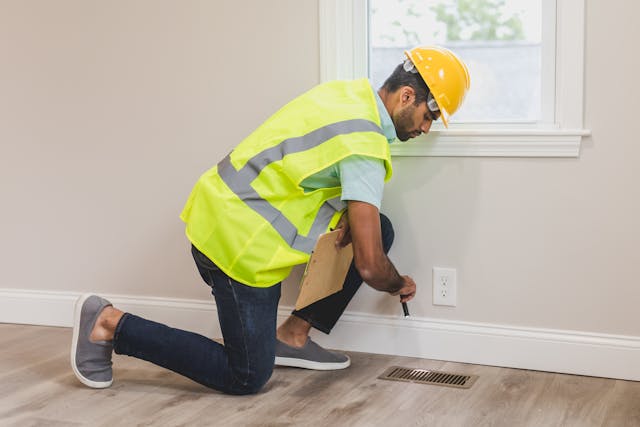
    Maintenance

    Even if a repair cannot be completed immediately, communication is essential. Keep the tenant informed about when a contractor is scheduled to arrive. Regular inspections also help catch small problems before they turn into expensive emergencies. 

    Checking the plumbing, roof, and HVAC systems twice a year can prevent major disruptions for your renters.

    Tenants value their privacy and the right to quiet enjoyment of their home. While you own the property, California law requires you to provide at least twenty-four hours of notice before entering for non-emergency reasons. 

    Constantly stopping by without warning or sending frequent, unnecessary messages can make a tenant feel monitored and uncomfortable.

    A professional relationship is built on boundaries. It is important to be friendly but maintain a clear business standard. Stick to the agreed-upon communication methods and only visit the property when it is truly necessary. 

    When tenants feel like the house is their own home rather than a temporary space, they are much more likely to stay for several years.

    Keep the Property Modern and Functional

    Property standards in cities like Riverside and Temecula are high. To keep tenants happy, the home should remain functional and aesthetically pleasing. Small upgrades can make a large difference in how a renter perceives the value of their unit. 

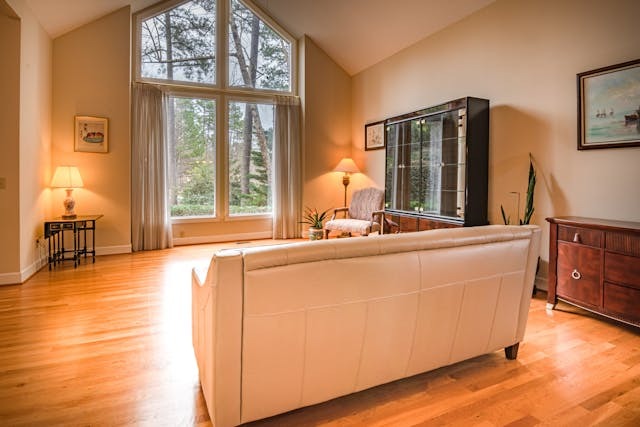
    Modern Living Room

    Consider installing energy-efficient light fixtures or updated kitchen hardware. These changes do not require a full renovation but can improve the daily experience of the resident.

    Outdoor spaces are also important in Southern California. If your rental has a yard or a patio, ensure it is well-maintained and usable. Drought-tolerant landscaping is a practical choice for the local climate and reduces the maintenance burden for everyone involved. 

    A clean, modern-looking home justifies the rent price and makes the tenant feel like they are getting a fair deal.

    Implement Fair and Transparent Policies

    Consistency is vital when managing rental properties. Ensure that all rules regarding parking, pets, and noise are clearly stated in the lease agreement and applied equally to everyone. 

    When policies are transparent, there is less room for misunderstandings or feelings of unfair treatment.

    When it comes time to renew a lease, be mindful of the local market trends. While rent increases are sometimes necessary to cover rising insurance or tax costs, aggressive hikes can drive away good tenants. 

    If a tenant has been reliable and respectful, it may be worth keeping the rent slightly below the maximum market rate to ensure they stay. This strategy often saves more money in the long run than the extra monthly income from a new, unknown tenant.

    Maintain Open Channels of Communication

    Good communication is the foundation of a long term tenancy. Make it easy for your renters to reach you by providing multiple contact options, such as email and a dedicated phone line. 

    Communicating with Agent

    When a tenant has a question about their lease or a local utility, provide a clear and helpful answer in a timely manner.

    It is also helpful to reach out occasionally just to check in, rather than only contacting them when rent is due or there is a problem. Sending a brief message to ask if everything is working well shows that you are a proactive landlord. 

    This level of service builds trust and encourages the tenant to be more transparent with you if they are facing issues or considering a move.

    Bottomline

    Keeping renters satisfied requires fast maintenance, respect for privacy, and clear communication. When landlords run their properties like a business and treat tenants like valued customers, they reduce turnover and vacancy risk. 

    Even small improvements, timely repairs, and fair lease renewals can significantly improve retention. In places like Riverside County, these consistent efforts help create a more stable rental environment, improve tenant loyalty, and support steady long-term rental income.

    Managing these responsibilities can feel overwhelming for individual landlords balancing other work and personal commitments. Coordinating maintenance, legal notices, and tenant communication demands ongoing attention and local knowledge. 

    Uplift Property Management can assist by managing the full rental process, including maintenance coordination and tenant relations. 

    Hiring a property management company helps ensure your property is run efficiently while improving tenant satisfaction and reducing stress for owners. With professional oversight, landlords can focus on priorities while maintaining steady rental performance and achieving long term investment stability over time overall.

  • What to Include in a Rental Agreement

    What to Include in a Rental Agreement

    Key Takeaways

    • A clear, written rental agreement is essential to define responsibilities, prevent disputes, and ensure compliance with California’s detailed and evolving rental laws.
    • Key terms must cover all parties, occupancy limits, rent details, and security deposit rules, including strict caps and refund timelines.
    • The lease should clearly assign maintenance duties, include required appliances, and set rules on pets, smoking, and property alterations.
    • Legal disclosures and landlord entry rights must be explicitly included to meet state requirements and protect both parties.

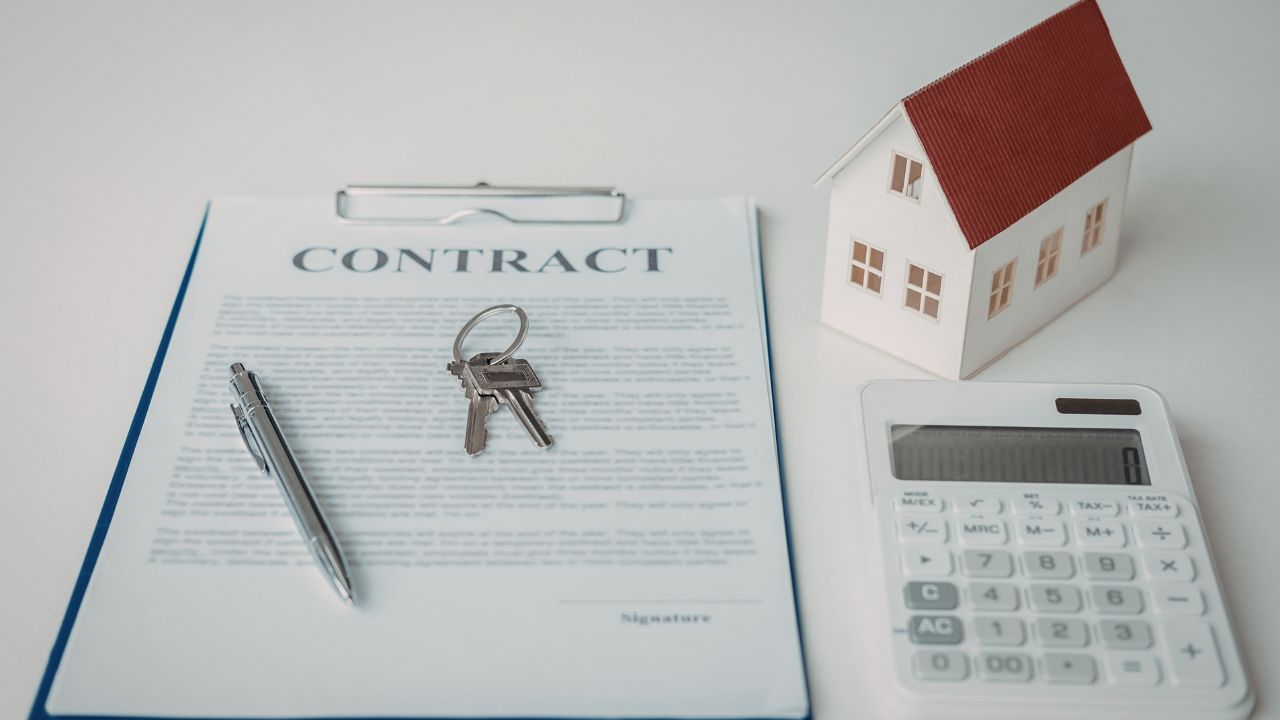
    Creating a solid rental agreement is the most important step in establishing a successful relationship between a landlord and a tenant. In California, where rental regulations are detailed and frequently updated, having a clear written document helps prevent misunderstandings and legal disputes.

    A well-drafted lease ensures that both parties understand their rights and responsibilities from the very first day. The ultimate lease agreement is one of the many things we handle at Uplift Property Management.

    Picture owning a newly renovated home in Chula Vista and renting it out with only a verbal agreement. At first, everything seems fine, until your tenant brings in two large dogs and parks a broken trailer on the lawn.

    With no written terms covering pets or parking, enforcing rules turns into a costly legal headache. Situations like this highlight why clear rental agreements matter and how they protect property owners from avoidable disputes.

    Essential Parties and Occupancy Limits

    Every rental agreement should clearly name the landlord and all adult tenants.

    Listing everyone over 18 ensures each person is legally responsible for the rent and lease terms. This creates “joint and several liability,” meaning if one tenant leaves or doesn’t pay, the others are still fully responsible for the entire rent and obligations.

    It is also wise to specify the maximum number of occupants allowed in the unit. California generally follows a standard that allows two people per bedroom plus one additional person, though local ordinances in San Diego County may vary.

    Defining these limits helps prevent overcrowding and reduces excessive wear and tear on the property.

    Terms of Rent and Payment Logistics

    The lease should clearly state the monthly rent amount and its due date, typically the first. It must also list accepted payment methods.

    Even if you prefer digital payments, California law requires offering at least one non-cash, non-electronic option, such as a personal check or money order, to ensure tenants have accessible ways to pay.

    In addition to the monthly rent, the agreement should detail any late fees. California law requires late fees to be reasonable and based on the actual costs the landlord incurs due to the late payment.

    You should also specify if there are any charges for returned checks. Clearly stating these financial terms in the agreement ensures the tenant knows exactly what is expected and when.

    Security Deposits and Modern Refund Rules

    Security deposits are a common source of tension in California rentals.

    In most cases, landlords can only charge up to one month’s rent as a deposit, whether the unit is furnished or not. A narrow exception allows some small landlords to charge up to two months’ rent, but this does not apply when the tenant is an active service member.

    California recently updated how security deposits are returned. If rent or deposits were paid electronically, refunds must also be issued electronically unless both sides agree otherwise in writing.

    Landlords must notify tenants of this right. The 21-day rule still applies: after move-out, you must send an itemized deduction list and any remaining balance promptly.

    Maintenance and the New Appliance Mandate

    A clear lease spells out maintenance responsibilities. In California, landlords must keep a property habitable, while tenants handle cleanliness and fix damage they cause.

    Starting January 1, 2026, rentals must include a working stove and refrigerator to meet habitability standards. That also means landlords are responsible for keeping these appliances in good working condition throughout the tenancy.

    Your lease should clearly assign responsibility for yard care, pool maintenance, and pest control, especially given San Diego County’s varied conditions. It should also forbid tenants from making alterations like painting or changing locks without written approval.

    Requiring consent protects your property’s condition and ensures any work done meets proper safety and quality standards.

    Policies on Pets and Smoking

    Pet and smoking rules need to be crystal clear. If pets are allowed, define limits on number, size, and type. California law caps total security deposits at one month, so instead of extra deposits, landlords often charge monthly pet rent.

    If pets aren’t allowed, say so plainly, but remember, service and emotional support animals are legally exempt under fair housing rules.

    Smoking policies are equally important for property preservation. Landlords have the right to prohibit smoking of any substance anywhere on the premises, including outdoor areas like balconies or patios. Establishing a non-smoking policy can significantly reduce cleaning costs and fire risks.

    California requires several specific disclosures to be included in or attached to the rental agreement. These include information about lead-based paint for buildings constructed before 1978, bed bug history, and proximity to former military ordnance locations.

    There are also specific notices required regarding flood zones and the presence of mold.

    Furthermore, the agreement should outline the landlord’s right to enter the property. Under state law, a landlord can enter for repairs, inspections, or to show the unit, but they must generally provide 24 hours of written notice.

    The entry must also occur during normal business hours except in cases of emergency.

    Bottom Line

    A detailed rental agreement is the backbone of a smooth, professional tenancy. It should clearly outline rent terms, the one-month security deposit cap, maintenance responsibilities for appliances, and required legal disclosures. These details protect your finances while giving tenants clear expectations.

    When issues arise, a written contract gives you a solid reference to resolve disputes quickly and fairly. In California’s complex legal landscape, being thorough isn’t optional; it’s your best defense.

    Navigating the nuances of local laws and managing day-to-day tenant interactions can be overwhelming for individual owners.

    Uplift Property Management can help landlords by drafting legally compliant agreements, screening for high-quality tenants, and handling all maintenance and communication.

    Our expertise in the local market ensures that your investment is managed according to the highest standards. Contact us today to learn how we can take the stress out of your rental property management.

  • 4 Costly Legal Mistakes San Diego Landlords Must Avoid

    4 Costly Legal Mistakes San Diego Landlords Must Avoid

    At Uplift Property Management, we see the same pattern over and over. Many landlords are not trying to cut corners, but they still end up facing expensive legal problems because they misunderstood a rule, missed a deadline, or used the wrong process.

    In California, and especially in San Diego, landlord-tenant law is detailed and unforgiving. A small mistake with a notice, a deposit, or a tenant conversation can turn into a serious financial issue. For property managers and real estate investors, understanding these risks is part of protecting the asset and avoiding unnecessary disruption.

    Eviction Rules Leave Very Little Room for Error

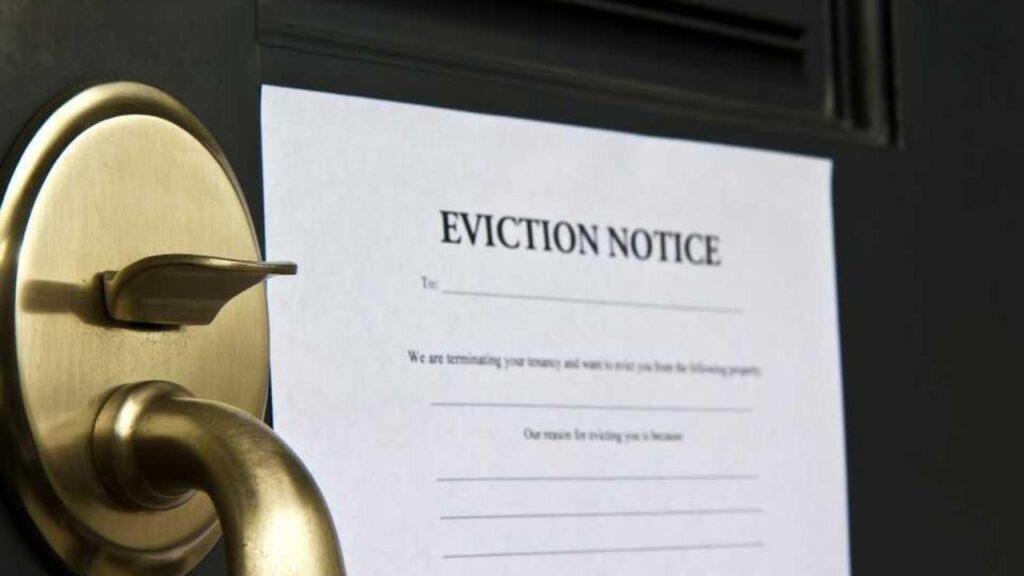
    Evictions are one of the fastest ways for a landlord to end up in legal trouble. California’s Tenant Protection Act, AB 1482, changed how many terminations must be handled by separating them into at-fault and no-fault categories. That distinction matters because the rules, notice requirements, and financial obligations are not the same. 

    In San Diego, no-fault terminations can trigger relocation assistance requirements. Depending on the circumstances, that may mean paying two or even three months of assistance to the tenant before the process is complete. Missing that requirement can derail the entire case. 

    Notice language is another major issue. Courts do not give much flexibility when wording is wrong or service is not handled correctly. A landlord can have a case thrown out over a technical mistake, even when the underlying reason for the eviction is valid. That means more lost rent, more court costs, and more delay. 

    This is also why landlords need to understand the difference between a lawful process and a risky shortcut. Pushing a tenant out without following the exact legal framework can create much bigger problems than the vacancy itself. That is especially true when dealing with nonpayment situations, which often overlap with broader issues around California tenant rent default rules.

    Security Deposit Errors Are Expensive and Common

    Security deposits are another area where landlords often make mistakes without realizing it. California places limits on how much can be collected, and there are strict rules around what can be withheld after move-out. According to the transcript, the usual benchmark is about one month’s rent, with some exceptions depending on the property and situation. 

    The real risk shows up after the tenant leaves. Landlords cannot deduct whatever feels reasonable. Deductions generally need to be tied to unpaid rent, damage beyond normal wear and tear, or cleaning that is actually necessary. That sounds straightforward, but in practice, “damage” and “wear and tear” are often the source of disputes. 

    The 21-day deadline is where many owners get burned. The deposit, itemized statement, and supporting documentation must all be handled within that window. The transcript also highlights the importance of before-and-after photos and records of any completed work. Without that documentation, a deduction can become much harder to defend. 

    From an operations standpoint, this comes down to process. Good move-in photos, consistent inspections, and digital records can save thousands later. It also helps to understand the bigger financial picture of rental ownership, including rental property tax deductions and expense rules, because legal compliance and financial discipline usually go hand in hand.

    Fair Housing Problems Are Often Unintentional

    Fair housing violations are not always blatant. In fact, many of the most dangerous ones happen during normal conversation. The transcript makes the point clearly: California protections go beyond the federal baseline, and landlords need to be especially careful around source of income, including Section 8. Refusing that outright can create a fair housing problem immediately. 

    What makes this area so tricky is that violations can happen in marketing, tenant screening, and casual communication. A landlord may think they are just being friendly by asking personal questions, but those questions can become part of a discrimination claim if the applicant is later denied. Asking about children, marital status, or a partner may feel harmless in conversation, but it can create real exposure. 

    The solution is consistency. Every applicant should go through the same process, using the same standards, with the same documentation. Informal decision-making is where fair housing risk grows.

    That matters even more for owners who are not local and may already be managing from a distance. In those cases, a tighter system and cleaner communication become essential, which is one reason long-distance landlord best practices matter more than many investors realize. For legal context, federal fair housing guidance and tenant protections are also worth understanding at a practical level.

    Rent Control and Local Rules Cannot Be Treated as General Advice

    One of the clearest points in the transcript is that landlords need to understand the rules for their specific property, not someone else’s. AB 1482 limits annual rent increases for covered properties to 5 percent plus CPI, with a maximum of 10 percent over a 12-month period. Even when inflation rises higher, that cap still controls. 

    That alone is enough to cause problems for owners who rely on outdated assumptions. But San Diego County adds another layer. The transcript identifies the City of San Diego, Chula Vista, and Imperial Beach as cities with their own tenant protection guides that landlords may be required to provide before tenancy begins. Missing that step is not a minor oversight. It is a compliance failure. 

    Exemptions may apply, especially for some single-family homes, but relying on hearsay is dangerous. Owners need to confirm whether their own rental falls under these rules and document that decision carefully. Market conditions also shape how landlords think about rent and timing, which is why broader housing market and rental trend data can be useful when evaluating strategy alongside compliance.

    A practical way to stay ahead of these issues is to build recurring checks into ownership and management workflows. A strong yearly landlord compliance checklist  helps reduce the chance that an important disclosure, deadline, or update gets missed.

    Documentation Is What Protects You When Something Goes Wrong

    Across every issue in the transcript, one theme keeps showing up: documentation drives outcomes. 

    If the notice is challenged, documentation matters. If the deposit is disputed, documentation matters. If a screening decision is questioned, documentation matters. Digital records, signed disclosures, dated photos, and consistent files are often the difference between a manageable issue and a costly one.

    This is where many landlords struggle. They may understand the rule in theory, but their systems are not strong enough to support it in practice. That is usually when small errors turn into bigger legal and financial problems.

    Key Takeaways

    • Eviction mistakes often come down to incorrect notices, bad service, or missed relocation requirements
    • Security deposit disputes usually happen because of poor documentation or missed deadlines
    • Fair housing violations are often unintentional and can happen during everyday conversations
    • Rent control rules and tenant protection guides depend on the property and city involved
    • Strong documentation is one of the best protections a landlord can have

    Final Thoughts

    Owning rental property in San Diego comes with real opportunity, but it also comes with legal complexity. The landlords who avoid costly mistakes are usually the ones who take compliance seriously before there is a problem.

    At Uplift Property Management, that means staying disciplined with process, documentation, and local requirements so that one small oversight does not turn into a much bigger issue.

  • How to Film a Great Video Tour of Your Rental

    How to Film a Great Video Tour of Your Rental

    Key Takeaways

    • Video tours help attract more qualified tenants and reduce vacancy time.
    • Proper preparation, lighting, and staging significantly improve video quality.
    • A clear walkthrough plan ensures a smooth and engaging viewing experience.
    • Using the right equipment and filming techniques creates a more professional result.

    Video marketing has become a crucial tool for showcasing rental properties in today’s rapidly expanding digital real estate landscape.

    At Uplift Property Management, we’ve seen firsthand how potential renters no longer rely on written descriptions or static images. Instead, they want to visualize the space and experience the layout before even scheduling an in-person showing.

    Potential renters no longer look for written descriptions or static images. Instead, they visualize the living space and have immersive experiences before even scheduling for an in-person inspection. 

    You can enhance the appeal of your property through a well-produced video tour. This will also help to reduce vacancy periods and attract high-quality tenants. Creating an effective video tour is an art and a strategic process for both property managers and landlords. 

    Landlords who poorly execute video tours often fail to capture interest or end up misrepresenting the property. 

    In this article, we will provide a comprehensive overview of how to film a great and engaging video tour. This will include preparation, filming techniques, editing, and distribution of the video. 

    Why Is a Video Tour Necessary During Rental Marketing?

    In the rental industry, a video tour is a powerful marketing strategy. That is because it provides a realistic and continuous presentation of the property in terms of features, flow, atmosphere, and layout. 

    Video tours have numerous advantages, one of which includes the ability to build trust. Any and all video tours reduce uncertainty and increase confidence in the decision-making process by providing potential tenants with a more accurate understanding of the rental property.

    Tips for Filming a Great Video Tour

    There’s a lot of thought that goes into filming a great video tour. Below are some of the top tips to consider when doing so.

    Prepare the Property for Filming

    The property has to be fully prepared before filming commences. That is because presentation determines the perception that potential tenants will have about the rental property.

    Viewers’ impressions can be influenced by even minor details, and they are the ones who will be keeping your rental business profitable. Below are some ways to prepare the property.

    • Clean and declutter: It is essential to clean and declutter the rental property before creating a professional video. Ensure that you remove unnecessary decorations, excessive furniture, and personal items. Doing so will create a spacious and neutral environment.
    • Stage the property: Staging is a process where marketers highlight the best attributes of the rental property by arranging decor and furniture. Even when the rental property is unfurnished, you can use minimal staging (plants or simple decorative features) to enhance visual appeal.
    • Optimize lighting: One of the most crucial elements during video production is lighting. For that reason, it is essential to maximize natural light by opening blinds and curtains. The best time to film a video tour is during daylight. 

    Use artificial lighting to illuminate areas that have limited natural light. Video quality can be affected by excessively bright spots or harsh shadows. Ensure that you avoid these. 

    Plan the Video Tour

    A clear plan is necessary to obtain a successful video tour. The absence of structure will make the end product appear confusing or disorganized. When planning your video tour, ensure the following:

    • Create a logical flow: There should be a logical sequence that mimics how a visitor will walk through the property during an inspection. Normally, such a walkthrough commences at the exterior area, from the entrance to the living area, kitchen, bedrooms, bathrooms, and other additional spaces. Viewers will understand the layout without feeling disoriented if you maintain a consistent flow.
    • Highlight key features: Ensure that you identify the most attractive features on your property before you start filming. Some of such characteristics may include storage spaces, scenic views, modern appliances, spacious living areas, and upgraded finishes. This includes the exterior. For tips on enhancing your property’s curb appeal, look into this guide.
    • Keep your target audience in mind: It is essential to understand your target audience. Doing so will help you tailor the video creation accordingly. When the video meets the requirements of your target audience, its effectiveness increases.

    Choose the Right Equipment

    The professionalism of a video tour significantly depends on the quality of the equipment. However, it is not always necessary to get expensive equipment. Some tools you may consider include:

    • Camera options: When filming rental tours, you may use modern smartphones that have the capacity to record high-resolution videos.Those who want additional control over settings may go for alternatives such as camcorders or digital cameras. To ensure clarity, it is advisable to record the video in high-definition, irrespective of the device.
    • Stabilization tools: Viewing experiences can be affected by shaky footage. For that reason, it is advisable to invest in handheld stabilizers or tripods. To capture fluid moments when walking through the property, we recommend gimbals.
    • Audio: Although most video tours depend on visual features alone, narration is included in some. Clear audio is required for video tours that have narrations. We recommend that you use external microphones to improve sound quality and minimize background noise. 

    Filming Techniques for a Professional Look

    What sets an ordinary video apart from a professional one is the way it’s filmed. To give your video a polished, high-quality feel, follow the tips below. 

    The difference between a good video and a great one can directly impact how appealing your property is to potential tenants – ultimately influencing how quickly you fill vacancies.

    • Use smooth, controlled movements: Ensure that you move the camera slowly and steadily to capture a clear view of every space. A video can be difficult to follow if it has abrupt transitions or rapid movements. You can create a polished presentation by avoiding sudden changes and walking at a steady pace. 
    • Maintain proper framing: Ensure that you carefully frame each shot to capture the entire room and maintain balance. The size and layouts of a space can be showcased by wide-angle shots. However, it is not advisable to use wide-angle lenses excessively because they can distort proportions. 
    • Capture multiple angles: When creating a video tour, ensure that you provide a more comprehensive view of each room by filming it from different angles. Details such as appliances, finishes, or fixtures can be highlighted by close-up shots.

    Bottom Line 

    In modern property marketing, it is an essential skill to know how to film a great video tour of a rental property. Successful landlords and property managers offer compelling visual experiences for potential tenants by providing them with immersive video tours. 

    At Uplift Property Management, we help landlords and property managers elevate their marketing strategies with professional guidance and proven techniques.

    By combining thoughtful preparation with effective filming and editing, you can showcase your property in the best possible light and achieve better rental results.

  • How to Minimize Vacancy Rates in Your Rental Properties

    How to Minimize Vacancy Rates in Your Rental Properties

    Key Takeaways

    • Strong communication and timely maintenance are essential for keeping tenants satisfied and reducing turnover.
    • Small property upgrades and competitive amenities can make your rental more attractive without major renovations.
    • Thorough tenant screening and clear lease agreements help prevent conflicts and long-term vacancies.
    • Starting lease renewal conversations early gives you time to retain tenants or market the property before it sits empty.

    Vacancy rates are one of the most reliable measures of how successful your rental property is. Low tenant retention rates and high turnover rates are the enemies of rental property profits.

    While landlords may not stop tenants from moving out of their property, there is a lot they can do to minimize these occurrences.

    At Uplift Property Management, we help property owners implement effective systems that improve tenant satisfaction, streamline operations, and protect long-term profitability.

    If you are struggling to find and keep quality tenants in your rental property and wondering how to solve the problem, this blog post is for you. In this article, we will examine the common reasons good tenants give for not renewing their lease and what you can do to improve your rental’s tenant retention rates.

    Why Good Tenants Don’t Renew Their Lease

    Keep in mind that most tenants will not leave a rental if they are happy with the property and the owner. No rental property or landlord is perfect, but if tenants feel heard and seen by the owner, they will usually be willing to work through any problems with the landlord.

    Understanding the reasons why tenants want to move out of your property will give you important insights into what you can do to fix the problem. So, what are the most frequently cited reasons why tenants move out of your rental, instead of renewing their lease?

    Poor Communication

    Tenants want to be treated with respect and consideration. 

    This means they expect the landlord to go out of his/her way to inform them of any developments that affect their lives. It also means that tenants’ repair requests should be acknowledged, and the landlord must provide regular updates on the steps being taken to solve the problems.

    To ensure that poor communication is not a problem in your rental, you need clear communication protocols. Tenants must understand what constitutes an emergency and how to submit repair requests.

    A dedicated online portal where tenants can access their records and contact your team can radically improve tenant satisfaction. 

    Delayed or Inadequate Repairs

    If property repairs are not done on time or properly, tenants may stop complaining but silently resolve not to renew their lease.

    Most times, only low-quality renters will remain in a property where the landlord doesn’t keep up with the rental’s maintenance needs. These tenants stay because they have nowhere else to go.

    The best way to ensure that maintenance does not become an issue between you and your tenants is to do preventive maintenance. This means doing periodic inspections to identify budding issues in the property. This will let you find and fix problems before they disrupt your tenants’ lives or cost you a lot of money to fix.

    Inferior or Outdated Amenities

    Tenants will feel as if you are ripping them off if they can find better accommodations in your location at the same or a slightly higher rent. 

    Just like landlords, tenants are always comparing their rental property to similar rentals to see if they are getting a good deal. If your competition offers something better, your tenants will leave.

    To fix this problem, you do not have to do expensive renovations in your building. What you need are small changes that actually improve the appeal and functionality of your rental.

    Examples include: more storage space, replacing door, plumbing & cabinet hardware, exterior & interior painting, low-flow plumbing fixtures, LED lighting, etc.

    Frequent Conflict with Neighbors

    One unruly tenant can ruin your rental property for other tenants, especially if those good tenants think you are not doing enough to solve the problem.

    Problems like constant movements at night, loud music, barking or aggressive dogs, smoking in no-smoking areas, etc., can force good tenants to move out of your rental property.

    This issue underscores the importance of having clear community guidelines and enforcing the rules. Your tenants not only want to see that you are actively working to resolve the conflicts, but they also expect you to be fair.

    A good lease agreement and proper tenant screening can help you avoid these situations. More on that later.

    How to Maximize Tenant Retention Rates in Your Rental Property

    Apart from fixing the above problems, what additional steps can you take to minimize vacancy rates in your rental property?

    A Watertight Lease Agreement

    Tenants value clarity, consistency, and transparency. They want to know what their role is versus the landlord’s role. 

    They want to know the rules early on in the relationship. A detailed lease agreement helps you define the guidelines for your property. It injects trust and professionalism into your relationship with tenants.

    Comprehensive Tenant Screening

    Good tenant screening minimizes the risk that you will rent to a tenant whom you will eventually have to evict. It also helps you avoid leasing to tenants who will owe on rent, damage your property, or violate the lease terms.

    By thoroughly vetting potential renters before renting to them, you eliminate low-quality applicants.

    Enforce the Rules Consistently

    You must hold up your own side of the bargain as far as the lease terms are concerned. This means doing your part to maintain the property in the best possible condition.

    When landlords enforce the rules on themselves, it makes it easier to demand compliance from tenants. Tenants respect landlords who are fair and consistent.

    Focus on Maximizing Retention Rates

    A 30-day vacancy can wipe out an entire year’s worth of rental profits. That’s because even if your rental is not earning any money, you still have to cover mortgage, taxes, insurance, and utilities.

    This does not include your turnover costs. Sometimes you are better off with a lower rent, instead of allowing your property to be vacant.

    Start the Lease Renewal Conversation Early

    Don’t wait until the end of a tenancy to find out if a tenant plans to renew their lease or not. Initiate the conversation about lease renewal 60-90 days before the lease expires. 

    People-Having-Conversation-at-the-Table.jpg

    When sending a notice to your tenant, include the terms for a new lease. If the tenant declines your offer, you will have lots of time to start marketing the property.

    Bottom Line

    To sum up, if you want to reduce vacancy rates and improve tenant retention rates in your rental property, embed transparency and professionalism in your operations. Ensure tenant satisfaction by being proactive with communication and maintenance.

    Also, protect your property with a good lease and ensure comprehensive tenant screening. At Uplift Property Management, we work closely with landlords to optimize rental operations, enhance tenant satisfaction, and protect long-term revenue.

  • How to Set Clear Expectations with New Tenants- A Landlord’s Guide

    How to Set Clear Expectations with New Tenants- A Landlord’s Guide

    Key Takeaways

    • Proper communication with tenants is crucial to kickstart any new tenancy. 
    • Landlords who fail to set proper expectations with their new tenants may end up having to deal with miscommunication and frustration. 
    • The best way to ensure communication with tenants runs smoothly is to partner with a property management team. 

    Starting a new lease is more than a handoff of keys. It’s the point where standards are set, responsibilities are clarified, and the tone of the landlord-resident relationship is established. When expectations are vague, small issues can turn into recurring problems. When expectations are clear from day one, management becomes more consistent and predictable.

    For rental property owners in Riverside County, setting expectations early helps reduce misunderstandings, improve communication, and support smoother day-to-day operations. Continue reading this guide by Uplift Property Management to learn more.

    Why Clear Expectations Matter

    Clear expectations create structure. Residents understand what is required of them, and property owners can manage the property with fewer surprises.

    Most common issues in rental properties (such as late payments, maintenance delays, or policy violations) can often be traced back to unclear communication at the start of the lease. When expectations are defined early, both parties operate with the same understanding, which reduces friction throughout the tenancy.

    Start with a Strong Lease Agreement

    A person signing a contract.

    The lease agreement is the primary tool for setting expectations. It should clearly outline the terms of the rental, including payment obligations, property rules, and responsibilities for both parties.

    Instead of using general or vague wording, the lease should be specific and easy to interpret. Residents should know exactly when rent is due, what happens if it is late, and what is expected when it comes to maintaining the property.

    A well-structured lease not only protects the property owner but also gives residents a clear reference point for how the rental will be managed.

    Walk Through the Property Together

    A move-in walkthrough helps turn written expectations into something tangible. It gives residents a clear understanding of the property’s condition and how everything works.

    During this process, it’s important to document the condition of the unit and address any existing wear and tear. This creates a shared record that both parties can rely on later.

    This step also allows you to explain how systems and appliances function. When residents know how to properly use the property, it reduces the likelihood of avoidable maintenance issues.

    Set Clear Rent Payment Expectations

    Rent collection is one of the most important aspects of managing a rental property, so clarity here is essential.

    Residents should know exactly when rent is due, how it should be paid, and what happens if a payment is late. Even small uncertainties, such as unclear grace periods or payment methods, can lead to inconsistent or missed payments.

    Consistency matters just as much as clarity. When policies are enforced the same way for all residents, it creates a structured and fair system that encourages on-time payments.

    Define Maintenance and Repair Procedures

    A floor being swept.

    Maintenance is one of the most common areas where confusion can occur. Residents need to know how to report issues and what to expect once a request is submitted.

    Clear procedures should explain how maintenance requests are submitted, what qualifies as urgent, and how long repairs typically take. Without this structure, residents may delay reporting problems or attempt to fix issues themselves, which can lead to more costly damage.

    When expectations are clearly communicated, maintenance becomes more efficient and easier to manage.

    Communicate Rules Around Property Use

    Every property has rules that help maintain its condition and ensure a comfortable environment. These rules should be communicated clearly at the beginning of the lease.

    This includes expectations around occupancy limits, guests, noise, and the general use of the property. When residents understand these boundaries early, it reduces the likelihood of complaints or violations later.

    Clarity also makes enforcement more straightforward. If a rule is clearly stated from the beginning, there is less room for disagreement if an issue arises.

    Establish Communication Channels Early

    Communication is a key part of successful property management. Residents should know how to reach you and what kind of response they can expect.

    Setting expectations around communication helps avoid frustration. Residents should understand which channels to use for general questions, maintenance requests, and emergencies.

    When communication systems are clear and consistent, it becomes easier to respond quickly and keep everything organized.

    Discuss Move-Out Expectations at Move-In

    Stacks of moving boxes.

    Many landlords wait until the end of the lease to discuss move-out expectations, but introducing them at the beginning can prevent confusion later.

    Residents should understand what will be required when they move out, including maintenance expectations, notice periods, and how the security deposit will be handled. This early awareness often encourages residents to take better care of the property throughout their tenancy.

    Setting these expectations upfront can make the move-out process more straightforward and less likely to result in disputes.

    Put Everything in Writing

    Verbal explanations are helpful, but written documentation ensures clarity. Residents should have access to all important information in a format they can refer back to when needed.

    This includes the lease agreement, move-in inspection reports, and any property-specific policies. Written records also help property owners maintain consistency across different residents and properties. Clear documentation supports better communication and reduces misunderstandings.

    Reinforce Expectations Throughout the Lease

    Setting expectations once is not always enough. Reinforcing them throughout the lease helps keep everything on track.

    This can be as simple as sending reminders about rent, providing updates about policies, or communicating clearly during lease renewals. These touchpoints help ensure that expectations remain clear over time. Ongoing communication keeps small issues from turning into larger problems.

    The Role of Professional Property Management

    Managing expectations consistently requires organization and structure. Property management companies help create systems that ensure expectations are clearly communicated and consistently enforced.

    Uplift Property Management supports property owners in Riverside County by handling leasing, communication, and maintenance coordination in a structured way. With clear processes in place, residents receive consistent information, and property owners benefit from more predictable operations.

    Professional management helps ensure that expectations are not only set at move-in but maintained throughout the entire lease.

    The Bottom Line

    Clear expectations are one of the most effective ways to create a smooth and professional rental experience. When residents understand their responsibilities and property owners follow consistent processes, everyday management becomes more efficient.

    From the lease agreement to ongoing communication, each step plays a role in setting and maintaining expectations. Taking the time to establish this structure at the beginning of a lease can lead to fewer disputes, better communication, and stronger long-term results.

    For more inquiries, contact Uplift PM Riverside County

  • Understanding Cash Flow: How to Keep Your Rental Business Profitable

    Understanding Cash Flow: How to Keep Your Rental Business Profitable

    Key Takeaways

    • Cash flow is one of the critical concepts at the center of real estate financial performance.
    • Property investors and landlords need to effectively understand and manage cash flow to see sufficient returns on their investments.
    • Partnering with a property management team can ensure you’re well-informed on these key concepts.

    Cash flow is a crucial concept when it comes to real estate investment. Whether a rental property will be a liability that drains resources or a financial asset that generates income depends on the cash flow. If expenses outweigh income, even when such properties are located in choice areas, they may be unprofitable. However, properties that provide strong cash flow and are well-managed offer long-term wealth, financial stability, and steady income. 

    In this article by Uplift Property Management, we will discuss the concept of rental property cash flow. This will include how cash flow is calculated and practical strategies to ensure that your rental property is profitable. 

    The Meaning Of Cash Flow In Rental Properties

    Cash flow can be defined as the total amount of money generated by a rental property after settling all financial obligations and operating expenses. It signifies the total amount of income that is left at the end of every month or year.

    Below is the formula for calculating cash flow:

    Cash Flow =  Rental Income – Total Expenses 

    Several American five-dollar bills.

    Expenses here include all costs that are related to owning and managing the property. On the other hand, rental income includes all rent payments and other additional fees such as service fees, pet fees, or parking charges. A property may have one of these types of cash flow:

    • Break-Even Cash Flow: When the total income and expenses are the same amount.
    • Negative Cash Flow: This is when the total expenses are more than the total income.
    • Positive Cash Flow: Occurs when income exceeds expenses.

    From these explanations, it is essential to maintain positive cash flow if you want your rental business to be sustainable.

    Components Of Rental Income

    The first step towards effective management of cash flow requires a clear understanding of the sources of income in a rental property. Below are some common components of rental income:

    • Rental Payments: Monthly rent paid by tenants is one of the primary sources of income in most rental properties. It is essential to set the right rental price to ensure steady income and sustain competitiveness in the rental property market. 
    • Additional Revenue Streams: There are numerous ways to increase cash flow. Landlords may do this by including additional revenue sources such as utility reimbursements, late payment charges, pet fees, storage unit rentals, and parking fees. Although they may appear to be minor when considered individually, the overall income can be enhanced when considered collectively.
    A hand depositing a coin into a piggybank.

    What Are Operating Expenses?

    Operating expenses must be properly accounted for to ensure accurate calculation of cash flow. These expenses can be classified into: fixed expenses, variable expenses, and capital expenditure.

    • Capital Expenditure: These are expenses that constitute major investments in the rental property. Some of them include structural repairs, HVAC upgrades, or roof replacements. Although these expenses do not occur often, cash flow can be significantly affected anytime they are handled.
    • Fixed Expenses: These are expenses that are almost stable over time. Some of them include insurance premiums, property taxes, or mortgage payments. Regardless of occupancy, these expenses are predictable and must be paid.
    • Variable Expenses: These are expenses that vary depending on tenants’ usage or property conditions. Examples of such expenses include: Landscaping, cleaning, property management fees, maintenance, repairs, and utilities (if paid by the landlord).

    The Importance Of Cash Flow

    The financial health of a rental property depends on cash flow. That is because it determines if a rental property can be self-sustaining and contribute to the financial goals of an investor. Some of the benefits of cash flow include:

    • Financial Stability: The landlord can generate enough income that exceeds basic expenses and handle all costs pertaining to the rental property when there is positive cash flow. As a result, financial stability is certain and dependence on external funds is reduced.
    • Risk Management: It is easier to handle unexpected expenses, such as temporary vacancies or emergency repairs, when the rental property has a strong positive cash flow.
    • Investment Growth: With steady positive cash flow, investors can reinvest their gains into more rental properties. Doing so will expand their portfolio and increase long-term wealth.
    A row of residential properties.

    Strategies For Improving Cash Flow

    Strategic decision-making and active management are required to maintain positive cash flow. Landlords can control expenses and optimize income by using some of the strategies below.

    Set Competitive Rental Rates

    When aiming to minimize vacancies and maximize income, it is crucial to determine the appropriate rental price. That is because prolonged vacancy results from overpricing a rental property, while potential revenue may be reduced if it is underpriced. Landlords need to perform regular market analysis. Doing so will provide a clear understanding of local rental trends that will help in accurate price adjustments.

    Minimize Vacancy Rates

    Vacancies signify lost income. This lost income has a significant impact on cash flow. For that reason, landlords who aim to sustain profitability should consider reducing vacancy periods. Some approaches you can use to reduce vacancy include:

    • Giving incentives for lease renewals.
    • Prompt response to tenant inquiries.
    • Effective property marketing.
    • Maintaining the rental property in good condition.

    Tenants are more likely to renew their leases if they feel satisfied. And this will help to reduce turnover costs. 

    Thorough Tenant Screening

    Landlords who have reliable tenants enjoy stable cash flow because they pay their rent on time and maintain the property in good condition. Perform rental history evaluation, employment verification, and credit check during background screening.

    Final Thoughts

    The foundation of a profitable rental business is cash flow. That is because it determines if the Investment will sustain itself, become a financial burden, or generate adequate income. Financial planning, tenant management, cost control, and competitive pricing are necessary when aiming for positive cash flow. We recommend partnering with a professional property management company like Uplift Property Management to ensure that your cash flow stays positive.

  • Guide to Making a Solid Lease Agreement For Your Rental Property

    Guide to Making a Solid Lease Agreement For Your Rental Property

    Key Takeaways

    • Owning rental property in Riverside County can be a complicated and constantly changing job.
    • A lease agreement is a crucial tool for rental owners in Riverside County to see continued success.
    • The best way to maximize success as a rental owner in California is to partner with a professional property management team.

    Owning rental property in Riverside County is a different game than it was even a few years ago. With population growth spilling east from Los Angeles, tighter housing regulations across California, and a renter base that’s increasingly informed, the margin for error has narrowed. In this environment, a lease agreement is no longer just paperwork, it’s an operational backbone.

    For landlords and investors in Southern California, a well-built lease is less about filling blanks and more about controlling risk, setting expectations, and protecting long-term returns. When done right, it reduces friction, limits disputes, and keeps your rental business running smoothly even when challenges arise. Continue reading this guide by Uplift PM to learn more.

    Why the Lease Is a Business Tool

    Many disputes between landlords and tenants don’t start with bad intentions, they start with ambiguity. Unclear rent terms, vague maintenance responsibilities, or missing policies force landlords into reactive decision-making. That’s where stress, inconsistency, and legal exposure creep in.

    In Riverside County, where rental properties range from single-family homes in suburban neighborhoods to multifamily units near employment hubs, leases need to account for real-world use. A strong agreement answers questions before they’re asked and gives both parties a shared reference point when issues come up.

    Think of the lease as an operating manual for your property. The clearer it is, the less time you’ll spend managing misunderstandings.

    A lease agreement.

    California Context Matters More Than Ever

    California’s landlord-tenant laws are detailed and evolving. Local interpretations and enforcement can vary by county and city, which means generic lease templates often fall short.

    A Riverside County lease should reflect state-required disclosures, tenant protections, and local norms around notices, deposits, and access. Relying on verbal agreements or outdated documents exposes owners to unnecessary risk, especially if disputes escalate.

    Experienced investors treat lease drafting as a compliance exercise and a business strategy rolled into one.

    Core Elements Every Lease Must Get Right

    A strong lease starts with the basics. These foundational details set expectations early and prevent confusion or disputes later in the tenancy.

    • Full legal names of all adult occupants and the complete property address, including unit numbers, to avoid confusion
    • Clear rent terms, including the exact amount, due date, accepted payment methods, and late-fee consequences
    • Explicit lease start and end dates to prevent disputes over renewals or move-out timing
    • Signatures and dates from all parties to confirm mutual agreement and ensure enforceability

    Clarity in these areas isn’t about being strict, it’s about creating consistency and avoiding preventable conflicts.

    Policies That Prevent Problems Before They Start

    The most effective leases don’t just state basics, they anticipate common scenarios.

    Subletting and additional occupants are a frequent issue in Southern California, especially as housing costs rise. Addressing whether subletting is allowed, and under what conditions, gives landlords control over who occupies the property.

    A clean living room.

    Access and entry rules are another area where misunderstandings can escalate quickly. Tenants have a right to privacy, and landlords have a right to access for legitimate reasons. A lease that outlines notice requirements and entry purposes protects both sides.

    Maintenance responsibilities should also be clearly divided. While owners are responsible for habitability, tenants should understand their role in cleanliness, waste disposal, and reporting damage early. When expectations are written, enforcement becomes easier and more objective.

    Security deposits deserve special attention as well. California has strict rules around deposits, and tenants are increasingly aware of their rights. Explaining how deposits are handled, documented, and returned builds trust and reduces disputes at move-out.

    Why Verbal Agreements Create Expensive Risk

    In fast-moving rental markets like Riverside County, informal promises can feel convenient at the moment. But what sounds clear today may be forgotten tomorrow. Small misunderstandings often grow into costly disputes.

    Verbal agreements offer little protection when conflicts arise and rarely hold up under legal scrutiny. A written lease creates a clear, enforceable record that both parties can rely on. It also minimizes interruptions by giving tenants a reference point for everyday questions.

    From a risk-management standpoint, clarity on paper is always less expensive than conflict later.

    The Value of Professional Lease Drafting

    Many landlords assume they need an attorney to draft a compliant lease. In reality, experienced property management companies handle lease creation routinely as part of their operations.

    Because they work within California’s regulatory framework daily, professional managers stay current on legal requirements, disclosures, and best practices. Their leases are designed to balance compliance with practicality, protecting owners without alienating tenants.

    Just as importantly, lease drafting is usually integrated with tenant screening, rent collection, and maintenance systems. That integration reduces gaps between what’s written and how the property is actually managed.

    A person writing in a notebook.

    A Lease That Supports Growth, Not Just Stability

    For investors planning to scale, consistency is critical. Using standardized, well-structured leases across properties simplifies operations and reduces mental overhead. It also makes it easier to onboard new tenants, train staff, and transition management if needed.

    In Riverside County’s competitive rental landscape, professionalism is a differentiator. Tenants are more likely to respect properties, and renew leases, when expectations are clear and property management feels organized.

    A solid lease doesn’t just protect you when things go wrong. It makes things go right more often.

    The Bottom Line for Riverside County Landlords

    A lease agreement is one of the few tools landlords control entirely. When crafted thoughtfully, it reduces stress, limits liability, and creates smoother landlord-tenant relationships. It also sets the tone for how your property is respected and managed. Strong leases protect your time as much as your investment.

    In a regulated, high-demand market like Southern California, cutting corners on lease quality is a costly mistake. Clear terms, compliant policies, and professional structure turn a lease into a strategic asset rather than a reactive document. Partnering with an experienced property management team ensures your leases are compliant, practical, and aligned with how your rental actually operates. If you want fewer disputes, stronger tenant relationships, and a more scalable rental business, now is the time to work with professionals who understand Riverside County’s market and regulations. Contact Uplift PM today!

  • Quick Guide to Effective Tenant Screening in Temecula CA

    Quick Guide to Effective Tenant Screening in Temecula CA

    Key Takeaways

    • Finding a tenant in Temecula isn’t the challenge. Finding a reliable tenant who protects your property and pays consistently is where rental performance is won or lost.
    • Without a proper screening process in place, you run the risk of ending up with an unsuitable tenant who may leave you with damages, complaints, and missed payments.
    • The best way to ensure success as a property owner is to partner with a property management team.

    Temecula’s rental market sits at a unique intersection. It attracts professionals commuting to San Diego or Riverside, military families from nearby bases, and long-term residents drawn to schools, wine country, and suburban stability. That diversity creates opportunity, but it also makes tenant screening more critical than ever. On paper, many applicants look qualified. In reality, their reliability can vary significantly.

    For Temecula landlords and property investors, tenant screening isn’t about being selective for the sake of it. It’s about managing risk in a market where one bad placement can erase months of cash flow. Continue reading this guide by Uplift PM to learn more.

    Why Tenant Screening Matters More in Temecula

    Temecula rentals often command higher rents than surrounding Inland Empire cities, which raises the stakes. Mortgage payments, property taxes, and maintenance costs leave less margin for error. A single missed rent payment or early move-out can disrupt cash flow quickly.

    Common issues that stem from weak screening include:

    • Applicants stretching beyond what they can realistically afford
    • Residents bringing in unauthorized occupants
    • Delayed reporting of maintenance issues that become costly repairs
    • Lease breaks that force owners back into vacancy mode

    In a market where demand is steady but not unlimited, consistency matters more than speed.

    A person being interviewed.

    Set Your Standards Before the Listing Goes Live

    Strong tenant screening begins before the first inquiry, not after the application is submitted.

    Temecula landlords should clearly define acceptable income ranges, employment stability expectations, occupancy limits, pet policies, and screening requirements upfront. These criteria protect owners legally and operationally when applied uniformly. Including core requirements directly in your listing also filters out unqualified applicants early, which saves time and prevents awkward conversations later in the process.

    Pre-Screening

    Pre-screening allows landlords to identify fit before investing time or money into reports. A brief conversation or questionnaire can reveal whether it makes sense to move forward.

    Helpful early questions include:

    • What’s driving your move to Temecula right now?
    • When are you looking to move in?
    • How many people will live in the home?
    • Do you have pets?
    • Are you comfortable with credit and background screening?

    Equally important is behavior. Applicants who communicate clearly, show up on time, and submit information promptly often treat leases and rent the same way. Many unqualified renters disengage during pre-screening, which is a win, not a loss.

    Rental Applications Should Tell a Financial Story

    Beyond basic contact information, Temecula landlords should look for patterns in employment history, housing stability, and financial responsibility. Prior landlord references often reveal more than a credit score alone, especially regarding payment habits and property care.

    While income benchmarks are helpful, they should be evaluated alongside debt levels and overall stability. A slightly lower income with strong history can be less risky than a higher income with inconsistent behavior.

    A person using a laptop.

    Verifying Income in a Mixed Employment Market

    Temecula’s workforce includes salaried professionals, healthcare workers, tradespeople, remote employees, and self-employed individuals. Income verification needs to reflect that diversity.

    Pay stubs, offer letters, tax documents, or bank statements can help confirm earnings. Employer verification adds another layer, though landlords should expect limited disclosures due to privacy rules. The goal isn’t to interrogate, but to confirm that the story makes sense.

    Credit Reports

    Credit scores offer insight, but context is everything.

    Look beyond the number and examine payment history, debt load, and unresolved collections, especially housing-related ones. Repeated late payments or past evictions carry more weight than isolated financial setbacks.

    In Temecula, where many renters are transitioning from higher-cost coastal markets, thoughtful credit evaluation helps distinguish temporary strain from ongoing risk.

    Background Checks and Fair Housing Compliance

    Background checks should focus on safety and financial risk, not blanket disqualification. California law requires landlords to avoid discriminatory practices and evaluate applicants fairly.

    Decisions should always be based on consistent, documented criteria. When an application is denied, proper notices and professional communication protect owners from unnecessary disputes. Consistency is your strongest legal safeguard.

    Making the Final Decision

    Once screening is complete, communicate decisions promptly. Approved applicants should receive clear instructions for lease signing and move-in timelines. If an application is denied, documentation should be factual and compliant, especially when consumer reports are involved. Professional handling at this stage reinforces trust and protects your reputation.

    A person on a phone call smiling.

    Why Self-Screening Often Falls Short

    Many Temecula landlords begin by screening tenants themselves, especially when managing a small portfolio. While this approach may seem efficient at first, gaps often emerge over time.

    • Inconsistent criteria between applicants, which can result in uneven decisions, difficulty enforcing standards, and increased Fair Housing exposure
    • Missed warning signs due to time pressure, such as unstable employment, gaps in rental history, or reluctance to authorize background checks
    • Incomplete or poorly documented applications, leaving landlords vulnerable if decisions are questioned or challenged
    • Accidental Fair Housing missteps, often caused by informal conversations, subjective impressions, or applying standards inconsistently

    These issues rarely surface immediately. They tend to appear months later as unpaid rent, property damage, strained tenant relationships, or early lease termination, when the financial and emotional cost is far greater.

    The Advantage of Professional Property Management in Temecula

    A professional property management team brings structure, compliance, and experience to tenant screening. They use standardized criteria, verified reports, and legally sound procedures that reduce risk without slowing leasing.

    More importantly, screening doesn’t operate in isolation. It connects to lease enforcement, maintenance response, and tenant communication, areas where professional oversight makes a measurable difference. For Temecula investors focused on long-term performance, professional screening is an investment in stability.

    The Bottom Line for Temecula Landlords

    Tenant screening shapes everything that follows, from rent collection to renewals. In Temecula’s competitive and high-expectation rental market, careful screening is a foundational tool that all rental owners need to utilize for optimized results. Need a helping hand? Partnering with an experienced property management team delivers compliant screening, stronger tenants, and more reliable returns with local market expertise. Contact Uplift PM today to get started.

  • 5 Resident Questions Every San Diego Landlord Should Be Ready to Answer

    5 Resident Questions Every San Diego Landlord Should Be Ready to Answer

    In a competitive rental market like San Diego, the difference between a stable property and a stressful one often comes down to clarity.

    Tenants want to know what to expect. Owners want consistency and protection. Property managers sit in the middle, translating policy into practice.

    There are five questions residents consistently ask before and during a lease. The answers matter more than many investors realize because they shape retention, cash flow, and long-term asset performance.

    1. How Fast Is Maintenance Handled?

    Maintenance response time is one of the strongest indicators of management quality.

    Residents expect acknowledgment within 24 hours for standard requests. Emergencies such as fire or flooding should be addressed immediately. Everything else falls into a structured system: open the ticket, diagnose, dispatch a vendor, and close efficiently.

    For single-family portfolios, a five to seven day repair window for non-emergency issues is strong performance. Industry benchmarks typically aim for under ten days.

    Examples of standard maintenance:

    • Broken garbage disposal
    • Inoperable stove burner
    • Minor plumbing issues

    Examples of emergency maintenance:

    • Active water intrusion
    • Electrical hazards
    • Fire damage

    Routine maintenance not only protects tenant satisfaction but also preserves asset value. Poor response times lead to deferred damage, increased turnover, and negative reviews.

    Owners managing remotely often struggle with vendor coordination. Clear maintenance protocols are essential, particularly for investors managing from out of state. Practical strategies for remote oversight are outlined in long distance landlord management strategies.

    Preventative systems, documentation, and vendor relationships create predictability. Predictability protects returns.

    2. Can I Have a Pet?

    In San Diego, this is rarely the second question. It is often the first.

    Pet policy must balance market demand with property risk. Options include:

    • No pets allowed
    • Cats only
    • Size limitations
    • Breed restrictions

    However, landlords must distinguish between pets and assistance animals. Federal protections under the Fair Housing Act requirements for service and support animals apply regardless of property preference.

    Clear documentation procedures reduce friction and legal exposure.

    Pet-friendly rentals typically attract broader applicant pools in San Diego. At the same time, screening standards, pet deposits, and insurance considerations must align with state regulations.

    Policy consistency is key. Unclear pet rules create liability and tenant dissatisfaction.

    3. What Is the Grace Period for Rent?

    Rent timing influences cash flow reliability.

    A grace period means rent is due on the first, but late fees or delinquency actions begin after a defined buffer. Three days is common practice. On the fourth day, late fees are assessed and collection procedures begin.

    Some landlords allow five or ten days. Others allow none. The right answer depends on management philosophy and risk tolerance.

    In California, late fee enforcement must comply with California Civil Code rent collection standards. Fees must be reasonable and properly disclosed in the lease.

    Clear delinquency processes protect owners from prolonged non-payment. For a deeper breakdown of procedures when tenants stop paying, see what to do when a tenant doesn’t pay rent in California.

    Consistency is more important than flexibility. Once tenants learn the system, behavior stabilizes.

    4. How Do Lease Renewals Work?

    Retention is one of the most overlooked drivers of investment performance.

    Vacancy costs include:

    • Leasing commissions
    • Marketing expenses
    • Cleaning and turnover repairs
    • Lost rent

    A structured renewal process reduces those losses.

    Best practice is to begin renewal communication 60 to 90 days before lease expiration. Offering two options works well:

    • 12-month renewal
    • Month-to-month extension

    Digital tenant portals simplify execution. Electronic signatures reduce friction and increase renewal rates.

    Tenant retention creates predictable cash flow, lowers turnover stress, and stabilizes property value. Investors frequently calculate performance using metrics such as capitalization rate fundamentals. Retention directly influences those calculations by reducing vacancy.

    Strong communication before lease expiration signals professionalism and reduces surprise move-outs.

    5. What Happens During an Inspection?

    Annual safety inspections are not cosmetic reviews. They are risk management tools.

    During a standard safety inspection, vendors check:

    • Habitability concerns
    • Smoke and carbon monoxide detectors
    • Plumbing shut-off valves
    • Signs of water damage
    • General safety compliance

    These inspections typically take 30 minutes, depending on property size. Residents often do not need to be present.

    Inspections protect:

    • Tenant safety
    • Owner liability exposure
    • Insurance compliance

    California landlords must maintain habitable premises under California habitability standards. Documented inspections demonstrate diligence.

    The goal is not to judge décor. The goal is to prevent small issues from becoming large liabilities.

    Why These Five Questions Matter to Investors

    Each of these resident concerns ties back to core performance drivers:

    • Maintenance speed impacts reviews and renewal rates
    • Pet policies influence applicant volume
    • Grace periods affect cash flow timing
    • Renewal systems protect occupancy
    • Inspections reduce liability

    Investors managing from outside San Diego must be especially proactive.

    Strong management is not reactive. It is procedural.

    Key Takeaways

    • Maintenance response within 24 hours builds trust and protects assets
    • Pet policies must balance market demand with legal compliance
    • A three-day grace period is common, but consistency matters most
    • Renewal conversations should begin 60 to 90 days before lease expiration
    • Annual safety inspections reduce liability and protect property value

    Final Thoughts

    Rental property performance is built on operational clarity.

    When residents understand maintenance timelines, rent expectations, renewal options, and inspection procedures, conflict decreases and stability increases.

    In a competitive San Diego market, disciplined systems separate average management from exceptional stewardship. At Uplift Property Management, these processes are not treated as optional add-ons but as foundational standards designed to protect assets, support residents, and create consistent long-term returns for owners. The fundamentals are not complicated. They are simply executed consistently.

    Legal Disclaimer:
    This content is provided for informational purposes only and does not constitute legal advice. California landlord-tenant laws change frequently. Property owners should consult with a qualified attorney or local housing authority regarding specific legal questions.