Learn how a pre-move-out inspection can help San Diego renters understand potential security deposit deductions and address eligible issues before leaving.
Main Key Takeaways
A pre-move-out inspection can reduce uncertainty during an already stressful move.
Uplift identifies visible issues that could lead to security deposit deductions.
Tenants have time to clean or correct eligible items before returning possession.
The inspection generally occurs during the final two weeks of the tenancy.
It is not a final accounting or a guarantee that the full deposit will be returned.
Home repair
Moving is already stressful. Between packing, arranging transportation, changing utilities, and preparing a new home, worrying about unexpected security deposit deductions can make the process even harder.
A pre-move-out inspection provides helpful information before you return possession of your San Diego rental home. Instead of waiting until after you move to learn about possible charges, the inspection gives you an opportunity to understand what may need attention while you can still do something about it.
A pre move-out inspection lets us inspect your unit and let you know about any possible charges that could be deducted from your security deposit. This allows you to fix or repair anything before final move-out and have a better chance of receiving your full deposit back.
What Happens During a Pre-Move-Out Inspection?
During the inspection, an Uplift representative reviews the accessible areas of your rental and identifies visible conditions that may require cleaning or repair.
Possible concerns may include:
Incomplete cleaning
Tenant-caused wall or flooring damage
Broken fixtures
Personal belongings that must be removed
Landscaping that was the tenant’s responsibility
Damage beyond ordinary wear and tear
You may then have time to address eligible issues before your final move-out date.
Home Repair
When Should You Schedule the Inspection?
California tenants may request an initial inspection before the tenancy ends and may choose to be present. The inspection generally occurs during the final two weeks of the tenancy and during normal business hours.
Requesting it early enough gives you more time to clean, remove belongings, or complete approved corrections without rushing on your final day.
Will the Inspection Prevent Every Deduction?
A pre-move-out inspection cannot guarantee the return of your full security deposit. Furniture or belongings may conceal damage, and additional issues may appear after the property is empty. Damage could also occur while furniture is being removed.
However, the inspection can reduce surprises, clarify expectations, and help you feel more prepared for your move.
Start by reviewing Uplift’s move-out procedures and detailed move-out guidelines. Planning ahead can make your move smoother and improve your opportunity to receive more of your security deposit back.
What San Diego renters should know about California’s 21-day deadline, possible deductions, and avoiding delays after moving out
Security Deposit
Main Key Takeaways
California landlords generally have 21 calendar days after regaining possession to return the remaining deposit and provide an itemized statement of deductions.
Uplift mails the security deposit disposition to the forwarding address provided by the tenant.
Cleaning costs, unpaid rent, damaged items, and repairs beyond normal wear and tear may be deducted when permitted.
Tenants can request a pre-move-out inspection to identify potential charges before leaving.
Returning all keys, removing belongings, and providing a forwarding address can help prevent delays.
If you are moving out of an Uplift-managed rental in San Diego, you may be wondering: “When will I receive my security deposit?”
Uplift will have your security deposit disposition postmarked and mailed to your provided forwarding address within 21 days after you move out and return possession of the property. Under California law, the landlord must generally provide either a full refund or the remaining balance with an itemized statement explaining any lawful deductions within this period.
When Does the 21-Day Period Begin?
The timeline begins when the landlord or property manager regains possession—not necessarily when you begin moving your belongings.
Before leaving, tenants should:
Remove all personal property
Return every key and remote
Complete the required cleaning
Pay outstanding rent and other charges
Provide Uplift with a correct forwarding address
If no forwarding address is provided, Uplift may mail the disposition to the tenant’s last known address, which could delay delivery.
Moving Out
What Can Be Deducted From a Security Deposit?
California law permits certain reasonable deductions, which may include unpaid rent, necessary cleaning, and repairs for tenant-caused damage beyond ordinary wear and tear.
Potential Uplift move-out charges may include professional cleaning, carpet cleaning, removal of abandoned belongings, landscape restoration, and repairs for damage beyond normal use. Replacement or repair charges may be prorated when appropriate based on the item’s age and expected lifespan.
When deductions are taken, tenants should receive an itemized statement and the documentation required by California law.
How Can You Improve Your Chances of Receiving More Back?
Request a pre-move-out inspection. This inspection may occur during the final two weeks of the tenancy and identifies cleaning or repairs that could result in deductions, giving you time to address eligible items before leaving.
Take dated photographs after cleaning, keep your move-out documents, and confirm that Uplift has your forwarding address.
Review Uplift’s complete move-out procedures before returning possession. You can also visit the Tenant FAQs for additional information about inspections, deductions, and security deposit timelines.
This article provides general information and is not legal advice.
A look at how Uplift Property Management evaluates, documents, and monitors vendors serving San Diego rental properties
When maintenance is needed, rental property owners want to know that the person entering their property is qualified, properly documented, and accountable for the work performed. At Uplift Property Management, vendors must complete an approval process before they can be assigned to a managed property.
Main Key Takeaways
Vendors must receive corporate approval before performing work.
Uplift collects a W-9, current proof of liability insurance, and applicable business licenses or professional certifications.
Vendor documents and contact information are maintained in AppFolio and internal records.
Detailed work orders help vendors understand the problem and scope of work.
Repairs are monitored through scheduling follow-ups, completion confirmation, and invoice review.
Property Maintenance
What Does Uplift Require From Its Vendors?
Before a vendor can work at an Uplift-managed rental property, the company must receive and review several important documents. These include the vendor’s W-9, a current certificate of insurance showing liability coverage, and proof of any business license, contractor license, or professional certification applicable to the work.
Insurance documentation is updated regularly, and vendor records—including phone numbers, email addresses, physical addresses, and pricing information—are maintained within Uplift’s property management systems.
How Are Vendors Selected for Each Repair?
Not every maintenance provider is suited for every property or repair. Uplift maintains preferred vendor lists that may vary by location, property, and portfolio. The company also works to maintain both a primary and backup vendor for each service category, helping reduce delays when the preferred provider is unavailable.
When a tenant submits a maintenance request, Uplift reviews the details, requests photographs when appropriate, checks the property’s maintenance history, and looks for possible recurring or warranty-related issues. The vendor then receives a work order with clear instructions. If the estimated cost exceeds the property’s authorized maintenance limit, additional approval is obtained before proceeding, except when immediate action may be necessary to protect people or property.
Home Repair
Accountability Continues After Assignment
Vendor qualification does not end when a work order is issued. Uplift follows up on scheduling, monitors repair progress, confirms completion, and reviews invoices for accuracy. Concerns involving incomplete, unsatisfactory, or incorrect work are addressed with the vendor.
For San Diego rental property owners, this structured process provides greater transparency and helps protect the condition and long-term value of their investment.
Understand how renters’ insurance can protect your belongings, liability, and temporary living expenses, and which losses may require separate coverage
Main Key Takeaways
Uplift requires tenants to maintain renters insurance throughout the lease.
Policies commonly cover personal belongings, personal liability and additional living expenses after certain covered losses.
Your landlord’s insurance generally protects the building—not your personal possessions.
Floods, earthquakes, pests and normal wear and tear are commonly excluded.
Uplift requires proof of insurance and at least $100,000 in liability coverage.
renters insurance in San Diego
Renters insurance in San Diego helps protect tenants from financial losses that a property owner’s insurance typically does not cover. Although the landlord’s policy may insure the rental building, it generally does not replace a tenant’s furniture, electronics, clothing or other belongings.
Uplift Property Management requires all tenants to maintain renters insurance as part of their lease and provide proof before moving in and when the policy renews.
What Does Renters Insurance Usually Cover?
Coverage varies by provider, but a standard renters insurance policy may include:
Personal property: Helps repair or replace belongings damaged by covered events, such as theft, fire, smoke or certain types of sudden water damage.
Personal liability: May help if you are legally responsible for someone’s injury or damage to another person’s property.
Additional living expenses: May cover eligible hotel, meal or temporary housing costs when a covered event makes your rental uninhabitable.
Medical payments: Some policies provide limited coverage for medical expenses when a guest is injured in your home, regardless of fault.
Uplift requires at least $100,000 in liability coverage. Tenants must also list Uplift Property Management as an additional insured or interested party, as required by their lease documents.
renters insurance in San Diego
What Is Usually Not Covered?
Renters insurance generally does not cover:
Damage to the rental building itself
Flooding from rising groundwater or storm surge
Earthquake damage without separate coverage
Pest or rodent damage
Mold caused by neglect or a long-term problem
Normal wear and tear
Damage caused intentionally
Belongings exceeding the policy’s limits
High-value jewelry, artwork, electronics or collectibles may also have limited coverage unless additional protection is purchased. Water damage is especially policy-specific: a sudden appliance leak may be covered, while external flooding or an unresolved leak may not be.
What Happens If Uplift Does Not Receive Proof?
According to Uplift’s policy, tenants who do not provide valid proof may be enrolled in Liability to Landlord Insurance. That coverage protects the landlord’s interest but does not cover the tenant’s personal belongings, making a complete renters policy the better form of personal protection.
Review your declarations page, deductibles and exclusions with a licensed insurance professional. Visit Uplift’s Tenant FAQs for its insurance requirements and use the tenant portal to manage your rental account.
Before your partner or roommate moves into an Uplift-managed rental, follow the proper approval and lease-change process.
Adding a roommate to the lease
Main Key Takeaways
Contact your property manager before another person moves into your rental.
Uplift does not allow subletting.
Every incoming adult resident must apply and meet Uplift’s Rental Qualification Guidelines.
A Resident Change Form and lease addendum are required when the residents change.
Security deposits belong to the rental unit, not to individual roommates.
Can your partner or roommate move into your California rental? Possibly—but they should not move in until your property manager approves the change and the required paperwork is completed.
Allowing someone to live in the property without authorization could violate your lease or its house rules. Even if the person is your spouse, partner, relative or close friend, notify management before changing who occupies the home.
How Do You Add Someone to an Uplift Lease?
Contact your Uplift property manager and explain that you want to add a resident. The incoming adult will need to submit an application, pay the standard application fee and meet Uplift’s Rental Qualification Guidelines.
If approved, the current tenant, incoming resident and any outgoing resident must complete and sign the appropriate documents. Uplift requires a Resident Change Form whenever someone is added to or removed from a lease. A lease addendum must also document the new resident arrangement.
Depending on the circumstances, the residents may need to sign a new lease instead. Your property manager will explain which option applies to your household.
Who Is Responsible for the Rent?
Uplift’s lease policy states that tenants are jointly and severally responsible. This generally means that every financially responsible tenant can be held responsible for the lease obligations, including the full rent—not only an individual “share.”
Before adding a roommate, discuss rent, utilities and household responsibilities clearly. A private agreement between roommates does not replace the obligations established in the lease.
What Happens to the Security Deposit?
The security deposit is assigned to the rental unit rather than divided into separate deposits for each resident. Uplift does not return part of the deposit simply because one roommate leaves while the tenancy continues.
If an outgoing resident wants reimbursement for a perceived share, that person must arrange it directly with the remaining or incoming residents. The property’s security deposit is normally handled after Uplift regains possession of the entire unit.
Contact Uplift Before Anyone Moves In
Starting the process early helps prevent lease violations, delays and disagreements. Review Uplift’s Tenant FAQs for information about roommate changes and application requirements. When you are ready to request a change, contact Uplift Property Management before your partner or roommate moves in.
Learn which rental problems require immediate action, which can wait for normal business hours and what to do before contacting Uplift Property Management
Maintenance Emergency
Main Key Takeaways
A maintenance emergency is an immediate or potential threat to people or property.
Call 911 first for fires, medical emergencies, crimes or other life-threatening situations.
Uncontrollable water, sewage backups, overflowing drains and active leaks are plumbing emergencies.
Call Uplift’s office during an emergency instead of relying only on an online maintenance request.
Report urgent non-emergencies promptly, even if they do not require an after-hours response.
A leaking faucet is inconvenient, but water pouring across the floor can quickly cause serious property damage. Knowing the difference between a routine maintenance request and a rental emergency helps San Diego tenants protect themselves, their neighbors and their homes.
What Qualifies as a Maintenance Emergency?
A maintenance emergency is a problem that requires immediate attention because it threatens someone’s safety or could cause substantial property damage.
Examples include:
Uncontrollable or rapidly flowing water
A drain that is steadily overflowing
A sewage backup
An active plumbing leak
Significant flooding or water damage
Fire, smoke or a suspected gas leak
Any situation involving an immediate danger to life
For a fire, serious injury, crime or another life-threatening event, call 911 before contacting property management. If you suspect a gas leak, leave the area and contact SDG&E or the appropriate utility company from a safe location.
What Is Not Usually an After-Hours Emergency?
Some problems are urgent but do not necessarily require an emergency contractor. Examples may include:
A broken air conditioner or heater
A slow drain
A non-working appliance
Broken blinds, screens or windows
An irrigation leak that is not causing immediate damage
These issues should still be reported promptly. A problem that affects habitability deserves a quick response, but it may be scheduled during regular service hours when it does not present an immediate danger.
Professional Repairs
What Should San Diego Renters Do First?
First, remain calm and move away from any immediate danger. If it is safe and you know how, take a reasonable step to limit damage, such as turning off the nearest water valve. Do not attempt electrical, plumbing or structural repairs yourself.
Next, call Uplift Property Management’s office. After-hours voicemail provides instructions for contacting the appropriate emergency service. The tenant portal also provides emergency directions, but renters should call during an active emergency rather than submitting only a standard work order.
Once everyone is safe, take photographs or video and provide the property address, unit number, contact information and a clear description of what happened.
Reporting the right information quickly helps Uplift respond appropriately and protect your San Diego rental home.
Know Who to Contact Before an Emergency Happens
Understanding the difference between an emergency and a routine repair helps protect you, your neighbors and your rental home. Save Uplift Property Management’s contact information and become familiar with your water shutoffs and utility controls before you need them.
If you are facing an immediate maintenance problem, review Uplift’s emergency maintenance instructions for the appropriate next step. For routine repairs, photographs and follow-up documentation, visit the maintenance requests page and submit a request through your tenant portal. When in doubt, prioritize everyone’s safety and report the problem promptly.
San Diego blends coastal beauty, city culture, and outdoor adventure year-round.
Beaches, parks, and bike paths support an active and social lifestyle.
Diverse neighborhoods offer dining, arts, and everyday convenience.
Areas near waterfronts and cultural hubs remain highly desirable places to live.
San Diego brings together sunny beaches, relaxed neighborhoods, cultural attractions, outdoor fun, and diverse dining in one welcoming city that appeals to visitors, renters, and property owners alike. You can enjoy ocean views in the morning, explore art and culture in the afternoon, and end the day savoring global cuisine as the sun sets stunningly over the water
Below is a helpful guide to experiences worth exploring.
Stroll Iconic Beaches and Embrace Coastal Vibes
San Diego’s coastline connects a series of beaches that each bring their own unique moods and activities.
Mission Beach features a lively boardwalk, beach volleyball courts, and calm waves that are great for swimming and boogie boarding.
Nearby Pacific Beach is popular for its shops, casual restaurants, and oceanfront seating.
La Jolla Shores offers a quieter beach setting with soft sand and kayak rentals for exploring sea caves or spotting sea lions near rocky areas. Families and visitors who prefer calm water often choose this beach.
Shelter Island and Coronado provide scenic walking paths and peaceful views, especially at sunset.
Landlords often see strong interest in homes close to the coast, especially for residents who enjoy outdoor activities.
Visit Balboa Park for Culture, Gardens, and Museums
Balboa Park is one of San Diego’s most loved destinations. The park covers acres with wide lawns, gardens, plazas, and historic buildings, creating a space that feels like a city within a city. Inside the park are museums, theaters, botanical gardens, and cultural exhibits that can fill an entire day with exploration for all ages.
Renters value living near Balboa Park for easy access to arts and recreation, and nearby neighborhoods are popular for those who enjoy cultural experiences close to home.
Explore the World-Renowned San Diego Zoo
Located inside Balboa Park, the San Diego Zoo is known around the world. It features large animal habitats, lush gardens, interactive exhibits, and educational programs that attract visitors from around the globe.
Many guests spend a full day exploring animal habitats and attending feeding sessions. Renters with annual passes enjoy returning often.
Walk Through Historic Old Town and Enjoy Local Cuisine
Old Town San Diego State Historic Park offers a look into the city’s early history. Restored buildings, local shops, and traditional restaurants line walkways that highlight the area’s heritage.
Visitors can enjoy freshly made tortillas, seafood dishes, grilled meats, and colorful salsas. Live music and cultural displays often fill the small plazas, making Old Town a destination for both visitors and locals.
Dine Across San Diego’s Diverse Neighborhoods
San Diego’s food scene reflects its coastal location and cultural diversity. Little Italy features outdoor cafés, pasta restaurants, seafood spots, and dessert shops near the bay.
North Park and South Park are known for coffee houses, farm-fresh menus, and international flavors.
In the Gaslamp Quarter, restaurants range from casual to upscale, many with views of the city skyline, making the area great for special outings.
Walk or Cycle the Bayshore Bikeway
The Bayshore Bikeway delivers a scenic route along the San Diego Bay. You can rent a bike near the waterfront and follow paths past marinas, parks, historical sites, and public art installations.
The route is comfortable for most riders and walkers, with places to stop for coffee, picnics, or water views. New and s who enjoy biking appreciate easy access to this trail, and neighborhoods along the route attract residents who value walkable outdoor spaces.
Watch the Sunset at Sunset Cliffs Natural Park
Sunset Cliffs Natural Park earns its name with dramatic coastal bluffs, rock formations, and walking paths that are perfect for evening visits. As the sun sets, colors spread across the sky and water, creating a peaceful and memorable experience.
This spot is popular with photographers, couples, and anyone looking for a calm outdoor moment. Nearby residents enjoy returning often to take in the views.
Visit Coronado Island and the Historic Hotel Del Coronado
A short drive and ferry ride would take you to Coronado Island, where you find gentle beaches, calm streets, and a relaxed pace.
The historic Hotel del Coronado sits along the shoreline near open beaches ideal for swimming and beach games.
The island also features local shops, cafés, and scenic walking paths along the water. Seasoned and new renters alike enjoy making trips to Coronado a regular weekend ritual, and its close proximity is considered a valuable neighborhood perk.
Explore Seaport Village and Waterfront Shops
Seaport Village is located along the bay with whimsical shops, outdoor dining, and plenty of spaces to sit and watch ferries pass. Live musicians often perform in open areas, adding energy to the waterfront setting.
Renters near the bay value being able to reach the waterfront without needing a car.
Take a Harbor Cruise or Kayak Trip
San Diego’s harbor cruises offer a relaxing way to see the city from the water, with skyline views and guided information about local landmarks. The cool ocean breeze makes these cruises comfortable throughout the day. For those exploring the area with an eye toward investing in San Diego property, the waterfront lifestyle is a major attraction.
For a more active experience, kayak rentals bring you close to piers, sea life, and shoreline textures that all can feel different when viewed from Instagram-worthy angles.
Both of these options appeal to visitors looking for unique views and renters who enjoy spending time on the water.
Final Thoughts
San Diego delivers a perfect mix of coastal beauty, city culture, outdoor adventure, and social energy. From beaches and museums to local food, bike paths, and sunsets the city provides something for every lifestyle.
Visitors can fill each day with new experiences, while renters benefit from diverse neighborhoods that support active and relaxed living. Neighborhood areas near beaches, parks, dining, and cultural centers continue to attract strong interest.
If you are ready to explore rental properties or invest in San Diego real estate, Uplift Property Management can help you find a home that fits your lifestyle and dreams. Their local knowledge makes the process simple and welcoming.
Assembly Bill 628 has been passed, expanding habitability requirements under California housing law: Assembly Bill 628 modifies existing law—California Civil Code §1941.1—by adding functional stoves and refrigerators to the characteristics required for a unit to be considered habitable. Beginning January 1, 2026, these appliances must be installed and maintained in most rental units, and this standard will apply to any lease or rental agreement governed by applicable law that is entered, renewed, or amended after that date. Because existing law requires landlords to provide and maintain habitable premises, AB 628 clarifies that essential kitchen appliances now fall under this duty.
Compliance introduces new financial and legal obligations: Under this bill, property owners must budget for appliance purchases, servicing, and recall replacements within 30 days of notification. Failure to comply could render a unit legally untenantable under existing law, exposing landlords to tenant claims such as rent withholding, repair-and-deduct actions, or habitability-based eviction defenses under applicable law. Since tenants are authorized to seek legal remedies when habitability standards are not met, landlords must act proactively to remain compliant with applicable law and avoid costly disputes.
Some housing types are exempt, but documentation is essential: While Assembly Bill 628 applies broadly, it exempts units like supportive housing, SROs with shared kitchens, and residential hotels. The bill also allows landlords and tenants to agree in writing that a tenant will provide their own refrigerator. To avoid disputes, landlords should update lease or rental agreements, maintain detailed records, and clarify appliance responsibilities to comply with applicable law, especially where existing law authorizes tenants to exercise their rights if a landlord fails to meet statutory obligations.
California Assembly Bill 628: Mandatory Kitchen Appliances in Rental Units Effective 2026
What is Assembly Bill 628?
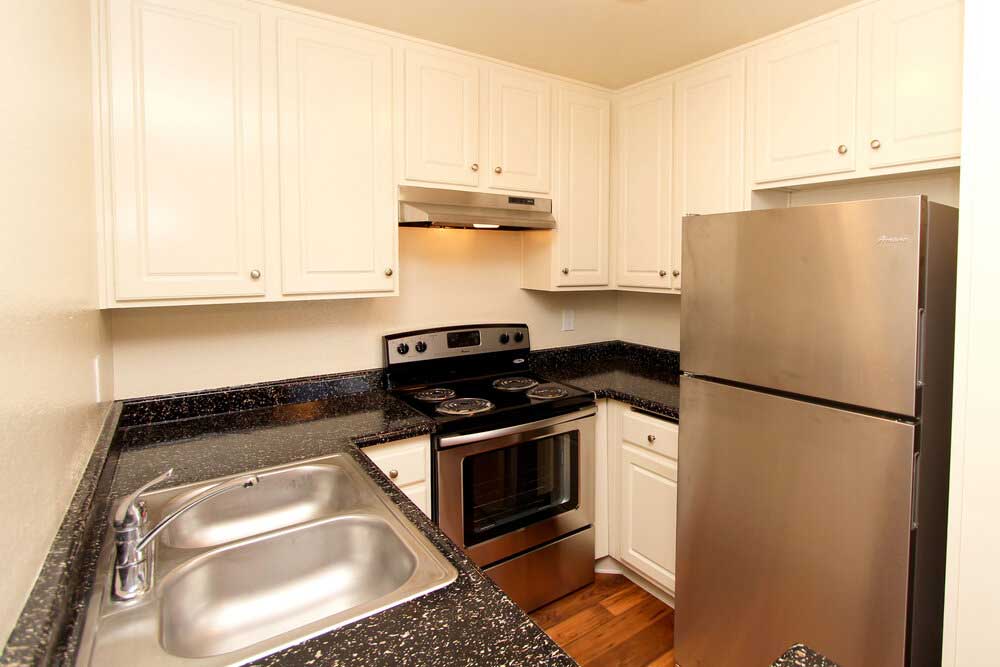
From January 1, 2026, a new law—Assembly Bill 628 (AB 628)—will require landlords to install functional stoves and refrigerators in the majority of rental apartments.
Refrigerators or stoves were once considered “amenities” rather than a legal mandate. Assembly Bill 628 eliminates that—placing them in the statutory definition of a unit being tenantable (i.e., habitable).
In summary: existing law requires that any building with a dwelling unit maintain certain characteristics in order to be tenantable. From 2026 onwards, landlords are no longer permitted to exclude providing basic kitchen appliances unless a property falls under certain exemptions. This article will provide what Assembly Bill 628 requires, the types of properties exempted, compliance tips for landlords, and the impact on tenants.
The Legislative Foundation: Amending Civil Code § 1941.1
Under existing law, California Civil Code § 1941.1 prescribes the minimum expectations a home must meet in order to be considered tenantable. Some of them include functioning plumbing, heat, safe electricity, weather protection, etc.
AB 628 amends § 1941.1 to add:
A good working stove that can safely generate heat for cooking
A good working refrigerator that can safely keep food
Both appliances must be maintained in good working order and capable of safely operating. If either appliance is subject to a manufacturer or public recall, it must be repaired or replaced within 30 days, and enforcement will follow applicable law.
These standards shall apply to any lease or rental agreement entered into, renewed, or amended on or after January 1, 2026.
In addition, Assembly Bill 628 states that if a refrigerator or stove is subject to a recall, the landlord must repair or replace the appliance within 30 days of being notified of the recall.
Interestingly, the law also allows a landlord and tenant to enter into a written agreement that the tenant provides their own refrigerator, which excludes the property owner from maintenance obligations on the appliance under applicable law.
Exemptions & Exceptions
Bill 628 is not enforced across the board on all dwelling units. There are certain types of residential units that are exempt from the kitchen appliance requirement.
Exemptions include:
Permanent supportive housing units.
Single-room occupancy (SRO) units with shared kitchen space.
Units in residential hotels (as those terms are defined in Health & Safety or applicable law).
Units in assisted living facilities or housing with shared or communal kitchens.
These carve-outs are designed to allow for property types where full kitchen appliances are not expected or feasible under applicable law.
Impact on Landlords: Costs, Risks & Compliance
Financial & Operational Burden
Most landlords, especially those with buildings that are not currently equipped with stoves or refrigerators, create new costs under bill Assembly Bill 628:
Capital to purchase appliances
Repair and replacement costs on an ongoing basis
Logistics and staff to manage breakdowns or recalls
Increases in potential insurance or utility exposures
A few critics anticipate this may place disproportionate burdens on small-scale landlords or lower-margin properties.
Legal & Habitability Risk
By elevating characteristics of stoves and refrigerators to the statutory level of habitability:
A defective appliance could render a unit untenantable under § 1941.1
Tenants may invoke repair-and-deduct rights, withhold rent, or use habitability as a defense against eviction actions
Appliance fix delays (or recalls) could invite tenant complaints and lawsuits
Because existing law authorizes tenants to withhold rent, use repair-and-deduct remedies, or raise habitability as a defense in eviction proceedings, landlords must be proactive. Any delay in fixing appliances could result in tenant complaints, code enforcement actions, or lawsuits pursued under applicable law.
Compliance Timeline & Transition
Jan 1, 2026 is the date for new or renewed leases to comply with the appliance requirement.
Old leases up to that date (and not renewed or amended) may not yet trigger compliance
Landlords must check units now, budget, and phase installing appliances ahead
Record of install, maintenance, and any written contracts by tenants for furnished appliances will be important
What Tenants Should Know
For renters, bill 628 offers several benefits and protections:
They can expect that future leases must include characteristics such as a working stove and refrigerator in safe, functional condition.
There is no requirement to accept a landlord-provided appliance—if both parties agree in writing, the tenant may provide and maintain their own refrigerator.
Tenant rights concerning repairs, habitability, and recourse remain intact and may now more clearly cover appliance failures.
However, it’s important for tenants to review their lease terms closely, particularly for any clauses about appliance responsibility or maintenance. Tenants may still pursue remedies if appliances are not repaired within a reasonable time, especially since existing law requires habitable living conditions.
Steps for Landlords to Prepare
In an effort to minimize risk and maintain compliance, the following steps are recommended:
Take an inventory of units to identify those that already have stoves and refrigerators installed and those that don’t.
Plan for appliance buying, including spare parts and money for eventual replacement. Ensure all provided units are in good working order and not under recall.
Institute maintenance routines (periodic inspections, cleaning filters, handling recalls)
Staff or contractor training in rapid repair processes
Document everything — installation dates, service history, tenant requests, etc.
Redesign lease documents to account for the new provisions and voluntary tenant-provided refrigerator arrangement
Negotiate ahead of time to come to terms and reduce conflict
Landlords need to act now rather than wait until late 2025 to be in a position to make the transition smoother.
Broader Implications & Policy Rationale
Policy-wise, Assembly Bill 628 is an effort to make the term habitable current. The idea is that being able to store food safely and cook there is not an amenity but a requirement—especially since getting into rentals already costs people an enormous amount of money.
Others view AB 628 as a stepping stone: though appliance prerequisites might initially seem restrictive, they are a reflection of a growing recognition that access to food storage is a characteristic of dignity and must be included in housing codes legislatively.
At the same time, legislators tacked on exemptions and recall protection to find a balance between affordability, especially in communal living or lesser-resource communities.
Whether or not AB 628 means higher rents to compensate for appliance costs remains to be seen, although some landlords will attempt to recover investments in the form of rent adjustments (where allowed).
Bottom Line
Assembly Bill 628 has been passed, amending Civil Code § 1941.1
Effective January 1, 2026, Assembly Bill 628 requires that all buildings with a dwelling unit maintains certain characteristics to qualify as habitable.
Bill 628 mandates a working stove and refrigerator in most rentals throughout the state.
Exemptions are permanent supportive housing, communal kitchens, SROs, and residential hotels.
Landlords must prepare beforehand: purchase, maintain, respond to recalls, and modify lease agreements.
Renters gain greater certainty that subsequent residences will include essential kitchen appliances.
Moving into a new rental can be exciting, but if you’re not sure what to expect, it can also feel overwhelming. At Uplift Property Management, we’re here to make your rental experience smooth and stress-free. Whether you’re a first-time renter or moving from another property, here’s what you can expect when you rent with Uplift.
A Simple, Transparent Application Process
We believe in making the application process as easy and straightforward as possible. From the start, you’ll know exactly what’s required. We don’t believe in hidden fees or confusing steps.
Once you find a home you love, our online application makes it quick and convenient to submit your information. We’ll clearly outline what you need, including all required paperwork, what criteria we use to evaluate applications, and what you can expect during the screening process. Having a solid rental history can significantly improve your chances of securing an apartment, especially for first-time renters.
Quality Homes in Great Locations
Uplift Property Management carefully curates our rental portfolio, so you can feel confident you’re moving into a well-maintained home in a great neighborhood.
Proximity to essential services, like grocery stores, enhances the overall quality of life for our renters. Whether you’re looking for a cozy apartment, a spacious single-family home, or something in between, we offer a variety of properties to suit different lifestyles and budgets.
Our expertise extends to managing large apartment complexes and small multi-family complexes, ensuring we can support property owners with diverse residential scenarios.
Responsive Communication
Good communication makes all the difference! Our team is known for being friendly, prompt, and professional, ensuring both effective and clear communication.
Have a question about your lease? Need clarification on a policy? Want help setting up rent payments? We’re just a phone call or email away!
Tenants should always seek permission for any changes or improvements to the property to maintain clarity and avoid misunderstandings. You’ll never be left in the dark when it comes to your rental experience.
Easy Online Portals
Uplift’s online resident portal gives you convenient access to everything you need—submit maintenance requests, set up automatic payments, pay rent, view lease documents, and more—all in one place. It’s designed to save you time and hassle, so you can focus on enjoying your home.
Our portal allows you to prepare and submit the necessary paperwork, like pay stubs and ID, streamlining communication with property managers and facilitating a quicker application review.
Professional Maintenance and Repairs
We understand that things occasionally go wrong—an appliance stops working, a faucet starts leaking. When they do, our trusted maintenance team is ready to help with all aspects of property maintenance. We respond quickly to repair requests and work with qualified professionals to get the job done right the first time.
It is important to promptly report any maintenance issues to prevent minor problems from escalating. Your comfort and safety are our top priorities.
Financial Obligations
As a renter, you’ll have several financial obligations to consider, including monthly rent, security deposits, and utility bills. It’s essential to carefully review your lease agreement and understand your financial responsibilities before signing. You’ll also want to consider factors like renters’ insurance, which can provide protection for your personal belongings in case of unexpected events.
By taking the time to understand your financial obligations and planning accordingly, you can help ensure a smooth and successful rental experience.
Clear Lease Terms and Fair Policies
Nobody likes surprises when it comes to leasing. That’s why our lease agreements are easy to read and clearly outline the terms, expectations, and responsibilities of both tenants and property managers.
Our rental agreement specifies the lease term, ensuring you understand the duration and conditions of your stay. We also provide guidance to help you stay in compliance with your lease, making it easy to avoid issues down the road.
A Partnership Built on Respect
At Uplift Property Management, we don’t just manage homes—we build lasting relationships with our residents. We’re here to support you, answer your questions, and provide a safe, clean, and welcoming place for you to call home. Ensuring your well-being is our priority.
Ready to Find Your Next Home?
If you’re searching for a rental that checks all the boxes and comes with a dedicated support team, Uplift Property Management is here for you!
Thoughtful planning is at the core of our approach, creating a positive living environment that fosters a sense of community. Browse our available listings or reach out with any questions—we’d love to help you find your next home.
Move-Ins & Move-Outs: How Uplift Ensures a Smooth Transition for Every Tenant!
At Uplift Property Management, we understand that smooth move-ins and move-outs set the tone for a positive rental experience. Whether it’s a tenant settling into a new home or preparing to leave, our detailed process ensures that every step—from inspections to key handoffs—is handled with care and professionalism.
In this post, we’ll walk you through how we make transitions seamless for both tenants and property owners.
Watch the video here!
Don’t forget to subscribe to our Youtube Channel for more Property Management videos! Uplift Property Management
Transcript
Transcript Scroll Box
Hi welcome back Inside Uplift Property Management! Today we’re going to talk about the move in and move out process. So here’s a quick overview of what happens before a move-in. Obviously we’re assuming we’ve already gotten to the tenant signing a lease Your unit is already ready to rent but before that tenant can move in you need to complete a property inspection. We call this the move in inspection And I’ll go over a little bit what the must dos are and why you need to do those things But once that property inspection has been completed then you can collect those move in funds and then you can actually give the keys to the tenant.
So some of those mustd dos during the movein inspection include documenting any existing issues at the property Of course this has to be completed before the tenants move in That might sound redundant but you’d be surprised how many people want to complete this during the tenants moving their furniture in or the next day This inspection needs to be completed before you ever give your tenant keys before they ever step foot inside that rental property as the tenant of that property And again like I said we need to document any existing issues This is going to be extremely critical later on but this should include written documentation and photographic documentation This can look like anywhere from 100 to 500 pictures of your rental property depending on the size and depending on what it includes Right? If you have a large backyard or amenities that that tenant would be using and would have access to you’re going to want pictures of every part of that rental property and thorough documentation in writing that not only do I have a picture of this fan but I have written documentation that it is fully functional it uses a remote and it has three light bulbs in it. You want to be as detailed and thorough as possible during this moveout inspection So why are these things so important This establishes the baseline for the property condition So what is the state of your property when those tenants receive possession of it What is the state of the carpet and the paint and the yard This is extremely important when it comes to security deposit dispositions at the end of the teny And this will prevent future disputes It is very easy to get caught in the back and forth of a dispute for a tenant charge but that can be completely cut out the moment that you use picture and written documentation of the actual property.
So now before a move out we’re assuming this tenant will give you notice right Either one notice 30-day notice they could give you 6 months notice I’m not sure right? But so once that tenant has given you notice you are legally required to offer what is called a pre-moveout inspection And we can go through some of those details in other videos about everything that’s going to include but essentially this needs to happen 14 days prior to that tenant moving out Now the tenant is not required to do a pre-moveout inspection with you but you as the landlord are required to offer it And then once you offer it and if you are able to complete it you are also required to provide the report and move out guidelines This is helpful to the tenant not only to know what it’s going to look like after they’ve moved out of the property but it’s also legally required in order to give them the opportunity to prevent security deposit charges being taken out.
So what happens during that premoveout inspection You walk through the unit with the tenant You’re going to note any possible damages any maintenance issues any specific areas that need cleaning but do not make any promises And what I mean by that is you should never during this pre-move out inspection say “Yep that’s everything that we’re going to withhold.” Or “Once you do those things we won’t have to withhold anything from your security deposit.” If you do that you’ll get the full security deposit back That’s what I mean by promises Because when this pre-moveout inspection happens nine times out of 10 the tenants are still going to have lots of furniture in the unit They’re still going to have occupants After this inspection is completed they’re then going to be moving all of that out of the property So not only is there a possibility that there’s damage behind those furnishings that you can’t see but there’s also a high probability that additional property damage could happen during that move out process.
So that’s what I mean by don’t make any promises You are required to provide the report of all of the findings that happened during that pre-move out inspection but do not make a promise that there is nothing else that you could ever possibly charge them for because you don’t know what you could find after they have actually moved out of the property Another bonus to this is that this actually helps you plan your make ready for this new rental property If you get in there and see that it’s in really great condition you know that you can probably schedule your cleaners pretty quickly after they move out However while you’re doing this pre-moveout inspection if you find that there’s a lot of property damage or you’re going to need to replace flooring or paint all the walls you can go ahead and schedule vendors to be ready as soon as the move out actually happens So this premoveout inspection is also a benefit to landlords as well.
So your tenant has moved out now right They’ve returned possession of the property to you either by leaving keys at the lock box handing them to you directly in person Either way your tenant has returned possession Next you the landlord need to complete a property inspection And you’ll notice that these are sequential right You cannot begin completing those repairs until your inspection is fully complete And of course once those repairs are then done then you will be able to withhold costs from the security deposit from tenant cause damage and then return those funds to them That needs to happen within 21 days So within 21 days of the tenant moving out you need to return whatever is remaining from the security deposit back to those tenants.
So our must dos for a move out inspection Again you need to complete this inspection before any repairs even start at the property Right So if you start doing this inspection and your handyman is there at the same time and you can see in these photos that you’ve got vendors in there completing work or possibly causing damages these photos are now unhelpful to you if you wanted to charge these tenants So before anyone else ever steps foot in that property you need to complete a thorough inspection Like we talked about earlier you want written documentation you want photographic documentation you want to be as detailed as possible And once that inspection has been completed you can then compare it to your movein inspection to look for discrepancies to look for tenant cause damage or even normal wear and tear that has happened right But once you have a completed moveout inspection and a completed movein inspection you can start comparing and looking for those differences.
So the security deposit reconciliation what are we trying to accomplish here We are trying to figure out what is the cost to return the property to the condition that it was received in Remember earlier when we used that word baseline That’s what we’re trying to figure out is what is the cost to return it to baseline Not to upgrade the property not to do an air duct cleaning that we’ve been thinking about doing for a long time No this is to figure out what is the cost to return it to the same condition it was in before those tenants moved in And that’s why that baseline is so important So we are now able to charge for tenant caused damage We’re not able to charge for normal wear and tear right So if you had tenants live in a property for 10 years and so the paint looks old and we need to repaint the interior of the home that would qualify as normal wear and tear That is not tenant cause damage They lived there for a decade and paint gets old right But if a tenant only lived somewhere for a year and we’ve got doorork knobs falling off we’ve got cabinets that are breaking that would be tenant cause damage And that’s something that you could charge your tenants for However you can only charge them not punitively You can’t just charge them cuz you’re angry but you can charge them again for the cost that it was to return your property to the condition that it was received in And again like I stated earlier you have to send this to them within 21 days And not only do you have to send them what’s remaining of the security deposit you also have to send them an itemized statement specifically detailing what they were charged for Not just repairs $700 but to say painting $200 cabinet repair $150 That’s what I mean by itemized So you have that itemized statement You also have to include photos of the completed repair happening So photos of that damage and then photos once the repair was completed in addition to that itemized statement And then of course any remaining funds must be sent to that tenant via their forwarding address within 21 days of the move out Not 21 days of you being done with the repairs not 21 days of when you remember to do it 21 days of that tenant moving out of the property That needs to be in the mail to your previous tenants.
So just to wrap this up overall message of this video is that an ounce of prevention is worth a pound of cure We all know this silly phrase but essentially what we’re saying is that doing all of this work this thorough inspection of the property prior to a tenant moving in is going to prevent so many headaches once the tenant has moved out So be thorough in your documentation prior to a tenant moving in so that you can utilize that security deposit after they’ve moved out Hope this was helpful for you This was just a quick overview of how Uplift Property Management handles our moveins and move outs.
Conclusion: A Better Experience for Everyone
A well-managed move-in or move-out benefits everyone involved. For tenants, it means clarity, fairness, and peace of mind. For property owners, it protects the condition of the home and ensures quick, efficient turnovers. At Uplift, we pride ourselves on delivering a move-in/move-out process that’s organized, transparent, and stress-free.
Looking for a property management team that gets the details right? Uplift is here to help—every step of the way.