• Should I Rent or Sell My Property?

    Should I Rent or Sell My Property?

    Renting your property could provide you with a regular income. However, if you’re not careful, renting can be a lot like taking out a loan.

    First, if you have a bad tenant who doesn’t pay the rent on time, you will end up paying for their late payments and unpaid utilities.

    Second, if your tenant does not maintain the home properly, then you will have to pay for the damages they cause. If they damage the grass or trees by cutting them down or letting them grow too high, you will also have to pay for those damages.

    And third, if your tenant moves out suddenly and doesn’t give notice of their departure before leaving, then it is likely that they will not give you any money back for moving out early.

    When renting an apartment, many things can go wrong with the place. If something goes wrong with your apartment, it could make it difficult for you to find another tenant who will pay attention to all of these things to keep things running smoothly in their unit.

    Selling your property means you’ll receive a lump sum of cash at the outset.

    When you sell, you’re also free to move on with your life and it is a great way to clear up some space.

    What about renting?

    Renting is an excellent way to earn extra income while looking for something else. You’ll be able to build equity in your house and have some tenants who are paying rent on their own terms.

    If you decide to rent out your property, you must choose tenants who are respectful of your home and treat it well. The last thing you want when renting out your home is for someone to cause damage or take advantage of poor maintenance, which could result in legal action from yourself or from the tenant’s landlord if they don’t pay rent on time.

    If you decide to rent out your property, you need to consider how much time you’re willing to put into being a landlord.

    If you’re looking for quick money, renting may not be for you. You’ll need to give up much of your free time if you want to manage a rental property.

    Many other factors are involved when deciding whether or not to rent or sell your property. If you don’t have enough time on your hands and need quick cash, renting might not be the best option for you.

    Renting can also be risky because it’s hard to predict how long people will stay in a house before moving out or if they’ll ever return at all.

    If you decide that renting isn’t right for you, there are some ways that you can save money while still having access to the equity of your home.
    rent

    What should I consider before renting?

    If you’re considering renting out your property, it’s important to consider the cost and the potential return on investment.

    Renting is a good way to make money in your spare time. However, there are some costs involved in being a landlord, including:

    • Property maintenance – You will need to do this yourself if you are renting out your property. This includes hiring contractors to run repairs and maintenance on your property and paying for their services.
    • Property taxes – You will need to pay property taxes on any rental income earned from the property. These rates can vary depending on where you live and how many people live in the home.
    • Insurance – You will also need to purchase insurance for the property, which protects against damage caused by fire or other types of accidental events that could happen during someone else’s stay at your house (such as an earthquake).
    • Utilities – You may also need to ensure that utilities like electricity and water are paid for by whoever is staying in your home so they don’t cause problems for future renters when they leave.

    Finding good tenants can be one of the most important things when choosing whether to rent or sell.

    Here are some tips to help you find the right ones:

    1. Make sure they’re reliable and trustworthy. You don’t want to deal with random people who won’t pay their rent or who don’t take care of your property.

    2. Look at their credit scores, criminal records, and previous landlord references. A good credit score indicates that they will pay their rent on time and take care of your property. A criminal record could mean problems in the future, so be careful! And previous landlord references can give you insight into how well they treat others and how serious they are about paying rent on time.

    3. Be upfront about everything from pets to noise levels in the house (and even the neighbourhood). You want to ensure both parties understand what’s expected of each other before an agreement is made so no one feels blindsided later down the line!

    When choosing whether to sell or rent out your property, it’s essential to consider the current valuation price.

    If you’re considering selling your property, you’ll need to assess the value of your home using a valuation service. The most common way to do this is by using an online valuation tool or hiring an estate agent.

    A valuation is something that can help you determine the likely price at which a house will sell if it were put on the market today. It helps sellers understand where they stand in terms of the market and provides them with an idea of what they could expect if they were to put their house on the market today.

    The valuer will go through all aspects of the property and use information from comparable properties in the area to come up with a figure for how much money would be needed for someone else to buy it from them. They will also look at how much money would need to be spent on repairs or improvements before selling would be viable for them.

    If you sell your property while the market is low, you may not get a great return on investment.

    When you’re considering selling your home, it’s important to consider the market and ensure that you’re making the most of your investment. If you sell your home when the market is low, it can be difficult to get back what you originally paid for it. However, if you wait until the market is higher and then sell your home, you’ll likely find that there are more buyers interested in purchasing it—and they’ll pay premium prices!

    One way to estimate how much money you might get for your property is by looking at recent sales in the area. For example, if there have been several recent sales at prices higher than yours, then this might be a sign that more buyers are willing to pay top dollar for homes right now. And if there haven’t been any recent sales at all… well, maybe now isn’t exactly the best time to sell!

    Our Takeaway

    The best way to decide whether you should sell your property or rent it out is to look at all your financial options. This way, you can ensure that your decision aligns with what’s best for your personal finances.

    First, you’ll want to consider how much money you need for the next few years. If you’re considering buying property, you should also consider how much money you’ll need to pay off the mortgage and other expenses associated with owning a home.

    You may also want to consider how much time you have before needing a new place—if this is a long-term plan and there’s plenty of time before needing another home, then renting may be more cost-effective than selling now.

    If it seems like selling might be better for your needs right now but that renting would be better long-term (or vice versa), then it’s worth looking into both options further—you may find that one option makes more sense than the other! 

    If you’re interested in renting your property, we can help you find the best tenant for your needs. Contact us.

  • Before Renting your Property: Essential Upgrades to Consider

    Before Renting your Property: Essential Upgrades to Consider

    After you have decided that you want to be a rental property owner or connecting with property management company, now it’s time for you to list things you want to consider upgrading and not for your rental property to be habitable. In this blog, we provide you a list of Do’s and Don’ts of upgrades before renting your property.

    Do’s

    Kitchen:

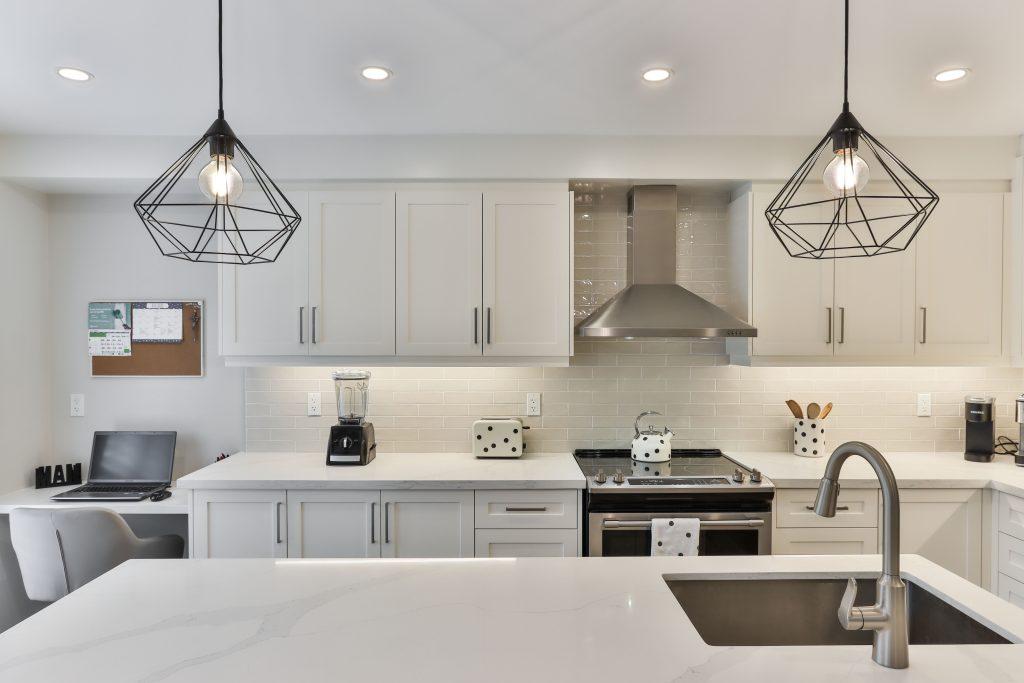
    Make your kitchen appealing. Upgrade the appliances if possible. Look if the cabinets are updated. Fixing and painting them makes them way more budget-friendly than changing them completely. Refinish or replace your countertops if you need to. Small repairs and changes in your kitchen will be a great addition to your rental property. A kitchen is an appealing aspect of a home so a good-looking kitchen makes a huge impact on renters whether they want to rent your property or not. 

    Paint and Flooring :

    Paint life is usually around 3-5 years so it is crucial to update it from time to time. Also, you need to be aware of the flooring of your home. Choose neutral colors.  It is recommended to use hard flooring for your rental property it will cost over time. These 2 if not updated will decrease the value of your property. 

    Curb Appeal:

    You don’t want your renters to feel like they’re going to rent a home in a forest. You should cut trees and shrubs. Paint your exterior and check your pressure wash exterior.

    Easy Fixes:

    Change your blinds! It’s not that expensive but can change the look of your rental property. New light fixtures and cabinet handles and door knobs. Those upgrades don’t need to pay for labor, you can do it yourself. These small changes can be noticeable and can affect the decision of your prospective renters. 

    Bathroom :

    Renters are very meticulous when it comes to property bathrooms. If your rental home doesn’t have huge space for a full bathroom, you consider having your tub and shower infuse which is very trendy. It is a bit expensive but it adds value to your property big time. 

    For appliances :

    You might consider adding a dishwasher, dryer, and air-conditioning. These are very expensive addition but will add a huge value to your rental home.

    Don’ts

    property

    Pool and Spa:

    It costs upwards of $50,000. This investment will never be paid off. Putting too expensive stuff means expensive maintenance. 

    High-End paint:

    You don’t need to use high-end paint. Painting is done from time to time.

    Furnishings

    Adding amenities like furnishing will not help you. Your renters have their own furniture. It will reduce your responsibilities as a property owner.

    Landscaping 

    Doing landscaping to your home will be a good addition to the value of your rental property but keep in mind to not do it very extravagantly. You might not know if your resters will like it or not. 

    Luxury Items in Kitchen/Bathroom

    Don’t spend your money putting luxury items like coffee machines, oven, and such. Just spend it on fixing the sink, fixing some cabinets to make look nice and tidy. 

    Conclusion

    As a rental property owner, you may find yourself struggling to keep up with the demands of your tenants. If this case, consider hiring a property management company. Here in Uplift Property Management we can help you take care of your rental properties and lessen your struggles. 

    With Uplift Property Management, we provide necessary services such as marketing, advertising and maintenance. In addition, we also act as mediators between you and your tenants. This can be very beneficial if you have trouble communicating with your tenants or if there are often disagreements. 

    If you’re interested, or if you have any questions, please contact us, and we’ll gladly help you. 

    Uplift Property Management, where we manage your property so you don’t have to. 

  • Rental Property Owner expectations working with Property Management Company

    Rental Property Owner expectations working with Property Management Company

    If you own several properties (or even just one), the chances are that you don’t have a lot of time on your hands. A property management company is ideal for rental property owners like you!

    Becoming a property owner is a complex process. As an investor, you must ensure that your real estate appreciates by making wise improvements. Pick up the phone for a tenant complaint on one end and communicating with a local vendor on the other are just two examples of daily management responsibilities. The list of property managing duties might appear endless. 

    Property management companies are ideal for small and large property owners with multi-family or commercial buildings to ensure that their real estate is secure. It’s also a means to free up your time to focus on “big picture” issues and bridge any gaps that may arise while managing numerous properties.

    We have listed the common tasks a rental property owner expect when working with a property management company. 

    Managing Day-to-day Affairs 

    rental
    Businessman Calculating House Costs Using Calculator With House Model And Key On Wooden Desk

    Expect the property management company to handle everything from maintenance to utilities. At a fundamental level, you should anticipate the company to manage your structures daily. Of course, because property management is an area of expertise, examine your legal licensed property manager prospect’s experience with various properties. 

    The following general expectations for a licensed property manager’s daily activities, regardless of the type or the size of business property:

    • Handle tenant requests, complaints, or emergencies
    • Oversee maintenance, installations, expansions
    • Ensure the fulfillment of lease agreements
    • Public representative of your company and brand
    • Compose budgets and recommendations

    The property manager’s responsibility is to keep you informed on everything that happens on or around your property. On the other hand, they should not contact you whenever there is a problem. 

    The owner may be included at the discretion of a professional property management company. You also can be involved as much as you wish while being the proprietor. 

    A competent property manager understands when to bring something up and handle it on their own. 

    Tenant Management

    The primary benefit of establishing clear objectives is ensuring that future renters are satisfied. Your property management teams must develop reasonable expectations in your tenants’ minds. 

      Set clear expectations with your property management company, so prospective renters know them. The more information potential tenants have at the onset, the less likely it is for you and them to have a lousy encounter. Renters must understand when the rent is due, how to take care of their property, and what will happen if they don’t follow the rules. 

    You might be thinking. “Didn’t I hire a property management company to handle this for me?” 

    Yes, absolutely. Your property management company will take care of your rental property and act as a go-between for you and your tenants. Hiring a property manager implies handing over authority to make critical decisions. The most straightforward approach to ensure your property manager is to set clear expectations at the start of your partnership. 

    Whether you want to be hands-on or not, setting clear expectations from the beginning may save you a lot of time and aggravation. Putting forth your expectations now gives you peace of mind to sit back and trust your property management team to help you succeed with your property.

    What’s next? Make sure your property management agreement reflects everything you and your manager discussed. 

    Handle Finances 

    Property managers are trained in finance and excel at planning and enforcing budgets and operating charges. These factors are crucial to establishing rental rates. Property managers must strike a balance between market conditions and rental rates.

    They know what help can stay you on track with your rent,. They also understand what might assist you in keeping to your budget. It’s critical for the property manager to have a solid understanding of the rental market and its nuances. 

    The property manager also maintains records and reports all financial data to the house owner. They aid property owners in understanding income taxes, profit & loss statements, financial information, and accurate budgeting.

    It’s important to note that property managers take various financing and budgeting approaches. They may, however, have support staff from the property management company assisting them. After, all finances may be too complicated to manage on your own at times.

    Maintenance and Repairs

    Seasonal changes can be particularly challenging, and different dwellings need varying forms of attention. Tasks like these usually necessitate the manager to:

    • Display expertise in their property type.
    • Make frequent inspections of the property’s interior and exterior. 
    • Perform seasonal maintenance
    • Initiate preventive property maintenance
    • Manage resources and contract negotiation
    • Repair any issues or hire a professional to fix the issue
    • Enforce safety training and standards

    Regarding property maintenance, connections could hold the key to timely repairs and renovations. 

    As a result, you should select a property management company with reliable connections and local businesses that can help you avoid problems as they arise. Contractors that can react quickly and provide competitive prices may help you ensure profitability.

    Hire a Property Management Company you Can Trust 

    Overall, employing a property management company aims to ensure that someone you can trust is caring for your property. It’s tough to manage all of the requirements associated with owning a community property, much less an extensive portfolio of real estate investments.

    Property management companies have a lot of work and effort to undertake. However, without these businesses, you would be responsible for performing these complicated and time-consuming tasks without these businesses. 

    Hiring a professional team to assist you will ensure that you avoid legal difficulties, find excellent tenants who pay on time and respond promptly to maintenance issues while lowering your risk.

    If you are ready to look for a property management company that suits your needs, start with Uplift Property Management. We can help your rental property reach its full potential. 

    You can also use our directory to look for the services we provide

  • How Much Can I Rent My Home For?

    How Much Can I Rent My Home For?

    The amount of rent you can get for your home depends on several factors. It’s important to consider each of these factors to attract the best tenant in the shortest amount of time possible. 

    Here are our tips on how to set the right rental price for your home:

    Understand the Market 

    home

    The first step in determining the right price for your rental home is to do some research on the real estate market as a whole. Even though your property is within the rental market, the price will be effected by the current state of the entire real estate market. Is the real estate market in your area performing best for buyers? Or sellers? Aka, how hard is it for people in your area to find housing?

    This is important because it will effect how competitively you need to price your home in order to get a qualified tenant as quickly as possible. So research the current trends in real estate, the typical renter in your area, and how the real estate market has shifted in the last year.

    Find Comparisons Online

    Manager working on a project in open space office. Paperwork and laptop on the table, indoor

    You can use online tools like Zillow, Trulia, and more to get a sense of the average rents in your area. Although these sites will give you an idea of what other rental properties are currently priced at, these sites may not include all properties being rented in your neighborhood. So it’s best to look at multiple sources and talk to local real estate experts to get the full picture of what your competing against.  

    Then you can get a more honest look at where you stand in the market and what your property might be worth compared to others in the same area. Ideally, try and find examples of other homes that are similar in size, age, condition, and location. 

    For example, your property may be in a large metropolitan area with an active market and lots of competition among landlords. You may find that you have to charge less than the average rate for similar properties in other neighborhoods. Or vise versa!

    Determine Your Pricing Strategy

    Pricing your rental property is a delicate science. If you price too high, your home might sit vacant longer than necessary. But if you price too low, you may be leaving money on the table. 

    To find a fair market price for your property, you should consider a multitude of factors. But after you’ve gotten a good understanding on the current market and found comparison properties, it’s time to consider how you want to strategically price the property. Pricing it just lower than direct comparisons in the market will certainly draw more attention and interested tenants. But pricing too low will raise suspicions as too why it so much lower than other units on the market.

    Consider how quickly you need to rent out your property as well. If you need to start receiving rental income within the next two weeks, it’s time to lower the price and find a good tenant fast. But if you have more financial security and can risk a longer vacancy, you may want to hold out at a higher rental price and wait for the right tenant to apply.

    Consider Your Home’s Value

    Many landlord’s prefer to base their rental price off a simple calculation based on your home’s value. In other parts of the country, 1% of market value is often used as a pricing standard. However, in California that can fall to as low as 0.25%. Either way, renter’s will consider the desirability of your rental property based on factors that impact market value. The property’s condition, location, and amenities are all going to be considered by prospective tenants and will impact how much they are willing to pay.

    Conclusion

    Although it may seem daunting, following these recommended tips will help maximize your rental income and minimize your vacancy time. If you’d like to get expert insight on how the rental market is performing in your neighborhood, call Uplift Property Management today! We love to provide resources and support to local real estate investors who could benefit from our expertise.

    And if you’re ready to hand off the burden of stress and mental fatigue that comes with owning your own rental property, you might consider hiring a property management company! Jensen Properties will ensure that your property can reach its full potential. 

  • Conducting Inspections

    Conducting Inspections
    When clicked, this video is loaded from YouTube servers. See our Privacy Policy for details.

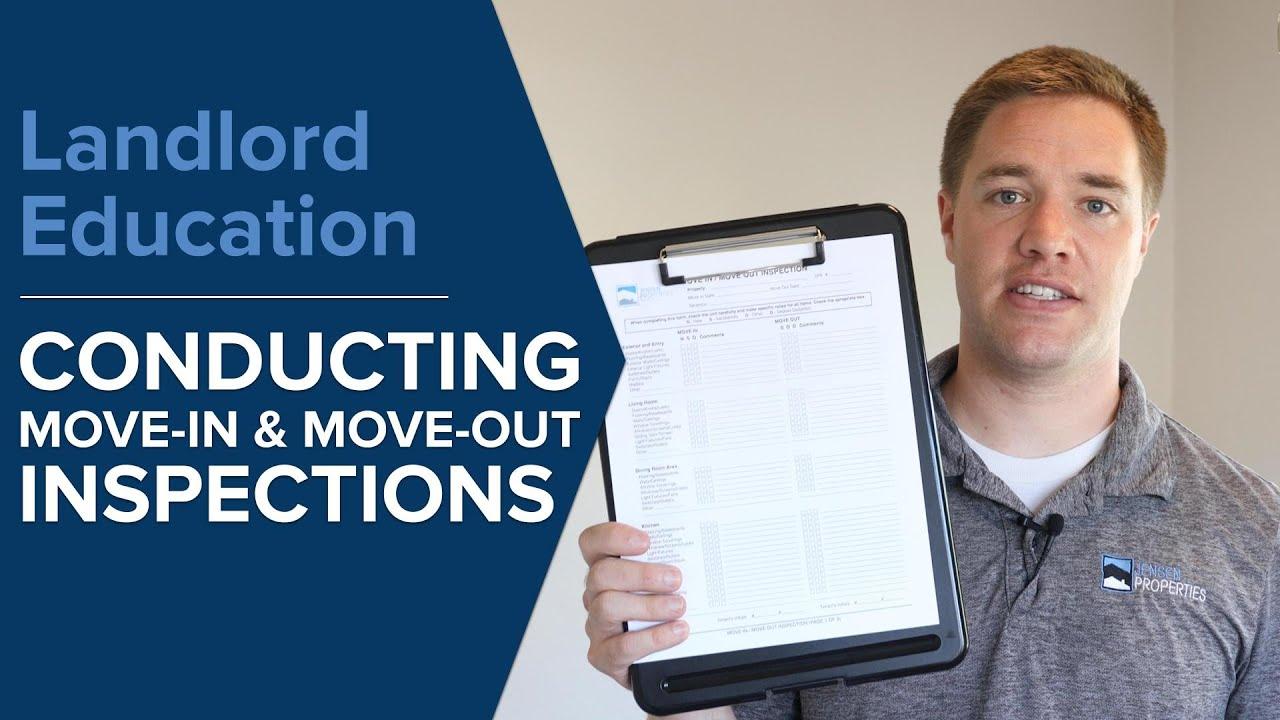
    How to Conduct Move-In and Move-Out Inspections

    When a tenant is moving in or out, inspections can be a tricky process. If a tenant’s move-in isn’t documented well, applying charges after they move out might become more of an argument. Similarly, if the move-out isn’t detailed enough, tenants might fight you about how clean they left it. Even if you feel like your tenant is the greatest in the world, it’s always important to document the condition of your rental property before they move in and after they leave. As a leading property manager in San Diego, we have taken over management from many other property management companies. Often we are surprised to find out that no inspections were recorded and if they were, only a handful of photos were taken and the notes were lacking. The worst part about this is when the owner or tenants get charged for something that they weren’t responsible for. Here are some tips to make sure you are conducting a good inspection that will protect you, your property, and tenant. 

    1. Don’t Leave the Inspection Up to the Tenant

    Many property managers will give tenants an inspection sheet and leave the inspection and documentation up to them. However, if you want to be able to hold tenants accountable for any future damages, you will need to inspect the property yourself. This will ensure you have all the information needed to assess damages and pass on future charges. Tenants often don’t do inspections at all and then will complain later when they get charged. By doing a thorough and detailed inspection, you will eliminate most of the disagreements and potential back and forth between you and your tenants. 

    2. Take as Many Pictures as Possible

    Don’t be shy of taking hundreds of pictures. Remind the tenants that taking this many photos can protect both the owner and the tenants. Digital cameras or smartphones can store hundreds of photos easily, so you shouldn’t need to worry about the amount. Make sure you are standing back and taking general pictures of each area, but then get up close when it matters. If you have a chipped tile in the tub, take a general shot of the tub and then an up close picture of that single tile to document the condition. This way it’ll be easy for you to know where that chipped tile is located. By taking many photos, you will also be protecting yourself from future issues. You never know when you’ll need a photo of that specific ceiling fan or that wall in the living room. You should be at least taking 100 photos per inspection – we often take 150-200 each time. 

    3. Date and Timestamp Your Photos

    Along with taking many photos of your unit, make sure you download a free date and timestamp photo app onto your phone. You can also set some point and shoot cameras to display the date and time as well. This really will help in the long run so you will never have a question about when the photos were taken. If you’re ever taken to small claims court or need to evict a tenant, judges and attorneys really appreciate detailed photos with dates and times printed on them. This will give you credibility when you need it. Here is the one we use:

    4. Test Everything in the Unit

    As you’re going through the unit room by room, test everything as you go. Run the water from each faucet. Make sure hot water is getting where it needs to go and that water pressure is sufficient. Test lights and switches – even outlets if you can. Test doors, locks, cabinets, drawers, closet tracks, windows, blinds, and anything else that moves. Appliances are also something that you should test if possible to make sure they’re working well at move-in and move-out. If there are issues that you don’t notice during the inspection, you can be sure that your tenant will soon be submitting a maintenance request for that thing within the next few days. We encourage you to test everything so that you can stay ahead of the issues and not get any surprises. 

    5. Use an Inspection Checklist

    You can do this digitally or on paper, but make sure you have a section for each room. Usually inspection sheets will have the same things for each room – flooring, walls/ceiling, outlets/switches, door, etc. Usually you will check a box that shows if the item is new, in working condition, or if it needs repair. More notes are better than nothing, so don’t leave off anything. Even if you come across something that looks like normal wear and tear, you will still want to make note – especially at move in. More information is always better when it comes to inspections. Don’t forget the exterior of the property either! Take note and photos of all the exterior areas that the tenant is responsible for. This is very important when the tenants are responsible for landscaping and irrigation. 

    6. Take Inventory of Your Appliances

    While taking pictures of your unit, take some of your appliance model and serial numbers. If tenants have any issues with one of the appliances in the unit during their tenancy, you can quickly figure out which unit it is and even have the information to give to your warranty company or appliance repair service. If you have to replace the unit for any reason, you can also supply an appliance salesperson with the information so they can make sure a new unit will fit in the same place and have the proper dimensions. Model numbers will give you information like whether the dryer uses gas or electricity as well. This can save you a lot of time and your tenants a lot of frustration. 

    7. Collect Move-In Funds and Other Documents

    Before you hand over keys or possession, collect all outstanding move-in funds and documentation needed. Usually those should be given as a cashier’s check or money order so that you are receiving certified funds. Tenants should pay everything on or before their move-in date. Don’t make any exceptions with this rule. You’ll also want to verify that the tenant has put all necessary utilities in their name starting on the date they move in. 

    Ask Uplift Property Management

    As a San Diego property manager, we do all the things above to protect you and your property. All move-in and move-out inspections are included in our full service management fee. If you are wondering how you are going to do your move-in or move-out inspection, please contact us. We would love to talk to you about some of these suggestions and others that might help. If you’d like to take advantage of a free rental analysis for your property, please click here. Please visit our Services & Pricing page to learn about all our services. Make sure you keep up your Landlord Education by following Jensen Properties on Facebook, Instagram, or YouTube.

  • Taking Listing Photos

    Taking Listing Photos
    When clicked, this video is loaded from YouTube servers. See our Privacy Policy for details.

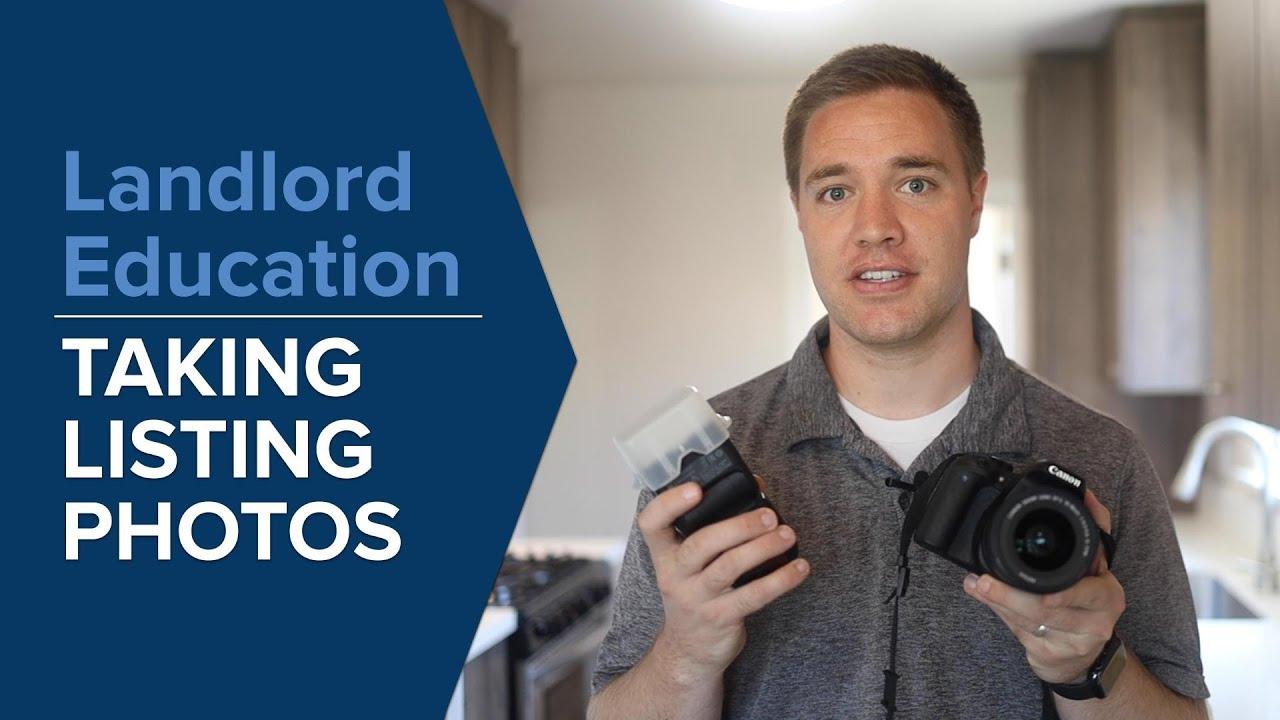
    How to Take Listing Photos of Your Rental Unit

    Taking high-quality listing photos can be one of the most important things you do when marketing your unit. Prospective tenants want to see a good looking and clean unit and if you have low-quality photos, they’re less likely to want to see it or apply. With today’s DSLR cameras so easily accessible, high-quality photos are fairly easy to get. If you don’t own one, you might consider asking a friend if they can help you or if you can borrow theirs for a day.

    Most everyone has a smartphone as well. While smartphones definitely can’t get the same quality shots as a DSLR, there are still some ways you can improve your listing photos. This is one set of suggestions that you shouldn’t overlook since it affects every online listing. Don’t forget that you can take hundreds of pictures and sort through them later. Also, with practice, your photos will only get better. If you’re interested in learning more about our full property management services (which includes taking listing photos), visit our Services & Pricing page. Below are some tips to get better and higher-quality photos of your vacant rental property. 

    1. Choose a Good Time of Day

    If you have the freedom of choosing the time and day for your photos, remember some of these things. Exterior photos are best when in full light, so if you want to get a great picture of the front of your house, make sure the sun is hitting it just right. If your house faces East, the best time would be the morning. If you have a great looking backyard, make sure it gets the attention it deserves as well. 

    For interior photos, you will want to take them around midday. This will ensure that the maximum amount of sunlight is helping light up the rooms in your rental. If you take interior photos in the morning or afternoon, light will shine through windows and create many shadows that can be difficult to manage. For high-end properties, you might also want to take some “twilight photos” which show a property during sunset. The best time for this is usually the first 20 minutes after the sun sets. 

    2. Turn on All Lights

    By turning on all the interior and exterior lights, you will be able to both add some additional lighting for your photos and show tenants what will be lit up in the dark. By turning on lights, you can feature some of the lighting that you might have – recessed lighting, lighting underneath cabinets in the kitchen, or even your light over your stovetop. Tenants also like to see that things are working, so make sure all the light bulbs are functioning. You don’t want to give the impression that something in your rental doesn’t work. 

    3. Clean Up Messes & Distractions

    Sometimes vendors will leave small traces of dirt or debris after they complete their work, so make sure you have a rag or wipe to quickly clean up any messes. Having your unit professionally cleaned is always important for rental properties, so consider hiring a company to take care of that for you. Hide any distractions throughout the rental – especially if you are taking photos while the unit is occupied. Some things you will want to consider hiding are magnets on the fridge, loose cords, papers, boxes, soap dispensers, and even cars or bikes. You’ll also want to put toilet lids down, open up blinds to let light in, make beds, organize clothes or shoes, and make sure chairs are straight and pushed in. 

    4. Use an External Flash

    We always use an external flash for our photos to light up each room and minimize dark areas. When you use an external flash, you need to make sure the flash is pointed toward the ceiling (and forward slightly) so that the light will bounce off and fill the entire room. Diffusers also help to fill the room with as much light as possible without creating harsh shadows. Make sure you watch the video for an example of the difference an external flash can make. Click here to see the type of flash that we use for our DSLR camera setup. 

    5. Use a Wide Angle Lens

    If you have access to a wide-angle lens, make sure you use it! If you take listing photos often as a landlord or property manager, it’s worth investing in a wide-angle lens that will give good results. This is what the professionals use and it can make a big difference for each room in your rental. DSLR lenses are measured in millimeters and the smaller the size, the wider the shot.

    Most standard lenses will be about 18mm, but a good wide-angle lens will be more like 10mm. If you use a lens like this, you can stand in one corner and almost capture all other corners of the room in one shot. Wide-angle lenses also help when photographing small spaces like closets and bathrooms. Make sure you watch the video for an example of the difference a wide-angle lens can make. Click here to see the type of lens that we use for our DSLR camera setup.

    6. Position Your Camera Correctly

    Get into the corner of the room so that you can capture as much of the area as possible. This might sometimes mean that you have to back up into a closet or the shower in your bathroom. Photos should be taken at a little below eye level or midway between the ceiling and floor of a standard height unit. Consider taking your listing photos on a tripod so that they are at a consistent level. When you get into tight spots, you might have to take the camera off the tripod. When you are prepping your shots, try to line up vertical lines with the sides of the picture. That means that if you have walls, cabinets, appliances, or door frames in the photo, make sure they are vertical and lined up properly.

    Positioning the camera lower might help with achieving this effect. Take photos horizontally or in landscape mode as often as possible. Photos online tend to look best horizontally on websites for listing rental properties. Keep this in mind even when you’re using a smartphone. If there are mirrors in a bathroom, bedroom, or on closet doors, try to position yourself to the side or underneath the mirror. Sometimes you can open up a closet door halfway to both show when the inside of the closet looks like and to avoid showing your reflections while taking the picture. 

    7. Using a Smartphone

    If you’re considering taking listing photos using a smartphone, first try and see if you have a friend who might loan you a DSLR camera and lens. We always recommend using a real camera over a phone. If you have to use a smartphone, make sure you’re following the tips above – positioning your phone correctly, trying to maximize the amount of light, cleaning up, and turning on all the lights you can. Some smartphones have wide-angle lenses, so use that if you have that option. You could also buy a wide-angle attachment for your smartphone that creates a wide-angle effect; however, keep in mind that those attachments usually give a fish-eye effect. 

    Ask Uplift Property Management

    As a San Diego property manager, we want to help landlords and owners everywhere. If you are wondering how you are going to take photos of your vacant rental, please contact us. We would love to talk to you about some of these suggestions and others that might help. Taking listing photos is included in our management fee for all our properties. Take advantage of a Free Rental Analysis for your property. Our full property management service includes all this and more. Of course, we also offer lease only services where we can list, market, and show your unit. We also process applications and get a signed lease done. Make sure you keep up your Landlord Education by following Uplift Property Management on Facebook, Instagram, or YouTube

    CAMERA GEAR THAT WE USE:

    Even though you can use most any DSLR camera, wide-angle lens, and external flash, here is the equipment that we currently use: 
    Camera Canon t7i DSLR

    Canon EF-S Wide-Angle Lens 10-18mm

    Canon External Flash

  • Managing Maintenance Requests

    Managing Maintenance Requests
    When clicked, this video is loaded from YouTube servers. See our Privacy Policy for details.

    How to Manage Maintenance Requests

    As a landlord, you’ll need to know how to manage maintenance requests from tenants. This skill can be helpful if you are managing your own rental property or if you have a property manager working for you. If you can get maintenance requests processed and addressed quickly, tenants will be happier and likely want to stay in your rental property longer. That can mean less vacancy costs for you and a better investment overall. Even if you feel like you have maintenance under control, take a few short minutes to read through these suggestions so you can refine your own process. Here are a few tips to follow when handling your tenant’s next maintenance request.

    1. Understand the Maintenance Request

    Make sure you fully understand the request. Often, tenants will send a request with only 2-3 words. Here are a few examples of some requests that we get almost on a daily basis:

    • “Garbage disposal”
    • “Kitchen light”
    • “Broken window”
    • “Leak in bathroom”
    • “Toilet”

    We wish we were joking about some of these, but tenants really do submit maintenance requests with these exact words. You will need to make sure you follow up to get all the details. You’ll need to find out the exact location, size of the leak, reason the window was broken, and what they’ve tried already. Requesting photos is a great way to pinpoint the issue and get the tenant to communicate clearly. If there are issues with an appliance, you might also ask for model numbers to expedite repairs. These additional details will help you determine the severity of the request and also who to send. If it’s an emergency, make sure you get on it quickly. 

    2. Troubleshoot with the Tenant

    Taking a few minutes to troubleshoot with the tenant can potentially save you (and them) hours of your time and hundreds of dollars. Tenants will often report things that should be their responsibility. They should be expected to change out light bulbs, batteries on thermostats, or an AC filter when needed. Don’t miss the opportunity to educate your tenants about what is expected of them and what they’re responsible for. Don’t be afraid to ask the tenant questions for clarification and DO NOT assume the tenant already tried the “obvious” solutions.

    Every now and then a tenant might respond with “of course I tried that!”, but more often you will find that they haven’t tried much of anything. We’ve created some videos that give maintenance tips for tenants. We encourage you to send those to your tenants so they can know exactly how they can fix minor problems themselves. You will also want to make sure tenants understand when you won’t be sending anyone for the issue at the moment. 

    Click here for Tenant Maintenance Tips videos

    3. Find a Reliable Vendor

    If you’re not able to successfully troubleshoot the issue, that means you will need to call a professional. Make sure you choose a vendor that’s licensed and insured. That will mean that if anything goes wrong on the job, the vendor will be able to make it right. You’ll need to make sure that you clearly communicate what you need done and give the vendor a max maintenance limit for the cost of the job. Using the right vendor can actually be more difficult than it sounds. If you watch our Working with Vendors video, it outlines some of the things we suggest to keep in mind while working with vendors. Even if you’ve been managing your property for a long time, these suggestions will likely still be valuable. 

    Click here for the Working with Vendors video

    4. Notify the Tenant

    Don’t forget to notify the tenant when there’s an update. It’s their home and they really appreciate being kept in the loop when possible. Normally we have vendors directly communicate with tenants to avoid any “middle-man” issues, but you will still need to contact your tenant periodically. Acknowledge their request when you receive it. Also, let them know when you contact a vendor and send out a work order to them. Sometimes if you are updating tenants, you will find that the maintenance issue has resolved itself and the tenant just forgot to let you know. If you’re communicating regularly. You could avoid having to pay (or charge the tenant) for a service call when it was unnecessary.

    If you are stuck as the middle-man scheduling the appointment, make sure the tenant knows when the vendor is scheduled to come. Also, make sure the tenant knows that they’ll get charged if they don’t keep the appointment. If you have to serve a 24 hour notice of entry for your vendor, make sure you are communicating that in writing to your tenant. You also want to notify tenants when they could potentially be charged for something that they may have caused. This could include unclogging drains with things like food/hair/toys, repairing broken windows caused by the tenant, or service calls from vendors when they find no problems with the unit. This communication can often be tricky and time consuming, so let us know if you have any questions about this.  

    5. Verify Completion

    Verify completion of the work with the tenant. Once the work has been done, check with the tenant to make sure it was done completely and everything is working properly. You can even ask the tenant for feedback on the vendor you sent out. This will show the tenant that you are still wanting to communicate with them and that you value them as a resident in your property. The tenant will also be the first person to know if anything goes wrong with the repairs made.

    Sometimes you might have a plumber visit your unit and cut out a section of your wall or ceiling to access a pipe or leak. Plumbers won’t repair the wall, so they will leave it (hopefully clean) for you to take care of. Sometimes they won’t tell you the status of the unit when they leave though. So checking in with the tenant soon after the repair will let you know what still needs attention and how things need to be handled moving forward. 

    6. Keep a Written Record

    Keep a written record of everything you can. From start to finish, you want to keep a record of all communication and requests. Encourage tenants to submit all maintenance requests in writing – via email, text, or physical letter. When you communicate back with the tenant to troubleshoot or notify them, that should also be in writing – text or email. When you are gathering information and sending it to a vendor, make sure it’s clearly written and includes all details and photos that are applicable. Make sure you get an invoice or receipt for the completed work as well.

    Even if you communicate in person or over the phone, you should write down what was discussed and follow it up with a text or email to reiterate and clarify what was said. At Uplift Property Management, we keep very detailed notes of all communication and attach it to the tenant and work order so that nothing is mixed up or forgotten. These records will show that you took care of the maintenance request in the proper way and that you were never negligent and they might even serve as evidence if needed later on. 

    Ask Uplift!

    We can help you with maintenance requests. If you’re wondering how to handle maintenance requests that come in from tenants, please let us know. We would love to talk over these things with you and suggest some ways to streamline maintenance for your rental property. If you’d like to take advantage of a free rental analysis for your property, please click here. Of course, we offer lease only services where we can list, market, and show your unit. We also process applications and get a signed lease done. We also offer full property management service where we will handle all maintenance requests and coordinate all work needed for your San Diego rental property. Make sure you keep up your Landlord Education by following Uplift Property Management on Facebook, Instagram, or YouTube

  • Marketing Your Rental Unit

    Marketing Your Rental Unit
    When clicked, this video is loaded from YouTube servers. See our Privacy Policy for details.

    How to Market Your Rental Unit

    With so many rental units on the market, it’s hard to compete and make sure your unit gets the attention it deserves. Rental units are being advertised by property managers, real estate agents, owners, and even scammers. So the question is this, “How do I list and market my rental property so I can get qualified tenants to apply and lease with me?” While there’s no one solution that fixes all the potential problems you could run into, we want to share some tips for how to market your unit online and effectively. 

    1. Write a Detailed & Attractive Description

    You always want to make sure you have a good title for your listing. Start off your general description with information about bedrooms, bathrooms, utilities, lease terms, requirements to rent, and the availability date. Even if the website asks for some of this information, you want to make sure it makes it into the description as well since some people will only read the description. However, if the site gives you the option to put in specific information for your unit, do that as well. When you mention utilities, clearly outline what the tenant will be responsible for and what utilities will be included with the rent. Many renters want to know if they can sign a month-to-month agreement or if they have to sign a 12 month lease right away. Some renters even prefer longer lease terms. 

    Don’t forget to highlight all the amenities that the tenants will be able to enjoy. Common amenities might include garage parking, balconies, stainless steel appliances, tile floors, granite or quartz countertops, pools and spas, gym access, fenced yard, BBQ area, smart home features, extra storage, large windows, or a great view. This includes any HOA or common area amenities if applicable. 

    2. Take High Quality Photos

    For tenants, pictures can often either seal the deal or be a deal breaker. And listings with zero photos often don’t get any attention at all. Make sure you use your best camera, with the best lighting and widest angle possible. You can use a tripod to keep the angle consistent too. Get as far back into the corners of each room to show as much of your property as possible. This will give the tenants a good idea of what things will look like. Turn on lights everywhere you can. We use a DSLR camera with an attached flash for most of our photos. If all you have is your smartphone, those can sometimes have great results. Just make sure you zoom out as far as possible and get the best angles of your rooms. Watermarking your photos with your number might not be a bad idea either. 

    3. Give Instructions for Showings & Applications

    The main questions that tenants will ask are, “How can I view the property?” and “How do I apply?” Make sure both of those are clear on your listing so that there’s no confusion. If you use a self-showing lock box system like us, make sure the marketing link is in your description. If you only can do in-person showings, put available times and instructions for contacting you. Showing the unit can often be the most difficult part about leasing a property, so be ready for a lot of calls and no-shows. Because of this, we use a self-showing lock box system that allows tenants to create a profile and view the unit within minutes. When they create a profile, they take a picture of their photo ID, take a selfie, and put in credit card information for a $0.99 one time charge. This validates that they are who they say they are and allows them to access the unit with a code for 1 hour. 

    Applications can sometimes be tricky, but make sure you gather information in the same way each time. Using an online application makes it quick and easy for many tenants looking for homes these days. We have had many tenants see a home, view it using our self-showing lock box, and then apply all within an hour or two. Making it easy for them will also make it easy for you. 

    4. List Your Property on as Many Sites as Possible

    The more sites you can post your rental property on, the better. You might need to take a bit of time to post your vacancy on websites like Zillow, Trulia, HotPads, Apartments.com, Zumper and others. By having your unit on more sites, more prospective tenants will see them and potentially apply. With a couple clicks, we can list our rental properties on 40 different websites for prospective tenants to find. This makes it easy for us to list vacancies and update the listings when needed. 

    We also highly suggest posting vacancies to social media and sharing the information with local housing groups on Facebook. There are many housing groups in specific areas or cities that are dedicated to advertising or finding rental properties. One post on a facebook group could reach thousands of people. 

    5. Reduce the Price If There’s No Interest

    If you’re finding that no one is interested in your unit, it could easily be due to the price. Of course, there could be other reasons, but if your unit has attractive landscaping, looks clean inside and out, and matches the pictures and description you wrote, you’ll need to check the price. You might be above market rent. If a unit is priced higher than market value, there will often be zero action – not even requests for showings. If that’s the case, don’t be afraid to lower the rent a bit so that someone will move in sooner. You can always plan for a rent increase after the lease term is up. Sometimes it is actually more profitable for you to rent something out quickly at a lower price, rather than keeping the price high and waiting around for a desperate tenant. 

    Ask Uplift Property Management

    We can help you with your rental unit. If you’re wondering how you should list your rental property, please let us know. We would love to talk over these things with you and suggest some ways to get more interest in your rental property. If you’d like to take advantage of a free rental analysis for your property, please click here. Of course, we offer lease only services where we can list, market, and show your unit. We also process applications and get a signed lease done. We also offer full property management service where all this plus much more is included. Make sure you keep up your Landlord Education by following Uplift Property Management on Facebook, Instagram, or YouTube. 

  • Working with Vendors

    Working with Vendors
    When clicked, this video is loaded from YouTube servers. See our Privacy Policy for details.

    Working with Vendors

    If you manage your own rental property, you know what it’s like to deal with maintenance and vendors. Working with vendors can sometimes be a painful process and we want to help educate landlords and owners so that problems can be avoided. Our 6 suggestions below will help you develop better relationships, get better deals, and keep tenants longer. If you have questions about your specific situation or job, please reach out to us so we can help.

    1. Vendors Should Be Licensed & Insured

    If you’re managing your own rental, it will be very easy to think of maintenance more casually. Sometimes that works out and there aren’t issues. However, when issues do arise, all that work that you did personally or hired out to an unlicensed or uninsured vendor could end up being a big problem. If something goes wrong on the job, vendors that are licensed know how to handle it. Also, if they’re insured, they would be responsible for covering the cost as well. Accidents are never meant to happen, but they’re a fact of life. Vendors that are licensed and insured will also be more likely to keep records, give invoices, and provide warranties on parts and/or labor.

    It’s true that hiring a licensed and insured vendor will likely cost more money at the time of service, but the quality and safety of their work can save you hundreds or even thousands of dollars over the years. We work with many vendors in San Diego and are familiar with their services and pricing. If you are looking for a dependable licensed and insured vendor, please give us a call. 

    2. Establish Clear Expectations

    Make sure you tell the vendor exactly what the job will entail. If you or the vendor is vague in any way, the job could end up not being fully completed or the vendor could do much more than was expected. Even when directions are crystal clear, there can be mistakes made, so following up is usually a good idea. Try to avoid job descriptions like “fix the faucet” and “fix the AC”. Those descriptions can be interpreted in many ways depending on the vendor. 

    These expectations should also include the cost of the project. Some vendors will have a set price list that they can work from. If that’s the case, they should know fairly accurately what the job will end up costing. However, if they charge for time and materials, the cost could add up quickly. Even if the vendor can’t provide a solid bid for the job, they usually can give a rough estimate to give you an idea of what the costs will be. Make sure you give them a clear limit for approval and explain that they are only approved up to that limit. Explain to the vendor that if they go over the given limit and fail to obtain approval from you, you will only pay as much as the limit given. Vendors should always contact you for direction and approval before diving too deep into a project. 

    3. Keep a Written Record

    This point relates to almost all the others on this page. Make sure you communicate clearly. Often, that means you should use email or text to communicate job details with the vendor. You should also double check and make sure vendors receive all communication. Some vendors prefer email, while others prefer text. You don’t want to send an important email to a dormant address only to find out later that it was never received. If the vendor doesn’t use email or texting, try to write everything down on a physical paper somewhere and make a copy to keep for your records. As long as you can always point to a written record (email, text, paper) with details, you should be safe. Your written records should include job details, the cost, the maintenance limit, plans for payment, when the job is scheduled, and any guarantees or warranties they have. 

    Keep in mind, if you do talk with the vendor on the phone or in person, make sure you follow up that conversation with something in writing (an email or text) to confirm and solidify what was discussed. 

    4. For Big Projects, Get Bids

    If you have a big project coming up, it’s usually a good idea and time to gather a few bids and compare services and prices. Vendors will sometimes adjust their prices over time and for bigger projects, it’s a great time to re-evaluate prices. If you do end up getting bids, make sure you are comparing apples to apples. If you aren’t careful, you could find yourself comparing 1 vendor’s premium service with another vendor’s basic service. Some vendors will be very good about giving you options to repair or replace, while another vendor might only specialize in replacing and not repairs. 

    Make sure you also understand what is NOT included in the bid. When using a plumber, they can cut open your wall or ceiling and fix that leak, but their bid will not include repairing the wall after the work is done. Similarly, one painter might include paint in the bid, but another painter’s bid will come in cheaper, but will not include paint. Like in the 3rd suggestion, make sure you always, always have a bid or estimate in writing. 

    5. Inspect the Work After Completion

    You will want to check the work afterwards and confirm its completion before paying the vendor. Compare the work to the job description provided and check the functionality of everything. Just because something looks good, doesn’t mean it will work well. If you have a ceiling fan replaced by a handyman, make sure you test the fan at all speeds for longer periods to make sure it is properly balanced and doesn’t start to wobble.

    Make sure the lights work on it and the switch or remote are connected properly. When replacing a toilet, flush it multiple times, sit down on it and move around to ensure it won’t wobble, and check for leaks at the supply line and base. Ensure the work was done according to the expectations set and that you are 100% satisfied with the work. If there are any issues, you can talk with the vendor about fixing them before you pay. 

    6. Arrange for Quick Payment

    Make sure you can pay vendors the way they need and at the proper time. If you have found a good vendor, you need to treat them well or else they won’t do any jobs for you in the future. If you withhold payment longer than what was agreed, you could be burning bridges with them. Most licensed and insured vendors don’t deal in cash, so you will likely need to use a credit card or a personal check to pay. You also need to make sure you get an invoice or receipt for the work completed. This invoice should have the details about the job done and also information about any warranties or guarantees for the materials, parts, or labor. Keep this invoice or receipt for your records and make sure you can access it later if needed. 

    Ask Jensen Properties

    We work with vendors every day and have worked to build strong relationships with many of them. If you have questions about using vendors (especially in San Diego) at your property, please contact us and we will be happy to help. As a leading San Diego property manager, Jensen Properties works hard to educate all property owners. We are always available to assist you in your property management journey. If you are looking for a San Diego property management company, feel free to learn more about our Services & Pricing and contact us.  Make sure you keep up your Landlord Education by following Jensen Properties on Facebook, Instagram, or YouTube

  • Common Lease Violations and How to Prevent Them

    Common Lease Violations and How to Prevent Them

    It’s a good idea to get to know neighbors and build a relationship where they feel comfortable communicating issues around the property. Good tenants can act as a second set of eyes on your property and other tenants, alerting you on any lease violations they may see. Unfortunately, even the best of tenants are susceptible to committing lease violations. It may be difficult to deal with lease violations the first time around. Uplift Property Management has years of property management experience and systems in order to prevent and resolve any lease violations. We have put together a list of common lease violations you may experience. 

    Unauthorized Pets

    You’ll sometimes discover a tenant has brought a pet into your property without your knowledge. This could be because they were trying to avoid a pet deposit or perhaps they were unaware pets were not allowed. Sometimes when a property is advertised to ‘accept pets’, tenants assume they can add one at any time without prior approval or communication. Whether you find out via a neighbor, vendor, or just by sheer luck, it’s important to communicate with the tenant and address the lease violation. 

    Nevertheless, It’s important to be careful when speaking to a tenant about the unauthorized pet. Remember, service and emotional support animals are not considered pets! Both service and support animals are protected and cannot be considered unauthorized pets. It’s possible that they forgot to give you a letter from their doctor stating they require their animal.

    Unpaid Rent 

    More likely than not, you’ve had a tenant pay their rent late or maybe even refused to pay rent. For situations like this, an ounce of prevention is worth a pound of cure! The best way to safeguard against tenants who refuse to pay rent is to do a diligent job screening your applicants. Uplift Property Management has found that a thorough screening process should include  credit, income, rental, and criminal history check. You should also consider making paying rent easy by allowing your tenants to pay in person or online. Regardless, we always recommend you charge a late fee for delayed or unpaid rent. 

    Unauthorized Tenants

    Typically, an unauthorized tenant is someone that has been living in the property for an extended period of time such as 14 days or more within a 12 month period. Your lease should specify the differences between a resident and a guest. Generally, landlords require all persons over the age of 18 to submit an application and be financially responsible for the property. You should talk to your tenant if you discover signs of unauthorized tenants. Work on a plan for them to convert the prolonged guest into a tenant or, if outlined in your lease, fine them for the unauthorized tenant. 

    Resolving a Lease Violation

    Most landlords like to give their tenants a warning when they violate their lease. If the warning gets ignored or you deem the violation warrants more than a warning, you can issue them a 3-day notice. A 3-day Notice to Cure Breach or Perform informs the tenant that they have three days from the day the notice is served to fix the violation. It gives them the option to either comply or vacate the property. If they refuse to resolve the issue, the next step in the eviction process would be filing an Unlawful Detainer. 

    Let Us Help You

    Uplift Property Management has plenty of experience resolving lease violations amicably. Call us or send us a message so we can help you in resolving any issues you are running into. We will provide a free rental analysis and come to you in person when you’re available. 

    Explore our website to see the many ways we can turn your real estate dreams into a reality.