• COVID-19 Owner/Landlord Information

    COVID-19 Owner/Landlord Information

    COVID-19 for Landlords and Owners in California

    Date: May 18, 2020

    Whether you are one of our clients or not, we want to help you understand what is going on for tenants, landlords, and property managers during this COVID-19 pandemic. There will be more updates with time, but we wanted to inform you of the current situation in California (see disclaimer at the bottom of this page).

    The videos below detail some information that we currently have regarding California state legislation and San Diego (city and county) legislation.

    Please also refer to the following documents for more information:

    COVID-19 Temporary Eviction Ban – FAQs

    California Executive Order from Gov. Newsom


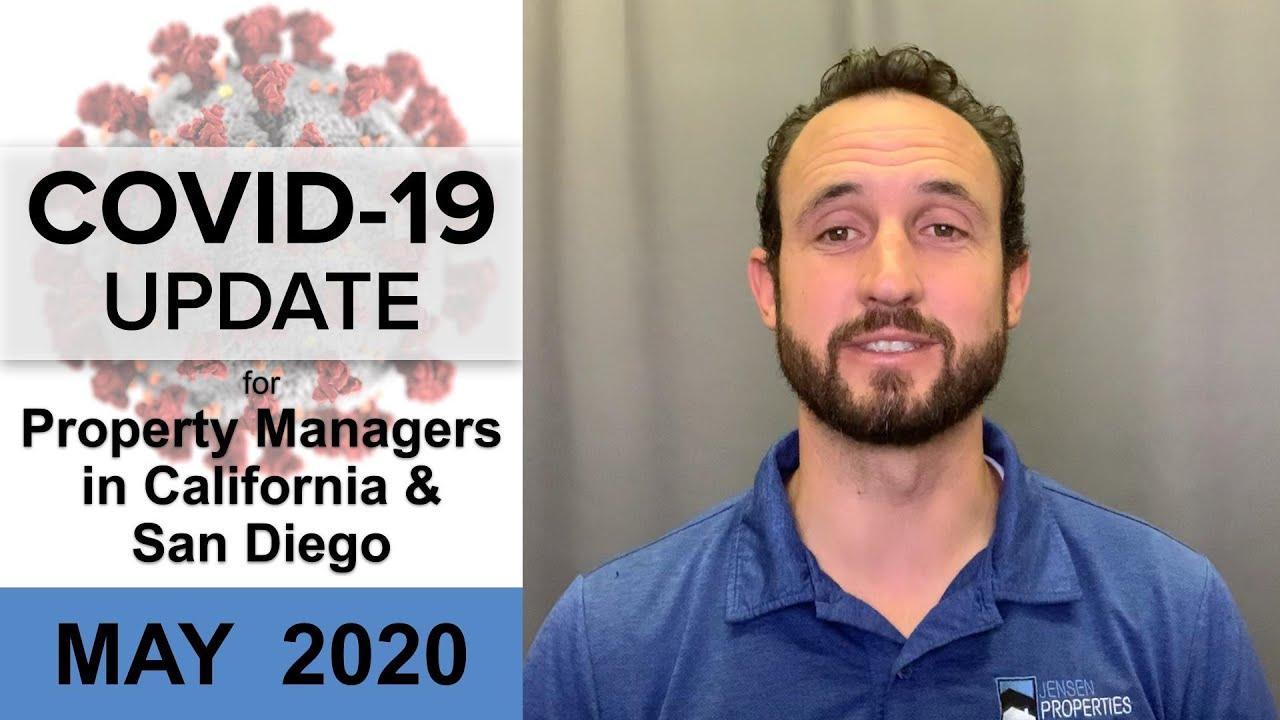
    MID MAY 2020 UPDATE
    for
    CALIFORNIA & SAN DIEGO


    When clicked, this video is loaded from YouTube servers. See our Privacy Policy for details.

    Older Updates…

    CALIFORNIA STATE

    When clicked, this video is loaded from YouTube servers. See our Privacy Policy for details.

    SAN DIEGO CITY AND COUNTY


    When clicked, this video is loaded from YouTube servers. See our Privacy Policy for details.

    * DISCLAIMER: Information about COVID-19 is changing every day, so this information is current as of the date of posting. However, we are also not a legal firm or lawyers, so this information is only provided as our interpretation of the current laws and should not be used as firm legal advice. Please contact us directly for more information or consult a lawyer for your exact situation.

  • Raising Rent 101

    Raising Rent 101

    Raising your tenant’s rent can be one of the most stressful and tense interactions you’ll share. Keeping a good tenant is incredibly valuable, but you’ll also want to maximize your earnings and profit on your property. This difficult situation causes landlords to be afraid of raising their rent because they don’t want good tenants to leave. Uplift Property Management has years of experience in lease negotiations and renewals. We’ve developed a system to keep owners and tenants happy throughout their tenancy. Here are a few tips we recommend to make raising your rent a much easier task. 

    Right Time and Right Amount 

    A common mistake landlords make when raising the rent is to lack consistency in their rent increases. Inconsistency can cause your property to fall below market price, which then leads to monetary loss over the long run. If you then try to make up for the lost money by raising the rent several hundred dollars, you’ll find your tenants extremely unhappy and at risk of moving out. 

    The correct time to raise rent is at the end of a lease and the start of a lease renewal, which is usually every 12-months. Tenants should then expect to receive a rent increase every year, at the end of their lease. The rising cost of living and inflation are a fairly easy way to justify a rent increase every year. 

    Follow your local laws regarding rent control and work within the law. Just because you can raise the rent, doesn’t mean you should. A higher rent increase can lead to more move outs. You should also consider the tenant’s options. If the rent increase puts your property at the same price as a newer property, your tenants will be incentivized to leave you for the newer property where they will pay the same amount but possibly receive a home with fresh paint and new appliances. Keep It Friendly

    You don’t need to know everything about your tenant, but maintaining a good relationship with them can make rent increases easier. Communication is important. Make sure you’re answering all their questions and concerns in a timely manner so they don’t feel neglected or ignored. Don’t let repairs sit for too long if they need to be completed. If a tenant likes you and the way things are running then there will be no reason for them to leave. 

    Tenants will feel more important if you can remember a few key things about them. Ask about their hobbies, family, recent events. Remembering small details shows you’re paying attention and see them as a person, not just a tenant. 

    Negotiations 

    You should try to keep up with the rental market but it’s just as important to listen to and be reasonable with your tenants. As an example, if you increase rent by $60 and your tenant is unhappy with it, you may be able to keep your tenant by negotiating. If your tenant says they will sign another year but they’d like their carpets cleaned, it may be worth the expense. A one-time expense of $80 for carpet cleaning will be worth it in the long run. $60 for 12 months will gain you an extra $720 a year. 

    Alternatively, if you increase rent by $60 and your tenant makes a counteroffer to increase rent by only $45 dollars, it may be worth it to take the deal instead of having them move out. You would only be losing out on $180 then and it’s important to remember that move outs can be very expensive. Typically, a standard turnover costs about $3,000. 

    Let Them Think About It

    It’s most beneficial to let tenants know about a rent increase sooner rather than later. Giving them a notice 60 days before their lease expires gives them time to decide what they want to do. This may result in them negotiating with you. Nevertheless, you should ask for a final answer from them 30 days before the end of lease. 

    How Uplift Property Management Can Help

    Rent increases can be stressful… But they don’t have to be! We evaluate rent prices annually and consistently work to increase the return on your investment. Explore our website and find out for yourself how Uplift Property Management can make your real estate dreams a reality.

  • The Need-to-Know for Service Animals & Emotional Support Animals

    The Need-to-Know for Service Animals & Emotional Support Animals

    More and more, often applicants who are applying for rentals are informing us that they have an emotional support animal, service animal or an assistance animal. According to the laws of California they are not considered pets. They are basically considered medical equipment. Support or assistance animals are on duty and providing assistance to people with disabilities. 

    Uplift Property Management is well-versed in situations regarding assistance animals, fair housing and California laws. Here’s the Need-to-Know regarding assistance and emotional support animals.

    Emotional Support vs. Service Animals 

    Although the two are not the same, they are both protected by housing laws. However, there are important differences to remember. Emotional support animals provide support for those that suffer from anxiety, depression, post-traumatic stress disorder, etc. They are therapeutic animals and usually a cat or dog. 

    A service animal is typically a dog, trained to assist a person. Wheelchair-bound individuals, people with blindness, or people prone to seizures are typically recommended a service animal for assistance. You can usually identify a service animal by their vest, labeled “service animal” or something similar. 

    Although service animals are allowed entry anywhere that their owners are, emotional support animals have more restrictions.

    Housing Laws and Support Animals 

    Remember, emotional support animals and service animals are not considered pets. Because of this, you are not allowed to charge a pet rent or even ask for an added pet deposit. You must allow for service animals and support animals in your property, even if you don’t want pets in your home. Furthermore, you cannot discriminate against specific breeds.

    You may be doing a walkthrough inspection and find an animal at your property even though you were never informed. The tenants may then tell you it’s an emotional support animal. According to California law, tenants are not required to tell you if they need a support animal. However, you can request a verification letter at any time from a qualified professional.

    Verifying the Service Animal

    If a tenant says they have a service or emotional support animal but there is not an obvious disability, you may ask for written verification. Written verification is usually a simple letter or prescription that states the person in question is required to have a service animal. If the disability is visibly apparent, there is no need for service animal verification. You should not ask the tenant what their disability is in this situation. 

    Common Misconceptions

    We’ve compiled the most frequently asked questions regarding service animals.

    Do service/support animals have to be formally trained?

    No, the service/support animal does not need to be formally trained. Although most service animals are trained and need to be registered/certified as a assistance animal, there is no need to confirm this with each individual animal. On the other hand, emotional support animals do not require any training.

    Can you contact the source of the letter or prescription?

    No, you cannot contact the tenant’s verification source directly. This violates HIPAA privacy laws and fair housing laws. You must accept the letter from their therapist as it is provided to you. 

    Can you ask for proof of disability?

    No, you may not ask the tenant about their supposed disability or why they need a support/service animal. Their provided verification letter will be their reason. If the letter does not seem legitimate, you may ask the tenant to complete a reasonable accommodation form. 

    Can you deny an application because they have an service/support animal?

    No, you may not turn away an applicant with a service/support animal that falls under your restricted breeds. This is because a service/support animal is not considered a pet. The restricted breeds do not apply to them. If you feel the animal would harm those around it, you may deny them but it is strongly advised you do not. 

    Tired of dealing with all the laws surrounding housing? Uplift Property Management has the experience to make your property thrive. Contact us today to see how our property management solutions can remove stress from your life while taking care of your investments. 
  • Home Upgrades NOT Worth the Cost

    Home Upgrades NOT Worth the Cost

    Property owners are often told that home improvements are the key to more profit. You can quickly find a myriad of articles and videos that claim to know which upgrades they should be focusing on the most. We decided to think outside the box and look into the improvements that aren’t worth the cost.

    Uplift Property Management has the experience and the passion to turn our real estate dreams into reality. Over the years, we have learned which upgrades are worth the cost upfront and which upgrades usually leave you in the red. Here are some of the improvements we think you can avoid.

    Adding a Pool or Spa

    A pool can seem incredibly attractive when touring a property, especially in the warm San Diego climate. Nevertheless, it can be a major expense if your home doesn’t have a pool or spa already. Costing upwards of $50,000, it’s an investment that will likely never pay off.

    You should also be aware of the hidden expenses a pool can bring. Pools generally require maintenance and you will need to hire someone for this since tenants are not known for keeping pools in great condition. Lastly, sometimes pools and spas can dissuade certain families with young children because of the added danger. This leads to less interest in your property.

    High-End Paint

    You will be required to repaint almost every time you change tenants. With this in mind, it may be tempting to spend more on paint or the painter with the hopes that it will last longer and look more aesthetically pleasing.

    Truth is, most tenants will be putting something up on the wall with nails or screws. They also push furniture up against the wall leaving marks when they are gone. Touchup paint almost never looks good unless you paint corner to corner, not a specific section. If you’re using expensive paint or a high priced painter, this will quickly bring up expenses without increasing the return. So paint the whole wall or the whole unit, just don’t go looking for custom painting companies to do a rental paint job.

    Furnishings

    You may think adding a TV or sound system to your rental is a good idea, but most tenants already have their ideal home in mind. Usually, providing the tenant with furnishing leads to them having to store their belongings elsewhere or removing yours and then moving in theirs.

    Uplift Property Management knows that unfurnished homes are easier on the owner since they won’t have to be concerned about their items being damaged. Simultaneously, this provides the tenant with an opportunity to choose exactly what they want in their home.

    High Maintenance Landscaping

    Curb appeal is obviously important in renting a property. If your home is unappealing from the outside, tenants will not be interested in stopping by to see the inside. However, spending a large amount of money on exotic flowers and expensive lawns shouldn’t be your first option.

    Everyone loves a beautiful home, but it should also be easy to maintain. A well maintained front yard is more than enough to be in their good graces. Fancy plants and flowers will likely cost you more to maintain and are not necessary.

    Luxury Kitchen/Bathroom

    Although your appliances and fixtures should all be in working condition, they don’t always have to be upgraded to the best model. As long as your property and appliances are well taken care of, your tenants won’t be expecting the latest and greatest home innovations. Take a moment to see which appliances or fixtures need to be repaired or replaced.

    Contact Us

    Contact us to learn more about our service, pricing, and the team that gets it all done. Uplift Property Management is a full service property management company. When you become an Uplift client, we will take care of your property like it is our own investment. Don’t forget to contact us if you have any questions!

  • Simplifying Your Property Turnover

    Making sure your home is ready for a turnover is essential in renting your property. It can affect how quickly your home will rent and possibly what kind of tenant you’ll be moving in. This can be quite a daunting task – especially for first timers. You may be concerned about missing something that warrants repairs or overspending on beautification.

    Uplift Property Management has the knowledge and experience to manage your property. We know what to look for and how to operate to efficiently to get the most bang for your buck! Here’s 5 helpful tips to ensure your turnover is successful. 

    Re-Key The Property

    Many times forgotten but extremely important! The only people with access to your property should be your current tenants and yourself. Your previous tenant may have turned in the original keys but they may have made copies they forgot to return! You’re better safe than sorry. Keep your home safe from trespassers by re-keying between tenants. 

    Use a Move In / Move Out Form

    Start documenting your home as soon as it’s ready! Once your property has been repaired and cleaned, take pictures! You can only have too few, not too many. Get the entryways, living room, kitchen and bathrooms. You want to be able to prove the current state of your property, nothing should be left to doubt. Take pictures of every room in your property and from different angles. You’ll now have a record of what your home looked like prior to anyone moving in, assisting in the use of your tenant’s security deposit. 

    At the turnover, make sure to give your tenants a move in/move out form. Walk the property with your tenant and ask them to write down any defects in the home– such as chipped paint, scuffs on walls, damaged flooring, etc. These minor things will be noted at move in so that both parties know the damage was pre-existing. 

    Protect the Paint

    Make sure you examine the paint in your property when a tenant vacates. Although normal wear and tear can usually be touched up, some walls with significant damage may require a full repaint. Paint has a lifespan of around 3-5 years. You should consider a full repaint at that point. As for the type of paint, we never recommend using the cheapest paint available. It doesn’t hold up in the long run and definitely doesn’t market well. If your home was recently upgraded, consider using at least a middle ground paint. If not, a basic paint is fine. 

    General Maintenance and Cleaning

    Make sure your appliances are working correctly. This is an especially good time to replace appliances if it’s been a while. Upgrading appliances allows you to increase your asking price and usually results in your home renting faster! However, doing this can get pricey if you’re replacing multiple appliances and it may take you a couple of years to recoup the costs. 

    Upgrading appliances may be optional but you should never skip on cleaning! We recommend that you have your property professionally cleaned before your tenants move in (after all painting/maintenance/repairs are done). If the property was cleaned a few weeks before turnover, dust may settle and you should consider returning for one final touch up before the move in date. Delivering the property in it’s best condition gives them the expectation it should be kept this way and that we’re expecting it back in the same condition. 

    During move in, your tenant may notice something that you did not. We recommend you consider any repairs the tenant reports at move in. If repairs won’t be made but the tenant won’t be held liable for pre-existing damage at move out, you should convey that to them so they’re not waiting on repairs. 

    Advertising Effectively

    Make sure you’re putting your best foot forward and advertising your home with the nicest pictures available! First, make sure the property is looking its best when taking photos. Are the repairs all done, walls repainted, and everything cleaned? If it’s looking good, you’re on your way. Next, consider the camera you are using. Although most cellphones take decent pictures, it’s near impossible to compete with a DSLR camera and wide-angle lens. This setup takes pictures that appear less claustrophobic, allowing your home to seem larger on the inside. Lastly, don’t forget to position yourself to take the best angled pictures of your home. Standing in a corner and taking pictures across the room gives a bigger scope of the area. Don’t forget to open windows and shoot when the sun is out for better lighting. 

    Contact Us

    Contact us to learn more about our service, pricing, and the team that gets it all done. Uplift Property Management is a full service property management company and when you become an Uplift client, we will take care of your property like it is our own investment. Don’t forget to contact us if you have any questions!

  • How to Maintain a Good Relationship With Your Tenants

    How to Maintain a Good Relationship With Your Tenants

    Finding the right tenant is almost as important as finding a tenant at all. A good tenant supplies their rent on time monthly and properly maintains the property which leads to less repairs and expenses. It is in an owner’s best interest to build a professional relationship with their good tenants to keep them satisfied as this can often lead to a lease renewal. At Uplift Property Management, we do this for you, working to keep tenant relationships professional and making sure your information is kept private. Here are some things we can do to build trust and respect with our tenants.

    Good Communication

    Setting expectations early can oftentimes avoid disappointment. Effectively communicating is a key role in being a great landlord. From the day you receive the rental application, it’s good practice to follow up with a phone call to confirm you’ve received it. You can let them know you’ll be working on it and may contact them again with questions you may have. Tell them when they can expect to hear back from you and be realistic. When an applicant asks questions—and they will ask questions—make sure to answer honestly and in terminology that they can understand. Remember, it is better to set expectations realistically than to over-promise and under-deliver.

    Keeping Your Word

    Trust is the key to a great relationship. Make sure you can keep any promises you make to your tenants. Saying you will do something only to take it back later will cause tenants to grow frustrated and lose respect for you and your property. In the same sense, it’s vital to avoid doing things we promised tenants we wouldn’t do. A common example of this is charging a late fee when the tenant was told it would be waived or charging for a property repair when the tenant was told it would be the landlord’s responsibility. Lastly, a good rule of thumb is to follow up all conversations with an email detailing what was discussed. Having these follow-ups in writing provide additional clarity and offer the opportunity to dismiss assumptions made from either party.

    Transparency

    Being transparent applies to effective communication and keeping your word, too. Set realistic expectations so you can avoid frustrations later. If a tenant contacts you about a non-urgent maintenance request and your vendor isn’t available until next week, be honest about the timeframe. Although you may get a better initial reaction by sugarcoating an answer, the disappointment and resentment that comes after expectations are failed to be met can be irreparable.

    You should be clear on what your tenants will be charged for in regard to the property at move in. Any charges that the tenants will be responsible for should be clearly written in ads, noted in the lease, and communicated over to the tenant. When a tenant calls to request maintenance, they should already know whether the tenant or landlord is responsible for the cost. There shouldn’t be any confusion over what the tenant is expected to maintain at your rental.

    Maintenance

    The tenant’s experience can quickly be ruined by having too many maintenance requests open or ignored. It’s important to outline maintenance request protocols in your lease and to communicate these guidelines, whether you prefer phone calls or emails. Walk the property with your tenant at move-in and test common issues such as making sure the toilet flushes properly, the garbage disposal works correctly, and the drains have been snaked.

    Putting of maintenance?

    You may be inclined to put off maintenance problems because of the expense, but putting off a needed repair will likely cost you more money in the end. A small leak can turn into serious mold issues, for example. Not only that, but neglecting maintenance can also cause friction between you and the tenant. They’ll wonder why they have to wait for a feature that was advertised as included. They may even repair the problems themselves and ask for a rent credit in return.

    Time is of the essence when it comes to maintenance emergencies and vendors should be dispatched as soon as possible. You should have a couple of trusted vendors for each type of service (such as cleaning, plumbing, roofing, etc.) on standby. They should be aware that you are counting on them for any emergency you may encounter and willing to help. When your rental encounters a problem, they need to be ready to go. Some maintenance requests can wait, but habitability issues need to be addressed immediately. No hot water? Toilet completely useless? Active flooding? Don’t wait too long. Hesitation when it comes to these matters can get you into trouble and cost you even more money.

    It’s good practice to follow up with tenants after each repair, too. This can provide you with useful feedback about your vendors and also creates an opportunity to check in with your tenants.

    Conclusion

    A good tenant is worth keeping and communication is the keystone. Communication that is honest and consistent leads to greater professional relationships between owners and tenants. Expectations that are set correctly can avoid disappointment later. Make sure your tenant knows what to expect and what you’re expecting of them. If you promised your tenant something, make sure to keep your promise or your word may lose its value and your tenant may grow resentment towards you and your property. Work together with your tenant to maintain your property. If a repair was said to be the owner’s responsibility, take action and repair what’s needed. Although the cost of maintenance may deter you from committing to repairs, stalling may lead to problems with fair housing and higher repair costs.

    Uplift Property Management has the systems in place to make sure these things happen according to plan. We also have a preferred vendor list for all the maintenance situations that pop up. Contact us to learn more about our services and pricing or visit our Services & Pricing page. 

  • Allowing Pets in Your Rentals

    Allowing Pets in Your Rentals

    Everyone seems to love pets! Whether you’re a dog person or a cat person, a loyal companion can make our days all the easier. However, property owners may be a little less excited to hear their potential renters have a furry friend moving in with them. So, what exactly are the rewards and risks of allowing pets into your rentals?

    PROS OF ALLOWING PETS

    Accepting pets into your rental will open up the market to more people. This means more prospects, less days your rental is vacant, and more money in your pockets quicker! Turning someone away simply because they have a pet means you’ll have to dedicate more time into finding another renter. Every day your property is vacant is another day of lost income. Nevertheless, bringing in the wrong tenant can lose you more money than you’ll make.

    CONS OF ALLOWING PETS

    Accepting pets usually comes hand in hand with more damage to your property, unfortunately. That means you’ll need to spend more money every time a tenant leaves and you plan to bring a new one in. As you can imagine, pets wear and tear the floor much more than what’s expected from a typical tenant. Pets can scratch wood floors although vinyl is a bit more resistant. Pets and carpets very rarely play well together as the pet can shed their fine hair into the carpet and leave allergens for future tenants. The fact is, there will always be a risk of the pet urinating on the floor. Many landlords accept pets with an increased deposit and/or increased rent for this very reason!

    WHAT WE RECOMMEND

    We recommend that you accept pets in your rentals. Why? Today up to 40% of tenants looking for a home already have pets. That means that you could almost double your market of potential renters by simply accepting pets. Also, more and more renters are applying with emotional support and service animals. If the tenant provides proper documentation for their pets, we have to accept them regardless of your property’s pet policy. Our pet policy covers all bases since we increase the deposit and also slightly increase the rent based on the number of pets. 

    CONCLUSION

    There are a few things we can do to mitigate damage and increase interest in our properties. As mentioned before, you can accept pets with a higher deposit and/or increased rent. This way when your tenant moves out, you have extra funds to repair any damage that was made. Another tactic you can use to filter out certain pets is to say you “Accept Pets with Restrictions” so that you can restrict certain breeds of dogs that may cause more damage to your property. Big playful dogs – like a Siberian Husky, for example—shed many hairs and are prone to barking and wanting to play at off hours of the night. This can become a problem if neighbors decide to place noise complaints.

    It’s not easy deciding whether or not to accept pets into your rental. It requires some time and thought to decide what’s best for you and your investment. The biggest takeaway should be this: Accepting pets can help minimize the cost of vacancies, but they can also open the door to possible damage. Nevertheless, there are steps we can take to ensure our property is protected to the best of our ability, such as only accepting certain kinds of breeds or accepting pets with a higher deposit or increased rent to offset any damages the tenant and their pet may leave. 

  • Saving for Large Projects

    Saving for Large Projects

    In this blog, you’ll be able to find 6 large projects for your rental property. If you’re looking for updates that will attract more tentants, keep on reading!

    Project #1 Roofing

    Depending of the type of roof, your roof could last anywhere from 20-50 years. Re roofing is a big project and can cost tens of thousands of dollars. If you’re interested in getting estimates, please let us know and we can send some trusted vendors to your property.

    Project #2 HVAC System

    Air conditioning systems can last 10-15 years, but should be regularly serviced. Tenants are instructed to change filters on a regular basis, but a more thorough service may be beneficial to you. Furnaces and heating systems can last 15-20 years. If you need to upgrade, there are new energy efficient options you can consider for your property.

    Project #3 Windows

    Aluminum windows are normally expected to last 15-20 years. New windows can help by reducing energy costs, attracting better tenants, and keeping your property secure. For a detailed estimate to replace windows, please contact us. This type of project can be done all at once or one window at a time.

    Project #4 Water Heater

    Normally water heaters will last about 10 years. If your water is nearing this age, expect it to go out soon. If a water heater begins to leak, it could cause a potential plumbing emergency which will cost extra. You may want to consider replacing your water heater before it completely goes out. Tankless water heaters are becoming more popular, but there are pros and cons to both types. Contact us if you want to discuss this project further.

    Project #5 Flooring

    Wood floors can last for decades. Tile floors can also last a very long time if they are treated well. Vinyl can last up to 30 years, linoleum up to 25 years, and laminate about 15-25 years. Carpets usually need to be replaced every 8 years if they’re treated well. If tenants damage flooring, they will be charged a prorated amount to replace it.

    Project #6 Appliances

    As an owner, you shouldn’t expect an appliance to last more than 15 years.

    If you need help with your Property Management, check out our website: upliftpm.com or don’t hesitate on contacting us!

  • Upgrading Your Unit

    Upgrading Your Unit

    Why Upgrade Your Unit?

    Upgrading units in various ways can steadily improve your rental property and increase the value of your rental property! If you are hoping to increase the rent, updating and upgrading is a great way to do that. Nicer units will also attract better tenants who will stay longer and take care of your unit like their own.

    Here are some suggestions for how you can make improvements to your rental property:

    New Paint

    At Uplift Property Management, we expect the paint in a rental unit to last for 3 years under normal wear and tear. When tenants are looking for units to rent, paint is a very obvious thing and having new paint can help your unit rent quicker. 

      New Flooring

      Instead of carpet, we can use a wood grain vinyl, a vinyl plank, or even tile. These all last much longer than carpet and are easier to maintain. Tenants love flooring without carpet and can always lay down rugs in areas they want.

      Updated Appliances

      Replacing old appliances can add a lot of value to your rental property. You can replace your existing appliances with stainless steel units to make them pop even more. We work with vendors who can supply us with good deals on units and sets, so please contact us if you are interested in upgrading.

      Refinishing Countertops or Tubs

      If you have older, chipped counters or bathtubs, consider refinishing them. Refinishing will give the counter or tub new life for minimal cost and most companies will warranty the work done for 3-5 years.

      New Blinds

      You unit will rent much more easily and quickly if you have working blinds in each window. 

      Professional Services

      If your rental property includes a pool or landscaping, we highly suggest you hire someone to take care of the landscape maintenance or pool service. This will ensure that your pool or landscaping stays in good condition during the tenancy.

      Quarter-Turn Angle Stops

      Many plumbing problems can come from old or broken angle stops. To prevent issues, we recommend installing newer quarter-turn angle stops so that the likelihood of a plumbing issue is less. 

      Pressure Regulator

      Sometimes a pressure regulator is suggested to make sure the water pressure in your unit is not too high. High water pressure can be the cause of many plumbing issues including burst pipes, pinhole leaks, shower/sink cartridges failing, supply lines and angle stops failing, etc. 

      Smartlock Deadbolts

      At Uplift Property Management, we use Kwikset’s Smartkey system to make rekeying between tenants fast and easy. We suggest this on some, but not all out rental properties. We normally make this upgrade during our turn process since it proves to be cheaper than using a locksmith each time. Before changing any of your locks, contact us for more information.

      How Can Uplift Help?

      Uplift Property Management provides coordination for any upgrades or remodels you may want to complete. We have a long list of approved vendors that can provide estimates and do the work. This coordination is included for free with our full property management services. We can gather information, send multiple vendors for estimates, present those to you for approval, and schedule and coordinate the work to be done. If you have any questions about the process of making any upgrades or completing remodels, please contact us.

    1. Safety Inspections

      Safety Inspections

      Safety inspections are normally done annually (and can be done biannually) to make sure units are safe and secure. After the first safety inspection (included with the flat fee from Uplift Property Management), we work with outside vendors to complete these safety inspections. These inspections are completed 90-120 days before the lease ends so that we can determine whether or not to extend the lease term. Contact us to find out how much safety inspections would be for you rental unit(s).

      The following things are checked during safety inspections:

      • Doors and locks.
      • Windows, screens, and window covers.
      • Toilets, sinks, tubs, washers, and all plumbing fixtures to make sure supply lines, drain pipes, and all plumbing is working correctly without any leaks.
      • Appliances to make sure they are running properly, not leaking, and in good condition.
      • HVAC system to make sure the heater and AC are working properly.
      • Smoke detectors and CO detector(s)
      • Lights, switches, and outlets to make sure there are no potential electrical issues.
      • General condition of the property and whether it is being taken care of.
      • Potential maintenance issues that may come up in the future.
      • Preventative maintenance suggestions that are noticed.

      Please contact us if you have any questions about safety inspections.