• Understanding Property Management Fees: What You’re Really Paying For

    Understanding Property Management Fees: What You’re Really Paying For

    At Uplift Property Management, we often hear from landlords who want a clearer understanding of rental property management fees and what they truly cover. Between management fees, leasing costs, and maintenance markups, it can be difficult to tell which expenses are fair and which might be cutting into your rental income.

    If you own investment property, understanding how these fees work helps you see where your money is going and whether it aligns with your goals as an owner.

    Monthly Management Fees

    The monthly management fee is the backbone of most property management agreements. It’s usually a percentage of the rent collected, most often between 8% and 12%. On how property management fees work show that this range reflects the amount of communication, coordination, and compliance needed to manage a property effectively.

    If your property rents for $2,000 per month and your manager charges 10%, you’ll pay $200 for ongoing management. Some companies adjust rates for larger portfolios, while others set minimum fees for lower-rent properties. The key is transparency, knowing exactly what’s included in that percentage and what isn’t.

    Leasing and Renewal Fees

    When a property becomes vacant, most management companies charge a leasing fee to cover advertising, showings, and tenant screening. This fee usually equals half to a full month’s rent.

    Vacancies can have a deeper financial impact than many realize. Data on the U.S. rental vacancy rate shows how even small fluctuations affect rental income across the market. Losing a month of rent to vacancy and another to a leasing fee can quickly reduce yearly returns. Renewal fees are smaller but still worth monitoring if turnover is frequent.

    Stable, long-term tenancies make a big difference. Strong communication and consistent tenant management practices help tenants feel valued, which in turn keeps occupancy steady and costs lower.

    Should You Manage Your Rental Properties Yourself?

    Some landlords decide to handle everything themselves to avoid paying management fees. While that can look appealing at first, it also means taking on marketing, maintenance, accounting, and compliance tasks personally. What starts as a simple idea can quickly become a demanding routine.

    Managing rentals requires organization, time, and constant communication. Many owners who try it discover that self-managing rental properties involves far more than collecting rent, it’s about balancing tenant expectations, repairs, and regulations every day.

    The most consistent results tend to come from structure. When systems are in place to keep tenants informed and properties maintained, everything else runs more smoothly, whether you manage yourself or hire a professional.

    Maintenance Markups and Coordination Fees

    Maintenance is one of the most misunderstood parts of property management. Some companies add a markup to repair costs, often 10–15%, while others include a coordination fee on vendor invoices. A $2,500 repair, for example, might include an extra few hundred dollars for management oversight.

    Moderate coordination fees can make sense for scheduling and supervision, but unclear billing can create frustration. Detailed invoices help show where the money goes, how much covers labor, materials, and management.

    A consistent process for move-ins and move-outs also helps prevent unnecessary repairs. The structured approach Uplift follows for managing tenant transitions keeps properties well-maintained while reducing surprises for both owners and tenants.

    Even well-run properties occasionally face eviction. Some management companies include this in their standard service; others charge separately. Before signing an agreement, it helps to know how legal costs are handled, who pays court fees, how communication continues during the process, and whether rent collection is paused or managed differently.

    Knowing these details upfront makes difficult situations easier to navigate later.

    Onboarding or Startup Fees

    A one-time onboarding fee, sometimes called a setup or startup fee, covers administrative work when a property is first added to a management portfolio. This might include creating accounts, setting up inspection schedules, or syncing financial data. Some companies charge several hundred dollars, while others build these costs into their ongoing rate.

    At Uplift, pricing is simple. The management fee is 8% for most single-family homes, with a $175 minimum per unitfor lower-rent properties. The tenant placement fee is $595, and a tenant retention fee applies when leases renew. For portfolios with five or more units, the rate drops to 6%. This structure keeps budgeting consistent and ties directly to the rent-ready process used when preparing properties for new tenants.

    Why Transparency Matters

    Property management should make ownership easier. When pricing is straightforward, it’s easier to understand where your money goes and how it supports your investment. Clear communication around fees builds trust, strengthens partnerships, and makes decision-making simpler for everyone involved.

    Key Takeaways

    • Know what’s included. Understand how management fees are calculated.
    • Watch turnover costs. Vacancies and leasing fees can impact returns more than expected.
    • Review maintenance billing. Ask for itemized invoices for clarity.
    • Understand legal coverage. Confirm what happens during evictions.
    • Value transparency. Clear terms protect both your finances and your peace of mind.

    Final Thoughts

    Owning rental property can be rewarding when you have a clear picture of your expenses. Understanding how fees are structured and what they represent gives you control over your investment’s performance.

    When every charge is transparent and every process has a purpose, property ownership becomes more predictable, and far less stressful. If you ever want a clearer look at your own costs, our team at Uplift Property Management is always ready to help you make sense of the details.

  • How to Advertise Your Temecula, CA Rental Property Successfully

    How to Advertise Your Temecula, CA Rental Property Successfully

    Key Takeaways

    • Being left with a vacant rental property is something that no rental owner wants to deal with.
    • There are several strategies landlords can employ when advertising their rental to speed up the vacancy-filling process.
    • To most effectively streamline your rental efforts, consider partnering with a property management company.

    Keeping vacancies low is key to optimal returns on a rental investment (ROI). This is a no-brainer for any successful landlord! But keeping rental vacancies low isn’t usually the easiest part of the process. As a landlord, you’ll need to have a tried-and-tested strategy to ensure you land a quality resident for your rental property. 

    A quality resident will benefit your bottom line in more ways than one. Including:

    • They will pay rent on time, every time. 
    • Take care of your rental property. 
    • Renew their lease multiple times. 
    • Report issues promptly. 
    • Abide by all terms of the rental agreement. 

    So, how exactly can you advertise your Temecula, CA, rental property to land such a resident? Well, here’s a guide by Uplift PM to get you started on this process. 

    Get the Photography Right

    Prospective residents will spend most of their time scrolling through photos. After all, photos can help prospective residents visualize how living on the property will be like. 

    Taking a few lazy photos won’t help, though. You’ll need to invest in the right gear and take the best photos possible. 

    Before you can begin the photography session, however, planning is essential. Here are some pointers you’ll want to keep in mind for great photos.

    A DSLR camera.

    Staging

    In other words, make your property look its best. You can do this by getting rid of trash and debris, giving the property a thorough cleaning, and depersonalizing the space, among other things. 

    Lighting

    You won’t get high-quality photos if you don’t work on the lighting aspect first. Ideally, take all marketing photos between mid-morning and early afternoon. This is when the sun is high enough for soft, consistent, and even natural light. During sub-optimal weather, utilize indoor lighting to avoid darkness.

    Angles

    Take all photos from the corner of the room, as this is going to provide the widest vantage point. Your photos should include as much of the room as possible to give viewers the best impression of the space.

    Locations

    Your shot list should include the bedroom, bathroom, dining areas, kitchen and its appliances, and outdoor spaces. You may also include any other shots that you think may be important for prospective residents. For instance, like areas that provide a great ambiance. 

    Write a Proper Rental Ad

    Once the photos are ready, move on to the next step: write a great marketing copy. This is what will help you to provide prospective residents with a cohesive story that ties everything together. 

    Make sure to keep SEO searchability in mind. This is essential in getting the ad seen by quality residents who are actively searching online. To be successful in this regard, the following are some things you could mention. 

    • The property’s location. 
    • Property type and size keywords. 
    • Amenities, such as stainless steel appliances, in-unit washer/dryer, newly renovated, and hardwood floors. 
    • Descriptive adjectives, like luxurious, spacious, gourmet, and energy-efficient.
    A person writing in a notebook.

    Incorporating SEO into your rental ad is crucial for getting it seen on search engine results pages (SERPs). 

    Aside from keeping SEO searchability in mind, you’ll also want to write a proper headline. The headline for the ad should be eye-popping to maximize the open rates. It should, ideally, follow a formula that includes all the important information.

    For example: $2,450 2-Bedroom 2-Bathrooms Luxurious Apartment in Old Town Temecula in Close Proximity to Promenade Mall. The formula provides most of the information a prospective resident would want to know about. 

    Next, compose a summary to help finish telling the story. Let prospective residents know what amenities or any unique features the property has. Make sure to use the right adjectives and describe what the neighborhood is like. You’ll also want to talk about any policies or other restrictions you have. For example, whether you have any restrictions when it comes to the type, number, and breed of pet a resident can keep. 

    Distribute the Ad 

    At this point you already have a stunning listing. But the next step is what can make it effective towards your efforts of attracting a large prospective tenant pool. Think about where your target tenants are most likely to find it. Consider posting your rental listing on social media or popular listing sites. Other methods you could use include yard signs, local dailies, and posters and flyers.

    A “house for rent” sign.

    Combined, using these methods can help put your rental ad in front of a large prospective tenant pool. Consequently, this can greatly improve your chances of landing a prospective resident for your rental property. 

    Conclusion 

    In addition to having a great property, you should have a great marketing plan as well. The goal of this is to ensure that you expose your property to a large prospective resident pool for quick vacancy filling.  For expert help in this regard or any other aspect of property management, look no further than Uplift PM. As a reliable and professional property management company, we can help your rental reach its full potential. Get in touch to learn more!

  • How to Attract Long-Term Tenants

    How to Attract Long-Term Tenants

    Key Takeaways

    • Understanding tenant needs leads to long-term success: Researching the local market and rental trends helps landlords tailor their property features and pricing to meet tenant expectations, increasing satisfaction and lease renewals.
    • Property quality and flexibility attract stable renters: Regular maintenance, modern upgrades, and flexible lease terms make a rental more desirable, helping reduce tenant turnover and vacancy periods.
    • Professional management improves tenant retention: Partnering with a property management company can streamline marketing, maintenance, and communication—keeping tenants happy and more likely to stay long-term.

    A rental property in San Diego can be an incredibly profitable venture. Rental properties are in high demand. Plus, America’s Finest City is one of the most profitable rental markets in the nation! This means landlords can secure a stable source of passive income while also profiting from long-term appreciation.

    However, it’s not uncommon for San Diego tenants to move around rentals. With such a big supply of rental properties in the area, renters have high expectations and plenty of options to choose from. Unfortunately for landlords, high turnover rates and long vacancies make it incredibly difficult to maintain profitability. 

    If you want your San Diego investment to succeed, you should aim to attract long-term tenants. A stable tenancy can be the key to long-term profitability. In this guide, the team at  Uplift Property Management will go over everything you should do to attract and retain renters for the long haul.

    1. Research the Local Market

    Understanding tenant demand is essential to attracting and retaining renters. Taking the time to study rental trends, vacancy rates, and local demographics can help you identify what renters in the area are looking for. This insight allows you to tailor your property and pricing strategy to match tenant expectations. 

    Offering or highlighting the amenities renters value most increases satisfaction and reduces overall turnover.

    In cities like San Diego, where competition is significant, understanding tenant preferences not only helps fill vacancies faster but also builds lasting tenant relationships, ensuring a steady income for months (or even years) to come.

    rental listings on laptop

    2. Set Competitive Rental Rates

    Setting the rent price too high can drive prospective renters away, while pricing it too low may help you attract tenants quickly, but it may not be your ideal tenant demographic. Researching the local market will help you find the sweet spot that lets you attract tenants without putting your profitability at risk.

    Once you secure tenants, it’s important to review your pricing strategy every year. Increasing the price of rent exponentially year over year can deter tenants from renewing their leases. However, keeping rental rates the same over several years can result in huge financial losses.

    3. Create an Attractive Rental Listing

    San Diego has one of the most competitive rental markets in the nation. With hundreds of properties being listed for rent every day, finding long-term tenants can be incredibly difficult. To fill your vacancies quickly, you need to make your property stand out from the rest. A well-written listing can help with this! 

    Start with a compelling headline that quickly communicates what makes your property appealing. Include the property type, number of bedrooms, and a standout feature. Within the description, highlight the key features and amenities that renters value, like parking, outdoor space, or pet-friendly policies. 

    Renters also care deeply about location, so be sure to mention nearby conveniences such as schools, parks, and shopping centers. Equally important are high-quality photos.

    Bright, clear images or a video tour showcasing every room and outdoor space can dramatically increase interest and help potential tenants imagine themselves living there.

    modern kitchen interior

    Finally, a successful listing should be honest and transparent. Include essential details such as monthly rent, security deposit, lease terms, and application criteria. This not only helps attract serious inquiries but also saves time by filtering out applicants who may not meet your requirements.

    4. Conduct Regular Maintenance

    San Diego tenants have high expectations, so a rental in poor condition just won’t do. A poorly maintained rental will drive prospective tenants away. Moreover, failing to keep up with maintenance can make existing tenants reconsider renewing their lease.

    This not only affects the appeal of your rental, but also its profitability. 

    5. Offer Flexible Lease Terms

    With so many rentals to choose from, you need to find ways to make your property stand out. A great way to do this is by offering flexible lease terms. Every tenant is different, but you can rest assured that they all value flexibility. 

    Being able to select the terms that better adapt to their lifestyle, whether it’s a month-to-month lease or a multi-year contract, can give your rental a competitive advantage and make it easier to fill your vacancies.

    6. Upgrade Your Rental

    Investing in upgrades is one of the most effective ways to attract and retain tenants. Renters are more likely to stay in a property that feels modern, comfortable, and well cared for. Simple improvements like new appliances, fresh paint, or updated flooring can greatly enhance the tenant experience. 

    paint rollers on wood floor

    Additionally, investing in upgrades while the unit is still leased shows tenants you value their comfort and satisfaction. This proactive approach builds trust and can increase your property’s value and help you stay competitive in the long run. 

    7. Partner with a Property Management Company

    A reliable property management company can be a valuable partner. These professionals know how to market your property effectively, screen tenants thoroughly, and maintain positive landlord-tenant relationships. 

    Professional property management companies ensure the property is well-maintained, repairs are handled promptly, and communication is clear, all of which improve tenant satisfaction and trust. Happy tenants are far more likely to renew their lease, reducing costly vacancies and turnover.

    Bottom Line

    Every successful landlord knows that long-term renters are the key to a stress-free and profitable rental experience. Regular turnovers increase your expenses and workload, from cleaning and repairs to marketing and tenant screening. 

    By researching the local market, setting competitive rates, marketing effectively, and investing in property upgrades,  you can increase tenant satisfaction and loyalty. When renters feel valued and comfortable, they’re far more likely to renew their lease, ensuring stable income and long-term success for your rental business. 

    If you need help advertising your San Diego rental or screening potential tenants, Uplift Property Management today! 

  • 9 Best Renovations for Your Rental Property

    9 Best Renovations for Your Rental Property

    Key Takeaways

    • Even Small Renovations Can Make a Big Impact: Minor upgrades like a fresh coat of paint, new light fixtures, modern blinds, or updated hardware can significantly enhance your rental’s appeal without breaking the bank.
    • Strategic Investments Increase ROI and Rental Value: Improvements such as updated kitchens, smart home features, or finishing unused spaces like basements or attics can boost property value and justify higher rental rates.
    • Curb Appeal and Cleanliness Are Non-Negotiables: First impressions matter. Simple exterior upgrades combined with clean, odor-free interiors (especially carpets and flooring), are essential to attracting and retaining responsible tenants in a competitive market.

    If you own a rental property in San Diego, you know the market is more competitive than ever. With hundreds, if not thousands, of properties being listed for rent every day, it’s becoming increasingly difficult to attract tenants.

    So, landlords have to get creative with their marketing strategies to find ways to make their units stand out from the rest.

    A simple way to make your San Diego rental stick out is by upgrading it. A freshly renovated unit instantly captures tenants’ attention, making it more appealing to prospective tenants.

    Moreover, investing in upgrades not only enhances your property’s aesthetic but also signals quality and care, two traits renters value most. 

    If you want to upgrade your San Diego rental, but don’t know where to get started, then keep reading! In this guide, the team at Uplift Property Management will go over the best, most cost-effective renovations landlords can invest in.

    Simple Upgrades to Make Your Property Stand Out

    Even small upgrades can attract long-term tenants and give your rental a competitive edge. Here are some simple upgrades to get your property move-in ready and attract more renters.

    1. A Fresh Coat of Paint

    Most landlords aren’t aware of the difference a fresh coat of paint can make. A coat of paint can make a space look bigger and well-maintained. By choosing bright, neutral colors, you ensure that your rental attracts a wider pool of tenants.

    After all, tenants are more likely to rent a property if they can envision themselves living in it.

    hand holding paint roller

    2. Installing New Light Fixtures

    Good lighting can make any property look brighter, more spacious, and more inviting. It enhances a home’s overall appeal, highlights its best features, and creates a warm atmosphere that attracts potential tenants and encourages them to feel comfortable and at home. 

    Replacing old light fixtures with modern, energy-efficient alternatives can increase the appeal of your rental and lower utility costs, which is a major selling point for young and eco-conscious renters.

    3. Refreshing the Hardware

    Outdated or worn-out hardware and fixtures can make a property feel neglected or outdated, while modern, high-quality finishes instantly elevate its appearance. Something as simple as replacing cabinet handles, faucets, house numbers, or light switch plates can give the entire space a refreshed, polished look. 

    These minor updates are cost-effective yet impactful, helping your rental stand out from the competition and appealing to tenants who value comfort, style, and thoughtful maintenance.

    4. Adding New Blinds or Curtains

    As we said before, small details matter greatly. A house without curtains looks off and uninviting. On the other hand, if the blinds of your rental are extremely dirty or broken, prospective tenants may assume you’re not a very attentive landlord. 

    Making sure that your San Diego rental has clean, modern blinds or curtains can give it a more polished and inviting look. Believe it or not, this can go a long way in attracting tenants.

    bedroom with large windows

    5. Deep Cleaning or Replacing Old Carpets

    It may sound hard to believe, but the flooring of your San Diego rental could drive potential tenants away. Old, stained, or worse, stinky carpets can deter tenants from renting out your home. After all, most renters will assume that if the carpet is in bad shape, so is the rest of the unit. 

    However, this doesn’t mean that you should spend thousands of dollars replacing the flooring of your rental. Deep cleaning can breathe new life into worn or used carpets. If they’re unsalvageable, then you can consider replacing them with more durable options, such as vinyl plank, laminate, or hardwood. 

    6. Improving the Curb Appeal

    First impressions matter greatly in the realm of real estate. If the outside of your rental looks in bad shape, most tenants won’t stay to see what the inside looks like. Refreshing the curb appeal of your rental property by staying up on seasonal maintenance can increase its appeal significantly. 

    Trimming the bushes, raking up the leaves, pressure washing the driveway, and mowing the lawn can go a long way. Additionally, adding some colorful but easy-to-maintain flowers, adding fresh mulch, or upgrading the deck can make your rental stand out from the rest. 

    7. Replacing Outdated Kitchen Appliances and Finishes

    Tenants love a remodeled kitchen. But landlords hate it. After all, remodeling a kitchen is not cheap at all. Luckily, there are some workarounds to this!

    modern kitchen interior

    You can completely change the look and feel of your San Diego rental by investing in small enhancements, such as painting or covering worn cabinets with vinyl, adding new cabinet handles, or replacing the backsplash. 

    If your budget allows, you can replace the countertops with granite or quartz options, buy modern, stainless steel appliances, or replace the cabinetry. Tenants will appreciate it!

    8. Investing in Smart Home Features

    Tech-savvy renters are always on the lookout for homes with smart features. Things such as smart thermostats, voice-activated lights, smart assistants, remote access, and smart locks can make a property look more modern and safe. 

    Even if they’re not too tech-savvy, tenants appreciate features that make their lives easier. In the long run, this can help you justify higher rental rates.

    9. Finishing Up the Basement 

    Renters care about square footage and are often willing to pay more for a more spacious property. If your San Diego rental has an unfinished basement or attic, this could be a great opportunity to get more out of your investment. 

    Converting an old, unfinished basement into a livable area, such as a TV room or play area, can significantly increase the functionality and appeal of your rental. 

    Bottom Line

    A newly renovated rental is a game-changer. Investing in upgrades and renovations isn’t just about keeping your rental property looking good; it’s about maximizing its value and profitability. Modern, well-maintained homes attract high-quality tenants, reduce vacancy rates, and justify higher rent prices. 

    Even small improvements, such as painting the walls, replacing old carpets, and refreshing the curb appeal, can significantly boost your property’s appeal and long-term ROI. 

    By continually reinvesting in your rental, you’re not only protecting your asset but also ensuring it remains competitive in an ever-evolving market, helping you achieve steady, sustainable financial growth.

    Need help choosing the right renovations for your San Diego rental? Contact Uplift Property Management today!

  • California’s AB 628: Mandatory Kitchen Appliances in Rental Units Effective 2026

    California’s AB 628: Mandatory Kitchen Appliances in Rental Units Effective 2026

    Key Takeaways

    • Assembly Bill 628 has been passed, expanding habitability requirements under California housing law: Assembly Bill 628 modifies existing law—California Civil Code §1941.1—by adding functional stoves and refrigerators to the characteristics required for a unit to be considered habitable. Beginning January 1, 2026, these appliances must be installed and maintained in most rental units, and this standard will apply to any lease or rental agreement governed by applicable law that is entered, renewed, or amended after that date. Because existing law requires landlords to provide and maintain habitable premises, AB 628 clarifies that essential kitchen appliances now fall under this duty.
    • Compliance introduces new financial and legal obligations: Under this bill, property owners must budget for appliance purchases, servicing, and recall replacements within 30 days of notification. Failure to comply could render a unit legally untenantable under existing law, exposing landlords to tenant claims such as rent withholding, repair-and-deduct actions, or habitability-based eviction defenses under applicable law. Since tenants are authorized to seek legal remedies when habitability standards are not met, landlords must act proactively to remain compliant with applicable law and avoid costly disputes.
    • Some housing types are exempt, but documentation is essential: While Assembly Bill 628 applies broadly, it exempts units like supportive housing, SROs with shared kitchens, and residential hotels. The bill also allows landlords and tenants to agree in writing that a tenant will provide their own refrigerator. To avoid disputes, landlords should update lease or rental agreements, maintain detailed records, and clarify appliance responsibilities to comply with applicable law, especially where existing law authorizes tenants to exercise their rights if a landlord fails to meet statutory obligations.

    California Assembly Bill 628: Mandatory Kitchen Appliances in Rental Units Effective 2026

    What is Assembly Bill 628?

    From January 1, 2026, a new law—Assembly Bill 628 (AB 628)—will require landlords to install functional stoves and refrigerators in the majority of rental apartments.

    Refrigerators or stoves were once considered “amenities” rather than a legal mandate. Assembly Bill 628 eliminates that—placing them in the statutory definition of a unit being tenantable (i.e., habitable).

    In summary: existing law requires that any building with a dwelling unit maintain certain characteristics in order to be tenantable. From 2026 onwards, landlords are no longer permitted to exclude providing basic kitchen appliances unless a property falls under certain exemptions. This article will provide what Assembly Bill 628 requires, the types of properties exempted, compliance tips for landlords, and the impact on tenants.

    The Legislative Foundation: Amending Civil Code § 1941.1

    Under existing law, California Civil Code § 1941.1 prescribes the minimum expectations a home must meet in order to be considered tenantable. Some of them include functioning plumbing, heat, safe electricity, weather protection, etc.

    AB 628 amends § 1941.1 to add:

    • A good working stove that can safely generate heat for cooking
    • A good working refrigerator that can safely keep food

    Both appliances must be maintained in good working order and capable of safely operating. If either appliance is subject to a manufacturer or public recall, it must be repaired or replaced within 30 days, and enforcement will follow applicable law.

    These standards shall apply to any lease or rental agreement entered into, renewed, or amended on or after January 1, 2026.

    In addition, Assembly Bill 628 states that if a refrigerator or stove is subject to a recall, the landlord must repair or replace the appliance within 30 days of being notified of the recall.

    Interestingly, the law also allows a landlord and tenant to enter into a written agreement that the tenant provides their own refrigerator, which excludes the property owner from maintenance obligations on the appliance under applicable law.

    Exemptions & Exceptions

    Bill 628 is not enforced across the board on all dwelling units. There are certain types of residential units that are exempt from the kitchen appliance requirement.

    Exemptions include:

    • Permanent supportive housing units.
    • Single-room occupancy (SRO) units with shared kitchen space.
    • Units in residential hotels (as those terms are defined in Health & Safety or applicable law).
    • Units in assisted living facilities or housing with shared or communal kitchens.

    These carve-outs are designed to allow for property types where full kitchen appliances are not expected or feasible under applicable law.

    Impact on Landlords: Costs, Risks & Compliance

    Financial & Operational Burden

    Most landlords, especially those with buildings that are not currently equipped with stoves or refrigerators, create new costs under bill Assembly Bill 628:

    • Capital to purchase appliances
    • Repair and replacement costs on an ongoing basis
    • Logistics and staff to manage breakdowns or recalls
    • Increases in potential insurance or utility exposures

    A few critics anticipate this may place disproportionate burdens on small-scale landlords or lower-margin properties.

    By elevating characteristics of stoves and refrigerators to the statutory level of habitability:

    • A defective appliance could render a unit untenantable under § 1941.1
    • Tenants may invoke repair-and-deduct rights, withhold rent, or use habitability as a defense against eviction actions
    • Appliance fix delays (or recalls) could invite tenant complaints and lawsuits

    Because existing law authorizes tenants to withhold rent, use repair-and-deduct remedies, or raise habitability as a defense in eviction proceedings, landlords must be proactive. Any delay in fixing appliances could result in tenant complaints, code enforcement actions, or lawsuits pursued under applicable law.

    Compliance Timeline & Transition

    • Jan 1, 2026 is the date for new or renewed leases to comply with the appliance requirement.
    • Old leases up to that date (and not renewed or amended) may not yet trigger compliance
    • Landlords must check units now, budget, and phase installing appliances ahead
    • Record of install, maintenance, and any written contracts by tenants for furnished appliances will be important

    What Tenants Should Know

    For renters, bill 628 offers several benefits and protections:

    • They can expect that future leases must include characteristics such as a working stove and refrigerator in safe, functional condition.
    • There is no requirement to accept a landlord-provided appliance—if both parties agree in writing, the tenant may provide and maintain their own refrigerator.
    • Tenant rights concerning repairs, habitability, and recourse remain intact and may now more clearly cover appliance failures.

    However, it’s important for tenants to review their lease terms closely, particularly for any clauses about appliance responsibility or maintenance. Tenants may still pursue remedies if appliances are not repaired within a reasonable time, especially since existing law requires habitable living conditions.

    Steps for Landlords to Prepare

    In an effort to minimize risk and maintain compliance, the following steps are recommended:

    • Take an inventory of units to identify those that already have stoves and refrigerators installed and those that don’t.
    • Plan for appliance buying, including spare parts and money for eventual replacement. Ensure all provided units are in good working order and not under recall.
    • Institute maintenance routines (periodic inspections, cleaning filters, handling recalls)
    • Staff or contractor training in rapid repair processes
    • Document everything — installation dates, service history, tenant requests, etc.
    • Redesign lease documents to account for the new provisions and voluntary tenant-provided refrigerator arrangement
    • Negotiate ahead of time to come to terms and reduce conflict

    Landlords need to act now rather than wait until late 2025 to be in a position to make the transition smoother.

    Broader Implications & Policy Rationale

    Policy-wise, Assembly Bill 628 is an effort to make the term habitable current. The idea is that being able to store food safely and cook there is not an amenity but a requirement—especially since getting into rentals already costs people an enormous amount of money.

    Others view AB 628 as a stepping stone: though appliance prerequisites might initially seem restrictive, they are a reflection of a growing recognition that access to food storage is a characteristic of dignity and must be included in housing codes legislatively.

    At the same time, legislators tacked on exemptions and recall protection to find a balance between affordability, especially in communal living or lesser-resource communities.

    Whether or not AB 628 means higher rents to compensate for appliance costs remains to be seen, although some landlords will attempt to recover investments in the form of rent adjustments (where allowed).

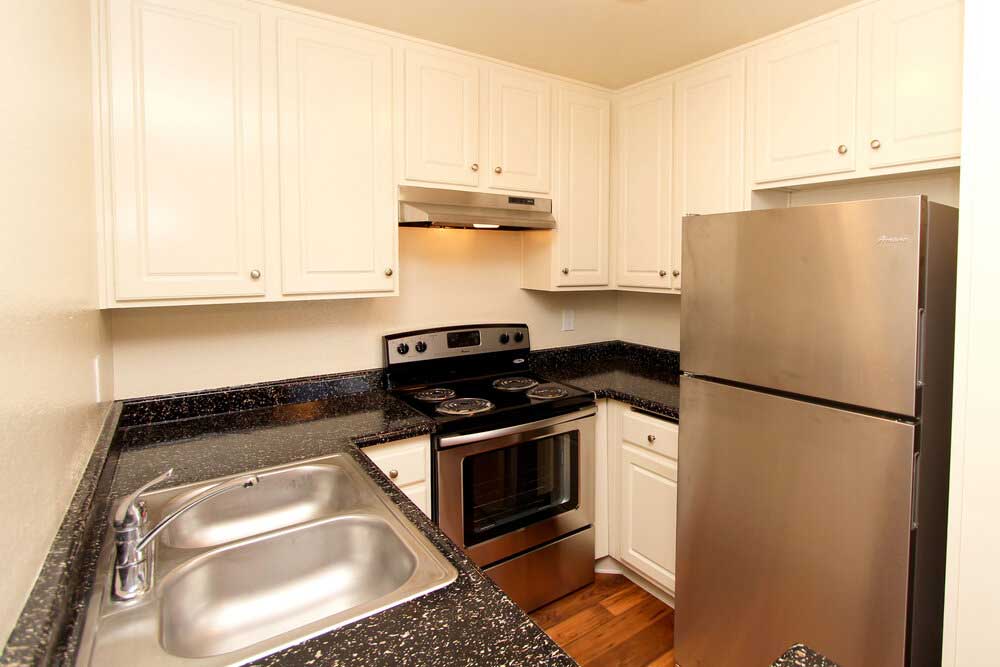
    Bonita Court Apartment Kitchen

    Bottom Line

    • Assembly Bill 628 has been passed, amending Civil Code § 1941.1
    • Effective January 1, 2026, Assembly Bill 628 requires that all buildings with a dwelling unit maintains certain characteristics to qualify as habitable.
    • Bill 628 mandates a working stove and refrigerator in most rentals throughout the state.
    • Exemptions are permanent supportive housing, communal kitchens, SROs, and residential hotels.
    • Landlords must prepare beforehand: purchase, maintain, respond to recalls, and modify lease agreements.
    • Renters gain greater certainty that subsequent residences will include essential kitchen appliances.

    San Diego Property Management

  • Eviction Process in California

    Key Takeaways

    • The eviction process in California is a crucial aspect of property management that all landlords should be educated on.
    • Landlords who are uneducated on the eviction process run the risk of getting into legal trouble.
    • Partnering with a property management company can ensure legal compliance and bring peace of mind.

    As a landlord, you cannot evict a resident by locking them out, throwing out their belongings, or shutting down their utilities. The process must conform to the statewide eviction process. In California, the process is outlined under the state’s Civil Code 1940-1954.06, and from start to finish, you can expect the process to take anywhere between five and eight weeks. It can also take longer, depending on the eviction reason and whether the tenant contests their removal.

    In this post by Uplift PM, you’ll learn all the important basics of the tenant removal process. From the notice requirements, to tenant eviction defenses, to the court hearing, to obtaining the court order. 

    What’s the Eviction Process in California?

    As a savvy landlord, only consider evicting a tenant after exhausting all other options. Why? Because the process can be stressful, costly, and time-consuming. Also, the likelihood of making mistakes during the process can be high, especially if you don’t involve an expert. 

    Regardless, though, here’s a basic overview of the process a landlord must follow to successfully evict a resident. 

    Have a Legal Ground for Evicting the Resident  

    Landlords must have a legitimate reason to kickstart an eviction process against a resident, or the eviction is illegal. In California, the reasons include the following.

    • The resident not paying rent after it becomes due.
    • The resident staying after their has expired. 
    • The resident violating a term of the rental agreement 
    • The resident committing an illegal activity while on the property. 
    Several moving boxes in an empty room.

    Terminate the Lease Agreement 

    As a basic summary, once you have a legal cause, you can move on to the next step and terminate the lease agreement. This will require you to serve the resident with the appropriate eviction notice. 

    You must be careful to choose the right notice based on the violation committed. The notices can be curable or not, depending on the violation the resident has committed. They are as follows. 

    3-Day Notice for Nonpayment of Rent 

    The purpose of this written notice is to terminate the lease of a resident who hasn’t paid the due rent. It gives the resident a maximum of 3 business days to pay the unpaid rent. 

    In California, rent becomes due on the first day of every month, unless the lease states otherwise. The payment then becomes late the day immediately after.  Unlike some other states, there is no mandatory grace period requirement in California. 

    30/60-Day Notice for Tenants without a Lease  

    California allows landlords to evict “tenants at will.” These are residents who occupy their rented premises without a lease agreement. For residents without a lease or a lease of less than 1 year, you must give them a 30-day notice to vacate the unit. 

    For residents with leases of at least one year, you must serve them a 60-day notice to move out. 

    This eviction notice is not curable. The resident must move out of the unit within the 30-or 60-day period, or else risk a court-ordered eviction should you choose to escalate the proceedings. 

    A judge’s gavel.

    3-Day Notice for Lease Violations 

    A tenant must abide by certain responsibilities after establishing a lease with the landlord. For example, maintain the unit’s cleanliness and sanitary conditions, and make minor repairs per the lease. 

    The eviction notice allows them to fix the issue or move out within 3 days. If they fix the issues, great! However, if they choose not to, you can move forward and file an eviction lawsuit. 

    3-Day Notice for Illegal Activities or Repeat Violations 

    Just like other states, California landlords can evict residents who engage in illegal activities while on their rented premises. To begin the eviction process against the resident, first serve them a 3-day notice to move out. The same notice also applies to residents who engage in repeat violations. 

    In California, illegal activity includes the following actions. 

    • Prostitution
    • Criminal threats or criminal activity
    • Criminal nuisance
    • Use of a firearm
    • Excessive property damage
    • Illegal drug activity

    Serve the Resident with an Eviction Notice 

    Landlords must serve eviction notices on residents through state-sanctionedmethods. In California, you have the following options. 

    • Hand the notice to the resident in person. 
    • Leave a copy with a person of a suitable age if you are unable to serve it to the resident. You must also mail another copy to the resident. 
    • Post a copy of the notice in a conspicuous area on the property. You must also deliver another copy to the tenant via mail, and hand another one to a person of a suitable age residing on the property. 
    A person mailing a letter.

    Wait for the Resident to File an Answer

    Residents in California, just like elsewhere in the country, have a right to fight, file a response, and challenge their eviction case. However, in California, to respond to an eviction complaint, you don’t have to be formal and have it in writing like in some other states. 

    The following are examples of legal defenses a resident can give to stop their eviction in California. 

    • The process had some substantial errors, such as not providing the proper notice period. 
    • You pursued the eviction action because the resident exercised alegal right. 
    • You pursued the eviction action because of the resident’s race, color, nationality, religion, or any other protected class. 
    • The resident conformed to the eviction notice within the notice period. For instance, they paid the due rent within 3 days. 
    • The resident didn’t violate any terms of the lease. 

    Attend the Court Hearing 

    Usually, the court process in California usually schedule hearings within 20 days after landlords file their summons and complaints. Make sure to come prepared for the hearing to maximize the chances of a favorable ruling. Some of the documents to carry include a copy of the lease, eviction notice, the complaint, and any supporting evidence. 

    If the court’s ruling is in your favor, you’ll be issued with a writ of execution. This will be the tenant’s final notice to move out. If they don’t, the sheriff will have no other option but to carry out a forceful eviction. 

    Conclusion  

    The only way to evict a resident in California is by obtaining a court order. You cannot use illegal methods like shutting down their utilities, locking them out, or removing their personal belongings. 

    For expert help in any aspect of managing a rental unit or rental property in San Diego or Temecula, look no further than Uplift PM. Get in touch to learn about our full-service property management services! 

    Frequently Asked Questions About The California Eviction Process

    How Can Landlords Avoid Problems With California Eviction Laws?

    Landlords can reduce the risk of procedural problems by confirming the legal basis for the eviction, using the appropriate notice, following applicable service requirements, and maintaining accurate records. California eviction requirements can vary depending on the reason for the eviction and the circumstances of the tenancy.

    Because mistakes can affect a case, owners should review current requirements before taking action and consider professional legal guidance when appropriate. California Courts provides current information about residential eviction procedures and the documents used in unlawful detainer cases.

    What Happens After An Unlawful Detainer Complaint Is Filed?

    After an unlawful detainer lawsuit is filed, the landlord must have the summons and complaint properly served on the tenant. The tenant then has an opportunity to respond, and the case can proceed toward a trial or other court resolution depending on whether a response is filed.

    Owners should carefully preserve the lease, notices, service documentation, payment records, communications, and other evidence relevant to the case. California Courts identifies the Complaint—Unlawful Detainer as the document that starts a residential eviction case.

    How Should Landlords Handle Having Court Papers Delivered To A Tenant?

    Landlords should use a person who is legally permitted to serve the summons and complaint rather than attempting to serve the papers themselves when the law does not allow it. Proper service is an important part of the court process, and the server’s actions are documented through a Proof of Service.

    Because service requirements can depend on the circumstances, owners should follow current California court procedures carefully. If service is completed incorrectly, it may create procedural complications that can affect how an eviction case proceeds.

    What Happens If A Landlord Wins An Eviction Case?

    If a landlord wins an eviction case, the court can issue a Writ of Possession directing the sheriff to enforce the judgment. A landlord should not attempt to remove the tenant personally or use measures such as changing the locks or shutting off utilities.

    The sheriff handles the physical enforcement of the eviction after the appropriate court process. Owners should also understand that winning a case does not mean every step has been completed immediately; enforcement follows the court’s procedures and applicable requirements.

    What Should Landlords Know Before They Try To Evict Tenants?

    Before attempting to evict tenants, landlords should verify that they have a legally recognized basis for the action and have followed the applicable notice requirements. Depending on the circumstances, an eviction may involve requirements beyond the general process described in a basic overview.

    California Courts notes that tenants may raise defenses involving improper notices, local protections, or other applicable laws. Owners should therefore review the specific circumstances of the tenancy before proceeding and obtain qualified legal guidance when they need advice about how the law applies to their situation.

    How Does The Tenant Protection Act Affect California Evictions?

    The Tenant Protection Act may provide eviction protections to certain California renters, depending on the property and tenancy circumstances. California Courts specifically identifies the Tenant Protection Act as one potential defense in an eviction case and notes that local rent or eviction laws may also provide protections.

    Landlords should determine whether the property and tenancy are covered before relying on a particular eviction reason. Because exemptions and requirements can be fact-specific, owners should review current California requirements and seek qualified legal advice when they are unsure whether the Tenant Protection Act applies.

  • California Fair Housing Act: An Overview

    California Fair Housing Act: An Overview

    Key Takeaways

    • Landlords must comply with the California Fair Housing laws, avoiding housing discrimination based on protected classes such as race, disability, sex, or familial status.
    • Common violations include false availability claims, steering tenants, unequal fees, and retaliation, all of which can carry severe legal and financial consequences.
    • Landlords can reduce risk by using standardized tenant screening, fair advertising, reasonable accommodations, and professional property management support.

    As a landlord in California, one of your legal responsibilities is to be fair to residents, regardless of certain protected classes. Some examples of the protected classes are: race, color, disability, sex, and national origin. 

    Before you begin renting out your property, it is important that you familiarize yourself with the state’s antidiscrimination laws to protect yourself from potential legal issues.

    In this blog, Uplift Property Management will walk you through important basics of the Fair Housing Act in California. Including what the Fair Housing Act is, when it was enacted, common violations, exceptions, and how to stay compliant. 

    What is the Fair Housing Act? 

    The Fair Housing Act was established in 1968 as part of the Civil Rights Act. The enforcement of the act was delegated to the U.S. Department of Housing and Urban Development (HUD). 

    The Fair Housing Act was established to stop illegal discrimination in most housing-related matters, including the buying, selling, and renting of homes, based on some protected classes. At the time of its signing into law, it only covered four protected classes. These were: race, color, religion, and national origin. 

    The act was then later amended to include further protections: sex, disability, and familial status. 

    The state of California, similar to some others, also passed laws to extend further protections. These include: immigration status, gender identity, mental disability, citizenship status, ancestry, marital status, primary language, and source of income. 

    A Golden Balance Scale

    Common Violations of the Fair Housing Act 

    Violations of the Fair Housing laws in California can take many forms, and landlords need to be aware of what’s considered illegal discrimination. 

    False Availability Claims

    One violation of the Fair Housing Act occurs when a landlord falsely claims a rental unit is no longer available after meeting a tenant of a particular race, only to lease the property to someone of a “preferred” background. This type of deception is discriminatory and unlawful.

    Steering Tenants

    Directing tenants to certain neighborhoods based on their race or ethnicity—known as steering—is another form of housing discrimination. This practice restricts freedom of choice and reinforces segregation, both of which are illegal under fair housing laws.

    Discriminatory Rental Listings

    Landlords must also be mindful of their advertising. Stating a preference for tenants of a particular race, such as including phrases like “Suitable for Blacks,” is a blatant violation because it excludes individuals of other backgrounds, including Caucasians, Hispanics, and Latinos.

    Unequal Fees and Deposits

    Charging higher rent, deposits, or application fees to tenants who belong to protected classes is another way landlords can violate the Fair Housing Act. All tenants must be treated equally in financial arrangements.

    Discrimination Against Disabilities

    Refusing to rent to someone based on a physical or mental disability is strictly prohibited. Equal access to housing is a fundamental right, and landlords who deny housing on this basis risk serious legal consequences.

    Law Book on a Podium

    Unequal Rule Enforcement

    Applying lease rules more harshly to tenants of certain protected classes while being lenient with others is another form of discrimination. Fair and equal enforcement of policies is required by California law.

    Retaliation Against Tenants

    Finally, landlords cannot retaliate against tenants who exercise their legal rights, such as joining a tenants’ union or filing a complaint. Evictions, rent increases, or denial of services in response to tenant actions are all considered illegal retaliation.

    Exceptions to the Fair Housing Act 

    There are a few limited exceptions when it comes to the Fair Housing Act in California. However, please note that these exceptions are narrowly construed, and discriminatory advertising is never an exception. 

    Small Owner Exceptions

    The Fair Housing laws allow limited exceptions for certain small-scale rental situations. For example, owners who live in a dwelling with no more than four units may rent out the other units without violating the law. 

    Similarly, a single-family home rented by the owner without the use of a property manager or real estate agent may qualify as an exception, provided the owner does not hold more than three such homes at one time.

    Private Clubs and Religious Organizations

    Housing operated by private clubs or religious organizations can also be exempt from some provisions of the Act. However, these entities must ensure that membership and rental opportunities are not restricted based on any protected class.

    Discriminatory practices in membership or housing decisions are still prohibited.

    group reviewing documents

    Senior Housing Communities

    Communities designated for older adults may lawfully consider familial status in tenant selection. Typically, these communities must meet strict requirements, such as being intended solely for residents aged 62 or older. Compliance with these regulations is essential to maintain the exemption.

    How Can Landlords Avoid Potential Discrimination Claims? 

    Violating the Fair Housing Act in California, whether intentionally or not, can have severe financial and legal implications. These can include civil fines, compensatory damages, and court and attorney fees. 

    Such penalties can obviously have a significant impact on your bottom line. Not to mention the impact on your reputation. To avoid such issues, aim to stay compliant with the Fair Housing laws and other tenets of state law. The following are some things you can do to ensure compliance with the act. 

    Standardized Screening and Compliance

    Landlords can reduce the risk of discrimination claims by implementing a clear, standardized tenant screening process. Consistent application of tenant criteria ensures that all applicants are treated fairly, and prevents potential legal issues.

    Advertising and Accommodations

    Rental listings should never include preferences or limitations related to protected classes. Providing reasonable accommodations for tenants with disabilities is required, and landlords must avoid asking questions about protected characteristics during the application process.

    rental listings on laptop

    Working with Property Management

    Partnering with a professional property manager can help landlords stay compliant with the Fair Housing Act.

    Property managers are well-versed in legal requirements, ensuring consistent tenant screening, fair rule enforcement, and proper handling of security deposits, maintenance, rent collection, and legal matters.

    This support reduces liability and helps protect both the landlord and tenants from Fair Housing law issues.

    Bottom Line

    Your journey to successful landlording begins with a proper understanding of your legal responsibilities under state and local landlord-tenant laws. When it comes to the Fair Housing Act, ensure you understand all its provisions and enforce it to the letter. 

    Uplift Property Management can help with the management of your rental property. We can handle everything from advertising, to screening, to rent collection, and everything in between. Contact us today to learn more.

  • How to Maintain Your Rental Property

    How to Maintain Your Rental Property

    Key Takeaways

    • Landlords must meet California’s habitability standards, which include providing hot and cold running water, maintaining safety devices, addressing mold and pest issues, and keeping common areas safe and functional.
    • Tenants also share responsibility by keeping units clean, respecting occupancy limits, maintaining safety features, and helping prevent mold growth in San Diego’s coastal climate.
    • Proactive maintenance preserves property value and tenant retention, while neglect can lead to costly fines, vacancies, and long-term damage—making professional property management a smart option for busy or non-local landlords.

    In San Diego County’s competitive rental market, attracting long-term tenants requires more than marketing, it begins with consistent property upkeep. Well-maintained rentals lease faster, comply with California law, and help landlords avoid costly disputes.

    Under California landlord–tenant law, landlords must provide safe, habitable housing, while tenants are expected to keep units reasonably clean and safe. Uplift Property Management is here to show you how these responsibilities play out locally.

    Landlord Responsibilities Under California Law

    Landlords are legally obligated to follow California’s “implied warranty of habitability.” This means every rental unit must meet minimum health and safety standards at all times. In San Diego County, the following areas deserve consistent attention:

    1. Trash and Sanitation

    Landlords must provide tenants with appropriate trash receptacles and ensure the property complies with San Diego County’s waste management rules. 

    2. Running Water and Hot Water Access

    California Civil Code requires landlords to provide tenants with both cold and hot running water, and ongoing functionality is the landlord’s responsibility. Tenants must be able to bathe, cook, and clean without interruption. A lack of hot water is legally considered a serious violation of habitability.

    3. Compliance with Building and Safety Codes

    • Tenant safety is paramount. Landlords must:
    • Prevent and remediate pest infestations.
    • Install smoke alarms in every bedroom and on each floor .
    • Provide carbon monoxide detectors in units with gas appliances.
    • Address mold promptly.
    • Decrease lead paint hazards in older properties.
    A Contractor Checking a wall Socket

    Overcrowding is also an issue. Housing inspectors can cite units that exceed legal occupancy limits, as this creates fire hazards and accelerates property damage.

    Landlords should also schedule regular checks of plumbing, electrical, and HVAC systems, especially given the warm climate in San Diego, where reliable cooling and ventilation are tenant priorities.

    4. Common Areas

    For multi-unit properties, shared areas such as stairwells, courtyards, laundry rooms, and parking lots must be maintained. Lighting should be adequate to prevent accidents, and pathways must remain free of hazards. Outdoor spaces are highly valued, keeping these areas clean and functional also boosts tenant satisfaction.

    5. Timely Repairs

    California law requires landlords to make repairs within a reasonable time after being notified by tenants. For urgent issues like lack of water, heat, or electricity, repairs must be completed quickly. A responsive landlord not only complies with the law but also builds goodwill that encourages lease renewals.

    Tenant Responsibilities in San Diego Rentals

    Tenants are not off the hook when it comes to property maintenance. Below are duties that tenants must do:

    1. Keep the Unit Clean

    Tenants must dispose of garbage properly and maintain a sanitary living space. Improper disposal can attract pests, which then become a shared problem.

    2. Preserve Safety

    Tenants cannot disable smoke detectors, carbon monoxide alarms, or tamper with safety devices. They must also avoid blocking emergency exits with furniture or personal items. In earthquake-prone San Diego, clear pathways are especially important for quick evacuation.

    Miniature Houses Beside a Hard Hat on  Welcome Sign

    3. Follow Occupancy Rules

    Lease agreements and California codes limit how many residents can occupy a unit. Tenants must respect these limits to avoid overcrowding, which can create fire hazards and damage property.

    4. Prevent Mold Growth

    Because San Diego has a coastal climate with higher humidity in some areas, tenants should help prevent mold by ventilating bathrooms, running fans, or opening windows when possible. They must also promptly report leaks or visible mold to the landlord.

    Why Maintenance Matters

    San Diego’s rental market is competitive, with strong demand near universities, military bases, and coastal neighborhoods. Well-maintained units not only rent faster but also command higher rates.

    A neglected property, on the other hand, risks code enforcement action by the City or County of San Diego, which can impose fines or even declare a unit uninhabitable.

    Maintenance is also a retention strategy. Every time a tenant leaves, landlords face vacancy loss, marketing costs, and turnover expenses. By addressing repairs promptly and keeping common areas pleasant, you create loyalty. Tenants are far more likely to renew in a unit where they feel valued and secure.

    Think of maintenance as an investment. Fixing a leaky pipe today may cost a few hundred dollars, but left unattended, it could cause thousands in water damage and mold remediation. Proactive care not only preserves cash flow but also enhances long-term property value.

    calculator and tools on table

    When to Consider Professional Management

    Many  landlords in San Diego own multiple properties or live outside the county. In these cases, hiring a property management company can be the smartest move. Local managers handle inspections, coordinate with licensed vendors, and ensure compliance with both California law and San Diego-specific ordinances.

    Bottom Line

    For landlords, success in San Diego County depends on more than just location. Consistent maintenance and compliance with California’s housing laws are essential. A well-cared-for property not only attracts reliable tenants but also reduces costly vacancies and protects long-term property value.

    For tenants, fulfilling responsibilities such as maintaining cleanliness, following occupancy limits, and using the property safely ensures a comfortable living environment. When both landlords and tenants meet their obligations, the result is a stable and positive rental experience that benefits everyone involved.

    Need help keeping your San Diego rental compliant and in top shape? Contact Uplift Property Management for expert services catered to your needs.

  • How to Rent Out Your House in Temecula, CA

    How to Rent Out Your House in Temecula, CA

    Key Takeaways

    • Renting out your property in Temecula, California can be a lucrative business decision if done correctly.
    • From legal concerns to upkeep and maintenance, a lot more goes into maintaining a successful rental than some might think.
    • Partnering with a property management team can keep your investment profitable and reduce your workload.

    Temecula is a popular and charming city, with rolling vineyards, a relaxed atmosphere, and just a short commute to San Diego or Riverside. Located north of San Diego, Temecula offers a strategic base for those working in the city, families, retirees, and even young professionals looking for a quieter spot. Single-family homes pull in $2,800–$3,500 a month, depending on size and amenities, compared to pricier spots like San Diego. With its lower cost of living (about 10% less than San Diego), it’s obvious why Temecula draws steady demand.

    But becoming a landlord isn’t just tossing a sign out front and hoping for the best. It’s a process, from navigating legal hoops to making it the right space for renters. Here’s Uplift PM’s full guide to turning your Temecula home into an in-demand rental, with tips inspired by local pros.

    California’s landlord laws are no joke. The California Tenant Protection Act of 2019 (AB 1482) caps rent increases at 5%. Additionally, the local Consumer Price Index (CPI) in Riverside County is 3.3% as of March 2025.

    Good news: single-family homes you own personally are exempt unless you’re a corporate landlord. If your house qualifies, add a clear exemption notice in the lease. Also, check if your property’s too new (built after 2010) or part of an HOA with rental restrictions.

    A house’s front step.

    Unsure of whether you qualify for any exemptions? The best option is to reach out to a lawyer well-versed in California real estate law, or better yet, a licensed property management company like Uplift PM.

    Make Your House Rent-Ready

    Rental demand will quickly dwindle if your property is falling apart. Fix that creaky gate, repaint the living room, and make sure all appliances, especially including air conditioners, are functional. 

    Renters in Temecula enjoy outdoor space, so add a patio if you’re able, mow the lawn and improve the curb appeal. Small upgrades like new light fixtures or a kitchen faucet can also bump up appeal without draining your wallet. Once all this is in place, take professional photos showing off your property’s best angles for marketing. 

    Note that if your home is in a gated community, you need to double-check the HOA rules on renting out your home. Some communities ban short-term rentals, while others put a cap on how many tenants you can have at a time.

    Nail the Rental Price

    Set the rent too high, and you’re stuck with an empty house. Too low, and you’re shortchanging yourself. In Temecula, one-bedroom units go for $1,800–$2,000, two-bedrooms hit $2,200–$2,700, and single-family homes start around $2,800, more if you’ve got a pool or view. Scope out similar listings online, or let Uplift PM get you a free rental analysis. We know Temecula’s market inside out.

    A “house for rent” sign.

    Find the Right Tenants

    Getting the perfect tenant for your apartment can be a tough nut to crack, since the quality of your tenants can make or break your landlord experience and the property itself. After listing your place online for max exposure, screen applicants carefully. Aim for 650+ in credit scores, run background checks, request past landlord references.  

    California law requires you to accept the first qualified applicant to avoid discrimination claims, so set clear criteria (e.g., income 3x rent). Uplift PM’s automated screening and self-showings make this a breeze, catching red flags in applicants before you sign a lease.

    Budget for Costs and Other Expenses

    Being a landlord isn’t just about collecting rent alone; it comes with expenses and responsibilities:

    • Mortgage and Taxes: Factor in your loan and Temecula’s property tax rate.
    • Insurance: Landlord policies run $80–$100/month, covering damage and liability.
    • Repairs: Budget $200–$300/month for plumbing leaks or busted sprinklers.
    • Utilities: Decide if you’ll cover water or trash—some landlords do for single-family homes.
    • Legal Duties: Serve late-rent notices properly, or you’re stuck in court. California’s eviction process is a slog, so avoid bad tenants upfront.

    Consider Professional Help

    If you’re not local or just hate dealing with tenants, a property manager is worth it. A professional property management company handles everything: marketing your rental, screening tenants, collecting rent online, and coordinating repairs, etc.

    A landlord on a phone call.

    Most property managers charge around 8% – 12% of rent collected monthly, but make sure to go with a professional property manager who doesn’t have extra costs hidden away in the fine print. With a seasoned professional, you can rest easy that your rent is in line with local trends, and that you’re fully compliant with California’s strict rental laws.

    Think Long-Term

    Renting your Temecula house is a wealth-building move, rather than just an avenue to make easy cash. Deduct expenses like repairs, insurance, and depreciation on your taxes to boost profits. 

    You could even try short-term rentals during events like the Temecula Balloon & Wine Festival if you’re in a hot area like Old Town, but check local ordinances first, as some areas may have stricter laws on short-term rentals. Down the line, whenever you tire of being a landlord, you could sell the property for a profit. Or you could also pass it to your kids.

    Wrapping Up

    Renting out your Temecula house can be a game-changer, for making passive income. Get the legal stuff locked down, fix up the place, price it right, and pick tenants who won’t turn your backyard into a junkyard. 
    If you want to hand off the overall landlord responsibilities, hire a professional property management company to handle the grunt work. Uplift PM handles everything from leasing to maintenance and legal compliance, guaranteeing that you won’t be slapped with hefty fines for legal mistakes. Get in touch with Uplift Property Management for a free rental analysis and turn your Temecula home into an appreciating asset!

  • California Security Deposit Law

    California Security Deposit Law

    Key Takeaways

    • Security Deposit Limits Apply – In California, security deposits are generally capped at one month’s rent, with some exceptions allowing up to two month’s rent. Pet deposits are allowed but must remain within the overall state limit.
    • Rules for Deductions and Returns – Landlords can only deduct for unpaid rent, excessive damage, cleaning, or agreed restoration costs. Security deposits must be returned within 21 days of move-out, with tenants given the option to repair damages before charges are applied.
    • Transfer and Compliance Requirements – If a rental property is sold, the security deposit must be transferred to the new owner with a written statement. While California doesn’t require special accounts for deposits at the state level, some cities may impose additional rules onto landlords.

    As a landlord in San Diego, you have a legal obligation to observe certain security deposit rules if requiring them from tenants. The rules define anything from how much you can hold, to the deductions you can make, to when you must return it to the tenant, and everything in between. 

    There are repercussions for landlords who fail to follow any of them as well. Specifically, there can be hefty civil fees, small claims court, and attorney fees. Not to mention the impact that would have on your reputation as a landlord. 

    With that in mind, Uplift Property Management is here to teach you everything you need to know regarding California security deposit laws. 

    Is there a Limit to How Much a Landlord Can Charge Tenants? 

    Some security deposit laws limiting payments to one month’s rent, while others don’t. California belongs to the former group of states, and limits security deposits to a maximum of a month’s rent. 

    Some exceptions do exist, however. A landlord can charge tenants up to 2 times the monthly rent if you meet all the following conditions under California security deposit laws: 

    One, you own more than two rental units where you rent out four units or fewer, or you rent out unfurnished units. Two, you are the sole owner of the four rentals, or you operate them through an LLC with other members. And three, you aren’t a member of any federal armed services. 

    calculator and notepad on a pile of money

    Are Additional Pet Deposits Allowed in California? 

    You can require the tenant to pay a pet deposit in addition to the base security deposit amount. The only exception to this is for residents with service dogs or emotional support animals. 

    This is because disabilities are a protected class under the state’s Fair Housing Laws. Other protected classes include sex, nationality, familial status, and sexual orientation. You must treat the tenant fairly regardless of such characteristics. 

    Make sure that the total deposit doesn’t exceed the state’s security deposit limit. Landlords must also not try to circumvent this requirement by calling the pet deposit names like “damage deposit” or “pet deposit” in the rental agreement. 

    How are Landlords in California Required to Hold Tenants’ Security Deposits? 

    Landlord-tenant law in some states require security deposits to be stored in a particular manner. For example, in interest-bearing accounts, or by posting them as bonds. Other requirements can be to keep them separate from the landlord’s own funds. 

    But does California have any such requirements? No! At the state level, there are no requirements for landlords to store their tenants’ security deposits in any special way. 

    You may, however, want to check in with your municipality for any additional requirements in this regard. For instance, some local cities like Los Angeles and San Francisco require landlords to store tenants’ deposits in interest-bearing accounts and return the security deposit interest to the tenant.

    cash and calculator with laptop

    What Must Landlords Do After Selling Their Rental Property? 

    If you happen to sell the rental property, you’ll need to transfer the security deposit to the incoming landlord, less any allowable deductions. The incoming landlord will then have a duty to keep it per the state’s security deposit rules. 

    Before you finalize the sale, you must provide the incoming landlord with a written statement. The statement must contain the following information to adhere to California’s security deposit laws: 

    • The security deposit amount, less any allowable deductions. 
    • An itemized list of deductions (if any). 
    • Where the tenant’s security deposit is, whether transferred to a new account or returned it to them. 

    What Deductions Can a Landlord in California Make from a Tenant’s Security Deposit?

    Under the California landlord-tenant law, landlords can make the following deductions from a tenant’s security deposit after they move out. 

    • Any unpaid rent. 
    • Cost of fixing damage exceeding normal wear and tear. 
    • Cost of professionally cleaning the unit. 
    • Any restoration costs mentioned in the lease agreement. 

    Also, it’s important to note that there is no legal limit on the amount of charges a landlord can make. The only requirement is that the charges be reasonable. And if the tenant’s security deposit doesn’t cover all the charges, landlords can seek the extra charges from the tenant. 

    What Is the Difference between Normal Wear and Tear and Damage? 

    Security deposit deductions are usually a point of conflict between landlords and tenants so it’s a good idea to lay everything out clearly in the lease or rental agreement.

    calculator and tools

    The tenant may move out thinking they have left the unit in good condition, but the landlord may hold a different view and charge the tenant for certain issues via a deduction to the security deposit. Consequently, the tenant may consider legal action against the landlord for unjust deductions. 

    As a landlord, knowing the key differences between excessive damage and normal wear and tear under California security deposit laws is key to a smooth landlording experience. 

    Examples of normal wear and tear include gently worn carpets, stained bath fixtures, loose door handles, and faded paint. As for damage exceeding normal wear and tear, it includes holes in the wall, missing fixtures, and broken tiles. 

    When Must Landlords Return their Tenants’ Security Deposits? 

    In California, security deposit laws allow landlords up to 21 days to return their tenants’ security deposit at the end of the lease, less any allowable deductions. 

    But before making any charges, landlords must allow the tenant to make the repairs themselves. Landlords must also give them the option of having the unit inspected before they move out. 

    Bottom Line

    Now you know what you can and cannot do when it comes to the tenant’s security deposit. As a landlord, you may also want to check for any additional requirements at the city level for utmost compliance. 

    If you have a question about security deposit laws, landlord tenant law, or need expert property management services, look no further than Uplift Property Management. We can help your San Diego rental property reach its full potential. Get in touch to learn more!

    Disclaimer: Please note that the information provided in this blog is intended for general guidance and should not be considered as a replacement for professional legal advice. It is important to be aware that laws pertaining to property management may change, rendering this information outdated by the time you read it.