• Understanding Property Management Fees: What You’re Really Paying For

    Understanding Property Management Fees: What You’re Really Paying For

    At Uplift Property Management, we often hear from landlords who want a clearer understanding of rental property management fees and what they truly cover. Between management fees, leasing costs, and maintenance markups, it can be difficult to tell which expenses are fair and which might be cutting into your rental income.

    If you own investment property, understanding how these fees work helps you see where your money is going and whether it aligns with your goals as an owner.

    Monthly Management Fees

    The monthly management fee is the backbone of most property management agreements. It’s usually a percentage of the rent collected, most often between 8% and 12%. On how property management fees work show that this range reflects the amount of communication, coordination, and compliance needed to manage a property effectively.

    If your property rents for $2,000 per month and your manager charges 10%, you’ll pay $200 for ongoing management. Some companies adjust rates for larger portfolios, while others set minimum fees for lower-rent properties. The key is transparency, knowing exactly what’s included in that percentage and what isn’t.

    Leasing and Renewal Fees

    When a property becomes vacant, most management companies charge a leasing fee to cover advertising, showings, and tenant screening. This fee usually equals half to a full month’s rent.

    Vacancies can have a deeper financial impact than many realize. Data on the U.S. rental vacancy rate shows how even small fluctuations affect rental income across the market. Losing a month of rent to vacancy and another to a leasing fee can quickly reduce yearly returns. Renewal fees are smaller but still worth monitoring if turnover is frequent.

    Stable, long-term tenancies make a big difference. Strong communication and consistent tenant management practices help tenants feel valued, which in turn keeps occupancy steady and costs lower.

    Should You Manage Your Rental Properties Yourself?

    Some landlords decide to handle everything themselves to avoid paying management fees. While that can look appealing at first, it also means taking on marketing, maintenance, accounting, and compliance tasks personally. What starts as a simple idea can quickly become a demanding routine.

    Managing rentals requires organization, time, and constant communication. Many owners who try it discover that self-managing rental properties involves far more than collecting rent, it’s about balancing tenant expectations, repairs, and regulations every day.

    The most consistent results tend to come from structure. When systems are in place to keep tenants informed and properties maintained, everything else runs more smoothly, whether you manage yourself or hire a professional.

    Maintenance Markups and Coordination Fees

    Maintenance is one of the most misunderstood parts of property management. Some companies add a markup to repair costs, often 10–15%, while others include a coordination fee on vendor invoices. A $2,500 repair, for example, might include an extra few hundred dollars for management oversight.

    Moderate coordination fees can make sense for scheduling and supervision, but unclear billing can create frustration. Detailed invoices help show where the money goes, how much covers labor, materials, and management.

    A consistent process for move-ins and move-outs also helps prevent unnecessary repairs. The structured approach Uplift follows for managing tenant transitions keeps properties well-maintained while reducing surprises for both owners and tenants.

    Even well-run properties occasionally face eviction. Some management companies include this in their standard service; others charge separately. Before signing an agreement, it helps to know how legal costs are handled, who pays court fees, how communication continues during the process, and whether rent collection is paused or managed differently.

    Knowing these details upfront makes difficult situations easier to navigate later.

    Onboarding or Startup Fees

    A one-time onboarding fee, sometimes called a setup or startup fee, covers administrative work when a property is first added to a management portfolio. This might include creating accounts, setting up inspection schedules, or syncing financial data. Some companies charge several hundred dollars, while others build these costs into their ongoing rate.

    At Uplift, pricing is simple. The management fee is 8% for most single-family homes, with a $175 minimum per unitfor lower-rent properties. The tenant placement fee is $595, and a tenant retention fee applies when leases renew. For portfolios with five or more units, the rate drops to 6%. This structure keeps budgeting consistent and ties directly to the rent-ready process used when preparing properties for new tenants.

    Why Transparency Matters

    Property management should make ownership easier. When pricing is straightforward, it’s easier to understand where your money goes and how it supports your investment. Clear communication around fees builds trust, strengthens partnerships, and makes decision-making simpler for everyone involved.

    Key Takeaways

    • Know what’s included. Understand how management fees are calculated.
    • Watch turnover costs. Vacancies and leasing fees can impact returns more than expected.
    • Review maintenance billing. Ask for itemized invoices for clarity.
    • Understand legal coverage. Confirm what happens during evictions.
    • Value transparency. Clear terms protect both your finances and your peace of mind.

    Final Thoughts

    Owning rental property can be rewarding when you have a clear picture of your expenses. Understanding how fees are structured and what they represent gives you control over your investment’s performance.

    When every charge is transparent and every process has a purpose, property ownership becomes more predictable, and far less stressful. If you ever want a clearer look at your own costs, our team at Uplift Property Management is always ready to help you make sense of the details.

  • California’s AB 628: Mandatory Kitchen Appliances in Rental Units Effective 2026

    California’s AB 628: Mandatory Kitchen Appliances in Rental Units Effective 2026

    Key Takeaways

    • Assembly Bill 628 has been passed, expanding habitability requirements under California housing law: Assembly Bill 628 modifies existing law—California Civil Code §1941.1—by adding functional stoves and refrigerators to the characteristics required for a unit to be considered habitable. Beginning January 1, 2026, these appliances must be installed and maintained in most rental units, and this standard will apply to any lease or rental agreement governed by applicable law that is entered, renewed, or amended after that date. Because existing law requires landlords to provide and maintain habitable premises, AB 628 clarifies that essential kitchen appliances now fall under this duty.
    • Compliance introduces new financial and legal obligations: Under this bill, property owners must budget for appliance purchases, servicing, and recall replacements within 30 days of notification. Failure to comply could render a unit legally untenantable under existing law, exposing landlords to tenant claims such as rent withholding, repair-and-deduct actions, or habitability-based eviction defenses under applicable law. Since tenants are authorized to seek legal remedies when habitability standards are not met, landlords must act proactively to remain compliant with applicable law and avoid costly disputes.
    • Some housing types are exempt, but documentation is essential: While Assembly Bill 628 applies broadly, it exempts units like supportive housing, SROs with shared kitchens, and residential hotels. The bill also allows landlords and tenants to agree in writing that a tenant will provide their own refrigerator. To avoid disputes, landlords should update lease or rental agreements, maintain detailed records, and clarify appliance responsibilities to comply with applicable law, especially where existing law authorizes tenants to exercise their rights if a landlord fails to meet statutory obligations.

    California Assembly Bill 628: Mandatory Kitchen Appliances in Rental Units Effective 2026

    What is Assembly Bill 628?

    From January 1, 2026, a new law—Assembly Bill 628 (AB 628)—will require landlords to install functional stoves and refrigerators in the majority of rental apartments.

    Refrigerators or stoves were once considered “amenities” rather than a legal mandate. Assembly Bill 628 eliminates that—placing them in the statutory definition of a unit being tenantable (i.e., habitable).

    In summary: existing law requires that any building with a dwelling unit maintain certain characteristics in order to be tenantable. From 2026 onwards, landlords are no longer permitted to exclude providing basic kitchen appliances unless a property falls under certain exemptions. This article will provide what Assembly Bill 628 requires, the types of properties exempted, compliance tips for landlords, and the impact on tenants.

    The Legislative Foundation: Amending Civil Code § 1941.1

    Under existing law, California Civil Code § 1941.1 prescribes the minimum expectations a home must meet in order to be considered tenantable. Some of them include functioning plumbing, heat, safe electricity, weather protection, etc.

    AB 628 amends § 1941.1 to add:

    • A good working stove that can safely generate heat for cooking
    • A good working refrigerator that can safely keep food

    Both appliances must be maintained in good working order and capable of safely operating. If either appliance is subject to a manufacturer or public recall, it must be repaired or replaced within 30 days, and enforcement will follow applicable law.

    These standards shall apply to any lease or rental agreement entered into, renewed, or amended on or after January 1, 2026.

    In addition, Assembly Bill 628 states that if a refrigerator or stove is subject to a recall, the landlord must repair or replace the appliance within 30 days of being notified of the recall.

    Interestingly, the law also allows a landlord and tenant to enter into a written agreement that the tenant provides their own refrigerator, which excludes the property owner from maintenance obligations on the appliance under applicable law.

    Exemptions & Exceptions

    Bill 628 is not enforced across the board on all dwelling units. There are certain types of residential units that are exempt from the kitchen appliance requirement.

    Exemptions include:

    • Permanent supportive housing units.
    • Single-room occupancy (SRO) units with shared kitchen space.
    • Units in residential hotels (as those terms are defined in Health & Safety or applicable law).
    • Units in assisted living facilities or housing with shared or communal kitchens.

    These carve-outs are designed to allow for property types where full kitchen appliances are not expected or feasible under applicable law.

    Impact on Landlords: Costs, Risks & Compliance

    Financial & Operational Burden

    Most landlords, especially those with buildings that are not currently equipped with stoves or refrigerators, create new costs under bill Assembly Bill 628:

    • Capital to purchase appliances
    • Repair and replacement costs on an ongoing basis
    • Logistics and staff to manage breakdowns or recalls
    • Increases in potential insurance or utility exposures

    A few critics anticipate this may place disproportionate burdens on small-scale landlords or lower-margin properties.

    By elevating characteristics of stoves and refrigerators to the statutory level of habitability:

    • A defective appliance could render a unit untenantable under § 1941.1
    • Tenants may invoke repair-and-deduct rights, withhold rent, or use habitability as a defense against eviction actions
    • Appliance fix delays (or recalls) could invite tenant complaints and lawsuits

    Because existing law authorizes tenants to withhold rent, use repair-and-deduct remedies, or raise habitability as a defense in eviction proceedings, landlords must be proactive. Any delay in fixing appliances could result in tenant complaints, code enforcement actions, or lawsuits pursued under applicable law.

    Compliance Timeline & Transition

    • Jan 1, 2026 is the date for new or renewed leases to comply with the appliance requirement.
    • Old leases up to that date (and not renewed or amended) may not yet trigger compliance
    • Landlords must check units now, budget, and phase installing appliances ahead
    • Record of install, maintenance, and any written contracts by tenants for furnished appliances will be important

    What Tenants Should Know

    For renters, bill 628 offers several benefits and protections:

    • They can expect that future leases must include characteristics such as a working stove and refrigerator in safe, functional condition.
    • There is no requirement to accept a landlord-provided appliance—if both parties agree in writing, the tenant may provide and maintain their own refrigerator.
    • Tenant rights concerning repairs, habitability, and recourse remain intact and may now more clearly cover appliance failures.

    However, it’s important for tenants to review their lease terms closely, particularly for any clauses about appliance responsibility or maintenance. Tenants may still pursue remedies if appliances are not repaired within a reasonable time, especially since existing law requires habitable living conditions.

    Steps for Landlords to Prepare

    In an effort to minimize risk and maintain compliance, the following steps are recommended:

    • Take an inventory of units to identify those that already have stoves and refrigerators installed and those that don’t.
    • Plan for appliance buying, including spare parts and money for eventual replacement. Ensure all provided units are in good working order and not under recall.
    • Institute maintenance routines (periodic inspections, cleaning filters, handling recalls)
    • Staff or contractor training in rapid repair processes
    • Document everything — installation dates, service history, tenant requests, etc.
    • Redesign lease documents to account for the new provisions and voluntary tenant-provided refrigerator arrangement
    • Negotiate ahead of time to come to terms and reduce conflict

    Landlords need to act now rather than wait until late 2025 to be in a position to make the transition smoother.

    Broader Implications & Policy Rationale

    Policy-wise, Assembly Bill 628 is an effort to make the term habitable current. The idea is that being able to store food safely and cook there is not an amenity but a requirement—especially since getting into rentals already costs people an enormous amount of money.

    Others view AB 628 as a stepping stone: though appliance prerequisites might initially seem restrictive, they are a reflection of a growing recognition that access to food storage is a characteristic of dignity and must be included in housing codes legislatively.

    At the same time, legislators tacked on exemptions and recall protection to find a balance between affordability, especially in communal living or lesser-resource communities.

    Whether or not AB 628 means higher rents to compensate for appliance costs remains to be seen, although some landlords will attempt to recover investments in the form of rent adjustments (where allowed).

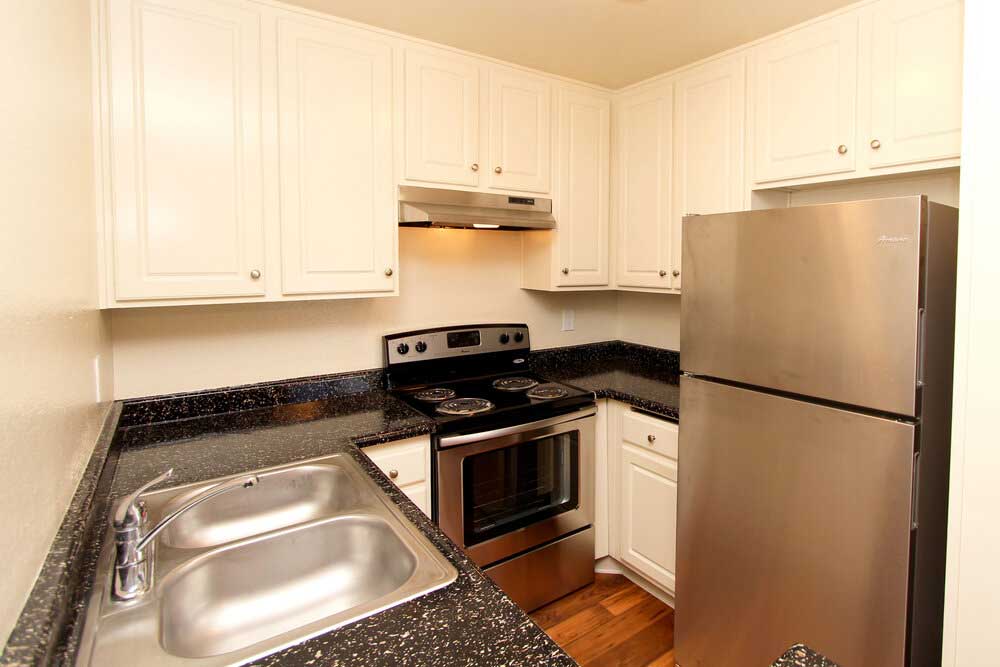
    Bonita Court Apartment Kitchen

    Bottom Line

    • Assembly Bill 628 has been passed, amending Civil Code § 1941.1
    • Effective January 1, 2026, Assembly Bill 628 requires that all buildings with a dwelling unit maintains certain characteristics to qualify as habitable.
    • Bill 628 mandates a working stove and refrigerator in most rentals throughout the state.
    • Exemptions are permanent supportive housing, communal kitchens, SROs, and residential hotels.
    • Landlords must prepare beforehand: purchase, maintain, respond to recalls, and modify lease agreements.
    • Renters gain greater certainty that subsequent residences will include essential kitchen appliances.

    San Diego Property Management

  • Trash Collection Fees Are Coming to San Diego Rentals: What Property Owners Need to Know

    Trash Collection Fees Are Coming to San Diego Rentals: What Property Owners Need to Know

    Trash Collection Fees Are Coming to San Diego Rentals: What Property Owners Need to Know

    Starting July 1, 2025, San Diego rental property owners will face a new monthly expense—trash collection fees. This change marks a significant shift in how waste services are handled for rental units in the city, and it’s essential for landlords to prepare now.

    At Uplift Property Management, we’re committed to helping property owners stay compliant with local regulations while protecting their bottom line. Here’s what you need to know about the upcoming trash fee changes and how to stay ahead.

    What’s Changing?

    For years, the City of San Diego provided free trash service to the majority of residential properties. That’s changing.

    Under phased rollout, the city will begin charging a monthly trash collection fee, specifically on multifamily residences. Landlords will begin receiving bills starting mid-2025, and the entire fee system will be up and running by 2026.

    Who Will Be Affected?

    This new policy applies to many property types within the City of San Diego. Here’s a breakdown of what we know so far:

    • Multifamily rentals (2+ units): These properties will be among the first to receive trash bills starting in 2025.
    • Single-family homes: Most are still covered by the city’s free service for now—but that could change.
    • ADUs, duplexes, and condos: Depending on the service setup, some of these may also fall under the new fee system.

    If your property currently receives city collection services, it’s time to find out if this change affects you.

    How Much Will It Cost?

    According to city projections, here’s what landlords can expect:

    • Initial charge (mid-2025): Around $13 per unit, per month.
    • Full implementation (by 2026): Around $29 per unit, per month.

    That translates to over $300 annually per rental unit—an amount that can significantly impact operating costs if not accounted for in your budgeting.

    Can Landlords Pass the Fee to Tenants?

    Yes, but only if your lease is structured correctly.

    Since these fees will be billed directly to owners, you’ll need specific language in your lease that allows for the pass-through of trash or municipal service charges. Without this clause, landlords could be left absorbing the cost.

    What You Should Do Now:

    • Review your current lease agreements.
    • Add or revise a utility pass-through clause.
    • Notify tenants in compliance with California landlord-tenant law.

    Uplift can help you make the necessary updates to your lease so you’re protected when the fees kick in.

    Why Early Preparation Matters

    Even relatively small fees can add up fast—especially for landlords managing multiple units. Waiting until the last minute to adjust your leases or notify tenants could mean covering costs out of pocket or violating local housing rules.

    As with any local regulation, proactive planning is your best defense.

    Final Thoughts from Uplift

    This change is a big one for San Diego landlords. While the added fee may seem modest, it represents another step toward shifting municipal service costs to property owners. By updating your lease agreements now and educating your tenants, you’ll be positioned to handle the transition smoothly.

    At Uplift Property Management, we stay on top of evolving regulations so you don’t have to. From lease updates to full-service management, we’re here to support you and keep your investments on track.

    Need help reviewing or updating your lease?
    Contact Uplift Property Management today and let’s make sure you’re ready for what’s ahead.

  • AB1033: California’s New Law That Could Let You Sell Your ADU Separately

    AB1033: California’s New Law That Could Let You Sell Your ADU Separately

    AB1033: California’s New Law That Could Let You Sell Your ADU Separately

    What San Diego property owners need to know about this game-changing legislation.

    If you own a home in San Diego and have an accessory dwelling unit (ADU) — or are thinking about building one — a new state law may open up an entirely new opportunity for you: selling your ADU separately from your main home.

    Thanks to Assembly Bill 1033 (AB1033), which was signed into law in 2023, California cities now have the option to allow homeowners to convert ADUs into separately sellable condominiums.

    But there’s a catch — and plenty of local details to consider. Let’s break it down.

    What Does AB1033 Do?

    AB1033 amends state law to let cities opt in to a policy that allows ADUs to be sold separately — not just rented.

    In technical terms, the law permits a local agency to authorize the recordation of a separate lot or parcel for an ADU or junior ADU (JADU) through a condominium plan under the Davis-Stirling Common Interest Development Act. This is similar to how condos are legally structured.

    In short: if your city agrees to it, you could split the legal ownership of your property and sell the ADU independently — like a condo.

    How Could This Work in San Diego?

    The key point is that AB1033 is not automatic. San Diego (and every other city in California) must choose to adopt the law.

    If San Diego opts in — and city leaders are already exploring housing solutions like this — homeowners could begin selling ADUs as individual units, which could:

    • Provide affordable homeownership opportunities for buyers priced out of traditional homes
    • Offer new paths to build equity for homeowners and developers
    • Help diversify housing stock without building high-rise developments

    However, there are still several requirements. For example:

    • The property must be split under a condo map
    • Homeowners must provide separate utility connections for each unit
    • Tenants must be notified before any sale, and cities may impose affordability requirements

    Why This Matters for Property Owners

    If San Diego adopts AB1033, homeowners could:

    • Unlock new real estate value by legally separating and selling ADUs
    • Downsize without moving far, by living in one unit and selling the other
    • Access capital from a sale without selling the entire property

    And for real estate investors and builders, this could mean new ways to create and sell inventory in a market where housing supply is tight.

    What Should You Do Now?

    AB1033 creates new possibilities — but also raises important legal, financial, and logistical questions.

    At Uplift Property Management, we help property owners like you:

    • Stay informed about San Diego’s local adoption of AB1033
    • Navigate condo conversion requirements and local building codes
    • Manage or market your ADU for rent or future sale
    • Evaluate the best strategy for your property long term

    Conclusion

    AB1033 is a powerful tool in California’s effort to expand housing — but only for those ready to act. If San Diego moves forward with adoption, it could change the game for ADU owners.

    Want to understand how AB1033 could impact your property?

    Contact Uplift Property Management today and let’s talk about how we can help you make the most of your investment — whether you’re renting, selling, or still planning.

  • Future Trends in Property Management: What Property Owners Need to Know

    Future Trends in Property Management: What Property Owners Need to Know

    Property management is one of the most dynamic and fast-moving industries, driven forward by ever-new technologies, changing tenant expectations, and ever-changing regulations. Being able to stay ahead of these future trends with regard to property owners is extremely important for a variety of reasons when it comes to maximizing investment returns and trying to establish a competitive advantage. 

    What will you learn?

    In this blog, we are going to consider the key future trends in property management and what owners need to know to adapt to such dynamic circumstances.

    1. Growth of Smart Home Technology

    Smart home technology is not considered a luxury anymore; it’s becoming a standard expectation for tenants, especially in competitive markets like San Diego. Property owners who invest in smart home devices can benefit from:

    • Increased Tenant Appeal: More tenants now look for smart thermostats, security systems, and keyless entry in the properties. If your property features these things, it can give you a plus that will make you stand out from the many others.
    • Energy Efficiency: Installing energy-efficient lighting and programmable thermostats will reduce utility costs, attracting ecologically-minded renters and increasing the value of your property.
    • Remote Property Management: Smart technologies further allow for remote monitoring and management in property management, hence permitting owners to track energy use, manage access, and monitor security from any location.

    2. Virtual Tours and Leasing

    The COVID-19 pandemic accelerated this trend for virtual tours and online leasing, and this is yet to slow down. There are a number of benefits that come with virtual solutions for property owners:

    • Wider Reach: Because virtual tours enable prospective tenants who are out of town or state to go through your house without necessarily having to come physically for a visit, the pool of potential renters is expanded.
    • Time Savings: Virtual leasing smooths the process of leasing. It enables tenants to apply, sign leases, and pay deposits online. The time used to fill a vacancy is lessened, as well as resources.
    • Increased Flexibility: Virtual tours will enable property owners to market their listings at any time of the day and provide flexibility for tenants to view properties at times that suit them.

    3. Data-Driven Decision Making

    Data in the digital era is an influential weapon for property owners. Owners can have informed decisions regarding issues like rental pricing and tenant retention strategies, with data analytics as a guide. Here is how data shapes up the future of property management:

    • Optimized Pricing Models: In the case of real-time access to market data, property owners would be able to make dynamic adjustments in their rental rates relative to demand, location trends, and market conditions, thus remaining competitive while maximizing income from rentals.
    • Tenant Insights: Similar insights about the tenants can also come from other forms of data, which allows owners to extend customized services that help in tenant retention.
    • Predictive Maintenance Management: Predictive maintenance tools make use of data to detect impending maintenance issues before they become expensive to fix. This helps property owners save on repair works and lessens the root problem of reduced productivity.

    4. Sustainability and Eco-Friendly Practices

    Sustainability is becoming increasingly important to tenants and landlords alike. Not only will it help save the environment, but it can also add to the desirability of your property and give you better returns. Some of the future trends in sustainability include:

    • Green Building Materials: Most new developments are adopting sustainable materials and building designs to reduce their level of carbon footprint and energy use.
    • Energy-Efficient Appliances: Energy-efficient appliances are something that includes low-flow water fixtures and ENERGY STAR-rated HVAC systems that provide a reduction in utility consumption cost while appealing to the environment-conscious tenant.
    • Solar Energy: Solar panels are one of the most popular long-term investments for homeowners when thinking about reducing energy costs and increasing property value. In San Diego, the property owners will enjoy very pleasant sunlight conditions and efficient incentives regarding solar installation.

    5. Flexible Lease Terms and Co-Living Spaces

    With changing rental markets come changing tenant preferences. Today, tenants are looking for flexible accommodation, and it is only the property owners who can adapt to emerging accommodation trends that can survive. Look out for:

    • Shorter Lease Terms: With remote work, alteration of lifestyles, and other financial uncertainties, many tenants have started seeking short-term or flexible lease options. The flexibility in lease terms will help the property owners get more opportunities with the tenants.
    • Co-Living Spaces: These are becoming increasingly popular in urban living, where tenants could share common areas of the home but still have the solitude of their own space. Co-living spaces are convenient and more affordable options for rentals; that would explain why younger renters and digital nomads find them so attractive.

    6. The Increasing Importance of Online Reputation Management

    In today’s digital world, your property’s online reputation is more important than ever. Prospective tenants are likely to research your property on review sites and social media before making a decision. To stay ahead of this trend, property owners should:

    • Encourage Positive Reviews: A high number of positive reviews can boost your property’s online presence and attract quality tenants. Encourage satisfied tenants to leave reviews on platforms like Google, Yelp, and ApartmentRatings.
    • Respond to Feedback: Engaging with tenant feedback, both positive and negative, shows that you value your tenants’ experiences and are committed to improving. Prompt and professional responses can enhance your property’s reputation.
    • Social Media Marketing: Actively managing your social media accounts can help you build a strong online presence, showcase your properties, and engage with potential tenants.

    Conclusion

    The property management landscape is constantly evolving, and property owners who stay ahead of the trends will be better positioned for success. From smart home technology and virtual leasing to data-driven insights and sustainable practices, there are numerous opportunities to enhance your property’s appeal and profitability. While adapting to these future trends, property owners in San Diego will be able to meet tenant expectations, have smoother operations, and maximize their investment.

    Ready for future-proof property management? Let us help you navigate the future in property management today!

  • San Diego Passes New Rules for ADUs: What Property Owners Need to Know

    San Diego Passes New Rules for ADUs: What Property Owners Need to Know

    San Diego Passes New Rules for ADUs: What Property Owners Need to Know

    In a significant move that could reshape housing development in the city, the San Diego City Council has passed sweeping amendments to how Accessory Dwelling Units (ADUs) are regulated. With a narrow 5–4 vote, the council approved changes designed to balance the city’s housing needs with the goal of preserving neighborhood character.

    If you’re a homeowner, real estate investor, or landlord in the city of San Diego, these updates could directly affect how and where you build—and manage—ADUs. At Uplift Property Management, we’re here to break down what the new rules mean and how they might impact your property plans.

    What’s Changing in San Diego’s ADU Policy?

    The new amendments to San Diego’s municipal code come at a time when ADUs are increasingly seen as a solution to the region’s housing shortage. However, concerns about overdevelopment in residential areas have prompted the city to add more structure to its existing ADU incentives.

    These are the key changes property owners should know about:

    1. Limits on Number of Units per Lot

    Previously, property owners could build multiple ADUs on one lot under various incentive programs. Now, the maximum number of ADUs will depend on lot size:

    • Small lots will be limited to a total of four units
    • Large lots might contain up to six units

    This is an important shift that is meant to prevent high-density development from turning single-family neighborhoods into congested neighborhoods.

    2. Infrastructure and Development Fees

    Infrastructure fees shall be paid by developers when building ADUs. The fees are used in financing public facilities like sewer, water, and road infrastructure required to support denser housing.

    3. More Restrictive Parking Requirements

    If your ADU is not located near public transit, you’ll now need to provide off-street parking. This rule addresses concerns about increased congestion and limited street parking in residential areas.

    4. New Size and Height Restrictions

    • ADUs can be no more than two stories tall
    • The maximum size is capped at 1,200 square feet

    These restrictions are meant to preserve neighborhood scale and aesthetics, especially in communities where lot sizes are smaller or view corridors are a concern.

    5. Enhanced Fire Safety Requirements

    If your property is in a fire hazard severity zone, you’ll need to meet stricter safety regulations for ADU construction. This includes fire-resistant materials, increased setbacks, and possibly additional clearance or access requirements.

    What’s Not Changing?

    Importantly, the city did not restrict the ability to rent or sell ADUs separately from the main home. This leaves a door open for investors and homeowners interested in maximizing the value and income potential of their properties.

    When Will These Rules Take Effect?

    Another vote from the city council is expected within the coming months. If the amendments pass again, the new ADU regulations could take effect as soon as August 2025.

    Uplift’s Take: What It Means to You

    At Uplift Property Management, we experience that being one step ahead of local policy changes is the secret to shrewd, compliant, and lucrative real estate investment. These fresh ADU regulations may affect your planning if you’re:

    • Considering building an ADU in 2025 or later
    • Having a two-unit property on one lot
    • Desiring to boost rental income with a second unit

    Our team is still closely connected to local legislation and building code updates so we can help you modulate your plan without missing a beat. Whether you’re weighing the viability of your property, working through permits, or figuring out how these regulations influence your investment in the long term, we can help.

    Need Help Making Sense of the New ADU Rules?

    If you’re a homeowner or investor wondering what these changes mean for your property, contact Uplift today. We’ll review your situation and help you plan next steps—from feasibility to future tenant placement. Call us or visit upliftpm.com to schedule a consultation. Let’s turn policy changes into property opportunities—together.

  • From Homeowner to Investor: The Mindset Shift That Changes Everything

    From Homeowner to Investor: The Mindset Shift That Changes Everything

    Owning a rental property is a great first step—but succeeding as a landlord requires more than just holding onto real estate. In this video, Uplift Property Management explores the mindset shift every homeowner must make to start thinking and acting like an investor. Learn how this shift can help you make data-driven decisions, prioritize cash flow, and truly grow your rental business.

    Watch the video here!

    Don’t forget to subscribe to our Youtube Channel for more Property Management videos! Uplift Property Management

    Transcript

    Transcript Scroll Box

    Welcome back inside Uplift Property Management today I want to talk to you about the mindset shift from being a homeowner to a real estate investor.

    So why does your mindset matter why are we even talking about this well in over a decade of working with real estate investors some of those being accidental landlords and some of them longtime real estate investors we’ve found some trends when it comes to how you approach the decisions that you make about your rental property and a lot of this comes back to your outlook or your mindset right so the investor mindset what we’re talking about today for your rental property it includes thinking about long-term success efficient management and better outcomes so I’m going to define for you a little bit more what I mean when I say from a homeowner to an investor.

    So when I’m thinking about a homeowner the main thing that I’m thinking about is that emotional attachment that a lot of people have to their home this might be the first time that they’re renting out their property that they lived in with their kids or their grandkids and now a stranger is about to live in this property and emotionally that can be difficult for people for the first time because with the homeowner mindset you have this emotional attachment to this property i get it it makes sense but in order to transition we have to get away from this emotional attachment the other thing that the homeowner mindset when I think of that I think about the attachment to your personal preferences that you happen to love a home that is painted dark blue or you happen to love kitchen cabinets that are hot pink and all of the handles are super ornate and fancy and gold and luxury right these personal preferences that you have for your home that you are living in make sense when you’re a homeowner and you live there but when you have transitioned into a rental property owner some of these things aren’t serving you anymore the other thing I’m going to mention is some of that short-term thinking but we’ll come back to that in just a second.

    So the transition what I’m looking for what we’re hoping to support each of our clients in is this transition to the investor mindset and what do I mean by that i mean that you are making decisions based on data data that we can give you that we can gather from the industry right you’re basing everything that you’re doing at this property on data not your personal preferences or your emotional reaction to this property that you have you’re also focused on ROI that return on investment and that’s what I mean when I’m talking about upgrades right so just because you personally have thought it would always be nice to have something at your home because you have a personal attachment or preference for that doesn’t mean that you’re actually going to get the return on investment on those upgrades or changes to your home think back to the personal preferences that I talked about earlier as opposed to the industry norms market expectations that tenants actually have for your property and then of course the investor mindset they would trust professionals they would delegate to professionals.

    So what I mean by delegating to professionals is that I mean instead of being a DIY landlord who can go into Home Depot and grab the supplies themselves and slap a band-aid on something do a quick and easy repair we’re going to trust professionals who know what is the highest quality and what is going to have the best longevity for your property when it comes to making repairs it is worth it to spend a little bit more money to make sure that these repairs are done correctly as opposed to just thinking “Oh well maybe I could do that a little bit cheaper myself if I went and did this repair myself i’ve you know replaced a toilet once upon a time 20 years ago.” That’s not how we want to approach your rental property we want to make sure that we are trusting the professionals who are experts in their field to take care of your property.

    Now this is where we come in at Uplift Property Management we sign on with a lot of clients who have never rented their home before and we are there to help support you as you transition from a homeowner into a real estate investor we do this through education through experience through conversations that we have with you we are guiding you through these decisions that you’re making at your rental property we want to make sure that we are supporting you in your goals and helping you grow this investment that you have and part of that is making sure that we can guide you through this mindset shift that needs to happen so are you ready to shift are you ready to adopt the investor mindset um like I said we’re more than willing to work with you to kind of help you understand the reasoning behind all the recommendations that we make the decisions that we make here for your rental property we’ve been in this industry for over 10 years and we know what it takes to have a successful rental property and we’d love to help guide you along that way.

    Conclusion: From Homeowner to Investor

    Shifting from a homeowner perspective to an investor mindset can transform the way you manage your rental property. By removing emotional attachments and focusing on data-driven decisions, long-term ROI, and professional property management strategies, you’ll set yourself up for greater financial success and less day-to-day stress.

    At Uplift Property Management, we help owners make this transition smoothly—supporting you every step of the way as you build real wealth through real estate. Ready to think like an investor? We’re here to help.

  • The Uplift Move-In Standard: How We Get Your Property Rent-Ready

    The Uplift Move-In Standard: How We Get Your Property Rent-Ready

    Getting a rental property ready for new tenants is more than just a quick clean and handing over the keys. Here at Uplift, we follow a comprehensive process known as The Uplift Move-In Standard—a process that optimizes tenant satisfaction, minimizes turnover, and protects your investment. In this video, we’re going behind the scenes with how we get each property ready for a seamless, professional move-in.

    Learn about or Move-In Process!

    Don’t forget to subscribe to our Youtube Channel for more Property Management videos! Uplift Property Management

    Transcript

    Transcript Scroll Box

    Welcome back inside Uplift Property Management Today we’re going to go over the Uplift Move-in standard and what that means.

    So before you rent your property out for the first time it’s important to understand what we mean when we talk about rent ready. A rent ready property is clean functional and compliant appealing to quality tenants and minimizing vacancy periods But how do we get to this point we at Uplift Property Management have developed what we call our move in standard and that involves a couple different things.

    So there’s really four parts of this move in standard. First we want to look at the property condition Then we also want to look at safety and habitability We also want to consider industry norms and along with that market expectations So in order to do this we have a couple different tools that we use internally that we’d be more than willing to share with you Primarily the first one is what we call our make ready checklist We start by doing a detailed inspection of the property either after you the owner have moved out or after your previous tenants have moved out And this allows us to understand what is going to need to happen in order to get it to that movein standard Again the next thing we’ll do is schedule any necessary repairs and maintenance that needs to happen Then we’ll make sure that we do a professional cleaning and of course we’ll do a final inspection to make sure that we have not only met that standard for us internally but also for any tenants that might be interested in renting your property.

    Now one of the tools that we use in order to meet our standard of property condition and also safety and habitability requirements is something we’ve developed called our make ready checklist In this checklist we go over appliances and fixtures to make sure that they’re working properly We look at the bathroom not only the cleanliness but any repairs or preventative measures that might need to be done in order to make sure that it runs smoothly for your tenants We’re also going to look at the living areas and the bedrooms And then of course make sure that they have any of the necessary smoke detectors or anything else in there that would be a legal requirement right we’re looking at GFCI outlets We’re looking at all these things that your property needs in order to meet a habitability standard and in order to minimize any sort of safety risk for your tenants living at this property And this all exists in our make ready checklist that we use a trusted vendor a handyman company to accomplish at your rental property We’d be more than willing to share that checklist with you as well.

    So you just reach out to us if you’d like a copy The additional recommendations that we make here that bring it not only from habitable and safe but to our true uplift standard have to do with those industry norms and the market expectations That includes things like window coverings be it blinds or curtains for all public facing windows These are things that tenants want inside a rental property This also can include a manicured lawn right making sure that it’s free of brush or debris These are all going to impact the marketability of your rental property Is it a habitability standard not necessarily but it will increase the attention that your property can get from tenants And we’ve found that it allows your property to rent faster and at a higher price So we’ve incorporated it into our uplift standard Another thing something as simple as neutral paint colors We understand that your daughter loved her hot pink bedroom It was super fun for her to live in But now that this is a rental property we want to make sure that we are looking at industry norms And what is the market expecting the market is expecting a neutral color palette for all of the paint inside this unit.

    Now what are the benefits of meeting this uplift standard or being rent ready of course you’re going to attract highquality tenants You’re going to have faster leasing times You’re going to have reduced maintenance issues during the teny that you have And then of course compliance with any housing regulations You know this is the ounce of pre prevention sort of thing but we’re wanting to make sure that not only can we get your property rented quickly but safely to highquality tenants And this is why we at Uplift have developed the Uplift movein standard.

    Reach out if you have any other questions We’d love to go over this in detail with you specifically about your property and share the checklist and the standard that we’ve developed to make sure that we are uplifting your property.

    Conclusion: Why the Uplift Move-In Standard Matters

    Effective property management starts with an excellent first impression. Uplift’s Move-In Standard ensures every rental property we manage is clean, operational, and rent-ready for tenants. By applying a repeatable, high-quality process for making Southern California homes rent-ready, we help property owners reduce vacancy time, drive tenant retention, and maintain long-term value.

    Whether you’re a seasoned landlord or just starting out, having a property management firm that takes pride in professional move-in quality for rental housing can be the difference-maker. At Uplift, we’re dedicated to raising the bar—one move-in at a time.

  • Rent Control in Temecula? Know the Rules Before You Rent or Invest!

    Rent Control in Temecula? Know the Rules Before You Rent or Invest!

    Does Rent Control Apply in Temecula, CA? Here’s What You Need to Know

    As Temecula continues to grow in popularity, many landlords and tenants are asking the same question: Does rent control apply here? The answer is yes—but with important conditions. In this video, Uplift Property Management unpacks how California’s statewide rent control laws under AB 1482 affect the Temecula rental market, and what that means for property owners, real estate investors, and renters in Southern California.

    Whether you’re wondering about how rent control works in Temecula, which properties are exempt from AB 1482, or how much landlords can legally raise rent in Riverside County, this guide gives you the clarity you need to stay informed and compliant.

    Watch the video here!

    Don’t forget to subscribe to our Youtube Channel for more Property Management videos! Uplift Property Management

    Transcript

    Transcript Scroll Box

    Welcome back inside Uplift Property Management I’m Tommy Perfect CEO and managing broker here at Uplift and today I want to talk to you guys about rent control in Temecula.

    So really the big question is is there rent control specifically for Temecula? I know we have California stuff but is there something in Temecula that is going to affect me and my rental properties quick answer is no there is no specific city or county regulations regarding rent control however we still are in California and we do need to follow the whole state laws and regulations regarding rent control that all falls under.

    California AB1482 this is often referred to as the California Tenant Protection Act of 2019 there have been a lot of different modifications to the Tenant Protection Act of 2019 but mainly this is going to talk about a specific group of properties namely multifamily properties and it goes into specific actions on those multi family properties regarding how much you can increase your rent and also what kind of reasons you can give notice to these tenants the main first step of understanding the tenant protection act of 2019 is understanding what properties this actually applies to this law was actually targeted toward multifamily properties and when I talk about multifamily properties this is 2 units or more on a property so when I get into a a forplex an 8plex a 60-unit apartment building yes I’m going to have rent control however there are a lot of exceptions to that rule the other type is a little bit on property ownership and when you talk about corporations REITs and LLC’s that don’t have only persons natural persons as ownerships uh those are also going to be properties that are included the exemptions we talk about are single family homes and condos if you just have that single family home that condo those are not rent controlled units anymore they are there’s no legislation regarding what you can do for your rent increases or those just cause evictions you also have owner occupied duplexes.

    So I know I talked about it being applied toward multif family and you would think hey a duplex is multi family but one exemption is if the owner actually resides in one of those units that duplex or the other one rented out unit is not included within the coverages of AB1482 there are also some other small exclusions for newly built units that received their certificate of occupancy within the last 15 years and also some very special circumstances regarding affordable housing um obviously those ones already have their own slew of regulations that they have to work through with their local housing authority so those ones are not covered under this AB1482 protection now that we know what properties rent control applies to.

    Let’s talk about what those rules look like for those properties that are included in the coverages of AB1482 in California first off rent control right the max amount of rent you can increase that is 5% plus the local CPI for housing they tell us to go based off the April number but hey they don’t act the Bureau of Labor Statistics doesn’t actually provide an April number so usually we go based off the March number and then that gets applied that following August for that following entire calendar year so for example we’ll take the March of 2024 number it gets applied for all rent increases going into effect August 2024 all the way through July of 2025 then we’ll see that March of 2025 number and apply that for August of 2025 currently right now in Tmacula Riverside San Bernardino Ontario that number for CPI was 3.3 so 5% plus 3.3% gives us a max increase of 8.3% for this calendar year all the way up until August 2025 where we’ll have that new number uh released and made known for us what happens if CPI is more than 5% 5 + 5 gives us a max increase of 10 so if it if the CPI is actually 12% and we’ve seen different CPIs go much higher than the 5% increase in certain counties in California but you’re capped at a maximum of a 10% rent increase if CPI um plus 5% ex exceeds that 10% increase these rent increases really only apply to a tenant during their lease so if their lease comes up at the end of a year and you’re going to increase their rent that’s where this cap is applied to right so or if they’re month-to-month tenants and after whatever period of time that you have them you want to give them rent increase it’s capped at this again there’s a couple other small rules one you’re only allowed to increase the rent twice per year and between the two of them it can’t be more than 10% off of that first initial basis amount so you can’t do 5% now and then 5% again in 6 months on top of it cuz then you would actually be a little bit more than 10% right you have to do 5% of the first amount and then if you want to do again 5% again of that first amount not the increased amount again so you need to make sure that you’re staying compliant and making sure that your cap doesn’t go above the 5% plus CPI or the maximum of 10% whichever is lower this is something that you can get around when somebody moves out you aren’t limited on how much you’re allowed to reent the property out for so when you go and find a new tenant you can market that and get market rent even if you were severely undermarket before in closing up and summarizing.

    What should you do as the landlord of a property that is covered you need to figure out first if you’re covered or if you’re exempt if you are covered then you need to make sure you understand the rules if you’re exempt you need to actually have some documentation in your lease regarding that as well second if you are covered stick to those rent cap rules and frankly I recommend everybody stick to these rent cap rules even if you aren’t covered unless you have a special a special circumstance where you actually have severely undermarket rent and tenants that are capable of paying more there are just there’s just some really good things that you can do as a landlord to create longer tenencies and actually increase your ROI without necessarily keeping your property all the way at market rent 100% of the time again there are some just cause eviction rules we can talk about those in more detail feel free to call us if you want to know about just cause and those reasons why you would have somebody move out those are some protections in this ordinance but it’s not about rent control and that there are some disclosure requirements in your lease so if you are covered you have to disclose that and have a specific agenda in your lease that goes over AB1482 the Tenant Protection Act of 2019 and if you’re exempt you also have to have very specific language that’s live that’s listed in the law of what you have to say to say that your property is excluded from rent control as well so those are a few of the things you need to do as a as a landlord as a tenant this does help you it protects you from some large rent hikes when you’re a covered property and it protects you from a landlord taking advantage of you for just trying to squeeze you for every penny that you’re worth so some of these things are are really good i know that landlords this is a real hot topic a sticking point for a lot of people especially when it comes around to getting rid of your property selling it renovating it trying to get a new tenant in and there’s a lot of restrictions around that however it is something that allows us to really be highquality landlords that actually uplift people in our community rather than just treating people like they’re another paycheck so these are great opportunities for us to be better landlords and better humans in our society.

    Conclusion: Understanding Rent Control in Temecula, CA

    Whether you’re a landlord managing multiple units or a tenant looking to understand your rights, staying informed about rent control regulations in Temecula, California is essential. Under California’s Tenant Protection Act (AB 1482), many properties in Temecula are subject to statewide rent caps and eviction protections—even if the city itself doesn’t have local rent control ordinances.

    By understanding how AB 1482 applies to rental properties in Temecula, you can make better decisions about leasing, investing, or renewing a rental agreement. At Uplift Property Management, we’re here to help guide you through these legal updates and ensure you’re always one step ahead in the ever-changing world of California rental laws.

  • How to Build an ADU in Southern California: Expert Guidance from Tagg Construction

    How to Build an ADU in Southern California: Expert Guidance from Tagg Construction

    Accessory Dwelling Units (ADUs) are a brilliant way to increase property value, create rental income, or offer room for extended family—but how do you even begin? In our latest video, Uplift Property Management teams up with one of our favorite vendors, Tagg Construction Company Inc., to take you through exactly how to design, permit, and build an ADU in Southern California. Whether you’re curious about costs, timelines, or zoning, this is where you begin.

    Watch the video here!

    Don’t forget to subscribe to our Youtube Channel for more Property Management videos! Uplift Property Management

    Transcript

    Transcript Scroll Box

    Hi and welcome back inside Uplift Property Management today we’re going to be talking about a question we get all the time how do I add or build an ADU on my property and and what are the steps to do that and today Chris Tagg owner and CEO of TAGG Construction one of our trusted vendors is here to talk to us just about that so Chris all the time I get this question people want to add an ADU to their property or a junior ADU and you know what are the steps what how does one go about doing that i’m assuming it’s kind of a complicated process.

    So first step we want to take is to hire a drafter and engineer and to come up with a design and figure out if you’re going to do a ADU which is an attached or if you can do a detached ADU if you have a good drafter that provides some concier service like I personally use they’ll go down to the city and do all the footwork for you um they’ll find out where your setbacks are if you can do a detached and what size that is or if you can do an attached one um it’s really helpful that during that process to find a contractor to choose a contractor that you’re going to work with um there’s some like myself that donate their time up front um to try and land the project in the first place um that will help you with walking through with uh advice on design and then also when you get your your first round of plans um if you have a good contractor they go through and say hey to the engineer I can what if we did this and if we did it this way it could save the customer money now I know it’s not necessary to get a contractor upfront but could you give a good example of you know a time where where yourself have saved a client money because they got that contractor upfront during this first stage yeah absolutely so um we’re doing one right now in Delmare and the first round of plans came back they have a decorative tower on the top and so the the engineer designed it with steel I-beams and this all this wrap to make it fully functional and so I immediately came back and said “Hey when the homeowner was concerned about the budget I said “If you if we put trusses here and make that tower a false tower that right there saves the customer $60,000 right off the bat.” And of course the customer was ecstatic and that’s the way we decided to go so the engineers went back he said “All right I’ll design this with trusses and a false tower on the top and saved the customer money.” And we moved on and they’re happy okay so step one we’ve hired a drafter we’ve hired an engineer hopefully we’ve hired a contractor to help in that process what’s the the next step in in building this ADU once you’ve kind of chosen that you need to go down to the your you know if you’re the county or you’re a city you need to go down there and tell them hey this is what I’m trying to do what and that’s that’s where the having that drafter that provides the concier service or even some engineers do it um they will go down to the county for you or the city the local so you’re not actually going down there as long as you find a good drafter who they’ll go and do it for Some people some people don’t want to pay the extra but it’s not that large of an additional fee if you get a good one um so yeah so you don’t necessarily have to go down there yourself if you choose the right people on your team they’ll go down there and they’ll figure out all the information that the city wants okay and we’re going you know San Diego County Tmacula um Riverside really we have lots of different areas and they all have different rules so we have to make sure we’re going to the correct um you know jurisdiction where those permits where can you find out where um that office would be for the location your house is at you would have to Google it you’d have to go to each one and say you know city um you can look up if you’re in the county or city jurisdiction and then who who’s the the uh local authority basically if you just type in on Google like for instance Ramona if you type type in Ramona where do you go for uh permits for the city of Ramona and it’ll it’ll say this is an unincorporated city or an unincorporated area and you are under the jurisdiction of the county of San Diego and then it’ll provide the address there in downtown okay so we’ve gone to our local jurisdiction to pull permits uh what’s what comes next yeah so you got your your initial set of stamped engineered plans you went down to the city you pulled the permits now you’re going to want to start shopping around for other quotes from contractors um hopefully you have one that you really like that you started this with but obviously you know you haven’t signed any contract with him so now get your preliminary numbers um and the reason I say their preliminary numbers is because what the engineer has in mind and what the city has in mind by the time that they get it and it goes through all of their people can sometimes be two different things when you’re doing these projects your everybody’s water mane um is typically three quarters um and so when you’re starting to add more units things that take um water inside of any house to a property then you have to do a fixture unit count every city or county is different based uh on what they use for their their fixture unit counts and so a project we just had in North Park had we were two fixture units below their maximum number before they required a 1- in water man and the city decided we don’t care we want you to upgrade the main and that just cost the customer $40,000 and that came out of nowhere at all the way at the very end when they were about to release the permit so that you could start the project and so that’s why when I say preliminary you just never know what they’re what the city’s going to come back and say the city also on that same project said “We understand you’re putting 5/8 drywall which is overkill typically it’s/ in but we also now want you to do type X 2-hour rated fire rated drywall on the outer edges of the building on the left and the right and on the ceilings and that cost the homeowner an additional $10,000.”

    So it sounds like besides you know that preliminary quote owners need to budget for unexpected things correct yes absolutely okay so we’ve gotten contractor quotes um what is the the third step here in in building our ADU in the middle of the process you’re going to end up getting your first round of re revisions and that’s when the city comes back and say says things like the drywall or even the water mane but it doesn’t necessarily mean they’re going to say that right then and there obviously the the drywall actually in the North Park one came up in the first round of revisions the water mane came up later now during that you obviously you talked about budgeting there you’re going to need to start coming up with a budget you’re getting your preliminary estimates you’re creating that budget to see what you can afford and before you submit your first round of revisions um you’re going to want to find out what you can afford so some people get into this thinking then they have a number in mind and that number might not be realistic um and so you want to start figuring out what your what your budget is i have a project we’re working on right now um we gave them a preliminary cost and now we’ve gotten through the engineering and we’re at the first round of revisions and they said “Hey um maybe we don’t need to add this addition that’s just essentially a pantry that’s ob going to the exterior maybe we don’t need to do this addition how much is that going to save us?” And that by not doing what the pantry that they wanted they’re saving about $13,000 so now they’re rebudgeting and of course during your first round of revisions is the time that you’re going to want to submit any change like that say so the you tell your engineer hey we’re not doing the pantry anymore we’re not doing whatever it is now they’re going to remove that from the plans remove all those additional things then you’re going to resubmit to the city and then wait for them to come back with whether or not it’s just approved or if they have any wacky things for instance like the water meter okay so you’ve submitted those revisions you you’ve budgeted um what comes next uh what comes next um so once the city has accepted everything and your plan’s good everything’s good to go you’re going to get what we call a set of city approved engineered plans and now you can get complete accurate quotes from all of your contractors because we got the preliminary and then during that process the city came back and made changes or you made changes and we had to submit pre um you know first stage or second stage revisions and then now you have a city approved set that means you’re ready to start your project so now you take that back to the contractor or contractors that you were considering and they can provide you with accurate definitive estimates at that point and at this point is when you would sign uh a contract with your contractor and then choose which one yes absolutely um now you’re ready to start your project um I would say there’s some things that you want to discuss with your contractor during this time and it’s uh are your utilities going to be down your electrical your water your gas during any part of this so that people can pre-plan if they need to go and stay in a hotel or a friend’s house because during these projects obviously um sometimes we get to stages where you’re not going to have utilities for one to three days um and so those are things you want to plan you want to plan if you’re adding to the existing house whether it’s an ADU or an addition is where you’re going to place all your stuff um plans for the contractor to be able to place their equipment um possibly a storage pod on the on the property or space in the garage um or on the property somewhere that they can store all their equipment so they don’t having to transport it back and forth you’re that you’re you’re on the you’re on the roll you’re on the track to complete your project t typically how long would you estimate an average ADU uh would take your contractor from start of this whole process where you’re submitting plans to you’re you know we’re done and and ready to rent out the ADU the with the city all the cities are on different time schedules i did a project in Incinus um and that it only took them 30 days to give us permits for the entire project north Park took 6 months our Newport project took three months so the the city’s time frame doesn’t always jive with everybody else’s so I usually say I would expect to wait between 3 months 3 to 6 months to get your city approved plans so that you can start your project and then I would say for from a contractor standpoint if you’re doing a a 500 to 800 ft um ADU I would typically factor anywhere between 6 to 9 months and I know a big question for a lot of our uh current owners and and anyone looking for an ADU is or to add an ADU to their property is how much value is this going to add and and what can we rent this this out for so pulling some numbers for for San Diego and Tmacula um one and two bedroom ADUs in San Diego for a one-bedroom ADU we’re looking at a monthly rent of 1,200 to 2800 um really just depends on the area uh of San Diego i know San Diego has so many different pockets i would also uh a question for you going going based off of that which would be good for people that are considering building an ADU for uh rental use is what about quality of materials um would you say that they’re going to be able to get a higher rent if they went with more of a higher grade um designed pro project as opposed to doing something that’s just you know kind of middle of the roads um middle of the road materials and and style and stuff like that yeah so so that’s a great question and and I would say in a normal market that that does have a factor um and in today’s market it it does have a small factor but um we are in a declining rental market right now so um things like amenities and um style I I’m seeing a lot of people shift more towards um I just need a place to live that is affordable and that I can you know support my family and and be able to to live comfortably but the market’s always shifting so as as we kind of back off that um you know really price sensitive market we’re in right now um definitely the quality of the ADU is going to make make a huge difference also the size of an ADU um you know a 1,200 ft² ADU is going to go for more than a 500 ft ADU it really just depends on on what you’re building and and what the person is looking for and location and yeah location location yeah is is really important.

    All righty well if you are interested in learning more about putting an ADU on your property feel free to reach out to us here at Uplift we’d love to get you connected with uh TAGG Construction and and do a consult with you and would love to go over what those rental prices would be in your specific area that that you want to build in um and Chris can get you some of those preliminary quotes on um what what that might cost to to complete your project.

    Conclusion: Building an ADU in Southern California with Confidence

    An Accessory Dwelling Unit on your property can be one of the best investments you will ever make—whether you’re expanding living space, generating rental income, or increasing your home’s long-term value. But it’s more than just building—there’s a firm understanding of local regulations, permitting, and costs specific to Southern California that must occur.

    At Uplift Property Management, we are committed to helping property owners from the very beginning through to the end. Through the guidance of experienced and trusted professionals like Tagg Construction Company Inc., we make it a reality that constructing an ADU in Southern California is not only possible, but simple and attainable as well.

    If you’re looking to start your own Southern California ADU project, we can help you navigate the process with professional guidance, reliable resources, and local support!