• How to Self-Manage a Rental Property Like a Pro in California

    How to Self-Manage a Rental Property Like a Pro in California

    Self-managing a rental property can be rewarding, but in California it also comes with serious responsibility. Between shifting landlord-tenant laws, strict notice requirements, and the need for solid documentation, even small mistakes can become expensive.

    Whether you are new to renting out a home or already have experience, the fundamentals of good property management stay the same. You need to understand the law, screen tenants carefully, collect rent consistently, and keep detailed records. When those systems are in place, owners can avoid many of the common problems that derail rental income.

    Below are seven practical tips that reflect how experienced property managers approach self-management in California.

    Know California Landlord-Tenant Laws

    California rental regulations change frequently, and missing a requirement can expose owners to penalties or tenant claims. These laws govern everything from habitability standards to rent increases, notices, and eviction timelines.
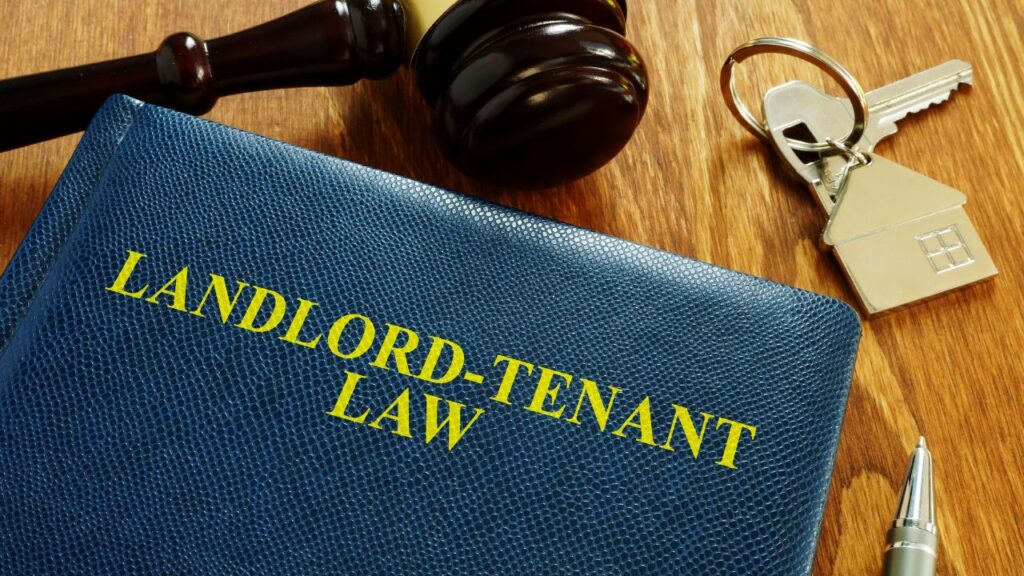
    Federal rules also apply, including The Fair Housing Act, which defines how properties may be advertised, screened, and leased without discrimination.

    At the state level, California extends those protections even further.

    Failing to follow these rules can invalidate notices or even block an eviction. In some cases, a missing disclosure can create financial liability even if the property would otherwise be exempt from certain regulations.

    Use a Clear, Compliant Lease

    California also requires specific disclosures and addendums depending on the property type and location. Using a compliant template from a licensed real estate source or the California Department of Real Estate helps ensure nothing is missed within the context of real estate ownership, including how rental properties are structured under Real Estate Investing

    This is especially important when dealing with Security Deposits, which are tightly regulated in California. Limits, timelines, and deductions must be handled correctly to avoid disputes or penalties.

    Market the Property Professionally

    High-quality marketing brings in better tenants and reduces vacancy time. Listings should include clear, well-lit photos and honest descriptions that reflect the actual condition of the property.

    Owners should avoid phone snapshots and vague wording. Professional-looking photos create trust and improve the number of qualified inquiries.

    Marketing language must also follow fair housing laws. Describing the home is allowed. Describing the type of tenant you want is not. Phrases that suggest preference or exclusion can create serious legal problems.

    Screen Tenants Using Consistent Standards

    Tenant screening is where most long-term outcomes are decided. Checking credit, income, and rental history helps determine whether someone is likely to pay on time and take care of the home.
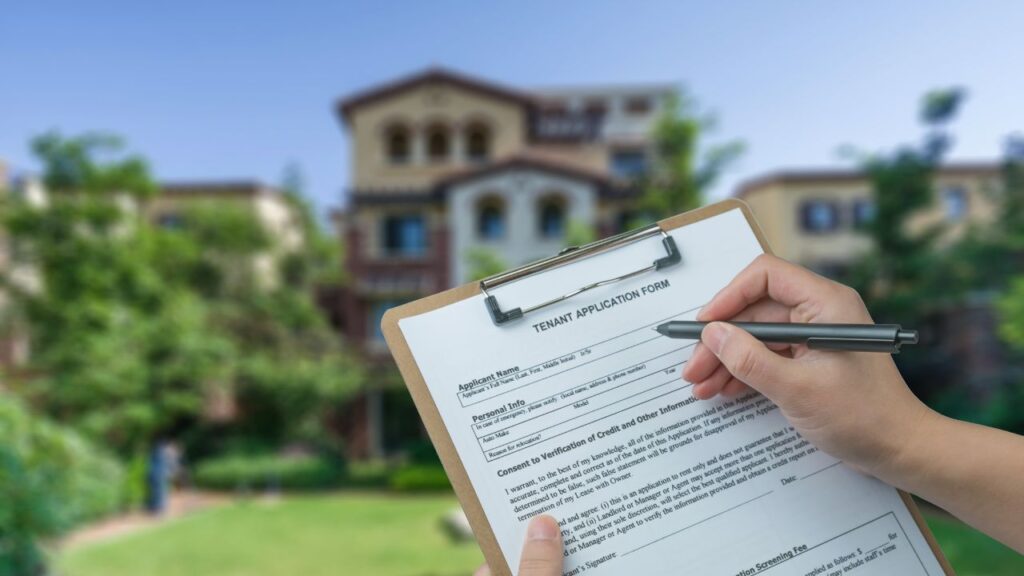
    Rental application form being reviewed in front of an apartment building

    Previous landlords often provide the most useful insight. Patterns of skipped rent, lease violations, or property damage tend to repeat.

    Screening standards should be written down and applied the same way to every applicant. This keeps the process fair and legally compliant.

    Some landlords also encounter application fraud or identity manipulation, which is why awareness of Common rental scams landlords and tenants encounter matters when reviewing applications and documents.

    Make Rent Collection Simple and Enforceable

    Online rent payment systems reduce friction and late payments. Tenants are far more likely to pay on time when they can schedule automatic electronic payments.

    Due dates should be firm. Allowing repeated late payments can create an implied change to the lease, weakening the owner’s ability to enforce it later.

    Late fees must also comply with state law. In California they must be reasonable and clearly disclosed in the lease. Standards such as Maximum Late Fees by State define what is permitted across jurisdictions.

    Stay Ahead of Maintenance

    Fast maintenance responses protect both the property and the landlord. Unresolved issues can quickly become habitability problems, which give tenants leverage in disputes or eviction cases.

    Maintenance technician repairing a wall-mounted air conditioning unit in a rental home

    Small issues like leaks or electrical problems grow expensive when ignored. Prompt, professional repairs reduce long-term damage and improve tenant retention.

    Owners should also plan for major future expenses. Roofs, HVAC systems, water heaters, and exterior paint all wear out. Setting aside reserves in a separate account prevents these costs from becoming financial emergencies.

    Understanding long-term operating costs is also part of evaluating whether self-management makes sense for a property, which is why Understanding property management fees and what they cover often comes up when owners compare management versus doing it themselves.

    Keep Detailed Records

    Good documentation protects landlords when problems arise. Payment history, maintenance logs, notices, and communication records are often the first things requested in legal disputes.

    Phone calls should be followed by written summaries. Emails or messages that confirm what was discussed create a paper trail that can be used if a tenant later disagrees.

    These records are especially important in lease disputes, including situations involving how much it cost to break a lease and how early termination is handled in practice.

    Key Takeaways

    • California rental laws change often and must be followed closely
    • A compliant lease reduces disputes and legal risk
    • Professional marketing attracts better applicants
    • Consistent screening protects property condition and cash flow
    • Online rent collection reduces late payments
    • Fast maintenance preserves value and tenant stability
    • Detailed records provide legal protection

    Final Thoughts

    Managing a rental property in California requires organization, legal awareness, and consistent follow-through. When these systems are in place, owners can protect their investment and reduce unnecessary risk.

    If you have questions about a specific property or situation, Uplift Property Management can be contacted for general guidance and next steps.

    Legal Disclaimer
    This content is for general informational purposes only and does not constitute legal advice. Landlord-tenant laws vary by location and change frequently. Property owners should consult a qualified attorney or licensed real estate professional regarding specific legal questions.


  • Top Tips When Buying Investment Property in San Diego CA

    Top Tips When Buying Investment Property in San Diego CA

    Key Takeaways

    1. San Diego offers strong, stable rental demand driven by its coastal lifestyle, diverse neighborhoods, and proximity to major employers, universities, and military bases.
    2. Successful investing requires strategy and careful analysis, including choosing the right neighborhood, matching the property to your ideal tenant, and using conservative financial estimates.
    3. Professional property management can protect and enhance returns by handling operations, maintenance, tenant relations, and compliance in a competitive market.

    Thinking about investing in rental property in San Diego, CA? San Diego is one of the nation’s most desirable coastal markets, offering year-round sunshine, a strong job base, and a lifestyle that consistently attracts renters. 

    With high demand from professionals, families, military members, and students, investors benefit from steady rental occupancy and long-term appreciation.

    If you’re ready to enter the San Diego rental market, having the right insights can help you make confident, profitable decisions. For personalized guidance, visit the services page at Uplift Property Management.

    What Is the San Diego Real Estate Market Like?

    San Diego’s real estate market is known for strong demand and long term stability. Its coastal location, healthy economy, and appealing lifestyle continue to attract residents from across the country. 

    The city offers a wide range of neighborhoods, from vibrant urban areas to quiet suburban communities, creating diverse rental opportunities for investors.

    Renters choose San Diego for its mild climate, outdoor lifestyle, beach access, and overall quality of life. Many also value its proximity to major employers, universities, and military bases, which helps support consistent rental demand.

    For investors, this steady demand creates opportunities across many neighborhoods and price points. Understanding local market trends and neighborhood characteristics can help you make informed and profitable investment decisions.

    Top Tips for Real Estate Investments in San Diego CA

    Determine Your Investment Strategy and Set a Realistic Budget

    San Diego offers a wide variety of rental properties, from condos near the beach to townhomes in suburban neighborhoods to single-family homes in family-oriented communities. Before searching for a home, decide what type of property fits your goals and level of involvement.

    A calculator lying on cash, with a notepad and a pen.

    Condos often appeal to young professionals and may require less maintenance. Single-family homes draw long-term renters who want space and stability. Homes near popular beaches or entertainment areas may attract tenants willing to pay higher rent, but they may also require more upkeep.

    After choosing the type of property, create a budget that includes the purchase price and all associated expenses. 

    Account for taxes, insurance, HOA fees, repairs, utilities, and renovation costs. Establishing a clear budget allows you to evaluate properties more effectively and avoid financial surprises.

    Identify Neighborhoods With Strong Rental Demand

    San Diego is made up of many neighborhoods, each with its own character and appeal. Some areas are known for nightlife and entertainment, while others offer family friendly living or a relaxed coastal environment. 

    Understanding what renters value most can help you select a location that remains in high demand.

    Neighborhoods near beaches and coastal parks attract renters who enjoy an active outdoor lifestyle. Areas close to universities appeal to students, faculty, and staff. 

    Communities near major highways and business centers draw professionals who want a shorter commute. Suburban areas with strong schools often attract families looking for long term housing.

    Look for neighborhoods with convenient access to shopping, dining, recreation, and public transportation. Locations that combine comfort, accessibility, and lifestyle benefits tend to maintain steady rental interest.

    Think About Working With a Professional Property Management Company

    San Diego’s competitive rental market can be rewarding, but it also comes with responsibilities. Managing a rental property involves tenant screening, rent collection, maintenance coordination, security deposits, lease management, eviction process and compliance with local regulations. 

    For owners who want a hands off experience or live outside the area, a property management company can be a valuable resource.

    An experienced management team can oversee daily operations, keep the property well maintained, communicate effectively with tenants, and address repairs quickly. This allows you to avoid the time demands of self management while protecting the performance of your investment.

    Professional management also helps ensure compliance with fair housing laws and creates positive tenant relationships.

    Use Conservative Financial Estimates When Evaluating Properties

    San Diego is a competitive and higher priced market, making careful financial analysis essential. Before purchasing a property, run projections that account for potential vacancies, seasonal shifts, and ongoing maintenance costs.

    Use realistic and conservative estimates for rental income, and calculate expenses based on true market conditions. If a property still shows solid returns under cautious assumptions, it is more likely to be a dependable long term investment.

    This approach helps protect you from unexpected costs and provides confidence that the property can remain profitable over time.

    Choose a Neighborhood That Aligns With Your Ideal Tenant Profile

    Different areas of San Diego attract different types of renters. Your investment is more likely to succeed when it aligns with the preferences of your target tenant.

    Young professionals often seek modern rentals near coastal areas or entertainment districts. Families tend to prefer suburban neighborhoods with parks and schools. 

    Students look for housing near universities. Military members value rentals close to bases. Each group prioritizes different features and amenities.

    Define your ideal tenant before purchasing and choose a property that meets their expectations. This strategy supports consistent occupancy and stable rental income.

    Boost Your Rental’s Appeal With Strategic Improvements

    After acquiring a property, focus on updates that help it stand out in San Diego’s competitive rental market. Renters are drawn to homes that feel clean, modern, and well cared for.

    Simple improvements such as fresh paint, updated lighting, improved landscaping, upgraded fixtures, or new flooring can significantly enhance appeal. Coastal properties may also benefit from moisture resistant materials or exterior upgrades designed for the environment.

    Thoughtful improvements can support higher rental rates, attract responsible tenants, and reduce turnover. A well presented property typically rents faster and performs better.

    Highlight San Diego’s Lifestyle When Marketing Your Rental

    San Diego’s lifestyle is one of its strongest selling points. When marketing your rental, emphasize the benefits that come with living in the area.

    Many renters are drawn to:


    • Beautiful beaches and coastal scenery.
    • Outdoor activities like hiking, surfing, and biking.
    • A diverse and welcoming community.
    • A vibrant dining, arts, and entertainment scene.
    • Strong employment opportunities across multiple industries.

    Connecting your property to these lifestyle advantages helps renters picture themselves living there and can increase interest.

    Bottom Line

    San Diego presents strong opportunities for rental property investors due to consistent demand, desirable neighborhoods, and an attractive lifestyle. 

    By defining your strategy, selecting the right locations, evaluating finances carefully, and keeping your property competitive, you can build long term success. With the support of a professional property management team, investing in San Diego can deliver lasting returns.

    If you are ready to explore rental property opportunities in San Diego, visit Uplift Property Management for a personalized rental evaluation.

    Disclaimer: Please note that the information provided in this blog is intended for general guidance and should not be considered as a replacement for professional legal advice. It is important to be aware that laws pertaining to property management may change, rendering this information outdated by the time you read it.


  • Things to Do in Temecula, CA

    Things to Do in Temecula, CA

    Key Takeaways

    • The city of Temecula, California, is full of opportunities for entertainment and exploration.
    • As a rental owner in Temecula, being educated on the area’s attractions and amenities can assist in marketing efforts.
    • The best way to maximize marketing success as a rental owner is to partner with a property management team like Uplift Property Management.

    Are you finding it harder to attract quality residents who genuinely want to stay long-term in your Temecula rental? For rental property owners, lifestyle appeal matters just as much as pricing, and Temecula offers plenty that strengthen your property’s overall value. From its relaxed charm to year-round recreation, this city gives residents strong reasons to put down roots and treat a home with care. 

    When landlords understand what makes an area enjoyable, marketing becomes easier and conversations feel more natural. That local insight is exactly what Uplift PM in Riverside County helps rental property owners leverage, turning location-driven interest into stable, well-matched residents who appreciate the lifestyle you are offering.

    Top 8 Activities in Temecula, CA That Enhance Resident Satisfaction

    Making your rental property attractive goes beyond the home itself. Highlighting local activities can draw residents who value lifestyle and community. These 8 carefully chosen Temecula experiences offer safe, regulated, and family-friendly options that enrich resident life and strengthen long-term rental appeal.

    A Temecula vineyard.

    Explore Local History at the Temecula Valley Museum

    Located in Old Town Temecula, the Temecula Valley Museum helps residents understand how the area developed through ranching, agriculture, and early settlement. Exhibits feature artifacts, photographs, and rotating displays that reflect everyday life across different eras and local culture over time.

    For landlords in Temecula, this nearby attraction supports educational outings and quiet weekend plans, which many long-term residents value. The museum operates year-round, follows city guidelines, and offers a calm indoor option during hotter months with convenient Old Town parking.

    Stroll and Unwind at Harveston Community Park

    Harveston Community Park sits within a planned neighborhood in Temecula, offering open lawns, sports fields, playgrounds, and picnic areas. A paved trail connects directly to Lake Harveston, creating an easy loop for walking, jogging, or evening strolls with family-friendly access.

    Residents appreciate the park for everyday recreation rather than special events, which helps keep activity predictable and respectful. For landlords, nearby green space often supports longer stays, especially for families seeking outdoor time without leaving the neighborhood on a regular basis.

    Step Back in Time at Vail Headquarters

    Vail Headquarters is a restored historic ranch site in Temecula that blends local history with modern gathering spaces. The property includes shops, dining options, curated exhibits, and scheduled activities that highlight the area’s ranching roots for residents and visitors alike.

    From guided history tours to family-focused events, residents can visit without extensive planning or travel. Landlords benefit when nearby attractions offer consistent programming, follow local regulations, and provide safe, community-oriented environments year-round for all ages to enjoy.

    A group of people enjoying a meal.

    Discover Art at the Ricardo Breceda Sculpture Garden

    The Ricardo Breceda Gallery and Sculpture Garden showcases large-scale metal sculptures displayed outdoors near Old Town Temecula. Created by local artist Ricardo Breceda, the collection features wildlife, prehistoric figures, and Old West scenes residents can explore freely at their own pace.

    Because it is open-air and self-guided, this attraction fits easily into casual afternoons and short visits. For Temecula landlords, nearby public art adds character to the neighborhood and appeals to residents who value culture without added costs or scheduling pressure.

    Enjoy Hands-On Fun at Pennypickle’s Children’s Museum

    Pennypickle’s Workshop is located in Old Town Temecula and is designed as an interactive learning space for younger residents. The museum offers hands-on exhibits, science-themed play areas, and creative problem-solving activities that encourage curiosity in a structured, indoor environment.

    For landlords, nearby educational attractions like this add appeal for families seeking engaging weekend options close to home. The museum operates year-round, follows city safety standards, and provides scheduled sessions that help manage crowds and maintain a comfortable experience.

    Spend an Afternoon in Old Town Temecula

    Old Town Temecula serves as the city’s historic and cultural center, offering walkable streets lined with shops, restaurants, and community spaces. Residents enjoy browsing local stores, dining casually, and attending seasonal festivals that are managed under city regulations.

    From a landlord’s perspective, Old Town supports lifestyle-driven interest in nearby rentals. Its consistent foot traffic, daytime activities, and family-friendly atmosphere encourage residents to stay local, which often supports stronger neighborhood connections and longer-term residency.

    A hot air balloon in Temecula.

    Visit the Alpaca Hacienda

    The Alpaca Hacienda is a family operated farm in Temecula that offers guided alpaca tours during scheduled seasons. Visitors can interact with the animals, learn about their care, and explore an on site shop featuring alpaca fleece products.

    Residents appreciate this experience for its educational value and relaxed pace, especially during spring and fall. For landlords, regulated farm tours like this add to the area’s charm without increasing congestion, noise, or disruption within nearby residential communities.

    Meet Friendly Animals at Sugarplum Farm

    Sugarplum Farm of Temecula operates as a therapy focused petting zoo featuring rescued and rehomed animals. Residents can safely interact with animals in a supervised environment that emphasizes education, accessibility, and respectful handling.

    This destination appeals to families and visiting guests looking for meaningful outings close to home. For landlords, attractions that prioritize structure, clear operating hours, and community purpose often enhance area appeal while aligning with local standards and neighborhood expectations.

    Maximize Your Property’s Appeal in Temecula

    Temecula offers a variety of attractions that make your rental properties more appealing to residents seeking lifestyle, convenience, and family friendly activities. Uplift PM in Riverside County helps landlords highlight these local advantages, manage property efficiently, and connect with residents who value what the area has to offer. 

    By partnering with a knowledgeable property management team, you can ensure your rental stands out, stays well maintained, and attracts long term residents. Reach out to Uplift PM to explore tailored solutions that work best for your properties.

  • How to Recognize and Avoid Rental Scams

    How to Recognize and Avoid Rental Scams

    Key Takeaways

    • Scammers prey on renters by copying legitimate listings, demanding upfront payments, and creating false urgency so that they have no time to think it over.
    • Red flags include unrealistically low rent prices, no screening process, and pressure to pay before viewing.
    • Landlords can protect themselves with watermarked photos, secure payment channels, and regular monitoring of unauthorized reposts.
    • Clear communication and trusted property management build renter confidence while safeguarding your investment against fraud.

    Online advertising has transformed the way San Diego County landlords market their rentals. With a few clicks, your listing can reach renters relocating from Los Angeles, military families stationed at Miramar, students attending SDSU, or young professionals working in Downtown San Diego. However, the convenience of online exposure brings new vulnerabilities: rental scams that can cost you time, money, and reputation.

    Understanding how these scams work, then putting strong prevention measures in place, protects your rental business and the tenants who engage your listings.

    How Rental Scams Usually Begin

    Scammers study the rental market as closely as real renters do. Here’s how fraudulent schemes often unfold in San Diego County:

    1. Copying Legitimate Listings and Posing as Owners

    Fraudsters frequently hijack advertizing, stealing real rental photos and descriptions, reposting them on lesser-known websites, social media groups, or community marketplaces. They introduce themselves as the owner, respond quickly to inquiries, and try to collect deposits or application fees before anyone physically visits the property.

    In these situations, the tenant loses money, and the real landlord may face backlash when victims discover the truth.

    2. Demanding Upfront Payments Before a Showing

    A common tactic involves creating urgency. For instance:
    “You need to send a deposit today. I have several applicants waiting.”

    Scammers rely on pressure and speed. Once the payment is sent, the fraudster disappears and communication stops.

    Dark, silhouetted handshake

    3. Tenants Eventually Realize Nothing Was Legitimate

    Victims often visit the address, contact the real owner, or attempt to schedule move-in only to discover they were dealing with a fake listing. While the landlord didn’t cause the scam, their property becomes associated with it. This can cause negative reviews or social media warnings.

    Recognizing Red Flags Before Scammers Do Damage

    Awareness is your best defense. Here are warning signs that should raise concern:

    1. Rental Prices Far Below Market Rate

    If you find a two-bedroom in Clairemont Mesa listed for half the typical rent, something is wrong. Scammers rely on unrealistic pricing because it attracts many quick inquiries from renters who fear missing out on a great deal.

    When a listing seems dramatically cheaper than comparable homes nearby, it’s almost always a signal to investigate further.

    2. No Screening Process

    Legitimate landlords in San Diego County almost always verify income, check credit and review rental history. If someone claims they’ll “skip the paperwork” or “approve anyone,” it’s a major sign of fraud. 

    Scammers skip screening because they can’t provide real verification or paperwork, and avoiding these steps helps them rush victims into paying before the fraud is uncovered.

    3. Large Reservation Fees Before Viewing

    A scammer might request a “holding fee” or “advance deposit” before the tenant ever steps foot inside. High upfront payments, especially through untraceable methods, signal danger. Legitimate landlords always allow a tour or virtual walkthrough before collecting any funds.

    A man in a black outfit with his hand outstretched to the viewer as if expecting to receive something.  His head is cropped.

    4. Excessive Pressure to Act Quickly

    Any insistence on signing immediately, wiring money, or committing without seeing the home first is suspicious. Scammers rely on speed to reduce a victim’s chance to think critically. This urgency tactic is designed to stop renters from verifying who actually owns or manages the property.

    How San Diego Landlords Can Stop Scammers

    Rental scams harm renters and property owners alike, but landlords can take strategic steps to reduce risk and protect their business.

    1. Search for Unauthorized Copies of Your Listing

    Periodically check platforms like Craigslist, Facebook Marketplace, and alternative listing sites to ensure no one has reposted your photos or description. Scammers often target properties in desirable areas like Pacific Beach, La Mesa, or Carlsbad.

    2. Educate Potential Tenants About Your Process

    Tell renters upfront:

    • You will never accept payment before a showing
    • All applications must go through your approved platform
    • Only your official contact information should be used

    Clear instructions reduce confusion and help renters avoid scams using your property’s identity.

    3. Watermark Your Photos

    Adding a subtle watermark to listing images makes it harder for scammers to reuse them. It also reassures renters that they are viewing an official, verified listing.

    4. Establish Secure Payment Channels

    Avoid wire transfers or cash-only payments. Direct candidates to reliable, documented methods such as online rent portals or verified electronic transfers. Clear payment policies help prevent fraud attempts.

    A lock on a green wooden door.

    5. Verify Third-Party Representatives

    If you work with leasing agents, contractors, or property managers, make sure tenants know exactly who represents you. Scammers sometimes pose as third-party agents to trick renters into sending money.

    6. Inspect Your Property Regularly

    Routine inspections don’t just maintain property conditions. They also prevent unauthorized occupants or subletting scams. If anything looks or feels unusual, address it immediately.

    7. Hire a Reputable Property Management Company

    A skilled local management team like Uplift Property Management can shield you from scams by:

    • Monitoring listings
    • Screening applicants
    • Using secure systems
    • Handling communication
    • Enforcing consistent processes

    These safeguards reduce the chances of fraud slipping through unnoticed.

    8. Protect Your Personal Contact Information

    Use dedicated business emails or phone lines when advertising. Limiting the personal information you share makes it harder for scammers to impersonate you. A good sense of cyber security can be helpful.

    Bottom Line

    Online exposure is essential for reaching quality renters throughout San Diego County, but it also creates opportunities for determined bad actors. By staying vigilant, educating renters and using secure systems, you protect your investment, your tenants and your reputation from the growing threat of rental scams.

    A confident, organized approach not only reduces risk but also strengthens the trust renters have in your rental business.

    If preventing scams, screening renters, or managing day-to-day operations feels overwhelming, you don’t have to tackle it alone. Uplift Property Management’s dedicated management team oversees marketing, verification, payments, inspections, and communication, ensuring your property stays protected and profitable.

    Contact us today to learn how professional property management can safeguard your investment and keep your San Diego County rental business running smoothly.

  • Six Smart Ways to Maximize Rental Income Without Overpricing

    Six Smart Ways to Maximize Rental Income Without Overpricing

    Increasing rental income requires more than annual rent increases. At Uplift Property Management, strong-performing rental properties are built on a balance of pricing strategy, tenant satisfaction, and operational efficiency. When these elements align, owners see healthier cash flow with fewer disruptions.

    The following six strategies outline practical ways to increase rental income while maintaining competitiveness and long-term stability.

    Increase Rent Strategically, Not Automatically

    Raising rent can improve income, but only when done with intention. Instead of applying a standard percentage increase, review comparable rental rates in the surrounding area. Focus on properties with similar size, condition, amenities, and location.

    Pricing slightly below the highest market rates often results in longer tenant retention and lower vacancy risk. Matching the top of the market may increase turnover and reduce overall profitability.

    Bar chart rising upward behind model homes, representing increasing rental income and property value growth

    Rent increases should align with lease renewals and comply with local notice requirements. Many owners offer two options: a smaller increase for a 12-month renewal and a higher rate for month-to-month terms. This structure encourages stability while preserving flexibility.

    In certain jurisdictions, rent increases are regulated. Rent control and rent stabilization policies vary by state and city.

    Add Paid Amenities That Tenants Value

    Optional amenities can generate additional monthly income without adjusting base rent. Common examples include pet rent, reserved parking, storage space, or laundry access.

    In-unit washer and dryer representing paid amenities that increase rental income

    Pet-friendly rentals often command higher overall revenue due to monthly pet fees and increased demand. Other amenities work best when they directly improve convenience or comfort.

    Paid amenities should be straightforward, clearly outlined in the lease, and priced in line with market expectations.

    Reduce Turnover to Protect Cash Flow

    Vacancy has a direct impact on rental income. Each vacant month represents lost revenue along with marketing and turnover costs. Retaining quality tenants is often more profitable than frequent lease turnovers.

    Tenant receiving rental keys during a lease signing, representing tenant retention and reduced turnover

    Timely maintenance responses, clear communication, and professional management practices contribute to longer tenancies. Renewal incentives and flexible lease options also play a role.

    Tenant selection affects retention from the start. Consistent tenant screening steps help reduce late payments, property damage, and early move-outs.

    Market Early to Minimize Vacancy Gaps

    Turnover is unavoidable, but vacancy length can be controlled. Once a tenant provides notice, marketing should begin immediately.

    Listings with professional photos receive more attention and generate faster showings. Clean interiors, neutral finishes, and clear descriptions improve engagement.

    Understanding tenant timelines also matters. Lease break scenarios and notice periods are common and reflect standard tenant obligations and timing.

    Upgrade Wisely to Increase Rent Potential

    Not all upgrades increase rental value. Improvements should appeal to the majority of renters rather than personal preferences.

    High-impact upgrades include fresh paint, updated flooring, modern light fixtures, and refreshed kitchen or bathroom hardware. These changes improve first impressions without excessive cost.

    Rent increase notice document representing strategic rental pricing decisions.

    Energy-efficient appliances are increasingly important. Many tenants consider monthly utility expenses when comparing rentals, and efficiency upgrades improve overall marketability.

    Reducing vacancy through smart upgrades supports broader income stability strategies, including late rent solutions that focus on consistent occupancy.

    Screen Tenants Carefully to Avoid Costly Problems

    Tenant screening directly affects long-term income. Proper screening reduces nonpayment risk, limits property damage, and promotes lease compliance. It also aids in identifying rental scams before they can do damage.

    Property manager reviewing rental details with prospective tenants during a showing.

    Effective screening includes income verification, credit review, background checks, and rental history confirmation. Conversations with previous landlords often reveal important details about payment habits and property care.

    Screening practices must comply with fair housing laws. Federal standards are outlined under The Fair Housing Act outlines protected classes and lawful screening practices.

    Security deposits also play a role in financial protection. Understanding state-specific requirements, such as California security deposit law, ensures deposits are handled correctly and reduces legal exposure.

    Key Takeaways

    • Strategic rent increases outperform automatic adjustments
    • Paid amenities add income without raising base rent
    • Tenant retention protects long-term cash flow
    • Early marketing reduces vacancy time
    • Smart upgrades improve rent potential
    • Careful screening prevents avoidable losses

    Maximizing rental income is about consistency and balance. At Uplift Property Management, pricing decisions, property condition, tenant experience, and screening standards all work together to support stable performance. When managed thoughtfully, these strategies help protect income while supporting long-term property value.

  • How to Boost Your Rental Property’s Curb Appeal

    How to Boost Your Rental Property’s Curb Appeal

    Key Takeaways

    • Small, affordable upgrades—like fresh paint, lighting, and pops of color—can dramatically boost a rental’s first impression.
    • Low-maintenance landscaping and routine exterior upkeep make your property feel welcoming and well-cared-for.
    • Cleanliness, organization, and a well-maintained roof signal reliability and attract higher-quality tenants.
    • Consistent curb-appeal improvements help your rental stand out across San Diego County’s competitive market.

    In San Diego County’s competitive rental landscape, where coastal charm meets urban convenience, the first impression of your property can make or break a renter’s interest.

    Interior upgrades absolutely matter, but the way your property looks from the outside often determines whether prospective tenants will even click on your listing or schedule a tour.

    Many landlords underestimate the influence of curb appeal, assuming it requires major renovation budgets. In reality, thoughtful outdoor improvements can be simple, affordable, and highly effective at increasing foot traffic, online engagement, and overall rental desirability.

    If you want your San Diego County rental to stand out, whether it’s in North Park, Oceanside, El Cajon, Chula Vista, or anywhere in between, here are the strategies that can make your curb appeal work harder for you.

    Use Color Strategically to Capture Attention

    Color is one of the easiest ways to refresh a rental’s exterior without committing to a full-scale remodel. A subtle pop of color can draw the eye, elevate the home’s personality, and help it stand out from neighboring properties.

    This doesn’t mean painting your building neon orange. Instead:

    • Repaint the mailbox in a crisp modern shade
    • Add colorful planters on the porch
    • Refresh outdoor furniture with new cushions
    • Incorporate seasonal flowers in complementary tones

    These small touches deliver visual impact without overwhelming prospective tenants or exceeding your budget. A bit of color adds warmth and makes the property feel more welcoming at first glance.

    Colorful paint swatches

    Create a Green, Calm Outdoor Space Without High-Maintenance Landscaping

    San Diego County renters love outdoor environments where they can relax after a long day. From a modest patio in Mission Valley to a front lawn in Carlsbad, greenery goes a long way in shaping the renter’s perception of your property.

    Focus on:

    • Removing dead plants
    • Pulling weeds
    • Planting drought-tolerant grass or ground cover
    • Adding native succulents or shrubs
    • Regularly trimming existing foliage

    Because not all tenants have time for gardening, choose plants that require minimal upkeep. Think bougainvillea, lavender, rosemary, or agaves. You’ll achieve visual appeal without relying on renters to maintain the space.

    Enhance Your Exterior with Effective Lighting

    Curb appeal matters even after the sun sets. Well-placed lighting can instantly transform the exterior, making it feel inviting, secure, and polished. Communicating care is vital. What says “well-maintained and taken care of?” Well-lit approaches, porches, ,and patios, or dark sidewalks and dim entryways?

    Options include:

    • Solar pathway lights
    • Warm-toned LED porch lighting
    • Spotlights highlighting architectural features or trees
    • Motion-sensor lighting for added safety

    Good lighting discourages trespassers while giving prospective tenants a sense that the property is well cared-for, an appealing combination in both suburban and urban parts of San Diego County.

    Cozy Evening with Flowers and Table Lamp

    During holidays, modest seasonal lights can add charm without looking cluttered. Just remember to keep decorations tasteful and organized.

    Commit to Regular Landscaping Maintenance

    An outdoor space only looks good if it stays that way. Routine landscaping is often more important than the upgrades themselves.

    Consider scheduling:

    • Weekly or biweekly mowing
    • Seasonal plant replacement
    • Hedge trimming
    • Sweeping porches and walkways
    • Refreshing mulch
    • Removing debris after storms

    A neglected yard can overshadow even the nicest interior. For one, an overgrown yard signals to potential renters that the previous inhabitants were negligent, and this negligence could possibly have affected the interior as well.

    Don’t let potential tenants decide to say “no,” on your property before they even set foot inside. A tidy exterior communicates reliability, responsibility, and pride of ownership. These are qualities that renters appreciate in a landlord.

    Repaint Exterior Surfaces for a Clean, Modern Look

    Paint is one of the most transformative tools you have. But in San Diego, where exposure, salty coastal air, and everyday wear can fade or dull your property’s exterior faster than you expect, you’re going to want to invest in a quality repaint.

    Nobody wants to live in a place with peeling paint, and unprofessional paint jobs can lower your property’s curb appeal.

    A fresh coat of paint:

    • Makes the home look newer
    • Boosts perceived value
    • Signals proper maintenance
    • Helps your listing photos shine
    a-lander-and-paint-roller-in-a-white-room-with-the-roller-painting-the-walls-blue

    Hire a professional for best results. Pros know exactly what finish, tone, and shade of paint will look best, to say nothing of the professional equipment they can use to make jobs quick and clean.

    Poorly-applied paint is easy to spot and can make an otherwise great property seem neglected. Think of this upgrade as an investment that enhances both curb appeal and long-term property value.

    Upgrade or Refresh the Front Door

    The front door is the centerpiece of your curb appeal. Even if everything else looks great, a worn or outdated door can undermine the entire aesthetic.

    Think about it: the door is something your tenant will look at everyday– any time they leave the house, and every time the come home. Make sure they’re coming home to quality.

    Evaluate whether your door needs:

    • A new coat of paint
    • Updated hardware
    • A sturdier lock
    • A complete replacement

    Choose a color that complements the home’s palette and feels appropriate for San Diego’s laid-back but modern architectural style. Above all, ensure the door conveys safety and quality, the two qualities tenants look for first.

    Make your doors look safe and secure with up-to-date hardware like door handles, locking mechanisms, deadbolts– even peepholes!

    Prioritize Ongoing Cleaning and Exterior Upkeep

    Even the most stylish rental loses appeal if it’s covered in dust, leaves, or cobwebs. Build routine cleaning into your schedule, especially when preparing for showings. The more consistent your routine is, the nicer your property will look, and the more likely it is that the property will attract tenants.

    Consider tasks such as:

    • Pressure-washing pathways and siding
    • Cleaning windows inside and out
    • Removing clutter from patios or balconies
    • Keeping trash bins discreetly stored

    Prospective tenants care deeply about cleanliness. A spotless exterior reassures renters that the interior is well cared-for and that the landlord is attentive and professional.

    Don’t Forget the Roof

    San Diego’s weather is generally mild, but that doesn’t mean landlords can ignore roof condition. A well-maintained roof protects the home from leaks (protecting the structural integrity and longevity of your property!) and contributes significantly to curb appeal.

    Inspect your roof regularly:

    • Look for broken tiles
    • Check for lifting shingles
    • Clear off debris
    • Schedule professional inspections when needed

    A good roof reassures tenants that the property is safe, dry, and structurally sound.

    Bottom Line

    Curb appeal isn’t optional, it’s a powerful marketing tool that influences first impressions, boosts listing engagement, and helps you secure trustworthy tenants who appreciate a well-maintained home.

    Whether your rental sits near the coast or inland, thoughtful exterior improvements can enhance both perceived value and long-term occupancy.

    Elevating curb appeal doesn’t require large investments. Small, targeted upgrades paired with routine maintenance can dramatically increase interest from prospective tenants across San Diego County. These intentional improvements make a lasting impression.

    If enhancing curb appeal feels overwhelming or time-consuming, we’re here to help. Our property management team handles everything, from exterior maintenance and rental marketing to tenant screening and full-service operations.

    Contact us today to learn how professional management can protect your investment, attract high-quality renters, and keep your San Diego County property performing at its best.

  • How to Know if Your Rental Meets Safety Standards

    How to Know if Your Rental Meets Safety Standards
    person-in-yellow-safety-reflective-vest-with-hard-hat-doing-house-inspection

    Key Takeaways

    1. Regular inspections and proactive maintenance are essential to keeping your San Diego rental safe, compliant, and free from costly violations.
    2. Safety standards, from detectors and electrical systems to pest control and structural upkeep, protect both tenants and your long-term investment.
    3. Staying compliant is easier with expert support, and Uplift Property Management helps landlords maintain safe, code-ready rentals year-round.

    Owning a rental property in San Diego County offers steady long-term potential thanks to consistent population growth and strong year-round demand. But before you focus on marketing or rent collection, ensuring your property is safe and fully compliant should be your top priority.

    A well-maintained home protects tenants, prevents costly repairs and code violations, and preserves the long-term value of your investment.

    True safety isn’t a one-time checklist; it requires regular inspections, proactive maintenance, and quick responses to emerging issues to keep your rental secure, habitable, and profitable.

    Uplift Property Management highlights the essential safety standards every San Diego landlord should understand to stay compliant and keep their rentals in top condition.

    Stay Ahead of Pest Problems

    Few things turn tenants away faster than pest infestations. Beyond being unpleasant, pests can damage property surfaces and even violate health codes.

    San Diego’s mild climate means pests like termites, rodents, and cockroaches can thrive year-round. Schedule regular pest control services and seal potential entry points such as cracks, vents, and door gaps. Consistency is key, prevention costs far less than remediation after an infestation spreads.

    Address Potential Lead Paint Risks

    If your rental was built before 1978, federal law requires you to disclose any known presence of lead-based paint. Exposure to lead can be toxic, especially for children.

    To stay compliant, landlords should hire certified inspectors to test for lead and handle removal if necessary. 

    Never attempt to scrape or repaint suspected lead-painted surfaces on your own. Instead, bring in licensed abatement specialists to ensure the property remains safe and within EPA standards.

    Inspect and Maintain Appliances

    Appliances are part of your rental’s daily functionality, and a common source of safety hazards if neglected. Faulty cords, overloaded outlets, or outdated wiring can cause fires or electrical injuries.

    Create a maintenance log for all appliances, noting purchase dates, repair history, and estimated lifespan. Schedule annual safety checks or replacements when necessary. Choose durable, energy-efficient models that meet California safety certifications.

    Install and Test Smoke and Carbon Monoxide Detectors

    California law mandates that all rental units include working smoke and carbon monoxide detectors. These devices save lives, but only if they function properly.

    Test detectors during every property inspection, replace batteries annually, and upgrade outdated models. Remember that carbon monoxide can build up from gas heaters or appliances, making detectors critical even in smaller rental spaces.

    Evaluate Floors, Walls, and Ceilings for Structural Soundness

    San Diego’s coastal humidity and occasional earthquakes make structural vigilance essential. Watch for uneven floors, sagging ceilings, or wall cracks, which may signal foundation movement or water damage.

    If you notice soft spots or bubbling paint, consult a licensed contractor or foundation specialist. 

    A Contractor Checking a wall Socket

    Even small leaks can lead to expensive repairs if ignored. Protect your investment by fixing the root cause, whether that’s plumbing failure, poor drainage, or structural settlement, before it worsens.

    Reinforce Doors and Windows

    Security is a major factor in tenant retention. Check that all exterior doors are made of solid materials and include deadbolts that meet California’s Residential Tenancy safety standards.

    Windows should open and close smoothly, with intact locks and weather stripping. You can also install motion-sensor lighting or smart locks to enhance peace of mind. Strong physical and visual security discourages intruders and reassures tenants that their safety is your priority.

    Keep Electrical Systems Up to Code

    Faulty wiring is one of the leading causes of residential fires. To stay compliant with San Diego’s electrical safety codes, have your property’s system inspected by a licensed electrician every few years, or immediately if tenants report flickering lights, frequent breaker trips, or burning smells.

    Ensure that GFCI outlets are installed in wet areas like kitchens and bathrooms, and never overload circuits with too many devices. Modernizing your electrical systems not only reduces fire risk but also boosts property value and tenant satisfaction.

    Prevent Plumbing Failures and Water Damage

    Water leaks can quietly erode your property’s structure and cause mold, a major health concern under California law. Inspect pipes, faucets, and water heaters regularly for signs of corrosion or drips.

    Clean gutters and downspouts to keep water flowing away from the foundation, especially after Santa Ana winds or coastal storms. Standing water around the property can weaken walls and attract pests.

    Timely plumbing maintenance saves you thousands in potential water damage repairs and preserves your property’s integrity.

    Service HVAC and Heating Systems

    In San Diego County, temperature fluctuations are mild but maintenance still matters. HVAC systems accumulate dust and debris, which can reduce air quality or trigger fire hazards if neglected.

    Schedule annual inspections before the colder months to ensure heaters, vents, and thermostats work efficiently. Replace filters every few months to promote airflow and extend system life.

    Keeping your HVAC system in top shape ensures safety, comfort, and tenant satisfaction.

    Why Meeting Safety Standards Pays Off

    Complying with safety standards may seem time-consuming, but it’s an investment in peace of mind. A property that meets health and building codes attracts responsible tenants, lowers turnover, and avoids costly legal issues.

    Regular inspections and preventative maintenance also protect your cash flow, it’s far cheaper to replace a cracked pipe today than repair waterlogged drywall tomorrow.

    Safety compliance is not just about following the law. It’s about building trust, reducing risk, and ensuring your San Diego rental stands strong for years to come.

    Final Takeaway

    A safe rental is a profitable rental. Maintaining compliance is an ongoing cycle of inspections, repairs, and proactive care, especially as your property ages. Keeping up with San Diego’s safety standards can be demanding, particularly for landlords managing multiple units.

    Uplift Property Management helps San Diego landlords stay ahead of maintenance, safety requirements, and code updates. With proactive inspections, reliable repairs, and 24/7 support, we keep your rentals safe, compliant, and tenant-ready year-round.

    Contact us today.

  • Should I Allow Tenants to Paint My Rental Property?

    Should I Allow Tenants to Paint My Rental Property?
    a-lander-and-paint-roller-in-a-white-room-with-the-roller-painting-the-walls-blue

    Key Takeaways

    • Allowing tenants to repaint can boost satisfaction, but it must be balanced with protecting property value and minimizing future turnover costs.
    • Setting clear, written guidelines, including approved colors, quality standards, and repainting responsibilities, prevents disputes and maintains consistency.
    • A thoughtful, well-structured approach strengthens tenant relationships, reduces vacancies, and keeps your San Diego rental market-ready.

    In San Diego County’s vibrant rental market, where design and lifestyle matter as much as location, it’s common for tenants to ask if they can repaint their rental home. Maybe they want a coastal blue living room or a muted sage green that matches their décor.

    As a landlord, the real question is whether you should allow it. The decision hinges on your priorities, including tenant satisfaction, long-term property value, and the cost of turnover.

    While saying yes can build goodwill, changing the look of your property also comes with practical considerations.Uplift Property Management explains the options, the risks, and the smart middle ground for San Diego landlords.

    Why Tenants Want to Repaint

    Modern renters, especially those staying long-term, often want a space that feels like home, not just a temporary stop. Personal touches such as wall color help them settle in and feel invested in the property.

    At the same time, most landlords choose neutral shades to keep their rentals bright, spacious, and easy to market to future tenants. Allowing tenants to repaint can create tension between personalization and property preservation, so the key is setting clear expectations.

    Option 1: Politely Decline

    Politely saying “no” is perfectly acceptable, especially if you’ve recently painted the property or want to maintain consistency across units. The important thing is how you say it. Explain your reasoning professionally, perhaps emphasizing that uniform paint tones keep maintenance efficient and appeal broad.

    Offer alternatives so tenants still feel heard:

    Removable wallpaper: High-quality peel-and-stick designs can give tenants creative freedom without damaging walls.

    Decor and accents: Suggest adding colorful artwork, rugs, or furniture instead of repainting.

    This approach keeps your property consistent and saves you the cost of repainting after move-out, while maintaining goodwill with tenants.

    Option 2: Allow It, But With Conditions

    If you’re open to compromise, you can allow tenants to paint, under clear, written conditions. This approach works well when you want to balance tenant happiness with property control.

    Approved Color Range

    Offer a palette of pre-approved shades (like warm neutrals, soft blues, or coastal grays). Avoid bright or dark colors that make rooms harder to repaint or re-rent later.

    Defined Areas

    You might permit painting in certain rooms, such as bedrooms or an accent wall, but not throughout the entire unit. This limits potential repainting costs.

    Repainting Responsibilities

    Decide who pays for repainting when the tenant moves out. In most cases, landlords can require tenants to return walls to their original color. This condition should be stated clearly in the lease or addendum.

    Quality Standards

    Require tenants to use licensed contractors or approved paint brands to ensure professional results and prevent damage. A written agreement helps prevent misunderstandings and ensures both parties share the same expectations from start to finish.

    Inspections and Documentation

    Inspect before and after painting. Take photos, keep receipts, and file written agreements for reference. Regular follow-ups ensure the job meets quality standards and protects you from disputes later on.

    These simple steps preserve your control while giving tenants a sense of ownership and comfort.

    Option 3: Grant Full Approval for Trusted Tenants

    In some situations, you might decide to grant full permission, particularly with long-term renters who have proven to be reliable, careful, and respectful of the property.

    Allowing full creative freedom can:

    ● Strengthen tenant loyalty and encourage lease renewals.

    ● Create a stronger sense of “home,” reducing turnover rates.

    However, full approval comes with risks. You could end up with colors that don’t appeal to future renters, uneven finishes, or extra repainting costs after move-out.

    If you decide to go this route, stay involved. Request color samples before painting, inspect progress occasionally, and document any agreements in writing.

    Before you give any painting permission, keep California’s regulations in mind:

    Lead paint disclosure

    Homes built before 1978 require landlords to disclose any known lead-based paint. Only certified professionals should handle repainting in these cases. This protects both tenants and landlords from serious health and legal risks.

    Security deposit deductions

    Landlords may make security deposit deductions for repainting costs if tenants cause damage or repaint without consent, provided it’s clearly stated in the lease. Documenting everything upfront prevents disputes during move-out.

    Alteration approval

    California law allows landlords to require written consent for any modifications, including painting. Unauthorized changes can legally result in restoration costs charged to the tenant.

    Following these rules not only ensures compliance but also protects your investment.

    Balancing Flexibility and Protection

    In a design-driven market like San Diego County, allowing some personalization can set your property apart. A flexible but well-documented approach builds tenant goodwill and keeps your rental looking its best.

    Think of it as modern property management, structured, fair, and customer-focused. When tenants feel trusted, they tend to stay longer, treat the home with care, and recommend your rentals to others.

    Partner with San Diego’s Trusted Property Management Experts

    At Uplift Property Management, we help San Diego landlords protect their investments and maintain strong tenant relationships through proactive maintenance, clear lease terms, and expert oversight. From inspections to compliance, we handle the details so you can focus on growth, not daily management.

    Whether you own a single home in La Mesa or multiple units across Oceanside and Chula Vista, our full-service solutions make rental ownership simple, stress-free, and profitable.

    Contact us today to discover how our property management services can help you keep your rentals stylish, compliant, and consistently occupied.

    Bottom Line

    At some point, a tenant will ask to repaint, and your response can either strengthen or weaken your landlord-tenant relationship. Whether you decline, approve with conditions, or allow it fully, what matters most is setting clear expectations in writing and applying your policy consistently.

    Handled thoughtfully, a simple paint request becomes an opportunity to show professionalism, flexibility, and genuine commitment to tenant satisfaction.

    These small moments of communication and balance build the trust and long-term loyalty that every successful rental relies on, and Uplift Property Management is here to help you navigate those decisions with confidence.

  • Pricing Your Temecula CA Home to Rent

    Pricing Your Temecula CA Home to Rent

    Key Takeaways

    • Accurate pricing is essential to ensuring the success of your rental property.
    • Without paying careful attention to your pricing, you could end up dealing with extended vacancies and frequent tenant turnover.
    • To maximize your rental’s success, consider partnering with a property management team.

    Setting the right rental price for your Temecula property is one of the most important decisions you’ll make as a landlord. Price it too high, and your home could sit vacant for months. Set it too low, and you’ll limit your earnings and reduce your property’s long-term potential.

    Success comes from understanding your property’s true value within Temecula’s dynamic rental market. You need to balance local trends, location advantages, and property features to attract reliable tenants and maintain steady, long-term returns. Continue reading this guide by Uplift Property Management to learn more.

    The First Step: Analyze Comparable Rentals

    Before listing your property, it’s essential to understand what similar homes in your area are renting for. This process, known as a comparable market analysis (CMA), helps you determine a fair, competitive price that aligns with current demand.

    Neighborhood and Location

    Temecula’s diverse neighborhoods, from Redhawk and Harveston to Wolf Creek and Wine Country, offer vastly different rental profiles. Homes near schools, parks, and shopping centers tend to rent faster and for higher rates. Properties close to major routes like I-15 or near popular attractions such as Old Town Temecula and the wineries often command a premium due to convenience and lifestyle appeal.

    A vineyard in Temecula, CA.

    Bedrooms and Bathrooms

    Always compare your property to similar ones in your area. A 3-bedroom, 2-bath single-family home won’t align with the rent of a one-bedroom apartment downtown. More bedrooms and bathrooms typically mean more living space, a key factor for families or professionals seeking comfort and functionality.

    Property Type

    Single-family homes in Temecula usually rent for more than condos or multi-unit buildings. The added privacy, yard space, and parking make them ideal for long-term tenants willing to pay a bit extra for peace and quiet.

    Age and Condition

    Modern, energy-efficient homes with newer appliances and updated finishes naturally attract higher rents. Conversely, older properties without recent renovations may need to be priced more competitively.

    Where to Find Accurate Market Data

    A realistic rental rate is grounded in facts. Here’s how Temecula landlords can collect reliable information:

    Online Listings

    Popular websites allow you to view similar listings and note how long they’ve been on the market. Homes that rent quickly likely have competitive pricing; those lingering for weeks may be overpriced.

    Property Visits

    Seeing comparable rentals in person helps you gauge their true condition and neighborhood appeal. For instance, a nearby home might appear similar online but lack the landscaping, upgrades, or curb appeal your property offers, details that justify a higher rate.

    Professional Guidance

    Partnering with a local property management company can save time and improve accuracy. Experienced managers track market shifts in real time and can provide a free rental analysis, factoring in Temecula’s seasonal demand, property type, and evolving tenant preferences.

    A “house for rent” sign.

    Fine-Tuning Your Price Based on Property Features

    Even within the same neighborhood, no two homes are identical. Adjust your rental rate based on what makes your property stand out.

    Upgrades and Renovations

    Small improvements can yield big returns. Think new stainless-steel appliances, energy-efficient lighting, or a refreshed bathroom. Tenants often associate upgrades with quality management, and are willing to pay more for that peace of mind.

    Square Footage and Layout

    More space equals more value. Larger floor plans that offer flexibility, such as a home office or open-concept living area, appeal to tenants working remotely or families looking for comfort and functionality.

    Views and Lot Placement

    In Temecula, a home with views of the vineyards, hills, or community greenbelts can command higher rent than one facing a busy street. Corner lots, quiet cul-de-sacs, and properties with privacy fencing often earn a rental premium.

    Amenities and Extras

    Perks like a two-car garage, fenced backyard, or proximity to walking trails add tangible value. If your home includes smart-home features, a garden patio, or pet-friendly policies, those amenities can help you justify a higher rate.

    Ensuring Financial Balance

    While your goal is profitability, it’s vital to ensure the rent covers expenses such as mortgage payments, insurance, taxes, HOA fees, and maintenance costs, while still remaining competitive in the market.

    Avoid letting emotion or optimism inflate your pricing. Renters today are savvy, they compare listings, amenities, and reviews before scheduling a tour. If your price doesn’t reflect real value, inquiries will slow down.

    A calculator, a notepad, and a pen on top of some American money.

    Adapting to Market Conditions

    Temecula’s rental market, like much of Southern California, fluctuates with broader economic shifts, local employment trends, and even the school calendar. Staying flexible ensures you remain competitive year-round.

    • High-demand seasons (spring to summer) may allow modest rent increases.
    • Slower months (late fall or winter) might call for promotions, such as reduced deposits or a free first week, to keep occupancy steady.

    Monitoring inquiries and tenant feedback gives you real-time indicators. If interest drops off, it might be time to adjust pricing, not as a loss, but as a strategy to minimize vacancy and maintain cash flow.

    Why Local Insight Matters

    Temecula’s market dynamics differ from nearby cities like Murrieta or Menifee. A property manager who understands local trends, from the growing short-term rental regulations near Wine Country to the demand for family homes near Great Oak High School, can guide you toward sustainable pricing and reliable tenants.

    A local expert will also handle market re-evaluations each year, ensuring your rent stays aligned with inflation, property appreciation, and tenant expectations.

    Bottom Line

    Pricing your Temecula rental property correctly requires balancing profitability with market realism. That balance starts with accurate data, property insight, and strategic flexibility. By analyzing comparable rentals, accounting for upgrades, and adapting to shifting demand, you can attract quality tenants, minimize vacancies, and grow your long-term returns.

    Ready to maximize your rental income in Temecula? At Uplift Property Management, we help property owners determine the perfect rental price through data-driven market analysis and hands-on local expertise. Our team manages every detail, from marketing and tenant screening to maintenance coordination, so you can enjoy peace of mind and consistent profits.

    Contact us today for a complimentary rental analysis and discover how expert property management can help you achieve lasting success in Temecula’s competitive rental market.

  • Breaking a Lease: Steps Every Landlord Should Understand

    Breaking a Lease: Steps Every Landlord Should Understand

    At Uplift Property Management, we often hear from landlords caught off guard when a tenant suddenly gives notice to move out before their lease ends. Whether it’s due to a job transfer, family emergency, or unexpected conflict, understanding your rights and obligations under the law is crucial.

    In this article, we’ll cover what every landlord should know about lease breaks, from legal justifications to financial recovery, and how to protect your property and peace of mind.

    1. Review the Lease Agreement Thoroughly

    The first step after receiving notice from a tenant is to revisit the lease. Every agreement should outline the procedure for early termination, including:

    • Required notice periods
    • Any early termination or re-letting fees
    • Subletting or assignment conditions
    • Exceptions or special clauses

    These provisions determine how the situation should be handled. If a lease is missing clear language around early termination, adding those clauses during renewal can prevent confusion later on.

    2. Understand When Tenants Can Legally End a Lease

    Most tenants are bound by their contracts until the lease term expires. However, there are specific legal protections that allow an early exit without penalty.

    Active Military Duty:
    Under the Servicemembers Civil Relief Act (SCRA), a tenant called to active duty may terminate a lease once proper documentation is provided. This law protects service members from financial strain while serving.

    Domestic Violence or Safety Concerns:
    The Violence Against Women Act (VAWA) allows tenants affected by domestic violence, stalking, or sexual assault to leave a rental early when documentation supports their claim. These protections ensure personal safety remains the highest priority.

    3. Maintenance Problems and Tenant Rights

    Landlords are sometimes asked whether maintenance issues give tenants the right to end their lease. Generally, they do not. However, property owners are still obligated to maintain habitable conditions that meet health and safety standards.

    If a repair request goes unresolved for an extended period, typically around 30 days, a tenant may be allowed to complete the repairs themselves and deduct the reasonable cost from rent. They cannot, however, stop paying rent entirely.

    Consistent attention to maintenance and clear communication during move-ins and move-outs, such as those outlined in how Uplift ensures a smooth transition for every tenant, can help avoid disputes before they begin.

    4. Communicate Before Taking Formal Action

    Before enforcing any penalties, it’s worth speaking directly with the tenant. Ask practical questions:

    • What led to their decision to move?
    • When do they expect to vacate?
    • Would they assist in finding a replacement tenant?

    Many leases require tenants to continue paying rent until a new tenant signs. When this expectation is clearly communicated, tenants often help expedite the process to limit their remaining financial responsibility. Effective communication, as explored in real estate’s communication makeover, is a central part of maintaining trust and professionalism during transitions like these.

    5. Determine the Appropriate Next Step

    After reviewing the lease and discussing the situation, decide how to proceed. Options may include:

    • Applying an early termination fee
    • Negotiating a mutual release if both parties agree
    • Continuing to charge rent until a new lease is signed

    Whatever the outcome, keep meticulous documentation, copies of emails, written notices, and any agreements reached. Detailed records protect both landlord and tenant if the issue moves to small claims court.

    Legal requirements can differ by region. In California, for instance, the principles within California landlord-tenant law outline what landlords may enforce when a lease is broken and how tenants must provide notice.

    6. Minimizing the Risk of Lease Breaks

    Preventing lease breaks begins long before a tenant moves in. A well-structured process helps maintain stable, long-term tenancies.

    • Comprehensive screening: Verifying income, employment, and rental history lowers the likelihood of early departures. The ultimate guide to screening and keeping high-quality tenants outlines practical methods for thorough evaluation.
    • Proactive maintenance: Prompt repairs and scheduled inspections maintain habitability and build tenant trust.
    • Consistent communication: Stable relationships reduce turnover and encourage renewals. Good communication practices that focus on lowering vacancy and increasing renewals are closely linked to stronger tenant retention rates.
    • Clear lease terms: Defined termination clauses help prevent disputes later. Understanding how lease terms impact tenant and landlord obligations helps ensure both parties remain protected throughout the agreement.

    Efforts to create stable, long-term relationships also play a role in occupancy. Simple strategies for attracting long-term tenants help minimize turnover and maintain consistent cash flow.

    Key Takeaways

    • Review the lease carefully to identify early-termination terms.
    • Recognize valid legal justifications such as military deployment and domestic violence protections.
    • Maintenance problems rarely justify ending a lease, though landlords must maintain habitable conditions.
    • Open, professional communication reduces conflict and speeds up re-rental.
    • Consistent documentation supports fair resolution if legal action becomes necessary.
    • Strong screening and clear lease clauses make future issues less likely.

    Final Thoughts

    A broken lease can feel disruptive, but a clear understanding of your rights and responsibilities helps maintain control of the situation. Consistent documentation, proactive maintenance, and respectful dialogue protect both landlords and tenants when unexpected changes occur.

    For property owners seeking structure and confidence in handling these matters, Uplift Property Management provides the framework and experience needed to keep every tenancy legally sound and professionally managed.

    Legal Disclaimer

    The information provided in this article is for general educational purposes only and should not be interpreted as legal advice. Landlord-tenant laws vary by state and local jurisdiction. Property owners and tenants should consult a qualified attorney or legal professional regarding their specific circumstances.