

Key Takeaways
- Assembly Bill 628 has been passed, expanding habitability requirements under California housing law: Assembly Bill 628 modifies existing law—California Civil Code §1941.1—by adding functional stoves and refrigerators to the characteristics required for a unit to be considered habitable. Beginning January 1, 2026, these appliances must be installed and maintained in most rental units, and this standard will apply to any lease or rental agreement governed by applicable law that is entered, renewed, or amended after that date. Because existing law requires landlords to provide and maintain habitable premises, AB 628 clarifies that essential kitchen appliances now fall under this duty.
- Compliance introduces new financial and legal obligations: Under this bill, property owners must budget for appliance purchases, servicing, and recall replacements within 30 days of notification. Failure to comply could render a unit legally untenantable under existing law, exposing landlords to tenant claims such as rent withholding, repair-and-deduct actions, or habitability-based eviction defenses under applicable law. Since tenants are authorized to seek legal remedies when habitability standards are not met, landlords must act proactively to remain compliant with applicable law and avoid costly disputes.
- Some housing types are exempt, but documentation is essential: While Assembly Bill 628 applies broadly, it exempts units like supportive housing, SROs with shared kitchens, and residential hotels. The bill also allows landlords and tenants to agree in writing that a tenant will provide their own refrigerator. To avoid disputes, landlords should update lease or rental agreements, maintain detailed records, and clarify appliance responsibilities to comply with applicable law, especially where existing law authorizes tenants to exercise their rights if a landlord fails to meet statutory obligations.
California Assembly Bill 628: Mandatory Kitchen Appliances in Rental Units Effective 2026
What is Assembly Bill 628?
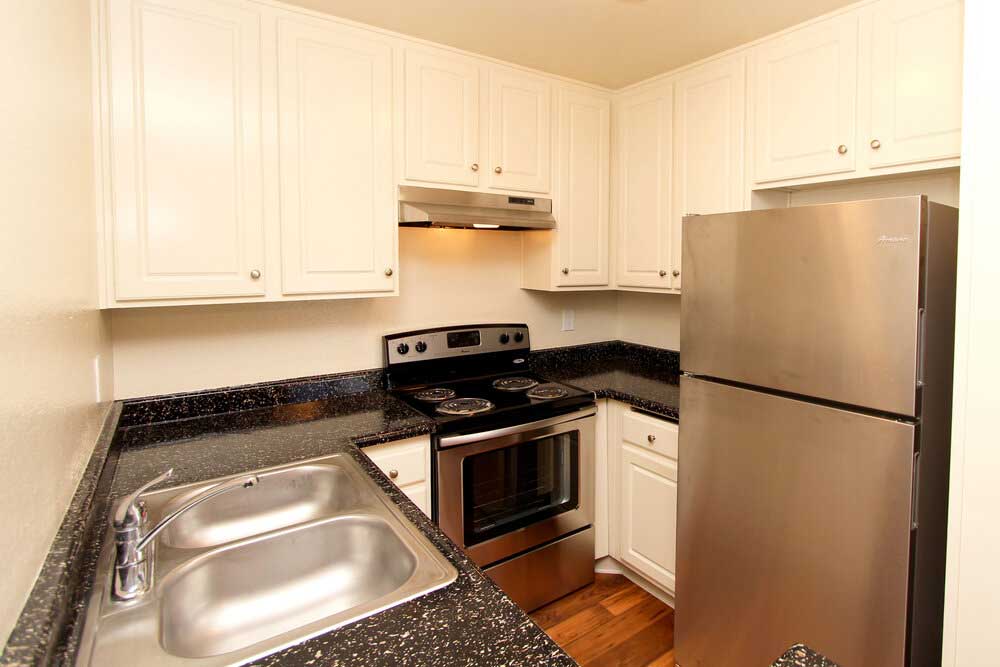
From January 1, 2026, a new law—Assembly Bill 628 (AB 628)—will require landlords to install functional stoves and refrigerators in the majority of rental apartments.
Refrigerators or stoves were once considered “amenities” rather than a legal mandate. Assembly Bill 628 eliminates that—placing them in the statutory definition of a unit being tenantable (i.e., habitable).
In summary: existing law requires that any building with a dwelling unit maintain certain characteristics in order to be tenantable. From 2026 onwards, landlords are no longer permitted to exclude providing basic kitchen appliances unless a property falls under certain exemptions. This article will provide what Assembly Bill 628 requires, the types of properties exempted, compliance tips for landlords, and the impact on tenants.
The Legislative Foundation: Amending Civil Code § 1941.1
Under existing law, California Civil Code § 1941.1 prescribes the minimum expectations a home must meet in order to be considered tenantable. Some of them include functioning plumbing, heat, safe electricity, weather protection, etc.
AB 628 amends § 1941.1 to add:
- A good working stove that can safely generate heat for cooking
- A good working refrigerator that can safely keep food
Both appliances must be maintained in good working order and capable of safely operating. If either appliance is subject to a manufacturer or public recall, it must be repaired or replaced within 30 days, and enforcement will follow applicable law.
These standards shall apply to any lease or rental agreement entered into, renewed, or amended on or after January 1, 2026.
In addition, Assembly Bill 628 states that if a refrigerator or stove is subject to a recall, the landlord must repair or replace the appliance within 30 days of being notified of the recall.
Interestingly, the law also allows a landlord and tenant to enter into a written agreement that the tenant provides their own refrigerator, which excludes the property owner from maintenance obligations on the appliance under applicable law.
Exemptions & Exceptions
Bill 628 is not enforced across the board on all dwelling units. There are certain types of residential units that are exempt from the kitchen appliance requirement.
Exemptions include:
- Permanent supportive housing units.
- Single-room occupancy (SRO) units with shared kitchen space.
- Units in residential hotels (as those terms are defined in Health & Safety or applicable law).
- Units in assisted living facilities or housing with shared or communal kitchens.
These carve-outs are designed to allow for property types where full kitchen appliances are not expected or feasible under applicable law.
Impact on Landlords: Costs, Risks & Compliance

Financial & Operational Burden
Most landlords, especially those with buildings that are not currently equipped with stoves or refrigerators, create new costs under bill Assembly Bill 628:
- Capital to purchase appliances
- Repair and replacement costs on an ongoing basis
- Logistics and staff to manage breakdowns or recalls
- Increases in potential insurance or utility exposures
A few critics anticipate this may place disproportionate burdens on small-scale landlords or lower-margin properties.
Legal & Habitability Risk
By elevating characteristics of stoves and refrigerators to the statutory level of habitability:
- A defective appliance could render a unit untenantable under § 1941.1
- Tenants may invoke repair-and-deduct rights, withhold rent, or use habitability as a defense against eviction actions
- Appliance fix delays (or recalls) could invite tenant complaints and lawsuits
Because existing law authorizes tenants to withhold rent, use repair-and-deduct remedies, or raise habitability as a defense in eviction proceedings, landlords must be proactive. Any delay in fixing appliances could result in tenant complaints, code enforcement actions, or lawsuits pursued under applicable law.
Compliance Timeline & Transition
- Jan 1, 2026 is the date for new or renewed leases to comply with the appliance requirement.
- Old leases up to that date (and not renewed or amended) may not yet trigger compliance
- Landlords must check units now, budget, and phase installing appliances ahead
- Record of install, maintenance, and any written contracts by tenants for furnished appliances will be important
What Tenants Should Know
For renters, bill 628 offers several benefits and protections:
- They can expect that future leases must include characteristics such as a working stove and refrigerator in safe, functional condition.
- There is no requirement to accept a landlord-provided appliance—if both parties agree in writing, the tenant may provide and maintain their own refrigerator.
- Tenant rights concerning repairs, habitability, and recourse remain intact and may now more clearly cover appliance failures.
However, it’s important for tenants to review their lease terms closely, particularly for any clauses about appliance responsibility or maintenance. Tenants may still pursue remedies if appliances are not repaired within a reasonable time, especially since existing law requires habitable living conditions.
Steps for Landlords to Prepare
In an effort to minimize risk and maintain compliance, the following steps are recommended:
- Take an inventory of units to identify those that already have stoves and refrigerators installed and those that don’t.
- Plan for appliance buying, including spare parts and money for eventual replacement. Ensure all provided units are in good working order and not under recall.
- Institute maintenance routines (periodic inspections, cleaning filters, handling recalls)
- Staff or contractor training in rapid repair processes
- Document everything — installation dates, service history, tenant requests, etc.
- Redesign lease documents to account for the new provisions and voluntary tenant-provided refrigerator arrangement
- Negotiate ahead of time to come to terms and reduce conflict
Landlords need to act now rather than wait until late 2025 to be in a position to make the transition smoother.
Broader Implications & Policy Rationale
Policy-wise, Assembly Bill 628 is an effort to make the term habitable current. The idea is that being able to store food safely and cook there is not an amenity but a requirement—especially since getting into rentals already costs people an enormous amount of money.
Others view AB 628 as a stepping stone: though appliance prerequisites might initially seem restrictive, they are a reflection of a growing recognition that access to food storage is a characteristic of dignity and must be included in housing codes legislatively.
At the same time, legislators tacked on exemptions and recall protection to find a balance between affordability, especially in communal living or lesser-resource communities.
Whether or not AB 628 means higher rents to compensate for appliance costs remains to be seen, although some landlords will attempt to recover investments in the form of rent adjustments (where allowed).
Bottom Line
- Assembly Bill 628 has been passed, amending Civil Code § 1941.1
- Effective January 1, 2026, Assembly Bill 628 requires that all buildings with a dwelling unit maintains certain characteristics to qualify as habitable.
- Bill 628 mandates a working stove and refrigerator in most rentals throughout the state.
- Exemptions are permanent supportive housing, communal kitchens, SROs, and residential hotels.
- Landlords must prepare beforehand: purchase, maintain, respond to recalls, and modify lease agreements.
- Renters gain greater certainty that subsequent residences will include essential kitchen appliances.