
At Uplift Property Management, we see the same pattern over and over. Many landlords are not trying to cut corners, but they still end up facing expensive legal problems because they misunderstood a rule, missed a deadline, or used the wrong process.
In California, and especially in San Diego, landlord-tenant law is detailed and unforgiving. A small mistake with a notice, a deposit, or a tenant conversation can turn into a serious financial issue. For property managers and real estate investors, understanding these risks is part of protecting the asset and avoiding unnecessary disruption.
Eviction Rules Leave Very Little Room for Error
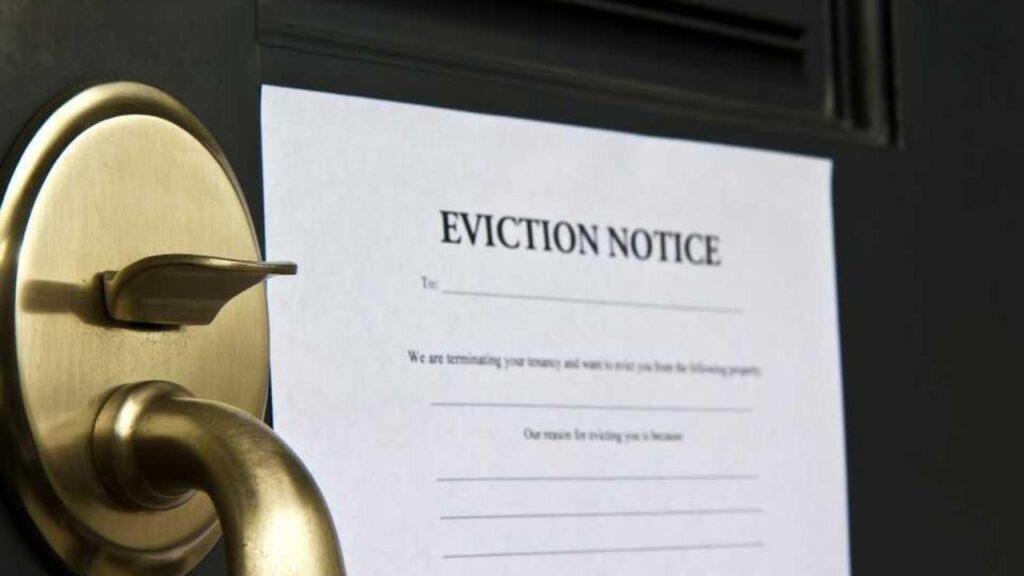
Evictions are one of the fastest ways for a landlord to end up in legal trouble. California’s Tenant Protection Act, AB 1482, changed how many terminations must be handled by separating them into at-fault and no-fault categories. That distinction matters because the rules, notice requirements, and financial obligations are not the same.
In San Diego, no-fault terminations can trigger relocation assistance requirements. Depending on the circumstances, that may mean paying two or even three months of assistance to the tenant before the process is complete. Missing that requirement can derail the entire case.
Notice language is another major issue. Courts do not give much flexibility when wording is wrong or service is not handled correctly. A landlord can have a case thrown out over a technical mistake, even when the underlying reason for the eviction is valid. That means more lost rent, more court costs, and more delay.
This is also why landlords need to understand the difference between a lawful process and a risky shortcut. Pushing a tenant out without following the exact legal framework can create much bigger problems than the vacancy itself. That is especially true when dealing with nonpayment situations, which often overlap with broader issues around California tenant rent default rules.
Security Deposit Errors Are Expensive and Common

Security deposits are another area where landlords often make mistakes without realizing it. California places limits on how much can be collected, and there are strict rules around what can be withheld after move-out. According to the transcript, the usual benchmark is about one month’s rent, with some exceptions depending on the property and situation.
The real risk shows up after the tenant leaves. Landlords cannot deduct whatever feels reasonable. Deductions generally need to be tied to unpaid rent, damage beyond normal wear and tear, or cleaning that is actually necessary. That sounds straightforward, but in practice, “damage” and “wear and tear” are often the source of disputes.
The 21-day deadline is where many owners get burned. The deposit, itemized statement, and supporting documentation must all be handled within that window. The transcript also highlights the importance of before-and-after photos and records of any completed work. Without that documentation, a deduction can become much harder to defend.
From an operations standpoint, this comes down to process. Good move-in photos, consistent inspections, and digital records can save thousands later. It also helps to understand the bigger financial picture of rental ownership, including rental property tax deductions and expense rules, because legal compliance and financial discipline usually go hand in hand.
Fair Housing Problems Are Often Unintentional

Fair housing violations are not always blatant. In fact, many of the most dangerous ones happen during normal conversation. The transcript makes the point clearly: California protections go beyond the federal baseline, and landlords need to be especially careful around source of income, including Section 8. Refusing that outright can create a fair housing problem immediately.
What makes this area so tricky is that violations can happen in marketing, tenant screening, and casual communication. A landlord may think they are just being friendly by asking personal questions, but those questions can become part of a discrimination claim if the applicant is later denied. Asking about children, marital status, or a partner may feel harmless in conversation, but it can create real exposure.
The solution is consistency. Every applicant should go through the same process, using the same standards, with the same documentation. Informal decision-making is where fair housing risk grows.
That matters even more for owners who are not local and may already be managing from a distance. In those cases, a tighter system and cleaner communication become essential, which is one reason long-distance landlord best practices matter more than many investors realize. For legal context, federal fair housing guidance and tenant protections are also worth understanding at a practical level.
Rent Control and Local Rules Cannot Be Treated as General Advice

One of the clearest points in the transcript is that landlords need to understand the rules for their specific property, not someone else’s. AB 1482 limits annual rent increases for covered properties to 5 percent plus CPI, with a maximum of 10 percent over a 12-month period. Even when inflation rises higher, that cap still controls.
That alone is enough to cause problems for owners who rely on outdated assumptions. But San Diego County adds another layer. The transcript identifies the City of San Diego, Chula Vista, and Imperial Beach as cities with their own tenant protection guides that landlords may be required to provide before tenancy begins. Missing that step is not a minor oversight. It is a compliance failure.
Exemptions may apply, especially for some single-family homes, but relying on hearsay is dangerous. Owners need to confirm whether their own rental falls under these rules and document that decision carefully. Market conditions also shape how landlords think about rent and timing, which is why broader housing market and rental trend data can be useful when evaluating strategy alongside compliance.
A practical way to stay ahead of these issues is to build recurring checks into ownership and management workflows. A strong yearly landlord compliance checklist helps reduce the chance that an important disclosure, deadline, or update gets missed.
Documentation Is What Protects You When Something Goes Wrong

Across every issue in the transcript, one theme keeps showing up: documentation drives outcomes.
If the notice is challenged, documentation matters. If the deposit is disputed, documentation matters. If a screening decision is questioned, documentation matters. Digital records, signed disclosures, dated photos, and consistent files are often the difference between a manageable issue and a costly one.
This is where many landlords struggle. They may understand the rule in theory, but their systems are not strong enough to support it in practice. That is usually when small errors turn into bigger legal and financial problems.
Key Takeaways
- Eviction mistakes often come down to incorrect notices, bad service, or missed relocation requirements
- Security deposit disputes usually happen because of poor documentation or missed deadlines
- Fair housing violations are often unintentional and can happen during everyday conversations
- Rent control rules and tenant protection guides depend on the property and city involved
- Strong documentation is one of the best protections a landlord can have
Final Thoughts
Owning rental property in San Diego comes with real opportunity, but it also comes with legal complexity. The landlords who avoid costly mistakes are usually the ones who take compliance seriously before there is a problem.
At Uplift Property Management, that means staying disciplined with process, documentation, and local requirements so that one small oversight does not turn into a much bigger issue.