
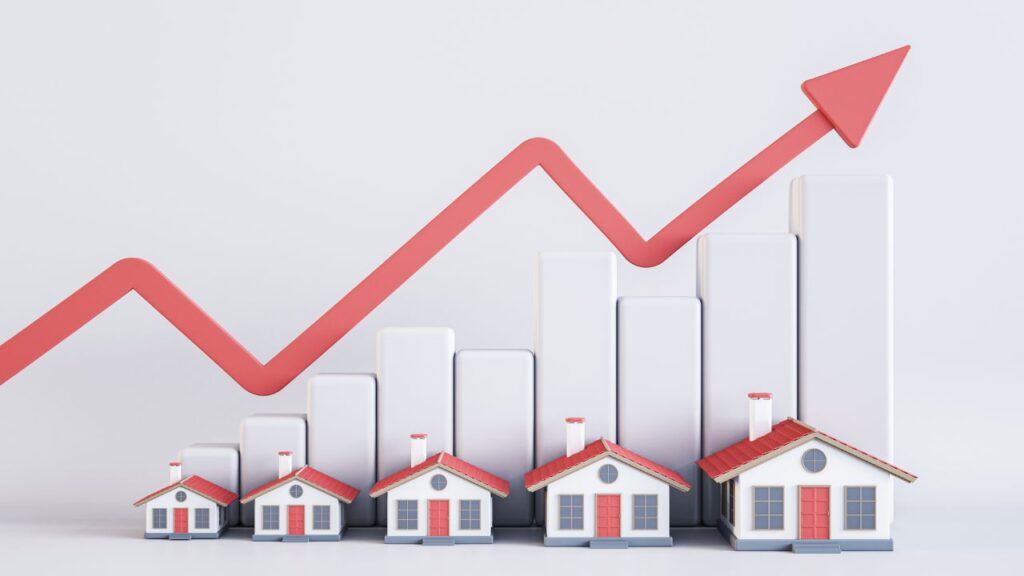
Increasing rental income requires more than annual rent increases. At Uplift Property Management, strong-performing rental properties are built on a balance of pricing strategy, tenant satisfaction, and operational efficiency. When these elements align, owners see healthier cash flow with fewer disruptions.
The following six strategies outline practical ways to increase rental income while maintaining competitiveness and long-term stability.
Increase Rent Strategically, Not Automatically
Raising rent can improve income, but only when done with intention. Instead of applying a standard percentage increase, review comparable rental rates in the surrounding area. Focus on properties with similar size, condition, amenities, and location.
Pricing slightly below the highest market rates often results in longer tenant retention and lower vacancy risk. Matching the top of the market may increase turnover and reduce overall profitability.
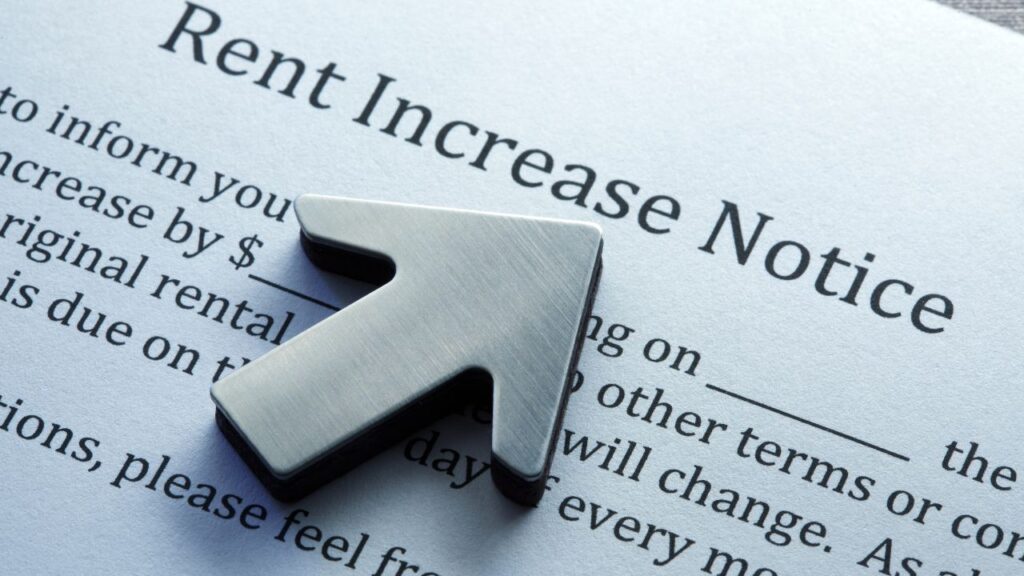
Rent increases should align with lease renewals and comply with local notice requirements. Many owners offer two options: a smaller increase for a 12-month renewal and a higher rate for month-to-month terms. This structure encourages stability while preserving flexibility.
In certain jurisdictions, rent increases are regulated. Rent control and rent stabilization policies vary by state and city.
Add Paid Amenities That Tenants Value
Optional amenities can generate additional monthly income without adjusting base rent. Common examples include pet rent, reserved parking, storage space, or laundry access.
Pet-friendly rentals often command higher overall revenue due to monthly pet fees and increased demand. Other amenities work best when they directly improve convenience or comfort.
Paid amenities should be straightforward, clearly outlined in the lease, and priced in line with market expectations.
Reduce Turnover to Protect Cash Flow
Vacancy has a direct impact on rental income. Each vacant month represents lost revenue along with marketing and turnover costs. Retaining quality tenants is often more profitable than frequent lease turnovers.

Timely maintenance responses, clear communication, and professional management practices contribute to longer tenancies. Renewal incentives and flexible lease options also play a role.
Tenant selection affects retention from the start. Consistent tenant screening steps help reduce late payments, property damage, and early move-outs.
Market Early to Minimize Vacancy Gaps
Turnover is unavoidable, but vacancy length can be controlled. Once a tenant provides notice, marketing should begin immediately.
Listings with professional photos receive more attention and generate faster showings. Clean interiors, neutral finishes, and clear descriptions improve engagement.
Understanding tenant timelines also matters. Lease break scenarios and notice periods are common and reflect standard tenant obligations and timing.
Upgrade Wisely to Increase Rent Potential
Not all upgrades increase rental value. Improvements should appeal to the majority of renters rather than personal preferences.
High-impact upgrades include fresh paint, updated flooring, modern light fixtures, and refreshed kitchen or bathroom hardware. These changes improve first impressions without excessive cost.
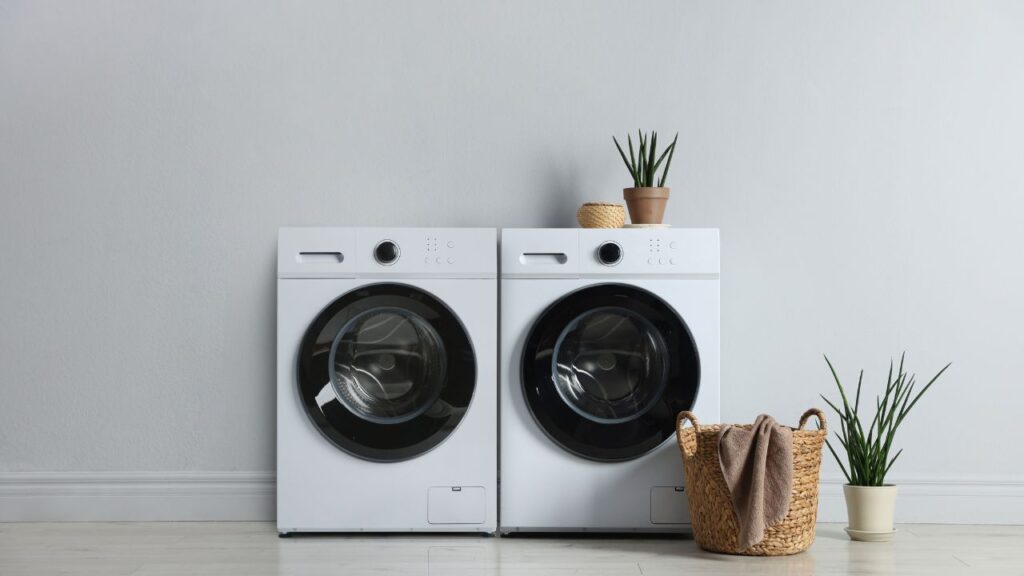
Energy-efficient appliances are increasingly important. Many tenants consider monthly utility expenses when comparing rentals, and efficiency upgrades improve overall marketability.
Reducing vacancy through smart upgrades supports broader income stability strategies, including late rent solutions that focus on consistent occupancy.
Screen Tenants Carefully to Avoid Costly Problems
Tenant screening directly affects long-term income. Proper screening reduces nonpayment risk, limits property damage, and promotes lease compliance. It also aids in identifying rental scams before they can do damage.

Effective screening includes income verification, credit review, background checks, and rental history confirmation. Conversations with previous landlords often reveal important details about payment habits and property care.
Screening practices must comply with fair housing laws. Federal standards are outlined under The Fair Housing Act outlines protected classes and lawful screening practices.
Security deposits also play a role in financial protection. Understanding state-specific requirements, such as California security deposit law, ensures deposits are handled correctly and reduces legal exposure.
Key Takeaways
- Strategic rent increases outperform automatic adjustments
- Paid amenities add income without raising base rent
- Tenant retention protects long-term cash flow
- Early marketing reduces vacancy time
- Smart upgrades improve rent potential
- Careful screening prevents avoidable losses
Maximizing rental income is about consistency and balance. At Uplift Property Management, pricing decisions, property condition, tenant experience, and screening standards all work together to support stable performance. When managed thoughtfully, these strategies help protect income while supporting long-term property value.