Are you wondering how much it costs to have a property management company? Do you live in the San Diego area and want to know if Uplift Property Management Services is the right fit for you? Keep reading to find out the average cost of property management and how Uplift stacks up!
How much does property management cost? This is a question we get a lot here at Uplift Property Management. To put it simply, the cost of property management varies depending on the type and size of your property and the services you require. For example, some property owners only need help with leasing, while others need full-service property management, which includes tasks like rent collection, maintenance, and evictions.
Uplift Property Management Cost vs Average Property Management Cost
At Uplift Property Management, we believe that our clients should get the best possible value for their money. That’s why we offer competitive rates for all of our services. Take a look at how our costs compare to the average property management company:
Multi-Unit Full Property Management: 8% or less (Uplift), 10% (average)
Single Family/Condo Full Property Management: 8% or less (Uplift), 10% (average)
Leasing Only Services: 1-month rent (Uplift), 2 months rent (average)
Here at Uplift Property Management, we pride ourselves on being an affordable option for our clients. To put our prices in perspective, let’s compare them to the average cost of property management services in San Diego. According to HomeAdvisor, the average cost of property management services in San Diego is 10% of the monthly rent for small- to medium-sized properties and 2% of the monthly rent for large apartment complexes. This means that our prices are 20% lower than the average for small- to medium-sized properties and 50% lower for leasing-only services!
Conclusion
In conclusion, property management costs vary depending on factors like the type of property, location, and services required. On average, you can expect to pay 8-10% of your monthly rental income for small properties and 5-6% for large properties. Here at Uplift Property Management, we offer competitive rates for single-family/condo properties and multi-unit properties. So if you’re looking for an affordable option in San Diego, call us today!
The decision to hire a property manager is something almost every landlord faces at some point:
“Should I hire one or not?”
Whether you’re renting out your first property or growing your portfolio, the decision usually comes down to two things:
Time vs. money
If you’re considering hiring a property management company, you’re probably asking questions like:
How much can I rent my property for?
What are the fees?
How do they handle tenants and maintenance?
In this guide, we break down the 6 most common questions property owners ask before hiring a property manager, so you can make the right decision.
Questions to Ask Before Hiring a Property Manager
Before hiring a property management company, most owners have the same core questions. In this quick video, we break down the most important things you need to know before making a decision.
Here’s a simple breakdown of those questions and answers:
1. How Much Can I Rent My Property For?
Rental pricing isn’t guesswork, it’s based on a detailed market analysis.
A property manager will look at:
Comparable rentals in your area
Current market demand
Property condition and features
Economic conditions
The goal is to find the sweet spot, maximizing your rental income while keeping vacancy low.
2. What Are the Fees?
At Uplift Property Management, pricing is simple and transparent:
8% Monthly Management Fee
5.95% Tenant Placement Fee
$195 Lease Renewal Fee
This structure keeps things predictable and easy to understand, no hidden surprises.
3. How Are Maintenance and Repairs Handled?
Maintenance is one of the biggest concerns for owners, and one of the biggest time-savers when you hire a manager.
Here’s how it works:
Tenants can submit requests 24/7 through an online portal
A pre-approved spending limit ($500–$1,000) is set to handle issues quickly
Licensed vendors from a trusted network complete repairs
Can you use your own contractors? Yes, as long as they’re licensed. If they’re unavailable, the management team steps in to keep things moving.
Do they get multiple bids? Not always, speed matters. The priority is fixing issues quickly to keep tenants happy and protect your property.
A professional process is used to evaluate applicants
The goal is to find reliable, long-term tenants while staying compliant
This protects both you and the property.
5. Can You Rent Your Property Furnished?
In most cases, no, and it’s not recommended.
Furnished rentals:
Attract a different (often shorter-term) tenant pool
Increase risk of damage to furniture
Add complexity to management
For long-term rentals, unfurnished properties are typically the safer and more profitable option.
6. What Insurance Do You Need?
At minimum, you’ll need a landlord insurance policy.
This protects:
The structure of the property
Liability risks
Rental-related damages
Some property managers also offer additional coverage options. For example, Uplift offers a third-party investor program starting around $25/month for added liability protection.
What is a property manager?
First, you may understand a property manager or property management company and how they may assist you. A real estate investment landlord hires a third party to take care of day-to-day activities for their rental properties.
Depending on the property manager, they can handle everything from single-family houses to multistory apartments.
Many services will be turnkey operations, meaning the property management company will handle most issues, from marketing your rental property to collecting rent.
However, it is possible to find property managers that may do most of the day-to-day work but leave some decisions or tasks to the landlord based on how the relationship is negotiated.
Many property managers can do the following, though this list is by no means exhaustive:
Advertise and market the property
Interview and screen potential tenants
Handle executing a lease agreement
Collect rent on behalf of the landlord
Manage maintenance and repairs
Why Consider Hiring a Property Manager
Before hiring a property management company, most owners have the same core questions. In this quick video, we break down the most important things you need to know before making a decision.
Here’s a simple breakdown of those questions and answers:
Pros of hiring a property manager
There are several advantages to hiring a property manager, the most significant of which is that they can save a landlord time on various rental-related problems.
Filling a Vacancy
Finding the right property management company is difficult, but a professional firm can help. A competent property manager should be able to swiftly fill a vacancy because of his or her resources and experience in the area rental market.
A competent property management company will have a thorough screening process to ensure they discover the best tenants possible.
Setting the right rental rates.
A thorough market study is required by all property management which states that “a competent property management company will perform a comprehensive survey to establish a rental price for your home, ensuring that you get the ideal mix of income and vacancy.”
Managing vendor relationships
A property management company will almost certainly have a list of preferred vendors that work with for lower rates on maintenance and repair services. In theory, these businesses will deliver high-quality service to maintain good ties with the property manager.
Cons of hiring Property Managers
Don’t get me wrong. Property management companies can be a lifesaver. They’re great for taking care of the day-to-day administrative tasks that come with owning a rental property, and they do it all while you can focus on what’s important: your business. But there are some drawbacks to hiring one, too.
1. The fees are high. When you hire a property management company, they’ll typically charge you an upfront fee and then a percentage of the rent. That means that if your rent is $1000 per month, they’ll take $100 off the top, and then another 10% every month thereafter! It adds up fast!
2. You have less control over the process than if you were handling it yourself. If something goes wrong in your rental, like a pipe burst or something gets damaged, your property manager will handle everything on their end; but if you’re doing it yourself, at least you have more control over who does the work and how much it costs (if anything).
3. You’ll have to pay extra if you want them to do anything extra (like find new tenants). A good property manager will handle everything for you, including finding new tenants when your current ones move out, but they’ll charge a fee for this service.
How We Can Help!
We are a full-service property management company that has been in business for many years. We offer 24/7 emergency maintenance services, tenant screening services and much more! If you’d like more information about how we can help take care of your properties, please call or email us today!
When it comes to leases, there are a lot of questions we get asked. What is the best time frame for a lease? Should I have a month-to-month lease or go for the long haul? How long should my lease be?
A lot of landlords think that short-term leases are the way to go.
After all, if you’re a landlord and you’re renting out a property for 12 months or more, then you’re going to have to deal with all kinds of issues—like whether or not the tenant will be able to pay rent for longer than one year. But what about when you’re looking at a shorter lease?
A lot of people think that a six-month lease is just fine. After all, most people move every six months or so anyway, so why not get them in and out as quickly as possible? And if they don’t like it, they’ll move on anyway!
We’ve seen some cases where people use leases that are only three months long for their rental properties. While this sometimes works, we don’t recommend it as a general rule. The reason for this is simple: a shorter lease means less security for you and your renters.
Well… there are actually a lot of reasons why we don’t recommend shorter than 12 months for your lease. For one thing, it can make it harder for you to find tenants who want to stay longer than six months. If they know they will be moving out soon anyway, why would they want to sign up for something longer? They might not even bother applying!
Ideal Lease Duration
The reason we prefer 12-month leases is that they help protect both parties: the landlord and the tenant. When a landlord rents their property for 18 months instead of 12 months, they take on more risk. They don’t know if their tenant will stay beyond those first 12 months—and even if they do stay more than one year, there’s no way for landlords to predict whether or not that tenant will stay for another year after that!
While this might sound like an issue only for landlords, it actually affects tenants, too: when there’s no end date in sight, it can be hard for them to make plans about their future without feeling anxious about whether or not they’ll still have a place when they need it.
A shorter lease means that more tenants are coming and going, which is more work for you as the landlord. It also means that it will be harder to build relationships with them and get them to take care of your property well.
As an experienced property management company, we can help ensure that this doesn’t happen to you by finding tenants who will pay their rent on time, every time. We’ll also take care of all aspects of running the property for you—from repairs and maintenance to finding qualified tenants and screening them thoroughly—so that your rental properties are always fully occupied and profitable! Contact us now!
You’ve discovered a fantastic investment property or considering renting out your own house.
Congratulations! Now begins the need of job of getting that property ready to rent.
If you’ve never done it before, preparing your property for rent may seem overwhelming; however, the fact is that in most cases, it’s quite simple. Getting your home rent-ready can be a pleasant and even fun experience; if you have a strategy!
From getting your rental up and running to making sure you’re ready, here’s a checklist of things you should do before beginning to advertise your space.
As a real estate investor, taking on the responsibilities of a landlord and beginning to manage rental properties is both thrilling and difficult since it implies the obligation to ensure that your company expands while also maintaining your property in good shape.
As a first-time landlord, you may be confused about your responsibilities, where to begin, what the landlord-tenant regulations and lease agreements are, whether or not you need to speak with an insurance provider about changing your insurance policy, and how to screen tenants for example.
Do I require a property manager? You’ll also want to know your options for marketing your rental property and how to set the right rent price.
To help you answer these questions, here’s what you should know before renting out your first property.
1. Research Local Landlord-Tenant Laws
As a landlord, you’ll need to know the local, state, and federal landlord-tenant regulations that apply to rental properties, landlords, and tenants.
The Fair Housing Act of 1968 is a federal law that protects renters by prohibiting landlords from discriminating against potential tenants due to their race, colour, religion, family status, sex, or disability.
This is why you’ll need to ensure your rental applications, screening process, and lease agreements fulfil these regulations in every jurisdiction.
2. Get an Insurance Policy
Before renting your home, you should consider purchasing landlord insurance (also known as rental property insurance). Apart from the risks covered by a typical homeowner’s policy, landlord insurance will safeguard you against significant damage caused by tenants and legal action they may take against you.
However, remember that rental property insurance does not cover your tenants’ personal belongings; they’ll need to get rental insurance for this.
3. Make sure that the property is in excellent shape.
Before renting it out, ensure that the property is in excellent condition and suitable to live in. Examine the paint, wiring, drainage, roofing, and any other mould or termite infestation signs. Tenants are more likely to choose a home that is well-maintained and simple to move into.
Apart from ensuring that the property is in good working order, the landlord must verify that the property taxes and mortgage are current before leasing it.
4. Determine a reasonable rent price
One of the most challenging choices when determining the correct rental fee is because you don’t want to undersell or overprice your tenants’ payments. The goal is for monthly rent to be low enough to entice tenants to apply but not so low that you have empty apartments.
Inquire about the average rent in the area, look for properties that have the same feature and meet your requirements, or go to online rental marketplaces to view listings of rental units near the property you wish to use.
Also, social media may be utilized to compare rental property rates since some landlords advertise their properties and rates on these sites.
5. Make Minor Upgrades
If you’re not planning on redecorating your kitchen, make any necessary small improvements to make it appear and feel more appealing. You could want to change the countertop, faucet, or even the lighting. Replace any fractures as needed and tighten hardware. Perhaps a fresh new front door is in order.
The aim is to raise the value of your house while making it more appealing to tenants without breaking the bank.
6. Consider hiring a property management company or property manager.
Hiring experts in this field, such as property managers, can help prevent money and property value from being lost by implementing a property management strategy. Property managers generally handle day-to-day repairs, security, and upkeep of properties.
They frequently deal with real estate holdings such as apartment and condo complexes, private home communities, shopping malls, and industrial parks.
Property management firms specialising in vacant houses and apartments handle owners’ day-to-day operations, ensuring their properties’ value while also generating rental income or rent payments. They are well aware of the industry’s entire procedure and have a list of contacts for future renters.
We can help your rental property reach its full potential with Jensen Properties. You can also use our directory to look for the services we provide. Contact us today!
Rent control is a hot topic in the real estate world, and for a good reason. Raising rent prices for tenants is one of the most important factors in determining how much money landlords can earn from their properties.
You’re a landlord wanting to increase your tenants’ rent. You’ve got a great tenant, who’s been paying on time, and you’re looking to get in on the housing market boom.
But you’ve also got your reputation as a landlord to think about. You want to be fair and keep the peace with your tenants.
How much can you raise their rent?
As a landlord, you know that increasing your rental rates is never an easy decision.
When you raise the rent, it’s like you’re asking your tenants to pay more money for their homes—maybe more than they can afford. And if they have to move because they can’t pay? Well, that’s not just a big financial loss for them—it’s also a big financial loss for you as well.
But what if there were another way? What if there was a way to increase rent without asking your tenants for more money?
You can’t just increase the rent by $100 and expect your tenants to be happy with that. You need to think about how much they’re willing to pay—and then give them what they want.
There are two ways for you to increase your rent. The first is by increasing the value of your property by adding new features or improving its condition. The second way is simply by charging more money for rent.
Both methods have pros and cons—and it’s up to you to decide which works best for your situation.
Is there a way to prevent rent increases?
There’s a lot of advice out there about how to avoid rent increases as a landlord, but the thing is, the only one who can prevent them is you.
If you want to keep your rent low, you have to keep an eye on your expenses and make sure they stay low. You need to keep your tenants happy and make sure they’re paying on time every month. And if you don’t have enough money left over at the end of each month to cover expenses, then you need to cut back somewhere else—not by raising rents!
As a landlord, you want to make sure that you’re getting the most out of your rental properties. A big part of that is ensuring that you can keep the rent reasonable for your tenants, while still making money off of it.
One way to do this is by setting up a rent increase schedule. A rent increase schedule is a document that outlines when and how often you will raise the rent on a tenant’s unit. This can help tenants plan better for their finances, and also give them notice before they have to pay more in rent.
How to tell my tenants about increasing my rent
As a landlord, you understand that rent increases can be a sensitive topic. But you also know that it’s important to keep your rental income in line with the market—which means that sometimes, you need to raise your rent.
If you’re planning on increasing your tenants’ rents shortly, here are three ways to make sure they’re prepared and happy about it:
Give ample notice. The longer you give your tenants advance notice of a rent increase, the more likely they will be able to plan for it. This is a good opportunity to remind them that they’re still getting a great deal on their apartment—after all, if they were renting on their own in this neighbourhood, they’d be paying much more!
Make sure they know exactly how much their rent will increase by (and when). If possible, include an example of their new monthly payment after the increase takes effect. This will help ensure that there are no surprises or misunderstandings about how much more money they’ll be paying each month.
Be ready for questions and concerns from your tenant before you send out any notices about upcoming changes in rent payments/rental agreements:
Takeaway:
For the best solution for your apartment rental needs and to avoid the risk of breaking local laws, consider hiring a property management company.
One of the most important things to consider when managing your rental property is whether or not you will need a property management company. If you do, here’s why:
It can help you avoid breaking local laws. In some areas, it is illegal for renters to live in a single-family home without the owner present on the premises. If this concerns you, then a property management company can legally help you through the process.
It can help with repairs and maintenance issues. If something breaks in your apartment or does not work properly, having a professional handle it can make all the difference in how quickly it gets fixed and how well it works afterwards.
It can help with screening tenants and making sure they have a good rental history before they move in with you so that they don’t damage your property or cause problems later on down the road when they move out because of bad behaviour or unpaid bills (which could result in legal fees).
Conclusion
Property Management is an important part of owning a rental property because it helps ensure that the property is being taken care of and maintained by local laws and regulations, which means less stress on you as an owner. It also ensures that all maintenance issues are dealt with promptly so inconvenient or costly repairs don’t inconvenience tenants.
The best part? When we manage your property, we do everything in our power to maximize profits while still providing excellent service for tenants and owners alike—which means higher returns on investment than if you were managing things yourself!
So what are you waiting for? Contact us today to learn more about how we can help increase your rent!
Renting your property could provide you with a regular income. However, if you’re not careful, renting can be a lot like taking out a loan.
First, if you have a bad tenant who doesn’t pay the rent on time, you will end up paying for their late payments and unpaid utilities.
Second, if your tenant does not maintain the home properly, then you will have to pay for the damages they cause. If they damage the grass or trees by cutting them down or letting them grow too high, you will also have to pay for those damages.
And third, if your tenant moves out suddenly and doesn’t give notice of their departure before leaving, then it is likely that they will not give you any money back for moving out early.
When renting an apartment, many things can go wrong with the place. If something goes wrong with your apartment, it could make it difficult for you to find another tenant who will pay attention to all of these things to keep things running smoothly in their unit.
Selling your property means you’ll receive a lump sum of cash at the outset.
When you sell, you’re also free to move on with your life and it is a great way to clear up some space.
What about renting?
Renting is an excellent way to earn extra income while looking for something else. You’ll be able to build equity in your house and have some tenants who are paying rent on their own terms.
If you decide to rent out your property, you must choose tenants who are respectful of your home and treat it well. The last thing you want when renting out your home is for someone to cause damage or take advantage of poor maintenance, which could result in legal action from yourself or from the tenant’s landlord if they don’t pay rent on time.
If you decide to rent out your property, you need to consider how much time you’re willing to put into being a landlord.
If you’re looking for quick money, renting may not be for you. You’ll need to give up much of your free time if you want to manage a rental property.
Many other factors are involved when deciding whether or not to rent or sell your property. If you don’t have enough time on your hands and need quick cash, renting might not be the best option for you.
Renting can also be risky because it’s hard to predict how long people will stay in a house before moving out or if they’ll ever return at all.
If you decide that renting isn’t right for you, there are some ways that you can save money while still having access to the equity of your home.
What should I consider before renting?
If you’re considering renting out your property, it’s important to consider the cost and the potential return on investment.
Renting is a good way to make money in your spare time. However, there are some costs involved in being a landlord, including:
Property maintenance – You will need to do this yourself if you are renting out your property. This includes hiring contractors to run repairs and maintenance on your property and paying for their services.
Property taxes – You will need to pay property taxes on any rental income earned from the property. These rates can vary depending on where you live and how many people live in the home.
Insurance – You will also need to purchase insurance for the property, which protects against damage caused by fire or other types of accidental events that could happen during someone else’s stay at your house (such as an earthquake).
Utilities – You may also need to ensure that utilities like electricity and water are paid for by whoever is staying in your home so they don’t cause problems for future renters when they leave.
Finding good tenants can be one of the most important things when choosing whether to rent or sell.
Here are some tips to help you find the right ones:
1. Make sure they’re reliable and trustworthy. You don’t want to deal with random people who won’t pay their rent or who don’t take care of your property.
2. Look at their credit scores, criminal records, and previous landlord references. A good credit score indicates that they will pay their rent on time and take care of your property. A criminal record could mean problems in the future, so be careful! And previous landlord references can give you insight into how well they treat others and how serious they are about paying rent on time.
3. Be upfront about everything from pets to noise levels in the house (and even the neighbourhood). You want to ensure both parties understand what’s expected of each other before an agreement is made so no one feels blindsided later down the line!
When choosing whether to sell or rent out your property, it’s essential to consider the current valuation price.
If you’re considering selling your property, you’ll need to assess the value of your home using a valuation service. The most common way to do this is by using an online valuation tool or hiring an estate agent.
A valuation is something that can help you determine the likely price at which a house will sell if it were put on the market today. It helps sellers understand where they stand in terms of the market and provides them with an idea of what they could expect if they were to put their house on the market today.
The valuer will go through all aspects of the property and use information from comparable properties in the area to come up with a figure for how much money would be needed for someone else to buy it from them. They will also look at how much money would need to be spent on repairs or improvements before selling would be viable for them.
If you sell your property while the market is low, you may not get a great return on investment.
When you’re considering selling your home, it’s important to consider the market and ensure that you’re making the most of your investment. If you sell your home when the market is low, it can be difficult to get back what you originally paid for it. However, if you wait until the market is higher and then sell your home, you’ll likely find that there are more buyers interested in purchasing it—and they’ll pay premium prices!
One way to estimate how much money you might get for your property is by looking at recent sales in the area. For example, if there have been several recent sales at prices higher than yours, then this might be a sign that more buyers are willing to pay top dollar for homes right now. And if there haven’t been any recent sales at all… well, maybe now isn’t exactly the best time to sell!
Our Takeaway
The best way to decide whether you should sell your property or rent it out is to look at all your financial options. This way, you can ensure that your decision aligns with what’s best for your personal finances.
First, you’ll want to consider how much money you need for the next few years. If you’re considering buying property, you should also consider how much money you’ll need to pay off the mortgage and other expenses associated with owning a home.
You may also want to consider how much time you have before needing a new place—if this is a long-term plan and there’s plenty of time before needing another home, then renting may be more cost-effective than selling now.
If it seems like selling might be better for your needs right now but that renting would be better long-term (or vice versa), then it’s worth looking into both options further—you may find that one option makes more sense than the other!
If you’re interested in renting your property, we can help you find the best tenant for your needs. Contact us.
After you have decided that you want to be a rental property owner or connecting with property management company, now it’s time for you to list things you want to consider upgrading and not for your rental property to be habitable. In this blog, we provide you a list of Do’s and Don’ts of upgrades before renting your property.
Do’s
Kitchen:
Make your kitchen appealing. Upgrade the appliances if possible. Look if the cabinets are updated. Fixing and painting them makes them way more budget-friendly than changing them completely. Refinish or replace your countertops if you need to. Small repairs and changes in your kitchen will be a great addition to your rental property. A kitchen is an appealing aspect of a home so a good-looking kitchen makes a huge impact on renters whether they want to rent your property or not.
Paint and Flooring :
Paint life is usually around 3-5 years so it is crucial to update it from time to time. Also, you need to be aware of the flooring of your home. Choose neutral colors. It is recommended to use hard flooring for your rental property it will cost over time. These 2 if not updated will decrease the value of your property.
Curb Appeal:
You don’t want your renters to feel like they’re going to rent a home in a forest. You should cut trees and shrubs. Paint your exterior and check your pressure wash exterior.
Easy Fixes:
Change your blinds! It’s not that expensive but can change the look of your rental property. New light fixtures and cabinet handles and door knobs. Those upgrades don’t need to pay for labor, you can do it yourself. These small changes can be noticeable and can affect the decision of your prospective renters.
Bathroom :
Renters are very meticulous when it comes to property bathrooms. If your rental home doesn’t have huge space for a full bathroom, you consider having your tub and shower infuse which is very trendy. It is a bit expensive but it adds value to your property big time.
For appliances :
You might consider adding a dishwasher, dryer, and air-conditioning. These are very expensive addition but will add a huge value to your rental home.
Don’ts
Pool and Spa:
It costs upwards of $50,000. This investment will never be paid off. Putting too expensive stuff means expensive maintenance.
High-End paint:
You don’t need to use high-end paint. Painting is done from time to time.
Furnishings
Adding amenities like furnishing will not help you. Your renters have their own furniture. It will reduce your responsibilities as a property owner.
Landscaping
Doing landscaping to your home will be a good addition to the value of your rental property but keep in mind to not do it very extravagantly. You might not know if your resters will like it or not.
Luxury Items in Kitchen/Bathroom
Don’t spend your money putting luxury items like coffee machines, oven, and such. Just spend it on fixing the sink, fixing some cabinets to make look nice and tidy.
Conclusion
As a rental property owner, you may find yourself struggling to keep up with the demands of your tenants. If this case, consider hiring a property management company. Here in Uplift Property Management we can help you take care of your rental properties and lessen your struggles.
With Uplift Property Management, we provide necessary services such as marketing, advertising and maintenance. In addition, we also act as mediators between you and your tenants. This can be very beneficial if you have trouble communicating with your tenants or if there are often disagreements.
If you’re interested, or if you have any questions, please contact us, and we’ll gladly help you.
Uplift Property Management, where we manage your property so you don’t have to.
If you own several properties (or even just one), the chances are that you don’t have a lot of time on your hands. A property management company is ideal for rental property owners like you!
Becoming a property owner is a complex process. As an investor, you must ensure that your real estate appreciates by making wise improvements. Pick up the phone for a tenant complaint on one end and communicating with a local vendor on the other are just two examples of daily management responsibilities. The list of property managing duties might appear endless.
Property management companies are ideal for small and large property owners with multi-family or commercial buildings to ensure that their real estate is secure. It’s also a means to free up your time to focus on “big picture” issues and bridge any gaps that may arise while managing numerous properties.
We have listed the common tasks a rental property owner expect when working with a property management company.
Managing Day-to-day Affairs
Businessman Calculating House Costs Using Calculator With House Model And Key On Wooden Desk
Expect the property management company to handle everything from maintenance to utilities. At a fundamental level, you should anticipate the company to manage your structures daily. Of course, because property management is an area of expertise, examine your legal licensed property manager prospect’s experience with various properties.
The following general expectations for a licensed property manager’s daily activities, regardless of the type or the size of business property:
Handle tenant requests, complaints, or emergencies
Oversee maintenance, installations, expansions
Ensure the fulfillment of lease agreements
Public representative of your company and brand
Compose budgets and recommendations
The property manager’s responsibility is to keep you informed on everything that happens on or around your property. On the other hand, they should not contact you whenever there is a problem.
The owner may be included at the discretion of a professional property management company. You also can be involved as much as you wish while being the proprietor.
A competent property manager understands when to bring something up and handle it on their own.
Tenant Management
The primary benefit of establishing clear objectives is ensuring that future renters are satisfied. Your property management teams must develop reasonable expectations in your tenants’ minds.
Set clear expectations with your property management company, so prospective renters know them. The more information potential tenants have at the onset, the less likely it is for you and them to have a lousy encounter. Renters must understand when the rent is due, how to take care of their property, and what will happen if they don’t follow the rules.
You might be thinking. “Didn’t I hire a property management company to handle this for me?”
Yes, absolutely. Your property management company will take care of your rental property and act as a go-between for you and your tenants. Hiring a property manager implies handing over authority to make critical decisions. The most straightforward approach to ensure your property manager is to set clear expectations at the start of your partnership.
Whether you want to be hands-on or not, setting clear expectations from the beginning may save you a lot of time and aggravation. Putting forth your expectations now gives you peace of mind to sit back and trust your property management team to help you succeed with your property.
What’s next? Make sure your property management agreement reflects everything you and your manager discussed.
Handle Finances
Property managers are trained in finance and excel at planning and enforcing budgets and operating charges. These factors are crucial to establishing rental rates. Property managers must strike a balance between market conditions and rental rates.
They know what help can stay you on track with your rent,. They also understand what might assist you in keeping to your budget. It’s critical for the property manager to have a solid understanding of the rental market and its nuances.
The property manager also maintains records and reports all financial data to the house owner. They aid property owners in understanding income taxes, profit & loss statements, financial information, and accurate budgeting.
It’s important to note that property managers take various financing and budgeting approaches. They may, however, have support staff from the property management company assisting them. After, all finances may be too complicated to manage on your own at times.
Maintenance and Repairs
Seasonal changes can be particularly challenging, and different dwellings need varying forms of attention. Tasks like these usually necessitate the manager to:
Display expertise in their property type.
Make frequent inspections of the property’s interior and exterior.
Perform seasonal maintenance
Initiate preventive property maintenance
Manage resources and contract negotiation
Repair any issues or hire a professional to fix the issue
Enforce safety training and standards
Regarding property maintenance, connections could hold the key to timely repairs and renovations.
As a result, you should select a property management company with reliable connections and local businesses that can help you avoid problems as they arise. Contractors that can react quickly and provide competitive prices may help you ensure profitability.
Hire a Property Management Company you Can Trust
Overall, employing a property management company aims to ensure that someone you can trust is caring for your property. It’s tough to manage all of the requirements associated with owning a community property, much less an extensive portfolio of real estate investments.
Property management companies have a lot of work and effort to undertake. However, without these businesses, you would be responsible for performing these complicated and time-consuming tasks without these businesses.
Hiring a professional team to assist you will ensure that you avoid legal difficulties, find excellent tenants who pay on time and respond promptly to maintenance issues while lowering your risk.
If you are ready to look for a property management company that suits your needs, start with Uplift Property Management. We can help your rental property reach its full potential.
The amount of rent you can get for your home depends on several factors. It’s important to consider each of these factors to attract the best tenant in the shortest amount of time possible.
Here are our tips on how to set the right rental price for your home:
Understand the Market
The first step in determining the right price for your rental home is to do some research on the real estate market as a whole. Even though your property is within the rental market, the price will be effected by the current state of the entire real estate market. Is the real estate market in your area performing best for buyers? Or sellers? Aka, how hard is it for people in your area to find housing?
This is important because it will effect how competitively you need to price your home in order to get a qualified tenant as quickly as possible. So research the current trends in real estate, the typical renter in your area, and how the real estate market has shifted in the last year.
Find Comparisons Online
Manager working on a project in open space office. Paperwork and laptop on the table, indoor
You can use online tools like Zillow, Trulia, and more to get a sense of the average rents in your area. Although these sites will give you an idea of what other rental properties are currently priced at, these sites may not include all properties being rented in your neighborhood. So it’s best to look at multiple sources and talk to local real estate experts to get the full picture of what your competing against.
Then you can get a more honest look at where you stand in the market and what your property might be worth compared to others in the same area. Ideally, try and find examples of other homes that are similar in size, age, condition, and location.
For example, your property may be in a large metropolitan area with an active market and lots of competition among landlords. You may find that you have to charge less than the average rate for similar properties in other neighborhoods. Or vise versa!
Determine Your Pricing Strategy
Pricing your rental property is a delicate science. If you price too high, your home might sit vacant longer than necessary. But if you price too low, you may be leaving money on the table.
To find a fair market price for your property, you should consider a multitude of factors. But after you’ve gotten a good understanding on the current market and found comparison properties, it’s time to consider how you want to strategically price the property. Pricing it just lower than direct comparisons in the market will certainly draw more attention and interested tenants. But pricing too low will raise suspicions as too why it so much lower than other units on the market.
Consider how quickly you need to rent out your property as well. If you need to start receiving rental income within the next two weeks, it’s time to lower the price and find a good tenant fast. But if you have more financial security and can risk a longer vacancy, you may want to hold out at a higher rental price and wait for the right tenant to apply.
Consider Your Home’s Value
Many landlord’s prefer to base their rental price off a simple calculation based on your home’s value. In other parts of the country, 1% of market value is often used as a pricing standard. However, in California that can fall to as low as 0.25%. Either way, renter’s will consider the desirability of your rental property based on factors that impact market value. The property’s condition, location, and amenities are all going to be considered by prospective tenants and will impact how much they are willing to pay.
Conclusion
Although it may seem daunting, following these recommended tips will help maximize your rental income and minimize your vacancy time. If you’d like to get expert insight on how the rental market is performing in your neighborhood, call Uplift Property Management today! We love to provide resources and support to local real estate investors who could benefit from our expertise.
And if you’re ready to hand off the burden of stress and mental fatigue that comes with owning your own rental property, you might consider hiring a property management company! Jensen Properties will ensure that your property can reach its full potential.
When clicked, this video is loaded from YouTube servers. See our Privacy Policy for details.
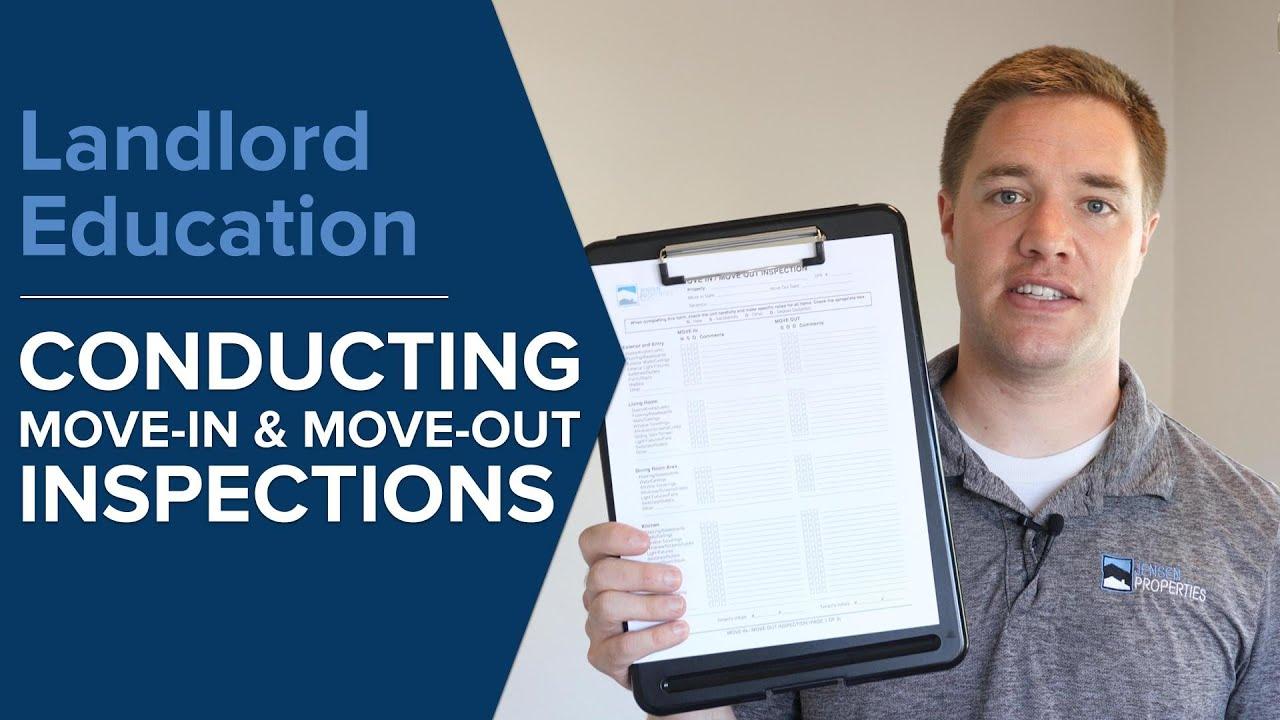
How to Conduct Move-In and Move-Out Inspections
When a tenant is moving in or out, inspections can be a tricky process. If a tenant’s move-in isn’t documented well, applying charges after they move out might become more of an argument. Similarly, if the move-out isn’t detailed enough, tenants might fight you about how clean they left it. Even if you feel like your tenant is the greatest in the world, it’s always important to document the condition of your rental property before they move in and after they leave. As a leading property manager in San Diego, we have taken over management from many other property management companies. Often we are surprised to find out that no inspections were recorded and if they were, only a handful of photos were taken and the notes were lacking. The worst part about this is when the owner or tenants get charged for something that they weren’t responsible for. Here are some tips to make sure you are conducting a good inspection that will protect you, your property, and tenant.
1. Don’t Leave the Inspection Up to the Tenant
Many property managers will give tenants an inspection sheet and leave the inspection and documentation up to them. However, if you want to be able to hold tenants accountable for any future damages, you will need to inspect the property yourself. This will ensure you have all the information needed to assess damages and pass on future charges. Tenants often don’t do inspections at all and then will complain later when they get charged. By doing a thorough and detailed inspection, you will eliminate most of the disagreements and potential back and forth between you and your tenants.
2. Take as Many Pictures as Possible
Don’t be shy of taking hundreds of pictures. Remind the tenants that taking this many photos can protect both the owner and the tenants. Digital cameras or smartphones can store hundreds of photos easily, so you shouldn’t need to worry about the amount. Make sure you are standing back and taking general pictures of each area, but then get up close when it matters. If you have a chipped tile in the tub, take a general shot of the tub and then an up close picture of that single tile to document the condition. This way it’ll be easy for you to know where that chipped tile is located. By taking many photos, you will also be protecting yourself from future issues. You never know when you’ll need a photo of that specific ceiling fan or that wall in the living room. You should be at least taking 100 photos per inspection – we often take 150-200 each time.
3. Date and Timestamp Your Photos
Along with taking many photos of your unit, make sure you download a free date and timestamp photo app onto your phone. You can also set some point and shoot cameras to display the date and time as well. This really will help in the long run so you will never have a question about when the photos were taken. If you’re ever taken to small claims court or need to evict a tenant, judges and attorneys really appreciate detailed photos with dates and times printed on them. This will give you credibility when you need it. Here is the one we use:
As you’re going through the unit room by room, test everything as you go. Run the water from each faucet. Make sure hot water is getting where it needs to go and that water pressure is sufficient. Test lights and switches – even outlets if you can. Test doors, locks, cabinets, drawers, closet tracks, windows, blinds, and anything else that moves. Appliances are also something that you should test if possible to make sure they’re working well at move-in and move-out. If there are issues that you don’t notice during the inspection, you can be sure that your tenant will soon be submitting a maintenance request for that thing within the next few days. We encourage you to test everything so that you can stay ahead of the issues and not get any surprises.
5. Use an Inspection Checklist
You can do this digitally or on paper, but make sure you have a section for each room. Usually inspection sheets will have the same things for each room – flooring, walls/ceiling, outlets/switches, door, etc. Usually you will check a box that shows if the item is new, in working condition, or if it needs repair. More notes are better than nothing, so don’t leave off anything. Even if you come across something that looks like normal wear and tear, you will still want to make note – especially at move in. More information is always better when it comes to inspections. Don’t forget the exterior of the property either! Take note and photos of all the exterior areas that the tenant is responsible for. This is very important when the tenants are responsible for landscaping and irrigation.
6. Take Inventory of Your Appliances
While taking pictures of your unit, take some of your appliance model and serial numbers. If tenants have any issues with one of the appliances in the unit during their tenancy, you can quickly figure out which unit it is and even have the information to give to your warranty company or appliance repair service. If you have to replace the unit for any reason, you can also supply an appliance salesperson with the information so they can make sure a new unit will fit in the same place and have the proper dimensions. Model numbers will give you information like whether the dryer uses gas or electricity as well. This can save you a lot of time and your tenants a lot of frustration.
7. Collect Move-In Funds and Other Documents
Before you hand over keys or possession, collect all outstanding move-in funds and documentation needed. Usually those should be given as a cashier’s check or money order so that you are receiving certified funds. Tenants should pay everything on or before their move-in date. Don’t make any exceptions with this rule. You’ll also want to verify that the tenant has put all necessary utilities in their name starting on the date they move in.
Ask Uplift Property Management
As a San Diego property manager, we do all the things above to protect you and your property. All move-in and move-out inspections are included in our full service management fee. If you are wondering how you are going to do your move-in or move-out inspection, please contact us. We would love to talk to you about some of these suggestions and others that might help. If you’d like to take advantage of a free rental analysis for your property, please click here. Please visit our Services & Pricing page to learn about all our services. Make sure you keep up your Landlord Education by following Jensen Properties on Facebook, Instagram, or YouTube.