As a landlord, you’ve probably thought about adding a pool to your rental property. It’s a great way to attract families and charge higher rents. But if you haven’t thought about the risks associated with pools, you should know that they can be dangerous for children and adults alike.
Before installing a pool on your property, consider these points:
1. Pools are expensive to install and maintain
You’ll need to buy equipment and hire professionals to install it correctly—and then keep it clean and safe for years to come.
2. Pool ownership comes with additional liability insurance requirements
If someone is injured in your pool or dies while using it, you may be held liable for their medical bills and other damages they incur while using your property. This could lead to lawsuits against you—which would mean yet another expense on top of all the other costs associated with owning a pool!
3. Pools attract families
These families are often loyal customers since they’re less likely to move every year than renters who aren’t tied down by children’s school schedules or other commitments that make frequent moves difficult.
4. Pool ownership comes with maintenance responsibilities that many renters don’t have to worry about.
5. The property value of homes with pools tends to be higher than those without them
So if you ever decide to sell your home, it could mean a nice profit!
If you’re a real estate investor, you’ve probably asked yourself this question. And if you have, we’re here to tell you: it depends.
The short answer is no, not necessarily. You should only have a pool if you have the right property and the right insurance coverage. If you don’t have those two things, it may be better just not to bother with the pool.
But if you do? In that case, it’s worth thinking about!
First things first: what kind of property do I want? Do I want an apartment building or a single-family home? If it’s an apartment building, it’s unlikely that having a pool will make sense for your business model (unless you’re renting out units as vacation rentals). And if it’s a single-family home, then we can talk!
Second thing: what kind of insurance coverage do I need? Do I need liability insurance only? Or does my mortgage require me to carry liability coverage as well as flood insurance? Either way, make sure to check with your lender before starting work on any project involving water features like pools or spas because they may require additional coverage beyond what your standard home insurance policy provides.
And third, most importantly, be sure you fully understand your local regulations and codes before starting any project involving water features like pools or spas. This will help ensure that you’re following all applicable laws and regulations, which can help protect you from fines or even lawsuits down the road!
Conclusion
If you’re a landlord who wants to add a pool to your property, we can help!
We know that the best way to attract high-quality tenants is with an amazing property. And if you’ve got a pool in your backyard, that could be the deal-breaker that brings in the perfect tenant.
But adding a pool isn’t just about getting more money from your tenants—it’s also about making sure they feel comfortable and happy in their homes. We know that having access to a pool can increase the quality of life of your renters and make them more likely to stay in their homes for longer periods of time.
If you’re looking for more information about our rental property management services in San Diego, give us a call today.
If you are considering renting out your property in San Diego, you may be wondering whether or not allowing pets will make a difference in how quickly your rental gets rented out. Will potential tenants find it more appealing to live next door to someone who has a dog or cat? Or will they think less of you for having animals around?
Why are pets important?
Pets are an important part of many people’s lives. They can be our best friends and most loyal companions. They’re there to comfort us when we’re sad, they bring us joy when we’re happy, and they give us something to focus on when everything else seems too overwhelming to handle. But sometimes, our pets have a hard time living with other people—especially if those people have different lifestyles than ours.
It’s true that pets can be great companions for humans—but that doesn’t mean everyone wants them around all the time! Some people prefer their homes to be pet-free because they themselves don’t like animals or because they have allergies or asthma conditions that are affected by animal hair and dander. Others don’t want to deal with the extra work associated with cleaning up after a pet (and all the messes that come from having furballs indoors).
Then, Should I or Should I not?
This may seem like a simple question, but it’s actually pretty complicated. On one hand, allowing pets can make your home more appealing to potential renters and increase the likelihood that they’ll rent from you. However, if you allow pets, there are likely going to be some damages that come along with them—and those damages could cost you a lot of money.
We’re not here to tell you how to run your business, but we are here to offer some insight into the rental market in San Diego. There’s a lot of debate over whether or not renters should be allowed to have pets at their rental properties. Some landlords say that pets damage property and can be dangerous for other tenants, while others believe that a pet-friendly environment encourages responsible owners and promotes community bonding.
Pet ownership laws in San Diego
Whether or not you allow pets at your rental properties, it is important to understand the laws surrounding pet ownership in San Diego. In California, it is illegal for landlords to refuse to rent to tenants with pets unless the landlord has a reasonable objection, such as excessive damage caused by the animal. Landlords also cannot charge additional fees for pets or require them to wear collars with identification tags at all times; however, many landlords do require these things anyway because they want their property returned in good condition after a tenant moves out.
According to a survey, 90% of renters with pets say that they would not move if the landlord did not allow them to keep their furry family members. And that’s exactly why you should allow your tenants to have pets in your rental property.
Here are just some of the pros and cons of allowing renters to have pets in your rental property as property owners:
Pros:
Renters with pets are more likely to stay in your rental property longer.
Renters with pets are less likely to move out of your rental property for any reason, such as a job transfer or family emergency.
Renters with pets are more likely to be responsible for the condition of their rental property because they want their pets to be safe and happy in their homes.
Renters with pets have a lower chance of damaging your rental property (or your other tenants’ rental properties) because they understand that pets can cause problems if they’re not properly trained or cared for properly.
Cons:
Pets can be destructive and messy
Pets can be noisy and disruptive
Pets can cause allergic reactions in other tenants or make them feel uncomfortable enough that they leave the property early or even vacate the premises entirely
Pets can be dangerous! If you’re unfamiliar with what breeds of dogs are known for being aggressive or dangerous—like pit bulls—you might not realize just how much damage one of these animals could do until it’s too late.
Conclusion
There are many reasons why you should allow renters to have pets in your rental property. As a property owner, you may be worried about the extra cost of repairs, but with an experienced property management company handling the day-to-day maintenance, you can rest assured that any issues will be handled quickly and efficiently.
As a property management company, we want to help our clients make the most out of their property while still keeping their tenants happy. We understand that having pets can be stressful for both landlord and tenant when they don’t get along—and we want to make sure that doesn’t happen! Contact us now to learn more!
If you’re a landlord, it’s important to know how to attract and keep long-term tenants.
Tenants who live in your property for more than one year are called “long-term tenants.” They may be the best type of tenant because they’re more likely to pay rent on time, take care of your property and not damage anything, and stay for a longer period of time.
As a landlord, you should always try to find long-term tenants before renting out your property. It can be difficult if you don’t have any references from other landlords or real estate agents. Still, if you do some research ahead of time about the city or neighbourhood where you want to rent out your property, then it will be easier for you when someone contacts you about renting it.
What should I do after finding a potential tenant?
Once you’ve found a potential tenant, always ask them if they have any friends or family members who might also want to live in the same building as them. If they say yes, then this is a good sign that they’ll stay longer than just one year! Make sure they understand what kind of commitment it means (paying rent on time every month) before signing anything official with them, though, so there aren’t any surprises later on down the line when things start getting complicated (like when one roommate decides to move out). Make sure you have a contract in place before signing anything official with your tenant so that both parties are committed and agree to the terms of their living situation.
If you’d like to be a landlord, it’s important to understand what kind of person your tenant is and who will live in the space. If they’re moving out of their parent’s place and need somewhere to stay while they get on their feet, then this is probably not going to work out—you want someone who understands that living in an apartment means paying rent on time every month and following the rules.
How Can We Help?
At Uplift Property Management, we believe that your rental property deserves to be treated with the care and respect it deserves. We know how hard it is to find a good tenant, and we want to help you do that by providing you with the best possible screening process.
If you need a professional and experienced team of experts who can help you find long-term tenants for your rental property, then look no further than us. Our team has been in business for years, working with hundreds of real estate professionals across San Diego, California. We’re proud of our reputation as being one of the best companies in San Diego when it comes to screening potential tenants for our client’s properties.
We offer a wide range of services, including tenant background checks, credit checks, employment verifications, and criminal records searches for both landlords and tenants alike. We also provide property management services for those who want help managing their properties but don’t have time or expertise themselves. With everything from maintenance requests through online portals to full-service management plans available at competitive rates, we have something for everyone!
Please contact us to learn more about how we can help you screen your next tenant or manage your property effectively.
If you’re a landlord, you may be wondering if setting up an LLC for your rental property is the right move. After all, there are a lot of benefits, including protection from liability and increased credibility with tenants. But there are also some drawbacks, like the cost and hassle of setting up and maintaining an LLC. So, what’s the verdict?
Let’s take a closer look at the pros and cons of setting up an LLC for your rental property.
The Pros of Setting Up an LLC for Your Rental Property
There are a few key reasons why you might want to consider setting up an LLC for your rental property, including:
Protection from Liability:
One of the biggest benefits of setting up an LLC is that it can protect you from liability. If someone is injured on your property or if there is damage to your property, an LLC can help shield you from personal liability. This protects your personal assets in the case of an extreme loss or lawsuit. This is especially important if you own multiple properties or if your property is located in a high-risk area.
Credibility with Tenants:
Another benefit of setting up an LLC is that it can give you more credibility with tenants. When tenants see that your rental property is part of an LLC, they may perceive you as being more professional and trustworthy. This could lead to increased occupancy rates and higher-quality tenants.
The Cons of Setting Up an LLC for Your Rental Property
Of course, there are also some drawbacks to setting up an LLC for your rental property, including:
The Cost and Hassle:
One downside to setting up an LLC is that it can be costly and time-consuming. You’ll need to file the proper paperwork with your state and pay any associated fees. In addition, you’ll need to keep track of your LLC’s finances and file annual reports. For some landlords, the hassle (and cost) just isn’t worth it.
Loss of Flexibility:
Another potential drawback is that setting up an LLC can limit your flexibility when it comes to managing your rental property. For example, if you want to sell your property or take out a loan against it, you may need approval from all members of your LLC. This can make it difficult to respond quickly to changes in the market or take advantage of opportunities as they arise.
Conclusion:
As you can see, there are both pros and cons to setting up an LLC for your rental property. Ultimately, whether or not it’s worth it will come down to your individual situation. If you’re risk-averse or if you own multiple properties, setting up an LLC could be a good move. However, if you’re on a tight budget or if you prefer having more control over your property, forego the LLC and stick with sole ownership.
It takes a team to tackle the challenges of managing a rental property. With varied perspectives, diverse skillsets, expansive market knowledge, and the resources to adapt to changes in real-time, Uplift Property Management has your back. When we manage your property, we cover all bases and shoulder all burdens associated with your assets and tenants.
Our full-service approach accounts for the big picture as well as every minute detail. Full transparency and reliable communication ensure that tenants get the most out of their rental experience. Our technology makes it easy for tenants to pay rent and submit maintenance requests online. All payments are then automatically deposited into your preferred account. These systems provide security and allow us to focus on maximizing the growth and profitability of your property and tending to the needs of your tenants.
What are Uplift Property Management’s Core Values?
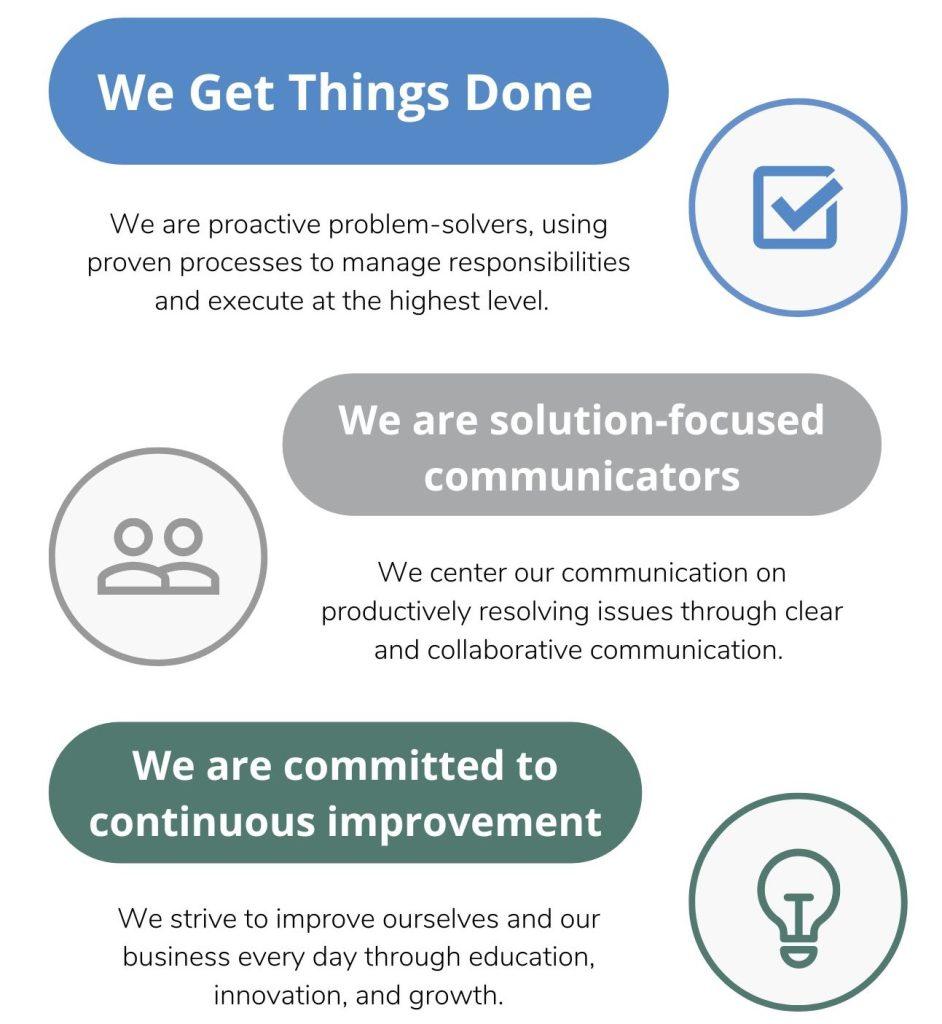
We’ve developed a set of guiding principles that guide our company culture and practices.
Conclusion:
As our company continues forward, these core values will be in the forefront of our strategy. We use these ideals to uplift people, properties, and communities. If you’d like to find out more about how Uplift Property Management is striving to elevate the standard for property management, Call us now!
As a property owner, you want to make sure you are getting the most qualified tenants for your rental units. You may have heard of Section 8 and are wondering if these are the types of tenants you should be accepting into your properties.
Section 8 is a government-funded program that provides financial assistance to low-income families who are struggling to pay rent. The program is administered by the Department of Housing and Urban Development (HUD). If you have never accepted a Section 8 tenant before, you may be wondering how the process works and if it is worth it for your business.
How Does the Section 8 Program Work?
To be eligible for the program, families must meet certain income guidelines. Once a family is approved for the program, they will receive a voucher that they can use to help pay rent at a qualifying property.
The property owner must also agree to participate in the program. This means that they must accept the voucher as rent payment and comply with HUD’s regulations. In exchange for participating in the program, property owners receive a guarantee from HUD that they will receive their rent payments on time and in full.
The Pros of Accepting Section 8 Tenants
1. Guaranteed Rent Payment: One of the biggest advantages of accepting Section 8 tenants is that your rent payments will be guaranteed. The government will directly pay your tenant’s rent to you each month, so even if your tenant falls behind on their own personal bills, you can rest assured that you’ll still receive your full rent payment on time.
2. Extended Lease Terms: Another advantage of accepting Section 8 tenants is that they typically sign leases for much longer terms than those who don’t participate in the program. This stability can be a big plus if you’re looking for long-term tenants who are unlikely to cause any disruptions or damages to your property.
3. Reduced Vacancy Rates: Yet another benefit of participating in the Section 8 program is that it can help you keep your vacancy rates low. Because participants in the program typically have difficulty finding housing, they tend to be very appreciative of being able to find a place that accepts Section 8 vouchers and are, therefore, less likely to move out prematurely.
The Cons of Accepting Section 8 Tenants
1. More Paperwork: One potential downside of accepting Section 8 tenants is that it comes with more paperwork than renting to those who don’t participate in the program. In addition to the standard lease agreement, you’ll also need to fill out and sign a HUD form known as the Housing Assistance Payments Contract.
2. Potential for Damages: While all tenants have the potential to damage your property, those who participate in the Section 8 program may be more likely to do so, given their limited income and lack of financial resources. As such, it’s important to thoroughly screen all applicants before deciding and include clauses in your lease agreement that address damages and repair costs.
3. Possible Increased Liability: In some cases, landlords who accept Section 8 tenants may be held liable for any illegal activity that takes place on their property—even if they had no prior knowledge of or involvement in said activity. To help protect yourself from this possibility, it’s important to include clauses in your lease agreement that prohibit illegal activity on the premises and require all guests to be registered with the landlord in advance.
Conclusion
As you can see, there are both pros and cons to accepting Section 8 tenants as a landlord. Ultimately, whether or not you decide to participate in the program is up to you and will depend on factors like your location, rental market conditions, and personal preferences. Just be sure to do your research beforehand so that you know what you’re getting into! Needs help with your rental property? Call us now!
Are you wondering how much it costs to have a property management company? Do you live in the San Diego area and want to know if Uplift Property Management Services is the right fit for you? Keep reading to find out the average cost of property management and how Uplift stacks up!
How much does property management cost? This is a question we get a lot here at Uplift Property Management. To put it simply, the cost of property management varies depending on the type and size of your property and the services you require. For example, some property owners only need help with leasing, while others need full-service property management, which includes tasks like rent collection, maintenance, and evictions.
Uplift Property Management Cost vs Average Property Management Cost
At Uplift Property Management, we believe that our clients should get the best possible value for their money. That’s why we offer competitive rates for all of our services. Take a look at how our costs compare to the average property management company:
Multi-Unit Full Property Management: 8% or less (Uplift), 10% (average)
Single Family/Condo Full Property Management: 8% or less (Uplift), 10% (average)
Leasing Only Services: 1-month rent (Uplift), 2 months rent (average)
Here at Uplift Property Management, we pride ourselves on being an affordable option for our clients. To put our prices in perspective, let’s compare them to the average cost of property management services in San Diego. According to HomeAdvisor, the average cost of property management services in San Diego is 10% of the monthly rent for small- to medium-sized properties and 2% of the monthly rent for large apartment complexes. This means that our prices are 20% lower than the average for small- to medium-sized properties and 50% lower for leasing-only services!
Conclusion
In conclusion, property management costs vary depending on factors like the type of property, location, and services required. On average, you can expect to pay 8-10% of your monthly rental income for small properties and 5-6% for large properties. Here at Uplift Property Management, we offer competitive rates for single-family/condo properties and multi-unit properties. So if you’re looking for an affordable option in San Diego, call us today!
The decision to hire a property manager is something almost every landlord faces at some point:
“Should I hire one or not?”
Whether you’re renting out your first property or growing your portfolio, the decision usually comes down to two things:
Time vs. money
If you’re considering hiring a property management company, you’re probably asking questions like:
How much can I rent my property for?
What are the fees?
How do they handle tenants and maintenance?
In this guide, we break down the 6 most common questions property owners ask before hiring a property manager, so you can make the right decision.
Questions to Ask Before Hiring a Property Manager
Before hiring a property management company, most owners have the same core questions. In this quick video, we break down the most important things you need to know before making a decision.
Here’s a simple breakdown of those questions and answers:
1. How Much Can I Rent My Property For?
Rental pricing isn’t guesswork, it’s based on a detailed market analysis.
A property manager will look at:
Comparable rentals in your area
Current market demand
Property condition and features
Economic conditions
The goal is to find the sweet spot, maximizing your rental income while keeping vacancy low.
2. What Are the Fees?
At Uplift Property Management, pricing is simple and transparent:
8% Monthly Management Fee
5.95% Tenant Placement Fee
$195 Lease Renewal Fee
This structure keeps things predictable and easy to understand, no hidden surprises.
3. How Are Maintenance and Repairs Handled?
Maintenance is one of the biggest concerns for owners, and one of the biggest time-savers when you hire a manager.
Here’s how it works:
Tenants can submit requests 24/7 through an online portal
A pre-approved spending limit ($500–$1,000) is set to handle issues quickly
Licensed vendors from a trusted network complete repairs
Can you use your own contractors? Yes, as long as they’re licensed. If they’re unavailable, the management team steps in to keep things moving.
Do they get multiple bids? Not always, speed matters. The priority is fixing issues quickly to keep tenants happy and protect your property.
A professional process is used to evaluate applicants
The goal is to find reliable, long-term tenants while staying compliant
This protects both you and the property.
5. Can You Rent Your Property Furnished?
In most cases, no, and it’s not recommended.
Furnished rentals:
Attract a different (often shorter-term) tenant pool
Increase risk of damage to furniture
Add complexity to management
For long-term rentals, unfurnished properties are typically the safer and more profitable option.
6. What Insurance Do You Need?
At minimum, you’ll need a landlord insurance policy.
This protects:
The structure of the property
Liability risks
Rental-related damages
Some property managers also offer additional coverage options. For example, Uplift offers a third-party investor program starting around $25/month for added liability protection.
What is a property manager?
First, you may understand a property manager or property management company and how they may assist you. A real estate investment landlord hires a third party to take care of day-to-day activities for their rental properties.
Depending on the property manager, they can handle everything from single-family houses to multistory apartments.
Many services will be turnkey operations, meaning the property management company will handle most issues, from marketing your rental property to collecting rent.
However, it is possible to find property managers that may do most of the day-to-day work but leave some decisions or tasks to the landlord based on how the relationship is negotiated.
Many property managers can do the following, though this list is by no means exhaustive:
Advertise and market the property
Interview and screen potential tenants
Handle executing a lease agreement
Collect rent on behalf of the landlord
Manage maintenance and repairs
Why Consider Hiring a Property Manager
Before hiring a property management company, most owners have the same core questions. In this quick video, we break down the most important things you need to know before making a decision.
Here’s a simple breakdown of those questions and answers:
Pros of hiring a property manager
There are several advantages to hiring a property manager, the most significant of which is that they can save a landlord time on various rental-related problems.
Filling a Vacancy
Finding the right property management company is difficult, but a professional firm can help. A competent property manager should be able to swiftly fill a vacancy because of his or her resources and experience in the area rental market.
A competent property management company will have a thorough screening process to ensure they discover the best tenants possible.
Setting the right rental rates.
A thorough market study is required by all property management which states that “a competent property management company will perform a comprehensive survey to establish a rental price for your home, ensuring that you get the ideal mix of income and vacancy.”
Managing vendor relationships
A property management company will almost certainly have a list of preferred vendors that work with for lower rates on maintenance and repair services. In theory, these businesses will deliver high-quality service to maintain good ties with the property manager.
Cons of hiring Property Managers
Don’t get me wrong. Property management companies can be a lifesaver. They’re great for taking care of the day-to-day administrative tasks that come with owning a rental property, and they do it all while you can focus on what’s important: your business. But there are some drawbacks to hiring one, too.
1. The fees are high. When you hire a property management company, they’ll typically charge you an upfront fee and then a percentage of the rent. That means that if your rent is $1000 per month, they’ll take $100 off the top, and then another 10% every month thereafter! It adds up fast!
2. You have less control over the process than if you were handling it yourself. If something goes wrong in your rental, like a pipe burst or something gets damaged, your property manager will handle everything on their end; but if you’re doing it yourself, at least you have more control over who does the work and how much it costs (if anything).
3. You’ll have to pay extra if you want them to do anything extra (like find new tenants). A good property manager will handle everything for you, including finding new tenants when your current ones move out, but they’ll charge a fee for this service.
How We Can Help!
We are a full-service property management company that has been in business for many years. We offer 24/7 emergency maintenance services, tenant screening services and much more! If you’d like more information about how we can help take care of your properties, please call or email us today!
When it comes to leases, there are a lot of questions we get asked. What is the best time frame for a lease? Should I have a month-to-month lease or go for the long haul? How long should my lease be?
A lot of landlords think that short-term leases are the way to go.
After all, if you’re a landlord and you’re renting out a property for 12 months or more, then you’re going to have to deal with all kinds of issues—like whether or not the tenant will be able to pay rent for longer than one year. But what about when you’re looking at a shorter lease?
A lot of people think that a six-month lease is just fine. After all, most people move every six months or so anyway, so why not get them in and out as quickly as possible? And if they don’t like it, they’ll move on anyway!
We’ve seen some cases where people use leases that are only three months long for their rental properties. While this sometimes works, we don’t recommend it as a general rule. The reason for this is simple: a shorter lease means less security for you and your renters.
Well… there are actually a lot of reasons why we don’t recommend shorter than 12 months for your lease. For one thing, it can make it harder for you to find tenants who want to stay longer than six months. If they know they will be moving out soon anyway, why would they want to sign up for something longer? They might not even bother applying!
Ideal Lease Duration
The reason we prefer 12-month leases is that they help protect both parties: the landlord and the tenant. When a landlord rents their property for 18 months instead of 12 months, they take on more risk. They don’t know if their tenant will stay beyond those first 12 months—and even if they do stay more than one year, there’s no way for landlords to predict whether or not that tenant will stay for another year after that!
While this might sound like an issue only for landlords, it actually affects tenants, too: when there’s no end date in sight, it can be hard for them to make plans about their future without feeling anxious about whether or not they’ll still have a place when they need it.
A shorter lease means that more tenants are coming and going, which is more work for you as the landlord. It also means that it will be harder to build relationships with them and get them to take care of your property well.
As an experienced property management company, we can help ensure that this doesn’t happen to you by finding tenants who will pay their rent on time, every time. We’ll also take care of all aspects of running the property for you—from repairs and maintenance to finding qualified tenants and screening them thoroughly—so that your rental properties are always fully occupied and profitable! Contact us now!
You’ve discovered a fantastic investment property or considering renting out your own house.
Congratulations! Now begins the need of job of getting that property ready to rent.
If you’ve never done it before, preparing your property for rent may seem overwhelming; however, the fact is that in most cases, it’s quite simple. Getting your home rent-ready can be a pleasant and even fun experience; if you have a strategy!
From getting your rental up and running to making sure you’re ready, here’s a checklist of things you should do before beginning to advertise your space.
As a real estate investor, taking on the responsibilities of a landlord and beginning to manage rental properties is both thrilling and difficult since it implies the obligation to ensure that your company expands while also maintaining your property in good shape.
As a first-time landlord, you may be confused about your responsibilities, where to begin, what the landlord-tenant regulations and lease agreements are, whether or not you need to speak with an insurance provider about changing your insurance policy, and how to screen tenants for example.
Do I require a property manager? You’ll also want to know your options for marketing your rental property and how to set the right rent price.
To help you answer these questions, here’s what you should know before renting out your first property.
1. Research Local Landlord-Tenant Laws
As a landlord, you’ll need to know the local, state, and federal landlord-tenant regulations that apply to rental properties, landlords, and tenants.
The Fair Housing Act of 1968 is a federal law that protects renters by prohibiting landlords from discriminating against potential tenants due to their race, colour, religion, family status, sex, or disability.
This is why you’ll need to ensure your rental applications, screening process, and lease agreements fulfil these regulations in every jurisdiction.
2. Get an Insurance Policy
Before renting your home, you should consider purchasing landlord insurance (also known as rental property insurance). Apart from the risks covered by a typical homeowner’s policy, landlord insurance will safeguard you against significant damage caused by tenants and legal action they may take against you.
However, remember that rental property insurance does not cover your tenants’ personal belongings; they’ll need to get rental insurance for this.
3. Make sure that the property is in excellent shape.
Before renting it out, ensure that the property is in excellent condition and suitable to live in. Examine the paint, wiring, drainage, roofing, and any other mould or termite infestation signs. Tenants are more likely to choose a home that is well-maintained and simple to move into.
Apart from ensuring that the property is in good working order, the landlord must verify that the property taxes and mortgage are current before leasing it.
4. Determine a reasonable rent price
One of the most challenging choices when determining the correct rental fee is because you don’t want to undersell or overprice your tenants’ payments. The goal is for monthly rent to be low enough to entice tenants to apply but not so low that you have empty apartments.
Inquire about the average rent in the area, look for properties that have the same feature and meet your requirements, or go to online rental marketplaces to view listings of rental units near the property you wish to use.
Also, social media may be utilized to compare rental property rates since some landlords advertise their properties and rates on these sites.
5. Make Minor Upgrades
If you’re not planning on redecorating your kitchen, make any necessary small improvements to make it appear and feel more appealing. You could want to change the countertop, faucet, or even the lighting. Replace any fractures as needed and tighten hardware. Perhaps a fresh new front door is in order.
The aim is to raise the value of your house while making it more appealing to tenants without breaking the bank.
6. Consider hiring a property management company or property manager.
Hiring experts in this field, such as property managers, can help prevent money and property value from being lost by implementing a property management strategy. Property managers generally handle day-to-day repairs, security, and upkeep of properties.
They frequently deal with real estate holdings such as apartment and condo complexes, private home communities, shopping malls, and industrial parks.
Property management firms specialising in vacant houses and apartments handle owners’ day-to-day operations, ensuring their properties’ value while also generating rental income or rent payments. They are well aware of the industry’s entire procedure and have a list of contacts for future renters.
We can help your rental property reach its full potential with Jensen Properties. You can also use our directory to look for the services we provide. Contact us today!