Key Takeaways
- A clear, written rental agreement is essential to define responsibilities, prevent disputes, and ensure compliance with California’s detailed and evolving rental laws.
- Key terms must cover all parties, occupancy limits, rent details, and security deposit rules, including strict caps and refund timelines.
- The lease should clearly assign maintenance duties, include required appliances, and set rules on pets, smoking, and property alterations.
- Legal disclosures and landlord entry rights must be explicitly included to meet state requirements and protect both parties.
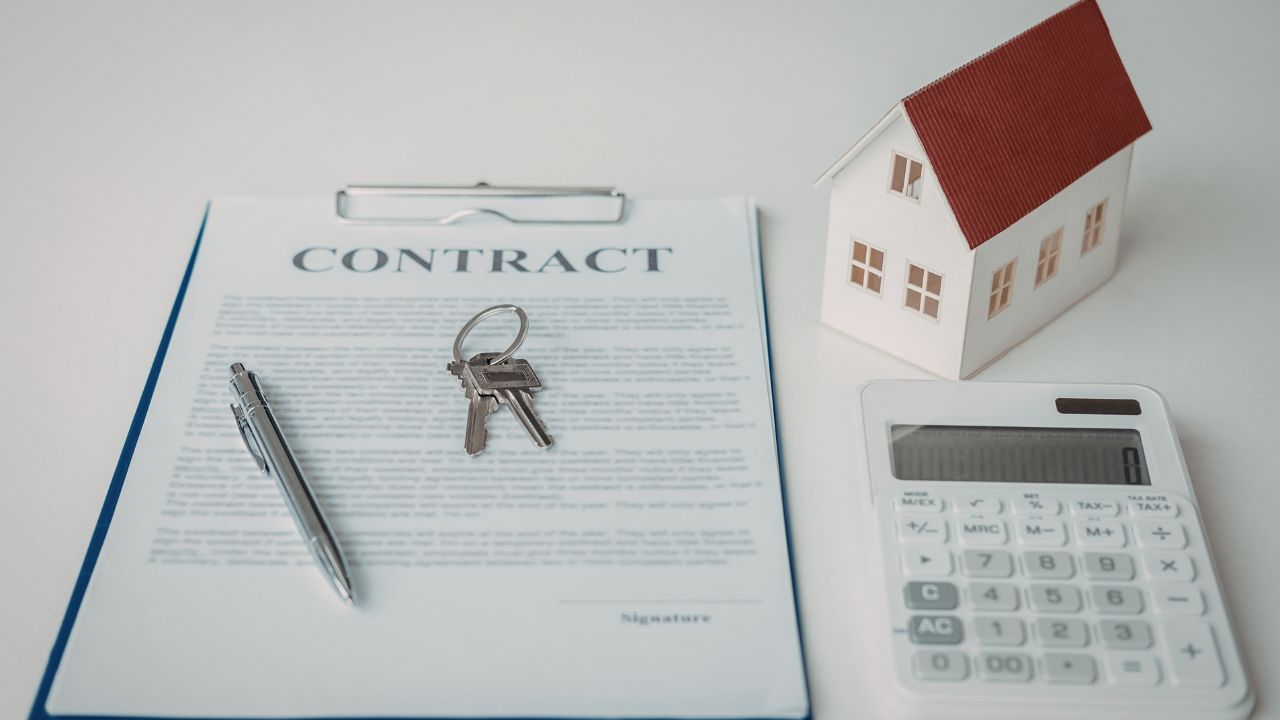
Creating a solid rental agreement is the most important step in establishing a successful relationship between a landlord and a tenant. In California, where rental regulations are detailed and frequently updated, having a clear written document helps prevent misunderstandings and legal disputes.
A well-drafted lease ensures that both parties understand their rights and responsibilities from the very first day. The ultimate lease agreement is one of the many things we handle at Uplift Property Management.
Picture owning a newly renovated home in Chula Vista and renting it out with only a verbal agreement. At first, everything seems fine, until your tenant brings in two large dogs and parks a broken trailer on the lawn.
With no written terms covering pets or parking, enforcing rules turns into a costly legal headache. Situations like this highlight why clear rental agreements matter and how they protect property owners from avoidable disputes.
Essential Parties and Occupancy Limits
Every rental agreement should clearly name the landlord and all adult tenants.
Listing everyone over 18 ensures each person is legally responsible for the rent and lease terms. This creates “joint and several liability,” meaning if one tenant leaves or doesn’t pay, the others are still fully responsible for the entire rent and obligations.
It is also wise to specify the maximum number of occupants allowed in the unit. California generally follows a standard that allows two people per bedroom plus one additional person, though local ordinances in San Diego County may vary.
Defining these limits helps prevent overcrowding and reduces excessive wear and tear on the property.
Terms of Rent and Payment Logistics
The lease should clearly state the monthly rent amount and its due date, typically the first. It must also list accepted payment methods.
Even if you prefer digital payments, California law requires offering at least one non-cash, non-electronic option, such as a personal check or money order, to ensure tenants have accessible ways to pay.
In addition to the monthly rent, the agreement should detail any late fees. California law requires late fees to be reasonable and based on the actual costs the landlord incurs due to the late payment.
You should also specify if there are any charges for returned checks. Clearly stating these financial terms in the agreement ensures the tenant knows exactly what is expected and when.
Security Deposits and Modern Refund Rules
Security deposits are a common source of tension in California rentals.
In most cases, landlords can only charge up to one month’s rent as a deposit, whether the unit is furnished or not. A narrow exception allows some small landlords to charge up to two months’ rent, but this does not apply when the tenant is an active service member.
California recently updated how security deposits are returned. If rent or deposits were paid electronically, refunds must also be issued electronically unless both sides agree otherwise in writing.
Landlords must notify tenants of this right. The 21-day rule still applies: after move-out, you must send an itemized deduction list and any remaining balance promptly.
Maintenance and the New Appliance Mandate
A clear lease spells out maintenance responsibilities. In California, landlords must keep a property habitable, while tenants handle cleanliness and fix damage they cause.
Starting January 1, 2026, rentals must include a working stove and refrigerator to meet habitability standards. That also means landlords are responsible for keeping these appliances in good working condition throughout the tenancy.
Your lease should clearly assign responsibility for yard care, pool maintenance, and pest control, especially given San Diego County’s varied conditions. It should also forbid tenants from making alterations like painting or changing locks without written approval.
Requiring consent protects your property’s condition and ensures any work done meets proper safety and quality standards.
Policies on Pets and Smoking
Pet and smoking rules need to be crystal clear. If pets are allowed, define limits on number, size, and type. California law caps total security deposits at one month, so instead of extra deposits, landlords often charge monthly pet rent.
If pets aren’t allowed, say so plainly, but remember, service and emotional support animals are legally exempt under fair housing rules.
Smoking policies are equally important for property preservation. Landlords have the right to prohibit smoking of any substance anywhere on the premises, including outdoor areas like balconies or patios. Establishing a non-smoking policy can significantly reduce cleaning costs and fire risks.
Legal Disclosures and Access Rights
California requires several specific disclosures to be included in or attached to the rental agreement. These include information about lead-based paint for buildings constructed before 1978, bed bug history, and proximity to former military ordnance locations.
There are also specific notices required regarding flood zones and the presence of mold.
Furthermore, the agreement should outline the landlord’s right to enter the property. Under state law, a landlord can enter for repairs, inspections, or to show the unit, but they must generally provide 24 hours of written notice.
The entry must also occur during normal business hours except in cases of emergency.
Bottom Line
A detailed rental agreement is the backbone of a smooth, professional tenancy. It should clearly outline rent terms, the one-month security deposit cap, maintenance responsibilities for appliances, and required legal disclosures. These details protect your finances while giving tenants clear expectations.
When issues arise, a written contract gives you a solid reference to resolve disputes quickly and fairly. In California’s complex legal landscape, being thorough isn’t optional; it’s your best defense.
Navigating the nuances of local laws and managing day-to-day tenant interactions can be overwhelming for individual owners.
Uplift Property Management can help landlords by drafting legally compliant agreements, screening for high-quality tenants, and handling all maintenance and communication.
Our expertise in the local market ensures that your investment is managed according to the highest standards. Contact us today to learn how we can take the stress out of your rental property management.