
Self-managing a rental property can be rewarding, but in California it also comes with serious responsibility. Between shifting landlord-tenant laws, strict notice requirements, and the need for solid documentation, even small mistakes can become expensive.
Whether you are new to renting out a home or already have experience, the fundamentals of good property management stay the same. You need to understand the law, screen tenants carefully, collect rent consistently, and keep detailed records. When those systems are in place, owners can avoid many of the common problems that derail rental income.
Below are seven practical tips that reflect how experienced property managers approach self-management in California.
Know California Landlord-Tenant Laws
California rental regulations change frequently, and missing a requirement can expose owners to penalties or tenant claims. These laws govern everything from habitability standards to rent increases, notices, and eviction timelines.
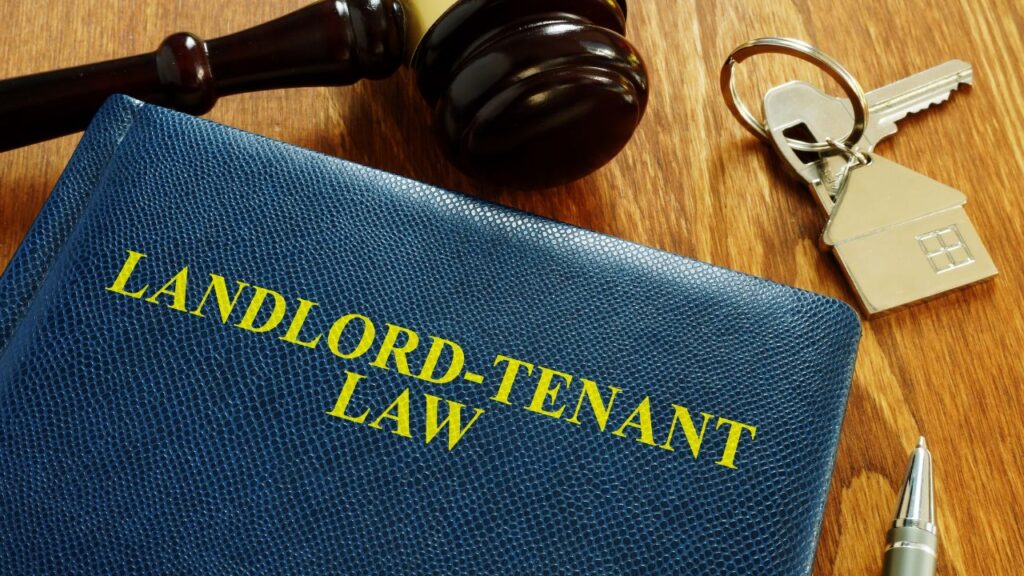
Federal rules also apply, including The Fair Housing Act, which defines how properties may be advertised, screened, and leased without discrimination.
At the state level, California extends those protections even further.
Failing to follow these rules can invalidate notices or even block an eviction. In some cases, a missing disclosure can create financial liability even if the property would otherwise be exempt from certain regulations.
Use a Clear, Compliant Lease

California also requires specific disclosures and addendums depending on the property type and location. Using a compliant template from a licensed real estate source or the California Department of Real Estate helps ensure nothing is missed within the context of real estate ownership, including how rental properties are structured under Real Estate Investing
This is especially important when dealing with Security Deposits, which are tightly regulated in California. Limits, timelines, and deductions must be handled correctly to avoid disputes or penalties.
Market the Property Professionally
High-quality marketing brings in better tenants and reduces vacancy time. Listings should include clear, well-lit photos and honest descriptions that reflect the actual condition of the property.
Owners should avoid phone snapshots and vague wording. Professional-looking photos create trust and improve the number of qualified inquiries.
Marketing language must also follow fair housing laws. Describing the home is allowed. Describing the type of tenant you want is not. Phrases that suggest preference or exclusion can create serious legal problems.
Screen Tenants Using Consistent Standards
Tenant screening is where most long-term outcomes are decided. Checking credit, income, and rental history helps determine whether someone is likely to pay on time and take care of the home.
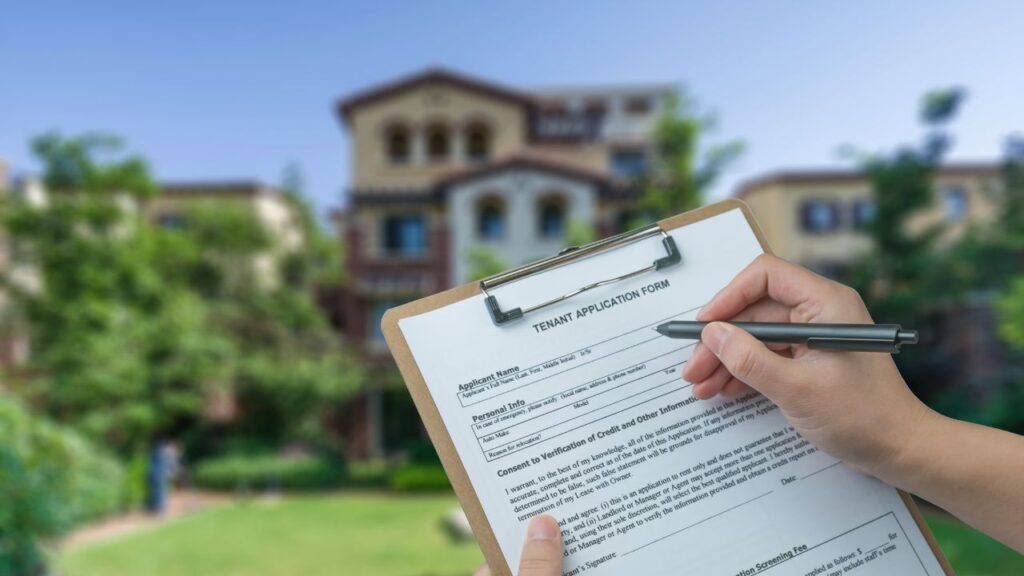
Previous landlords often provide the most useful insight. Patterns of skipped rent, lease violations, or property damage tend to repeat.
Screening standards should be written down and applied the same way to every applicant. This keeps the process fair and legally compliant.
Some landlords also encounter application fraud or identity manipulation, which is why awareness of Common rental scams landlords and tenants encounter matters when reviewing applications and documents.
Make Rent Collection Simple and Enforceable
Online rent payment systems reduce friction and late payments. Tenants are far more likely to pay on time when they can schedule automatic electronic payments.
Due dates should be firm. Allowing repeated late payments can create an implied change to the lease, weakening the owner’s ability to enforce it later.
Late fees must also comply with state law. In California they must be reasonable and clearly disclosed in the lease. Standards such as Maximum Late Fees by State define what is permitted across jurisdictions.
Stay Ahead of Maintenance
Fast maintenance responses protect both the property and the landlord. Unresolved issues can quickly become habitability problems, which give tenants leverage in disputes or eviction cases.

Small issues like leaks or electrical problems grow expensive when ignored. Prompt, professional repairs reduce long-term damage and improve tenant retention.
Owners should also plan for major future expenses. Roofs, HVAC systems, water heaters, and exterior paint all wear out. Setting aside reserves in a separate account prevents these costs from becoming financial emergencies.
Understanding long-term operating costs is also part of evaluating whether self-management makes sense for a property, which is why Understanding property management fees and what they cover often comes up when owners compare management versus doing it themselves.
Keep Detailed Records
Good documentation protects landlords when problems arise. Payment history, maintenance logs, notices, and communication records are often the first things requested in legal disputes.
Phone calls should be followed by written summaries. Emails or messages that confirm what was discussed create a paper trail that can be used if a tenant later disagrees.
These records are especially important in lease disputes, including situations involving how much it cost to break a lease and how early termination is handled in practice.
Key Takeaways
- California rental laws change often and must be followed closely
- A compliant lease reduces disputes and legal risk
- Professional marketing attracts better applicants
- Consistent screening protects property condition and cash flow
- Online rent collection reduces late payments
- Fast maintenance preserves value and tenant stability
- Detailed records provide legal protection
Final Thoughts
Managing a rental property in California requires organization, legal awareness, and consistent follow-through. When these systems are in place, owners can protect their investment and reduce unnecessary risk.
If you have questions about a specific property or situation, Uplift Property Management can be contacted for general guidance and next steps.
Legal Disclaimer
This content is for general informational purposes only and does not constitute legal advice. Landlord-tenant laws vary by location and change frequently. Property owners should consult a qualified attorney or licensed real estate professional regarding specific legal questions.