Key Takeaways
- DIY landlord success depends on structure, not intent—clear leases, consistent rules, and proper documentation are essential to prevent disputes and enforcement issues.
- Proactive management is critical: regular maintenance, thoughtful tenant screening, and accurate rent pricing help prevent costly emergencies, vacancies, and turnover.
- The hidden cost of self-management is time and risk—without systems and experience, small mistakes (delays, leniency, compliance gaps) compound into financial and legal problems.
Taking on the role of a self-managing landlord can feel empowering at first. You stay close to your investment, control decisions directly, and avoid management fees. In a market like San Diego County, where rental demand remains strong, it’s easy to assume you can handle things on your own.
But here’s the reality: owning a rental and operating one are two very different responsibilities. The day-to-day demands go beyond collecting rent. Legal compliance, tenant management, maintenance coordination, and financial planning all come into play.
Without a structured approach, even small gaps in judgment can quietly turn into larger, more expensive problems. Many first-time landlords underestimate how quickly responsibilities stack up once a tenant is in place.
Before committing fully to DIY management, it’s worth understanding where many landlords go wrong and how to avoid repeating those patterns. We, at Uplift PM - San Diego County, have outlined what mistakes to avoid and what to do instead.
When Informality Replaces Structure
One of the earliest mistakes new landlords make is treating the lease as a formality instead of a foundation.

A vague or overly simple agreement leaves too much room for interpretation. Payment timelines, repair responsibilities, and property rules become harder to enforce when they’re not clearly documented.
In California, where rental laws are detailed and frequently updated, a properly structured lease isn’t just helpful, it’s protective. Clarity upfront prevents friction later. It also signals to tenants that expectations are firm and consistently applied from the beginning.
When Maintenance Becomes Reactive
It’s easy to assume that if tenants aren’t complaining, everything is fine. That assumption often leads to overlooked issues.
Routine check-ins allow you to spot minor concerns early, before they become disruptive or expensive.
A loose cabinet, a slow leak, or a worn fixture might seem small now, but unattended problems tend to escalate. Staying ahead of maintenance preserves both property value and tenant satisfaction. It also reduces the likelihood of emergency repairs, which are typically more costly and urgent.
Keeping a simple maintenance schedule can make these check-ins more consistent and easier to manage over time.
When Vacancy Feels Like an Emergency
Vacancies can create pressure, especially when expenses continue without income.
That urgency sometimes pushes landlords to prioritize speed over quality when selecting tenants.
However, filling a unit quickly with the wrong tenant often leads to longer-term costs, such as missed rent, repairs, or early turnover.
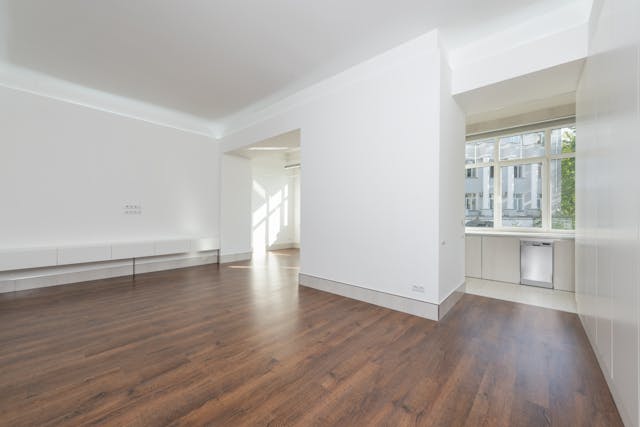
A measured approach, supported by financial planning, allows you to stay selective even during slower periods. Building a small reserve fund can make this decision-making process less stressful.
When Flexibility Turns Into Inconsistency
Good landlord-tenant relationships matter, but so does consistency.
Making exceptions too often, especially around rent deadlines or lease rules, can unintentionally reset expectations. Even occasional leniency can signal that terms are negotiable.
What begins as understanding can evolve into patterns that are difficult to correct. Clear boundaries, applied evenly, help maintain professionalism and predictability on both sides. Tenants are more likely to follow rules when they see that they are enforced consistently.
When Pricing is Based on Assumptions
Rent pricing isn’t static, and it isn’t guesswork.
Relying only on visible listings doesn’t capture the full picture. You need to understand which properties are leasing quickly, which ones are sitting, and why.
In a diverse market like San Diego, even small differences, such as location, upgrades, and layout, can shift value. Accurate pricing isn’t about matching others; it’s about positioning your property effectively.
Monitoring trends over time can also help you adjust before vacancies occur. Even slight mispricing can influence how quickly your property attracts qualified interest.
When Screening Feels Like a Shortcut
Tenant screening is one area where cutting corners rarely pays off. Skipping background checks or relying on surface-level information increases risk significantly.

A thorough process helps identify patterns, specifically financial stability, rental behavior, and reliability, that aren’t always visible upfront. The right tenant doesn’t just fill the unit; they protect the investment. Strong screening also reduces the chances of future disputes or payment issues.
When Time is Treated as Unlimited
Many DIY landlords underestimate how much time ongoing management actually requires.
Coordinating repairs, answering tenant concerns, tracking payments, and handling turnovers can quickly become a steady, time-consuming cycle.
What starts as a side responsibility can quietly take over your schedule, especially when unexpected issues arise. Even simple tasks, when repeated frequently, can accumulate into a significant time commitment.
When Experience is Built the Hard Way
Learning by doing is valuable, but in property management, it can also be costly.
Understanding local regulations, handling disputes, and navigating compliance requirements takes time to master.
Without guidance, mistakes made during the learning phase can have financial or legal consequences that outweigh the initial savings of self-management. Having access to reliable information and processes can make a noticeable difference early on.
When Delays Make Things Worse
Some decisions are uncomfortable, but postponing them rarely improves the outcome.
Late payments, lease violations, or unresolved issues tend to compound when left unaddressed. Small problems often become harder to resolve the longer they are ignored.

Acting promptly, within legal guidelines, keeps situations manageable and prevents small issues from becoming larger disruptions. Addressing concerns early also reinforces accountability and keeps communication clear.
Bottom Line
Managing your own rental property can be rewarding, but only when approached with structure, discipline, and a clear understanding of the responsibilities involved. The biggest risks aren’t always obvious; they often come from small decisions that accumulate over time.
By building strong systems, staying informed, and treating your rental like a business, you can avoid many of the common pitfalls associated with DIY management. Consistency in your approach helps create more predictable and stable outcomes.
If you’re looking to reduce risk, save time, and ensure every aspect of your property is handled professionally, partnering with a property management team like Uplift PM - San Diego County can provide a meaningful advantage.
From tenant placement to compliance and ongoing operations, the right support helps you protect your investment while maximizing its long-term performance in San Diego County.
Reach out today to confidently elevate your rental strategy with confidence.